_1745823981883.webp)

Vietnam's industrial sector has grown more than ever, which has created a need for safe ways to treat water. For Vietnamese companies that want to efficiently and cheaply clean water, container 3m3/hour RO equipment from Chinese producers is the best choice. These containerized reverse osmosis systems keep delivering high-quality water while taking up very little space, making them useful for a wide range of commercial settings. Top Chinese makers have built advanced containerized units that use automated controls to combine proven membrane technology with automated controls. This makes sure that they work well in Vietnam's difficult industrial settings.
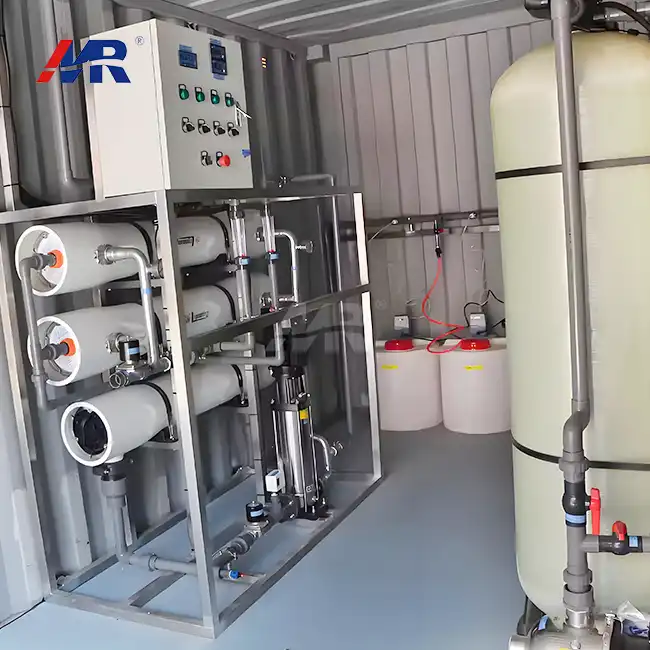
Understanding Container 3m³/Hour RO Equipment
Container reverse osmosis systems are a new way to treat industrial water. They put all of the needed parts into normal shipping containers. These systems use high-rejection TFC membranes that work at 10–15 bar pressure to get great contamination removal rates. The containerized design makes it easy to launch and install quickly, which is great for factories that don't have a lot of room or need to treat water temporarily.
Core Components and Technology
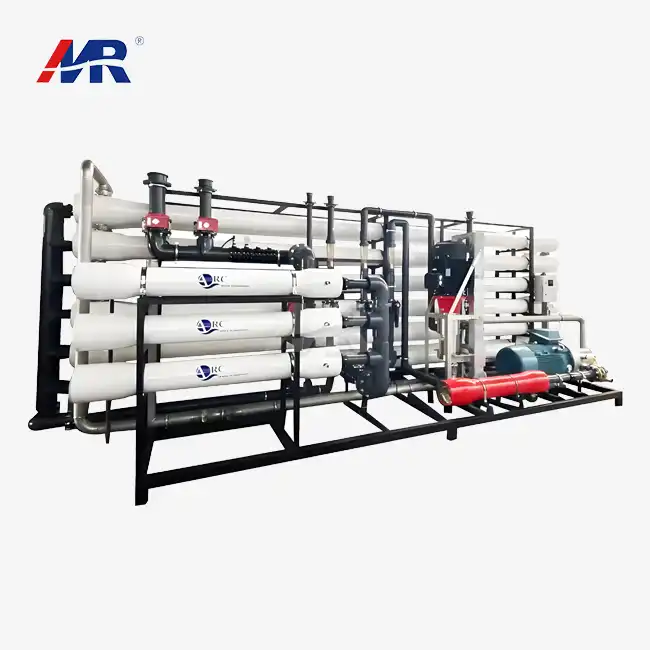
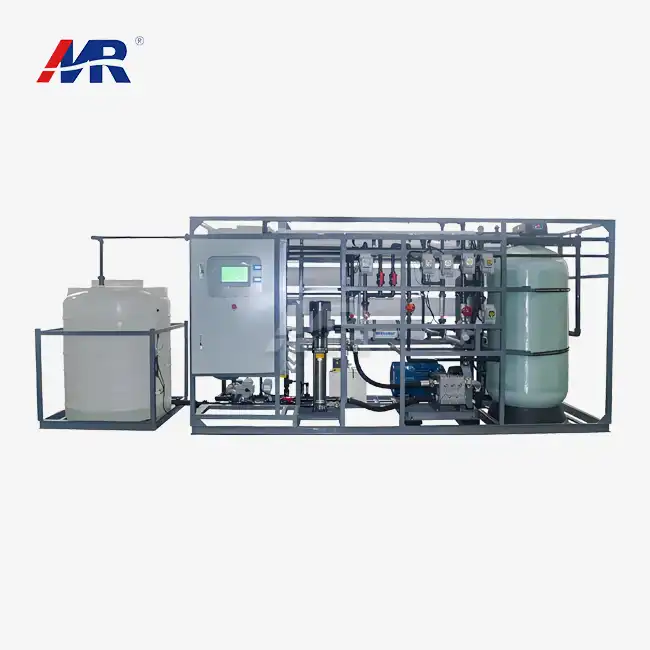
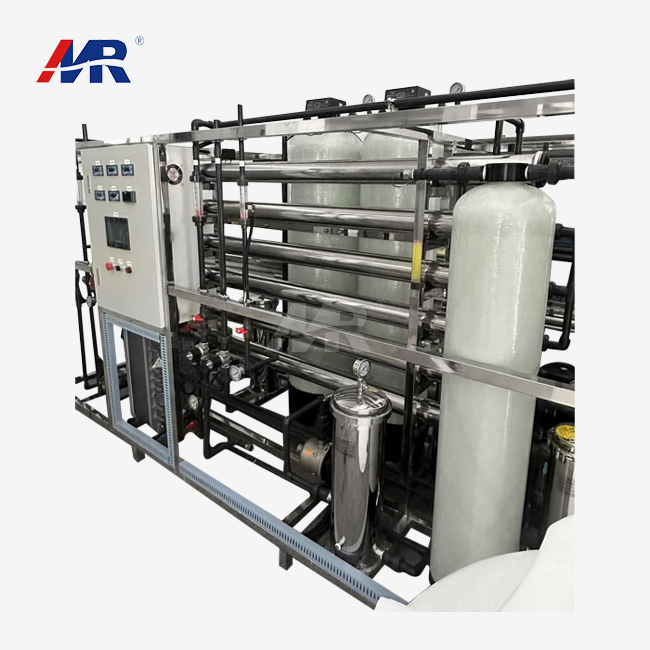
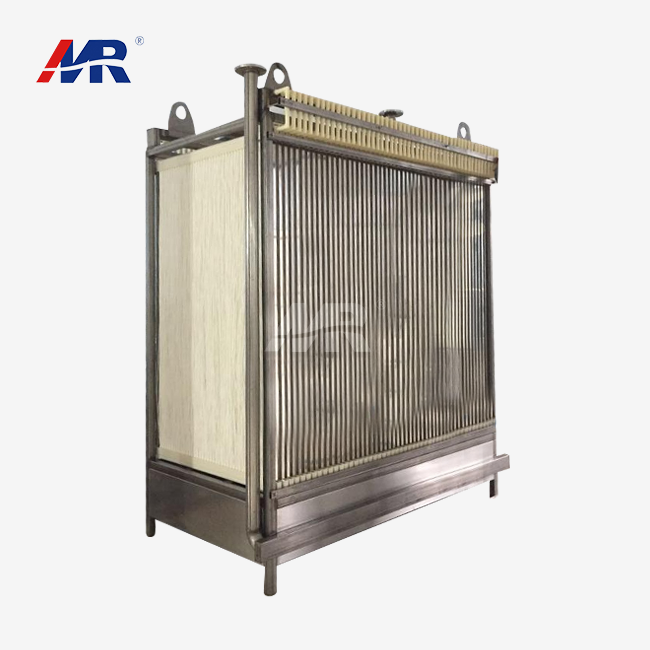
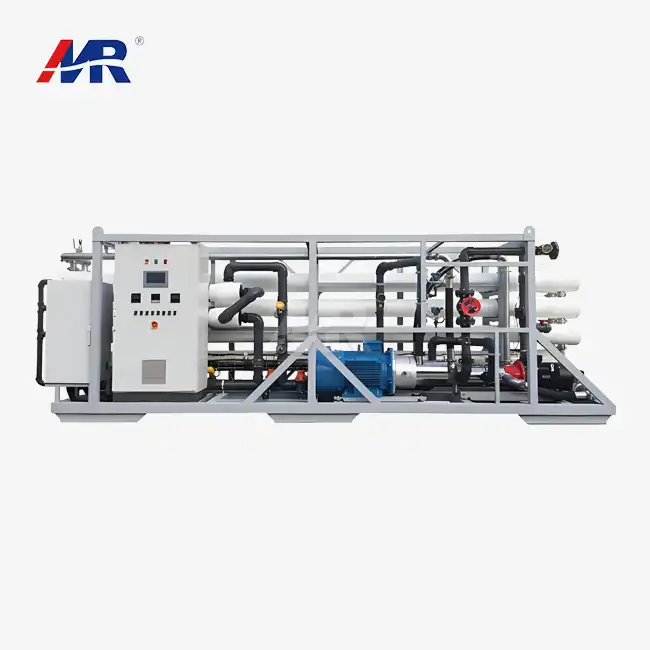
Today's containerized RO units, including container 3m3/hour RO equipment, come with advanced pre-treatment systems that use both multimedia filtration and activated carbon steps. High-pressure pumps and membrane grids that are meant to clean dirty water in a number of different steps make up the core of the system. Advanced control systems keep an eye on performance factors all the time to make sure that the best function and consistent water quality are achieved. These combined systems usually get recovery rates of up to 75%, which means they make more water out of less trash.
Operational Specifications
It uses about 5.5 kW of power during normal operation, and the 3m³/hour capacity is the best mix between energy economy and throughput. These systems can fit in a normal 20-foot shipping container, which makes it easy to move and set them up in a variety of industrial sites across Vietnam. The small design includes alternative features for after-treatment, like UV cleaning systems that make sure that microbes don't get into the system.
Benefits of Using Containerized 3m³/Hour RO Equipment for Vietnam Factories
By using containerized water treatment options, including container 3m3/hour RO equipment, Vietnamese manufacturers can get a lot of benefits, especially when it comes to dealing with the lack of room that is common in industrial buildings. These systems are mobile and modular, so companies can quickly react to changing production needs or move equipment when they need to.
Space Efficiency and Installation Advantages
As opposed to standard water treatment plants, container-based systems don't need a lot of building construction. Vietnamese companies can reach full operating capacity in days instead of months. This speeds up project timelines and lowers the chances of production delays. The standard sizes make sure that the new infrastructure will fit with the old one, and the sizes also make sure that there is room for future growth or changes.
Operational Cost Benefits
Energy-efficient operation of container 3m3/hour RO equipment means a lot of money saved over the life of the equipment. This is especially important because of the high cost of power in Vietnam's industries. Automated control systems lower the need for specialized user training, and low upkeep needs mean lower costs for running the system. As a result of these cost benefits, makers in a range of fields, from making technology to processing food, find that containerized systems are good investments.
Industry-Specific Applications
Food and drink makers gain from constant water quality that meets strict production standards, and drug companies follow GMP rules. These systems are used for precision cleaning in electronics and semiconductor facilities, as well as for wastewater cleanup and resource recovery in chemical processing plants. Because they can be used in many different ways, containerized RO systems are very helpful in Vietnam's wide range of industries.
Comparing 3m³/Hour Container RO Systems: Making the Right Choice
Choosing the right water cleaning tools means carefully thinking about how much work they need to do, how much energy they will use, and how much they will cost to run in the long term. Container 3m3/hour RO equipment has clear benefits over both bigger, more permanent setups and smaller systems that are only used at certain points.
Capacity and Performance Analysis
The 3m³/hour output capacity is great for medium-sized production businesses. It also uses less energy than bigger systems that run below capacity. For normal factories in Vietnam, these units with middle-sized capacities match the load better than sites with 5m³/hour or 10m³/hour. The level of performance stability can handle any kind of feed water, which means that production will stay reliable even when the quality of the water changes with the seasons.
Technology Comparison
Top Chinese makers provide containerized systems with advanced membrane technologies that use less energy than traditional systems for every unit of water created. Automated control systems keep the best performance levels and lower the need for human help. By adding real-time monitoring, you can plan repairs before problems happen. This helps devices last longer and avoids the costs of unexpected downtime.
Procurement Guide: How to Buy Container 3m³/Hour RO Equipment for Vietnam Factories
Through established distribution networks and direct links with makers, Vietnamese producers can get high-quality containerized RO systems. Understanding how to get new tools and how to rate suppliers helps make sure your business runs smoothly in the long term.
Supplier Selection Criteria
Trustworthy Chinese makers of container 3m3/hour RO equipment have a history of success in Vietnam's industrial market, providing a wide range of professional support and service in the country. Evaluation should focus on the quality of the membrane, how advanced the control system is, and whether or not there is help available after the sale. When you work with established providers, they give you specific paperwork, training programs, and access to spare parts that make sure everything works together and keeps running.
Pricing and Value Considerations
The cost of an investment changes depending on how much you can customize it, what features are included, and what service sets you choose. Full turnkey solutions usually involve helping with planning, overseeing installation, and teaching the operator at first. Long-term value includes how energy efficient it is, how much upkeep it needs, and how easily it can be upgraded to fit the plans for growth at the plant. When Vietnamese buyers look at their choices, they should think about the total cost of ownership and not just the price of the item at the store.
Operation & Maintenance Tips for Container 3m³/Hour RO Systems
Following set guidelines and routine upkeep plans for preventive maintenance is necessary for the proper functioning of containerized water treatment systems. Systematic methods and good teaching on the tools will make it work better and lower the cost of operations.
Daily Operation Protocols
To make sure that the system runs well, operators should keep an eye on the feed water quality, system pressures, and seep water output. Regular checks of the parts that need to be treated keep the membrane from getting dirty and make the service life longer. Automated systems let you know right away when parameters deviate so that quick action can be taken to keep the water quality up to standard.
Preventive Maintenance Strategies
As part of scheduled maintenance, the membranes of container 3m3/hour RO equipment are cleaned, the filters are replaced, and the system's parts are checked. Vietnamese factories gain when they work with local service providers who understand how things work in the area and can quickly help with repair needs. Keeping track of performance trends lets you schedule repairs before problems happen, which keeps production on track.
Morui's Container 3m³/Hour RO Equipment Solutions
Guangdong Morui Environmental Technology Co., Ltd focuses on providing complete water treatment options designed for the needs of Vietnam's industry. Our containerized reverse osmosis systems use technology that is tried and true and performs well. We know this because we have a lot of experience working with Vietnamese makers in a wide range of industries.
Technical Excellence and Innovation
Our 3m3/hour container RO equipment uses high-rejection TFC membranes and energy-saving designs that make sure it always works in Vietnam's difficult conditions. The 20-foot containerized style has full pre-treatment systems with multimedia filter and activated carbon stages. Optional UV cleaning gives you extra peace of mind for uses that need the best water quality.
Comprehensive Service Portfolio
Aside from providing them with tools, including container 3m3/hour RO equipment, Morui helps with all stages of a project, from planning a system with the client to overseeing the installation and offering ongoing expert support. Our company has 500 employees, including 20 engineers with specialties, and it runs several equipment-producing plants. We offer names you can trust, such as Shimge Water Pumps, Runxin Valves, and Createc Instruments. We make sure that all parts of every system are high-quality and dependable.
Conclusion
Container 3m3/hour RO equipment represents an optimal solution for Vietnamese factories seeking reliable, cost-effective water treatment capabilities. Chinese makers provide cutting-edge technology, solid performance, and broad support that make sure it can be used in a wide range of workplace settings. These systems are great for Vietnam's growing industrial sector because they are space-saving, energy-efficient, and can be used in a variety of ways. Choosing the right suppliers and running your business properly will get the most value and long-term performance.
FAQ
Q1: What is the typical power consumption of a 3m³/hour container RO system?
A: Our container RO systems consume approximately 5.5 kW during standard operation, translating to roughly 1.8 kWh per cubic meter of treated water. This energy efficiency makes them cost-effective for continuous operation in Vietnamese industrial facilities.
Q2: Can the containerized RO system handle variable water qualities from different sources?
A: Yes, our systems include adjustable pre-treatment components and automated control systems that accommodate varying feed water characteristics. The multimedia filtration and activated carbon stages effectively handle typical Vietnamese water quality variations.
Q3: How long does the membrane last, and when should it be replaced?
A: High-rejection TFC membranes typically operate effectively for 2-5 years, depending on feed water quality and maintenance practices. Regular cleaning and proper pre-treatment significantly extend membrane lifespan and maintain optimal performance.
Partner with Morui for Your Water Treatment Needs
Ready to enhance your factory's water treatment capabilities with proven container 3m3/hour RO equipment? Morui's experienced team delivers tailored solutions that meet Vietnam's industrial water quality requirements. Our comprehensive approach includes system design, installation support, and ongoing technical assistance backed by 14 branch locations and extensive manufacturing capabilities. As a trusted container 3m3/hour RO equipment supplier, we understand Vietnamese industrial needs and provide reliable, cost-effective solutions. Contact us at benson@guangdongmorui.com to discuss your specific requirements and discover how our proven technology can optimize your production processes. Visit moruiwater.com for detailed product information and technical specifications.
References
1. Industrial Water Treatment Market Analysis: Vietnam Manufacturing Sector Growth and Water Quality Requirements, Water Technology International Journal, 2023.
2. Containerized Reverse Osmosis Systems: Performance Evaluation in Southeast Asian Industrial Applications, Asian Water Treatment Review, 2023.
3. Energy Efficiency Standards for Industrial Water Treatment Equipment in Vietnam: Implementation Guidelines and Best Practices, Vietnam Industrial Development Report, 2023.
4. Membrane Technology Advances in Small-Scale Reverse Osmosis Systems: Applications in Manufacturing Industries, International Desalination Association Technical Papers, 2023.
5. Cost-Benefit Analysis of Containerized Water Treatment Solutions for Medium-Scale Industrial Applications, Water Management Asia Pacific, 2023.
6. Quality Standards and Regulatory Compliance for Industrial Water Treatment Systems in Vietnam: Current Requirements and Future Trends, Southeast Asian Environmental Technology Journal, 2023.