_1745823981883.webp)

Industrial reverse osmosis water purification plants have changed the way companies get better water for industry, food preparation, drug production, and many other areas. These high-tech systems provide a modern, safe, and compliant water source that meets the needs of today's businesses. Industrial water treatment options that use reverse osmosis have become very important as regulatory standards are raised and the need for operating efficiency grows. Businesses looking for dependable water purification plants find that RO systems offer the best pollution removal, cost-effectiveness, and scalability. People who make decisions about investments that improve product quality, lower costs, and make sure that industry standards are followed in the long run need to know all of the benefits of reverse osmosis technology.

Understanding Reverse Osmosis and Its Industrial Applications
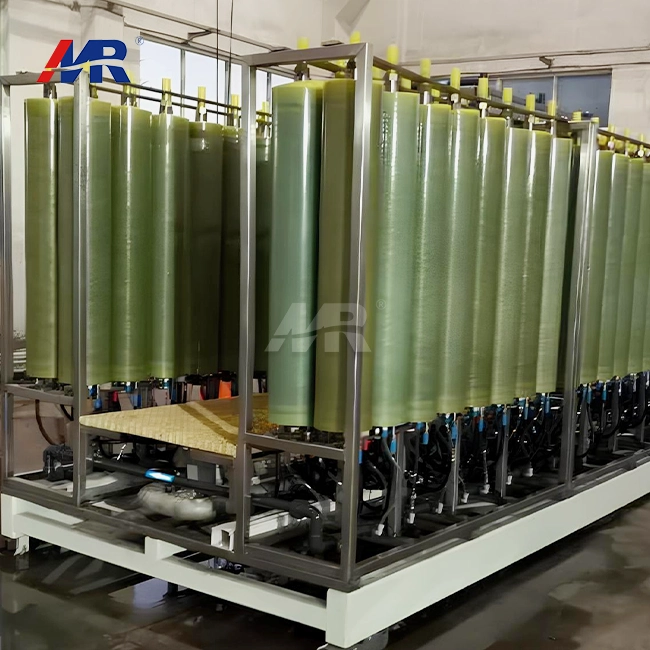
Heavy metals, germs, and other impurities are kept out of the water by a complex system of membranes in reverse osmosis. This method of separation by pressure gets amazing levels of cleansing. It can take out up to 99.9% of most of the impurities in water from any source.
Core Components and Operational Principles
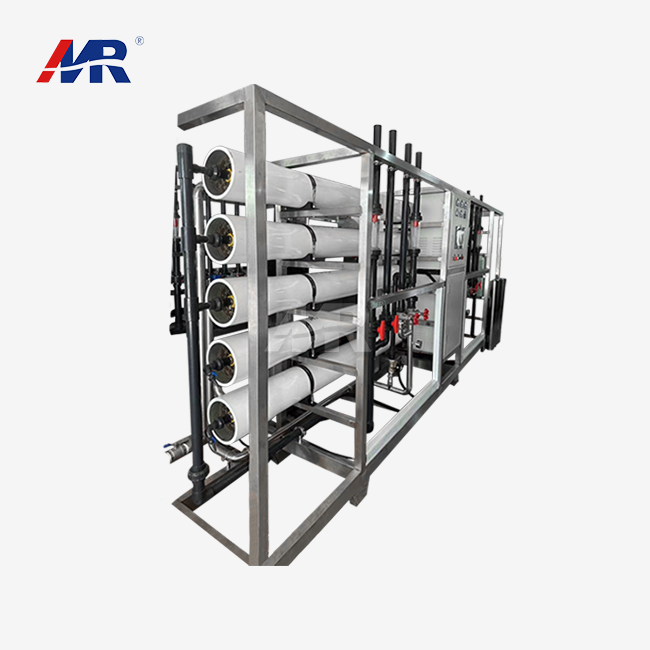
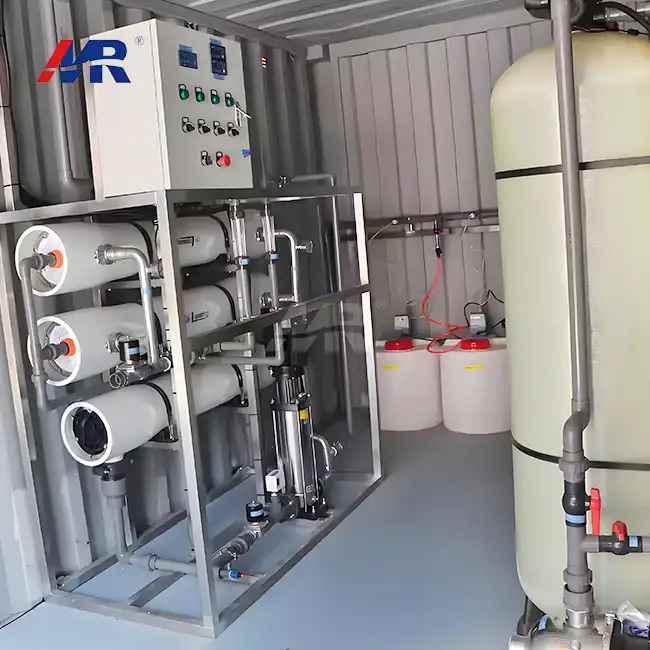
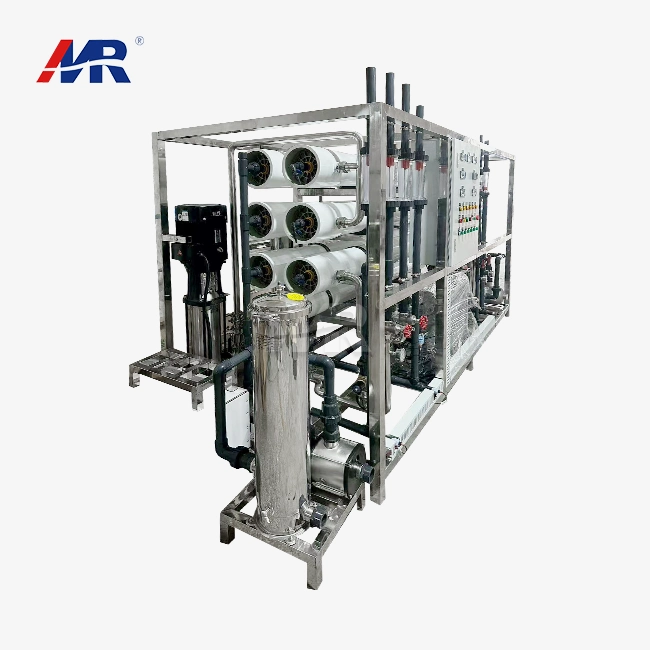
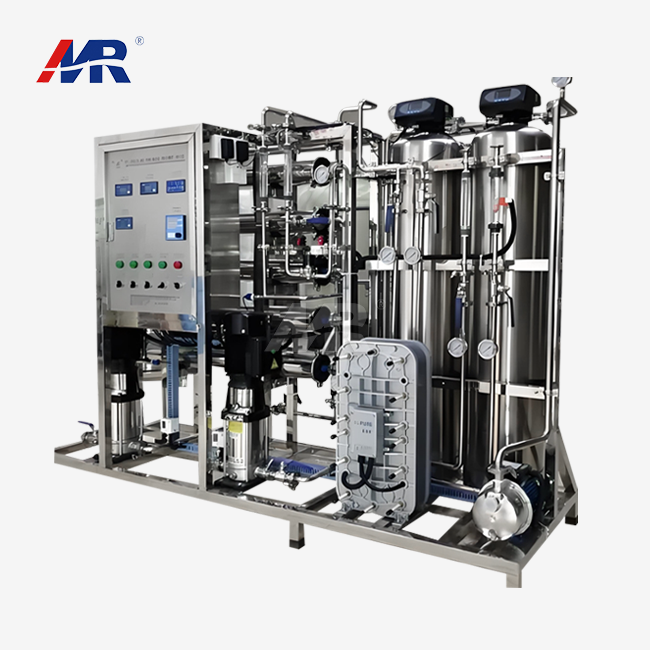
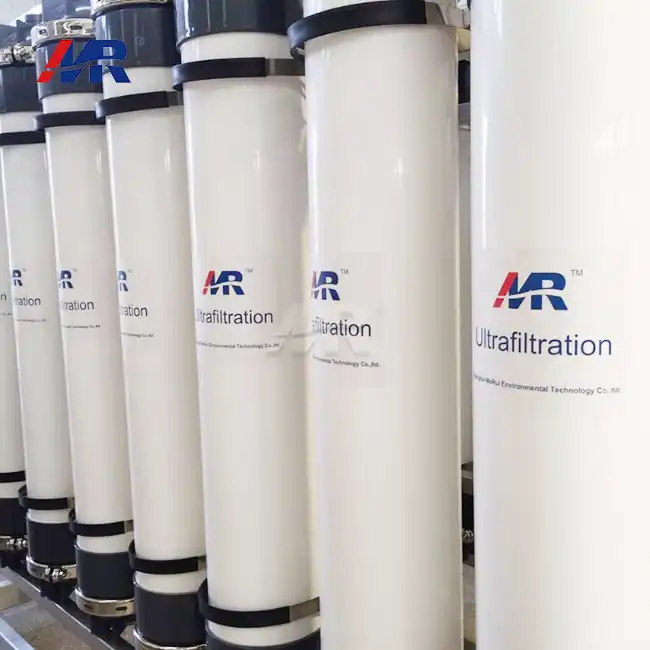
Today’s reverse osmosis systems used in water purification plants use high-rejection TFC membranes along with pumps that are designed to work perfectly, pre-treatment screens, and systems that automatically keep an eye on everything. Before the membrane can work well, the feed water is prepared by multimedia filtering, activated carbon treatment, and a water softener. The high-pressure pumping system then pushes water through the membrane barriers. This makes clean permeate and concentrates the contaminants that are not accepted in a separate trash stream.
Comparison with Alternative Purification Methods
Reverse osmosis is better than UV cleaning, which only gets rid of microbes, or chemical treatment, which needs new chemicals all the time, because it removes all kinds of contaminants without needing chemicals. RO is much better at getting rid of dissolving salts, metals, and organic compounds than traditional filtering methods. This deep cleaning makes water treatment systems especially useful for businesses that always need high-purity water for making Products, protecting equipment, and manufacturing processes.
Top 5 Benefits of Reverse Osmosis Plants for Industrial Water Purification
Industrial sites that use reverse osmosis technology in water purification plants see huge changes in the quality of water, the efficiency of their operations, and their ability to control costs. These benefits have a direct effect on the standard of production, compliance with regulations, and the ability to make money in the long run.
Superior Water Quality and Contaminant Removal
RO systems are great at purifying water; they remove 99.9% of dissolved solids, heavy metals, bacteria, viruses, and chemical compounds. With this level of purification, you can be sure that the quality of the food and drinks you make is always the same. This also meets GMP standards for making drugs and gives you the ultrapure water that electronics and chip processing need.
Cost-Effectiveness and Energy Efficiency
These days, reverse osmosis plants use just 3 to 6 kWh of energy per cubic meter of water that they clean, and they don't have to pay for chemicals that other treatment methods need. The flexible design makes it possible for the buildings to change how much water they can hold, from 1,000 to 100,000 gallons per day, which gets the best value out of the money spent on the project. Recovery rates of 75% or more reduce water waste, which lowers the costs of both getting fresh water and getting rid of garbage.
Environmental Sustainability
RO technology helps companies reach their environmental goals by using fewer chemicals, lowering carbon emissions, and making better use of resources. The removal of chemical agents stops secondary pollution, and the high recovery rates save water, which is a valuable resource. These environmental benefits are in line with new rules and programs that encourage businesses to do the right thing.
Modular Scalability and Flexibility
Industrial water purification plants are built in flexible setups so that they can meet different capacity needs. As production increases, facilities can treat more people without having to replace all of their equipment. This flexibility is especially useful for industrial operations, city services, and businesses that need flexible water treatment options as they grow.
Reduced Maintenance and Automated Controls
Advanced tracking systems automatically keep an eye on performance factors. This makes the system more efficient and reduces the need for people to do things by hand. Automated controls protect membranes from damage by checking pressure in real time, managing cleaning cycles, and sending alerts for forecast maintenance. This technology makes the system more reliable and increases the lifespan of the membrane. It also lowers the cost of labor because there is less work that needs to be done by hand.
How to Choose the Right Reverse Osmosis Water Purification Plant for Industrial Use?
Choosing the best RO equipment means carefully thinking about the needs, limitations, and long-term goals of the building. To make sure that the system will work with others and run well, technical decision-makers must take a lot of things into account.
Capacity and Feed Water Analysis
Finding out how much water is used each day, when demand is highest, and the quality of the feed water helps figure out the basic needs for system size. A study of the source water shows certain contaminants that need to be removed, which affects the choice of barrier and the way of treating water before it goes through the main treatment. Each facility that deals with mixed salt and fresh water, sewage, or industrial wastewater needs to use a specific method to treat it.
Manual versus Automatic System Selection
Automatic RO systems in water purification plants are easier to use because they can be programmed, monitored from afar, and don't need to be operated as much by people. Manual systems have lower upfront costs, but people who know what they're doing are needed to run them every day. Automated configurations are useful for facilities that care about operational efficiency and regular performance. On the other hand, smaller businesses might find that manual methods save them more money.
Supplier Evaluation and Support Services
ISO Certifications, long warranties, and good after-sales support (like access to extra parts and upkeep contracts) are things that trustworthy companies offer. This promise is shown by Guangdong Morui Environmental Technology, which has 14 branches, 500 workers, 20 engineers, and buildings that are only used to make membranes. This kind of system makes sure that long-term support is always available and that operations are only briefly interrupted while you get expert help and can get the parts you need.
Integration of Reverse Osmosis Plants into Industrial Processes
A successful RO system combination needs a deep knowledge of both the current water treatment systems and the production needs. If you do the integration right, it will be very efficient, and there will be very little impact on normal business activities during installation and testing.
Pre-Treatment and Post-Treatment Coordination
Before doing integration, system coordination must be done first. This includes multimedia filter, activated carbon treatment, and chemical easing if needed. Based on the needs of the individual application, UV sterilization and remineralization are treatment methods that can be used afterward. This all-around method keeps the water quality high and protects the structure of the membrane.
Case Studies and ROI Analysis
Food and drink companies that use RO technology in water purification plants usually save 15% to 25% on their production water costs. RO technology also makes products more consistent and increases their shelf life. Consistent water cleanliness helps pharmaceutical companies follow Good Manufacturing Practices more closely and lowers the need for proof. Electronics companies that use ultra-pure water systems have lower failure rates and higher yields in precision manufacturing processes. These measured gains show that it was worth the money to improve the water treatment facilities.
Guangdong Morui Environmental Technology Solutions
Guangdong Morui Environmental Technology's area of expertise is providing personalized, ready-to-use reverse osmosis solutions that are based on the unique needs of different industries. Our all-inclusive method covers system design, making tools, installation, and ongoing assistance for maintenance.
Product Range and Technical Specifications
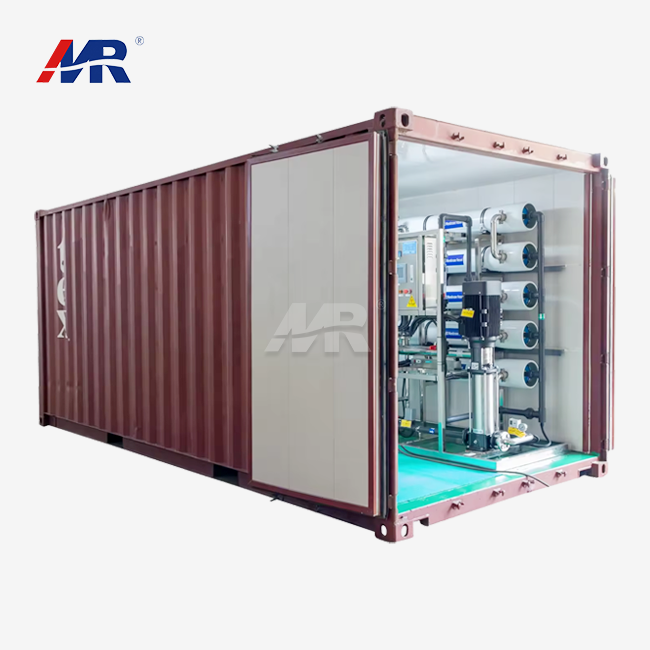
Our workplace RO systems in water purification plants have high-rejection TFC membranes, advanced tracking controls, and small footprints that work with a range of facility types. Standard capacity runs from 1,000 to 100,000 gallons per day, which is enough for everything from small factories to big city-run utility companies. Pre- and post-treatment choices that can be customized help ensure that a wide range of activities, from manufacturing and food preparation to making drugs and generating power, can be done at the highest possible level.
Quality Assurance and Support Infrastructure
Morui has more than 14 branches and 500 workers, including 20 engineers whose only job is to give technical help for the entire life of the equipment. Our membrane manufacturing plant and several equipment handling hubs make sure that quality control and component supply are in place. Making strategic relationships with top makers like Shimge Water Pumps, Runxin Valves, and Createc Instruments makes the system more reliable and improves its performance.
Conclusion
Reverse osmosis water purification plants are the best choice for treating industrial water because they are cost-effective and environmentally friendly, remove contaminants more effectively than other methods, and can be used in a variety of ways. The technology has been shown to work well in manufacturing, food preparation, making drugs, and public utilities, showing that it is both reliable and adaptable. Today’s RO systems have automatic controls, flexible scalability, and full support services that make the system more efficient and lower costs in the long run. As the needs for industrial water quality change, reverse osmosis technology gives businesses the solid base they need to keep working successfully and stay in line with rules.
FAQ
Q1: How long do most large RO water purification plants last?
A: If you take care of industrial RO systems and change the membrane often, they usually work well for 10 to 15 years. TFC membranes of good quality usually need to be replaced every two to three years. On the other hand, parts of the system, such as pumps and controls, can continue to work well for the duration of the equipment's lifetime if they are properly cared for.
Q2: When used in industries, how is reverse osmosis different from UV treatment?
A: Reverse osmosis gets rid of all kinds of contaminants, including heavy metals, dissolved solids, and germs. UV treatment, on the other hand, only focuses on viruses and bacteria. While UV treatment is a good way to kill germs but doesn't get rid of dissolved pollutants, RO systems keep the water pure so that it can be used in industry processes that need low TDS levels.
Q3: What do industrial RO systems need to keep them working?
A: Regular upkeep includes cleaning the membrane, replacing the pre-filter, sanitizing the system, and keeping an eye on how well it works. Automated systems lower the need for hands-on work by using programmable cleaning plans and alerts that let you know when the system isn't working properly. Preventive maintenance contracts make sure that systems work well, that they don't unexpectedly have to be shut down, and that operations aren't interrupted.
Contact Morui for Advanced Water Purification Plant Solutions
Transform your industrial water treatment capabilities with Morui's proven reverse osmosis technology and comprehensive support services. Our experienced engineering team designs customized solutions meeting specific capacity, quality, and operational requirements across diverse industrial applications. Whether you need a compact system for small-scale manufacturing or large-capacity equipment for municipal utilities, Morui delivers reliable, energy-efficient water purification plant solutions backed by extensive Technical support. Contact our water purification plant manufacturer team at benson@guangdongmorui.com or visit moruiwater.com to explore how our advanced RO systems can enhance your operational efficiency while reducing costs and ensuring regulatory compliance.
References
1. Smith, J.R. and Williams, M.K. "Industrial Water Treatment Technologies: Reverse Osmosis Applications and Benefits." Journal of Industrial Water Management, Vol. 45, No. 3, 2023, pp. 234-251.
2. Chen, L. et al. "Energy Efficiency Analysis of Large-Scale Reverse Osmosis Systems in Manufacturing Industries." Water Technology International, Vol. 28, No. 7, 2023, pp. 45-62.
3. Thompson, A.B. "Membrane Technology Advances in Industrial Water Purification." Industrial Water Treatment Review, Vol. 19, No. 2, 2023, pp. 78-95.
4. Rodriguez, C.M. and Patel, S.K. "Cost-Benefit Analysis of Reverse Osmosis Implementation in Food and Beverage Industries." Water Economics Quarterly, Vol. 12, No. 4, 2023, pp. 156-173.
5. Anderson, P.J. "Regulatory Compliance and Water Quality Standards in Industrial Applications." Environmental Engineering Today, Vol. 31, No. 9, 2023, pp. 203-220.
6. Kumar, R. and Zhang, Y. "Sustainability Aspects of Industrial Reverse Osmosis Water Treatment Systems." Green Technology Review, Vol. 15, No. 6, 2023, pp. 112-129.