

_1745823981883.webp)

Affordable Reverse Osmosis Water Purifiers: Quality Options on a Budget
To find the best Reverse Osmosis Water Purifier that is both high-quality and affordable, you need to know both the technical specs and the total costs of ownership. Modern RO systems remove up to 99% of contaminants from water, making it very pure, while still being efficient. Businesses that want to use premium filter technology but are limited by money can do so by carefully choosing systems that put important features ahead of extraneous features. This way, they can make sure their water is clean without breaking the bank.
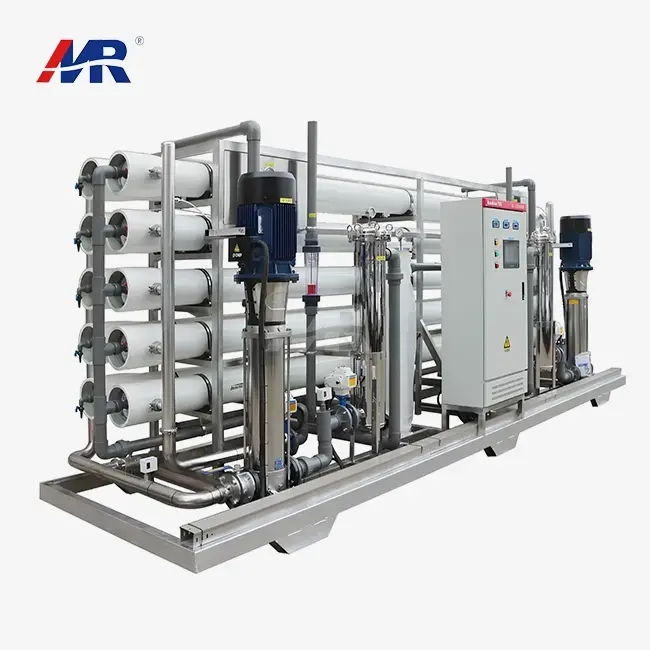
Understanding Reverse Osmosis Water Purifiers
A semipermeable barrier is used in reverse osmosis technology to clear contaminants at the molecular level, making it one of the best ways to clean water today. The process pushes water molecules through tiny holes in the material, but bigger particles, dissolved solids, and dangerous substances get stuck. Because they can filter water so well, RO systems are very useful for businesses that need to make sure the water quality stays the same.
The Science Behind RO Filtration
In reverse osmosis, natural osmotic pressure is pushed against by providing pressure, which forces water through membranes with holes smaller than 0.0001 microns. When water comes into the system, it goes through several steps of filtering. The first stage is sediment filters, which get rid of dirt, dust, and rust. Then, volatile organic molecules, chlorine, and other contaminants that change taste and smell are taken out by carbon filters. Up to 98% of all dissolved solids are removed by the semipermeable barrier. This includes heavy metals, fluoride, and germs.
Most modern RO systems have between three and five stages of filtering. Carbon and sediment filters are used to protect the membrane from damage as water runs through pre-filtration. After being cleaned, the water goes through the ro membrane, which separates the dissolved particles and flushes them away. The clean water is sent to a holding tank and filtered there until it is needed. Before it is sent to the customer, it is polished off by a post-filter.
Comparative Advantages Over Alternative Technologies
When it comes to getting rid of contaminants, reverse osmosis works better than UV, ultrafiltration, and activated carbon systems. UV lights can kill germs and viruses, but they can't get rid of chemicals or minerals that have been destroyed. Larger particles and some bacteria are removed by ultrafiltration, but smaller contaminants can still get through. Activated carbon is great at getting rid of chlorine and making water taste better, but it's not so good at getting rid of dissolved salts and heavy metals.
Reverse Osmosis Water Purifier technology gets around these problems by using both physical and chemical filters. The multistage process makes sure that all of the water is treated and that the quality of the result stays the same. Since RO systems are so reliable, they work great in places where water cleanliness is very important, like in the pharmaceutical, electronics, and food processing industries.
Key Factors for Selecting Affordable Reverse Osmosis Water Purifiers
To choose the most cost-effective RO systems, you need to weigh the original investment against the long-term costs of running the system. When making smart purchasing choices, people should look for systems that work as well as possible without adding extra features that aren't needed and raise costs without increasing benefits.
Budget-Friendly Price Ranges and Cost Considerations
For business use, affordable RO systems usually cost between $2,000 and $15,000, based on how much space they take up and what features they have. Entry-level units that are good for small businesses can hold 500 to 1,000 gallons per day and have simple tracking systems. Options in the middle range can produce 1,000 to 5,000 gallons of water every day and have better automation and online tracking features. Higher-capacity systems that serve bigger businesses can handle more than 5,000 gallons of waste while still keeping prices low thanks to economies of scale.
The total costs of ownership include more than just the purchase price. They also include installation, energy use, membrane repair, and regular upkeep. When compared to standard setups, energy-efficient pumps and motors cut costs by up to 30%. Depending on the quality of the feed water and the design of the system, a membrane will usually last between 12 and 36 months. The cost to change a membrane runs from $200 to $800.
Essential Features for Value-Oriented Selection
Automated monitoring systems that keep track of performance measures and let workers know when maintenance is due are important features that increase value. Variable frequency drives make sure that pumps work best based on demand, which saves energy and makes equipment last longer. High-quality membranes from reputable makers work consistently and can be replaced at regular intervals.
Reverse Osmosis Water Purifier installation freedom lets different building layouts work without having to make big changes. Modular designs let businesses add more space as their needs change, protecting their initial investment while allowing them to grow. A warranty that covers everything for 2 to 5 years shows that the maker is confident in the product and keeps service costs from being too high.
Leading Affordable Brands and Performance Analysis
Several companies have built strong names for making reliable RO systems that don't break the bank. These businesses focus on the most important features and keep high standards for quality. Performance data from installations completed in 2024 shows that the water quality was consistently met in a wide range of settings, from small factories to medium-sized food processing plants.
Case studies show that if you choose the right cheap solution, it can remove 95–99% of contaminants while still being as efficient as more expensive options. The important thing is to make sure that the system's features are exactly what the program needs, rather than adding too many features that don't add much value.
Installation, Maintenance, and Troubleshooting of RO Systems
Installing and maintaining systems correctly has a direct effect on how well they work, how much they cost to run, and how long their parts last. When procurement teams know these needs, they can make better choices and make more accurate budgets for the total costs of ownership.
Installation Best Practices for Commercial Applications
A thorough site assessment, which includes a water quality study, pressure needs, and space limitations, is the first step to a successful RO system installation. Under-sink designs are best for smaller spaces, while stand-alone units can handle higher volume needs. The right plumbing lines make sure that the feed water flow is right and that waste water is disposed of properly.
Testing the water before placement helps find specific contaminants and the best way to set up the system. A feed water pressure of 40 to 80 PSI keeps the membrane working at its best, and good draining stops backpressure that could damage parts. Usually, electrical needs include 110V to 220V power with the right circuit safety.
Professional installation services for Reverse Osmosis Water Purifier make sure that local rules and the manufacturer's instructions are followed. System cleaning, pressure testing, and performance proof are all proper ways to start up a computer. Keeping records of standard performance data gives you a way to keep an eye on things and plan for maintenance.
Routine Maintenance and Operational Optimization
System performance is kept up, and equipment lives longer with regular upkeep. When to change filters depends on the quality of the feed water and how often they are used. For pre-filters, it's usually every 3 to 12 months, and for membranes, it's every 12 to 36 months. Checking the amount of total dissolved solids in the product water lets you know when the membrane needs to be replaced.
System sanitization stops living things from growing and keeps water quality levels high. Once a month, cleaning cycles get rid of built-up deposits and make the membrane work again. Choosing the right chemicals and following the right dosing instructions will keep things from getting damaged and will clean well. Monitoring wastewater helps get the most out of recycling rates and cuts down on dumping costs.
Common Issues and Troubleshooting Solutions
Problems with RO systems often include losing flow, water quality going down, and water that tastes or smells strange. Problems with pressure are often caused by pre-filters that are clogged or membrane fouling. With proper pre-treatment and regular filter change, most problems caused by pressure can be avoided. If the refusal rate goes down, it means that the membrane is worn out or damaged and needs to be replaced to get it working again.
Leak monitoring systems find issues before they cause a lot of damage or waste a lot of water. Fitting links, membrane housing seals, and storage tank openings are all common places where leaks start. During routine upkeep, replacing worn parts before they break down cuts down on the need for emergency repairs and the costs that come with them.
Procurement Considerations for Global B2B Clients
When you buy something from another country, you need to carefully consider the sellers, shipping processes, and local service support. Smart buyers think about these things along with technical specs to make sure the project goes well, and they get ongoing operating help.
Supplier Evaluation and Selection Criteria
Suppliers you can trust show consistent quality through ISO 9001, NSF, and approvals specific to your business. Having worked in manufacturing for several years shows that you are stable and technically skilled. Customer recommendations from similar applications can give you an idea of how well the service and performance really are.
Service network representation for Reverse Osmosis Water Purifier in local markets makes sure that problems are quickly fixed. When it comes to getting parts and professional help, suppliers with established sales partners are better. The warranty should cover both problems with the technology and promises of good performance, with clear ways to fix problems if they happen.
Cost Structure Analysis and Budget Planning
A full cost study looks at the prices of tools, the costs of shipping, the time it takes to set up, and the ongoing costs of running the business. For multi-site deployments or large-capacity systems, bulk buy agreements can save you a lot of money. OEM partnerships are good for businesses that need private labeling or customizable setups.
Options for financing help spread the costs of capital over longer periods of time while keeping operating capital available for other business needs. Leasing plans may offer tax benefits and make it easier to improve. Service contracts that include upkeep, parts, and staff make running costs more regular and make management easier.
Customization and Integration Requirements
When used in industrial settings, setups often need to be changed to deal with problems with water quality or limited space. Successful sellers offer technical help to make sure that the design of the system works best in a certain setting. Centralized tracking and control are possible when robotic systems are connected to each other.
Scalable designs can adapt to future growth without having to update the whole system. Modular construction lets you add more trains or better parts to boost throughput. This adaptability saves the initial investment and makes sure there is enough space for processes to grow.
Morui's Comprehensive RO Solutions and Industry Expertise
Guangdong Morui Environmental Technology Co., Ltd. has a lot of experience with technology that treats water for a wide range of industrial and business uses. Our all-around method blends cutting-edge RO technology with useful engineering solutions that are made to fit the needs of each client.
Advanced Technology and Manufacturing Capabilities
Our integrated manufacturing skills include sites specifically designed for making membranes and processes for putting together equipment. This vertical merger makes sure that quality is controlled throughout the whole production process and that prices stay low. Our engineering team has more than 20 experts who have a lot of experience using water treatment in a wide range of businesses.
The company's 14 branches and 500 workers offer full help, from the first consultation to installation and ongoing maintenance. Our plant for making membranes lets us customize them for different uses while keeping quality standards high. Partnerships with top component suppliers like Shimge Water Pumps, Runxin Valves, and Createc Instruments improve the performance and dependability of the system.
Tailored Solutions for Diverse Applications
Our RO systems are used in many different types of businesses, from making food and drinks to drugs and electronics. For each use, there are different guidelines and operational factors for water quality. Our engineering team works closely with clients to make sure that the system design meets their specific needs for removing contaminants and having enough space.
Reverse Osmosis Water Purifier systems that meet FDA standards and keep operations running smoothly are good for food and drink uses. Pharmaceutical clients get solutions that are GMP-compliant and come with full paperwork and validation support. Electronics companies can use ultrapure water systems that combine RO technology with electrodeionization to control conductivity better.
Service Excellence and Client Support
Full installation services make sure that the system starts up correctly and that its performance is checked. Our service teams offer ongoing maintenance support, which includes replacing filters, cleaning systems, and making sure they work at their best. The ability to watch from afar makes it possible to plan preventative maintenance and quickly fix problems.
Client success stories show that performance is consistent across a wide range of uses and working situations. Our dedication to long-term relationships goes beyond the original installation and includes things like increasing capacity, updating technology, and keeping up with changing regulations. This all-around method makes sure that clients get the most out of their investment in water cleaning.
Conclusion
When looking for a cheap Reverse Osmosis Water Purifier, you need to weigh the original cost against the long-term value of operation. These days, RO technology gives us very good water at a low cost, thanks to systems that use less energy and parts that work well. Instead of over-specifying features, successful buying focuses on matching system capabilities to specific application needs. Professional installation and regular upkeep keep efficiency high while keeping total costs of ownership low. Working with providers with a lot of experience makes sure that you can get professional help, full-service support, and custom solutions that adapt to changing business needs while still giving you stable water quality results.
FAQ
Q1: What contaminants do RO purifiers effectively remove?
Up to 99% of dissolved solids are removed by RO systems. This includes fluoride, chlorine, heavy metals like lead and mercury, germs, viruses, and all dissolved solids. RO technology can be used to solve a wide range of water quality problems because it filters out both physical particles and chemical pollution over several stages.
Q2: How often should filters and membranes be replaced?
Depending on the quality of the feed water, pre-filters usually need to be changed every three to six months. Under standard settings, RO membranes last between 12 and 36 months. By keeping an eye on the water quality factors on a regular basis, you can figure out when to change them so that they keep working well and the quality of the output stays the same.
Q3: What installation requirements should be considered?
For commercial RO systems to work, the feed water pressure needs to be between 40 and 80 PSI, the waste water needs to be drained properly, and the electrical lines need to be right. The amount of space needed depends on the size and design of the machine. Professional repair makes sure that local rules and maker instructions are followed.
Q4: How do I evaluate total ownership costs?
The total cost includes the price of the equipment itself, the cost of installation, the cost of ongoing energy use, the cost of replacing filters, and regular upkeep. Energy-efficient designs lower operating costs, and membranes that last longer mean that they don't need to be replaced as often. Comprehensive service contracts make sure that upkeep costs are clear and that the system works at its best.
Contact Morui for Your Reverse Osmosis Water Purifier Solutions
Because Morui has a lot of experience in water treatment technology, we are a reliable Reverse Osmosis Water Purifier and reverse osmosis water filter maker for companies that want to find cheap and reliable solutions. Our engineering team designs unique systems, installs them fully, and provides ongoing technical help to make sure they work at their best. Our manufacturing skills and service network give you the best value, whether you need stock configurations or custom uses. Get in touch with benson@guangdongmorui.com to talk about your unique needs and find out how our RO solutions can help you treat water while reducing costs and improving operating efficiency.
References
1. Water Quality Association, "Reverse Osmosis Technology Standards and Performance Guidelines," 2023 Industrial Water Treatment Manual.
2. American Water Works Association, "Membrane Filtration Technology Assessment for Commercial Applications," Journal of Water Treatment Engineering, 2024.
3. International Desalination Association, "Cost-Benefit Analysis of RO Systems in Industrial Applications," Annual Technology Review, 2023.
4. EPA Office of Water, "Point-of-Use Treatment Technologies for Small Commercial Systems," Federal Water Treatment Guidelines, 2024.
5. NSF International, "Certification Standards for Commercial reverse osmosis equipment," Water Treatment Device Certification Manual, 2023.
6. World Health Organization, "Drinking Water Quality Guidelines for Industrial Water Systems," Global Water Safety Standards, 2024.
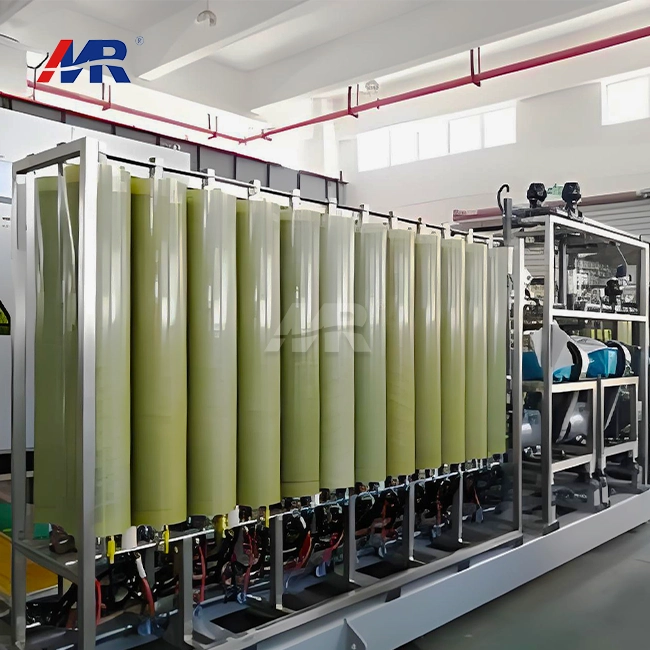 VIEW MOREDTRO plant
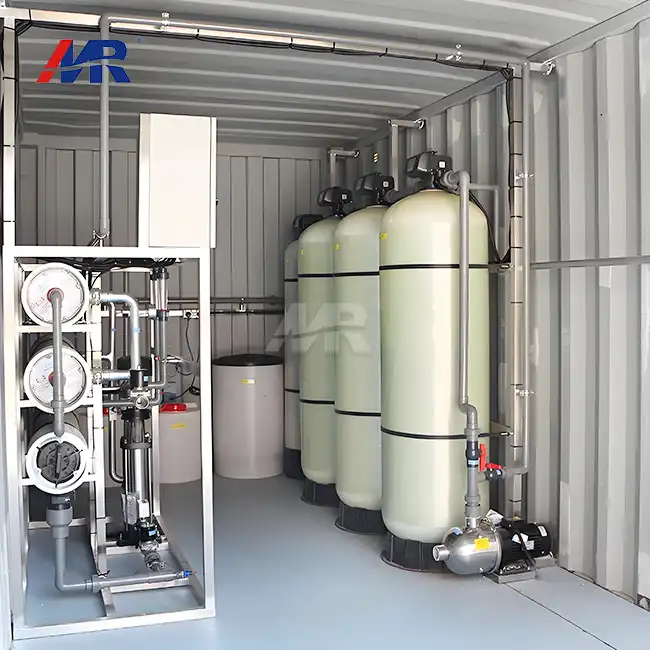 VIEW MOREcontainer type 3m3/hour RO equipment
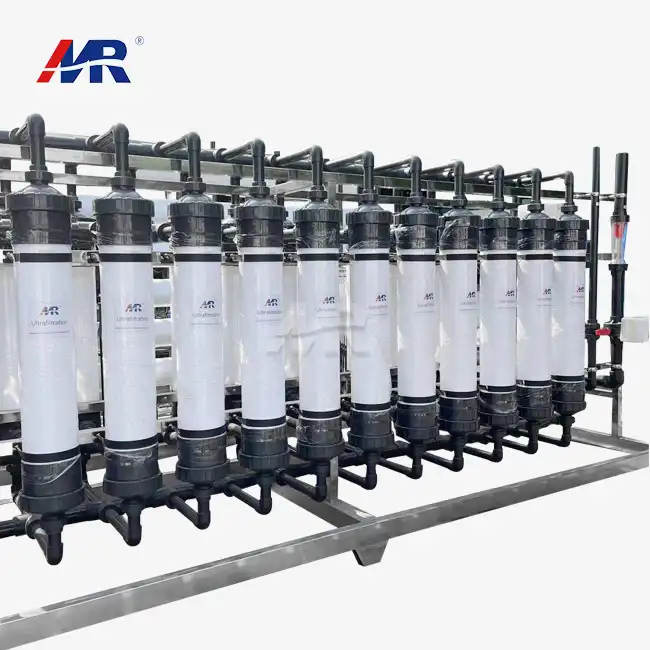 VIEW MORE30m3/hour ultrafiltration equipment
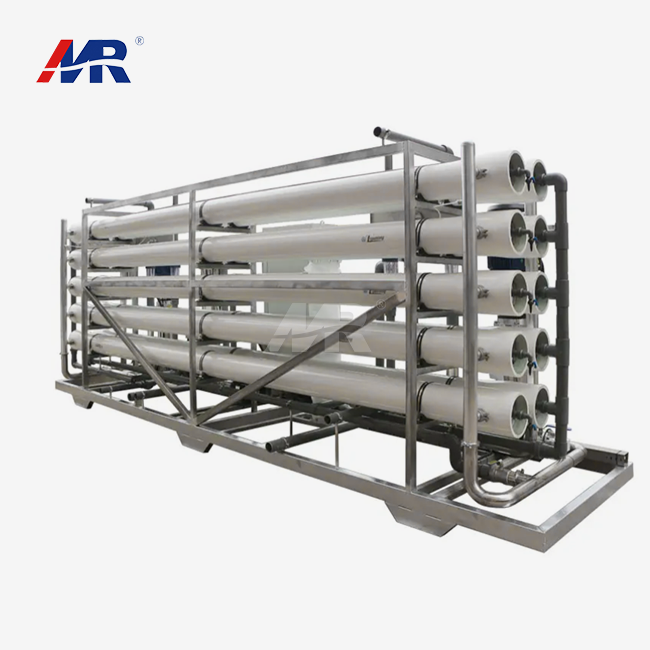 VIEW MOREbrackish water reverse osmosis systems
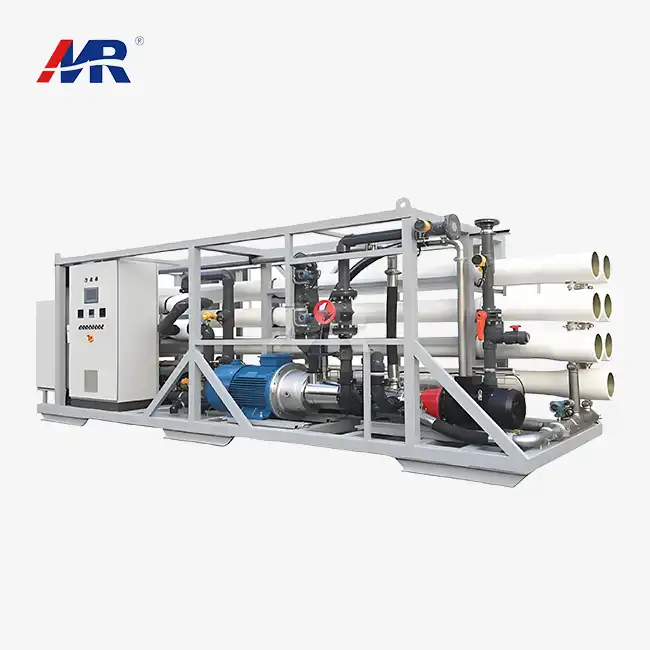 VIEW MORE20m3/hour seawater desalination equipment
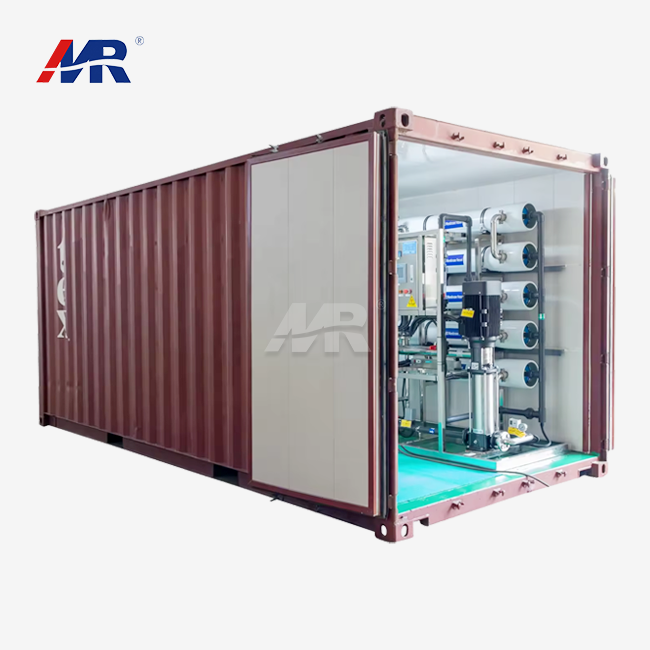 VIEW MOREmobile container reverse osmosis equipment
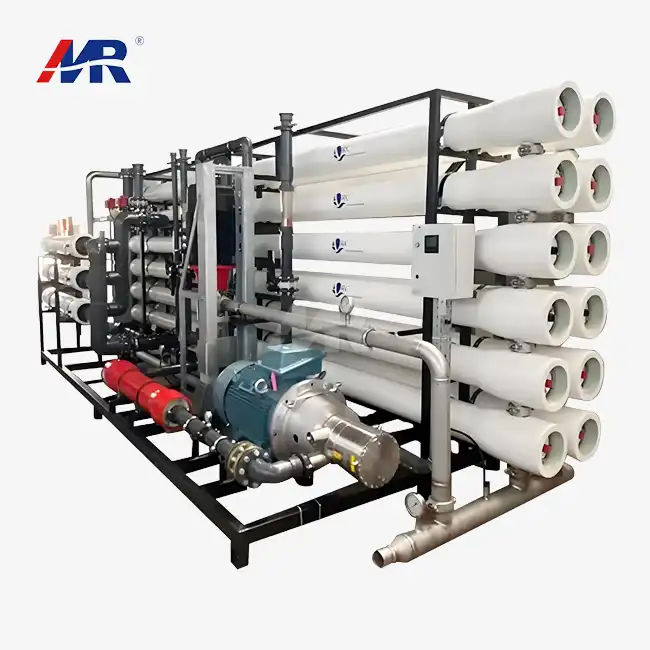 VIEW MORE45m3/hour seawater desalination system
 VIEW MORE2000m3/day ultrafiltration equipment
