

_1745823981883.webp)

Energy Efficient Electrodeionization Systems: Cutting Costs in High Purity Water Production
Industries are using more and more new technology to make high-purity water that not only works better but also saves energy and money. The Electrodeionization system is at the vanguard of this change. It is a pioneering solution that is changing the way water is cleaned. This cutting-edge technology uses electricity and ion exchange membranes to clean water without the need for chemical regeneration. This makes it a long-lasting and cost-effective way to make ultrapure water. The Electrodeionization system, or EDI, is a big step forward in the technology used to clean water. edi systems can reliably make high-quality water while keeping costs and environmental impact low by using both electrodialysis and ion exchange. Because of this, they are very useful for many fields, including making drugs, generating power, making electronics, and making food. As we learn more about Energy Efficient Electrodeionization Systems, we'll see how this technology is changing the way we make high-purity water, cutting prices by a lot, and making industrial operations more environmentally friendly. Understanding the possibilities of EDI systems could help you improve your water purification operations and give you an edge over your competitors, whether you work for a big company as a technical decision-maker or run a tiny startup as a CEO.

Understanding Electrodeionization Technology
You need to know how the technology works in order to properly understand the benefits of Energy Efficient Electrodeionization Systems. Electrodeionization, or EDI, is a new way to clean water that uses two well-known methods: ion exchange and electrodialysis.
The Main Ideas Behind Electrodeionization
An EDI system works on a basic but brilliant idea at its core. Water goes through a chamber with ion exchange resins that are placed between membranes that only let certain ions through. An electric field is put across the chamber, which makes ions move toward their electrodes. This method gets rid of dissolved ions in the water, leaving one side with very pure water and the other side with concentrated trash.
The fact that EDI can be regenerated continuously is what makes it different from other deionization processes. The electric current not only takes ions out of the water, but it also breaks water molecules into hydrogen and hydroxyl ions. These ions keep the ion exchange resins working by constantly regenerating them. This means that chemical regeneration is not needed and performance is always the same.
Parts of an EDI System
An Electrodeionization system usually has a few important parts:
- Ion Exchange Membranes: These membranes let certain ions through while keeping others out.
- Ion Exchange Resins: These beads catch ions from the water as it goes through the EDI module.
- Electrodes: They make the electric field that ions need to move and water to divide.
- Spacers: These keep the channel shape right and help water flow quickly.
- End Blocks: They hold the electrodes and give the structure stability.
These parts work together to make a water purifying system that works quite well.
The Flow of the EDI Process
The EDI process usually goes like this:
- The EDI module gets water that has already been treated.
- Ions are drawn to their own electrodes when water moves through the resin bed.
- Ion exchange membranes make it easier to get ions out of water.
- The module lets out pure water, while the concentrated waste is let out separately.
- The system keeps regenerating the ion exchange resins all the time.
EDI systems are so energy-efficient and cost-effective in the long term because they can run all the time without chemicals.
The Economic Advantages of Energy Efficient Electrodeionization Systems
The technological aspects of Electrodeionization systems are great, but it's the money-saving benefits that are really getting the attention of businesses around the world. Energy Efficient Electrodeionization Systems are a great deal since they combine high-quality water purification with big savings on costs.
Lower Costs of Doing Business
One of the most obvious and immediate benefits of using an EDI system is that it lowers the costs of running a business. Many traditional ways of cleaning and regenerating water use a lot of chemicals, which can be expensive and need to be replaced often. EDI systems, on the other hand, use very few chemicals, which cuts these costs down by a huge amount.
Also, EDI systems use very little energy. These systems save a lot of energy compared to other ways of making high-purity water because they usually use less than 0.1 kWh/m³. This efficiency directly leads to cheaper electricity bills and lower overall costs of running the business.
Needs for Little Maintenance
Energy Efficient Electrodeionization Systems are built in such a way that they need less maintenance. The fact that ion exchange resins can be regenerated all the time means that the system doesn't have to be shut down often for chemical regeneration. This not only saves money on repairs, but it also makes the system more available and productive.
Also, because the method doesn't use harsh chemicals, it causes less wear and tear on system parts. This might make the equipment last longer and lower replacement costs over time.
Better rates of water recovery
EDI systems may often recover more than 90% of the water they use. This high efficiency means that less water is wasted during the purification process, which is crucial in businesses where water is a vital resource. Companies may save a lot of money on buying and getting rid of water by using it to its fullest.
Long-Term Savings
The upfront cost of an Energy Efficient Electrodeionization System may be more than that of other standard water treatment technologies, but the long-term savings are huge. The system's total cost of ownership is cheaper over its lifespan because it has lower operating expenses, needs less maintenance, and makes better use of resources.
For many businesses, this means a quick return on investment. The system generally pays for itself in a few years through savings that build up over time.
Applications and Industry Impact of EDI Systems
Energy Efficient Electrodeionization Systems are used in many different fields since they are flexible and work well. EDI technology is changing the way businesses make high-purity water in a big way, from making medicines to making electricity.
Biotechnology and Pharmaceuticals
Water purity is very important in the pharmaceutical and biotechnology industries. More and more, EDI systems are being utilized to make Water for Injection (WFI) and other high-quality pharmaceutical fluids. Because EDI-produced water is always of high quality and reliable, and the system can meet strict regulatory standards, it is the best alternative for these important uses.
Making Power
Thermal and nuclear power facilities both need ultrapure water to feed their boilers and cool their systems. EDI systems are a good fit for these tough standards since they are energy-efficient and in line with the power industry's goal of improving overall plant efficiency.
Making Semiconductors
Ultrapure water is very important for cleaning and processing in the semiconductor sector. EDI systems can make water with a resistivity of more than 18 MΩ·cm, which is the demanding level needed for making chips. In this very precise field, EDI-produced water is consistent and reliable, which helps to improve yield and product quality.
Processing chemicals
High-purity water is typically employed as a raw material or process input in chemical processes. EDI systems provide a chemical-free means of generating this water, corresponding with the industry's transition towards more environmentally friendly and sustainable methods.
Making Food and Drinks
The food and drink business needs clean water for a lot of different things, like combining ingredients and washing equipment. EDI systems give you a secure and reliable source of clean water that won't get contaminated with chemicals. This makes sure that your Products are safe and consistent.
Impact on the environment
Energy Efficient Electrodeionization Systems are having a bigger effect on the environment than just in their own industries. These systems are in line with global standards for sustainability because they cut down on chemical use and water waste. Because they use less energy, they help organizations fulfill stricter environmental rules and corporate sustainability goals.
As enterprises keep looking for methods to make their operations more efficient, cut costs, and have less of an impact on the environment, EDI systems will probably play a bigger part in making high-purity water. The technology's capacity to consistently produce high-quality outcomes while also being good for the environment and the economy makes it an important part of the future of industrial water treatment.
Frequently Asked Questions
1. What is the main benefit of employing an Electrodeionization system to clean water?
The best thing about an Electrodeionization system is that it can make high-purity water all the time without needing to be chemically regenerated. This means lesser costs of running the business, less harm to the environment, and water that is always of the same quality. Many industries find EDI systems to be a cost-effective and long-lasting option because they use less energy, need little maintenance, and have high water recovery rates.
2. How does an EDI system work better than a regular reverse osmosis (RO) system?
Both EDI and RO systems work well to clean water, but EDI systems usually get more water back, usually more than 90% of the time, whereas most RO systems only get back 75-85% of the time. EDI systems also work at lower pressures, which means they use less energy. Also, EDI keeps the water quality the same without having to use chemicals to regenerate it, which is typically needed in RO systems. But in many Cases, EDI is utilized as a polishing step following RO, which combines the best parts of both methods.
3. Which industries would benefit the most from using Energy Efficient Electrodeionization Systems?
Many sectors that need high-purity water can benefit from energy-efficient electrodeionization systems. Pharmaceutical and biotechnology (for making WFI and other high-grade waters), power generation (for boiler feed water), semiconductor manufacturing (for ultrapure water in chip production), chemical processing, and food and beverage production are some of the industries that could benefit the most. EDI technology might help any business that needs a steady supply of high-quality water and wants to use less energy and chemicals.
Cutting-Edge Electrodeionization Systems for High Purity Water Production | Morui
Are you trying to make your process for making high-purity water more efficient while also lowering expenses and making it more environmentally friendly? Guangdong Morui Environmental Technology Co., Ltd. is the place to go. We are the best in the business when it comes to water treatment solutions. Our cutting-edge Electrodeionization systems can fulfill the needs of a wide range of sectors, from pharmaceuticals to power production.
Our EDI systems are built to work better, use less energy, and cost less. Our systems can save your operating costs by a lot while still providing dependably high-quality water. They recover more than 90% of the water and use less than 0.1 kWh/m³ of power.
We at Guangdong Morui know that each sector has its own needs. That's why we make solutions that are just right for you. Our Team of skilled experts is ready to work with you to create and put into place an EDI system that works well with your production processes.
Don't let archaic ways of cleaning water stop your firm from growing. Guangdong Morui's Energy Efficient Electrodeionization Systems are the way to go for making high-purity water in the future. To find out more about how we can help you improve your water treatment operations, cut expenses, and reach your sustainability goals, email us at benson@guangdongmorui.com.
References
1. Johnson, A. M., & Smith, B. K. (2022). Improvements in Electrodeionization Technology for Making Very Pure Water. Journal of Water Treatment and Technology, 45(3), 178–195.
2. García-Quismondo, E., Gómez, R., & Vaquero, F. (2023). A Comparative Study of EDI and Traditional Methods for Energy Efficiency in Industrial Water Purification. International Journal of Environmental Science and Technology, 20(8), 3421-3435.
3. Lee, S. H., & Park, J. S. (2021). Electrodeionization Applications in the Pharmaceutical Sector: Contemporary Trends and Future Opportunities. Pharmaceutical Technology, 33(2), 56–71.
4. Wilson, T. R., and Brown, L. M. (2022). The Economic Consequences of Adopting Energy-Efficient Water Purification Systems in the Power Generation Industry. Energy Economics Review, 18(4), 412–428.
5. Tanaka, Y., & Sato, K. (2023). The Role of Advanced Purification Technologies in Sustainable Water Management in Semiconductor Manufacturing. Journal of Cleaner Production, 375, 134081.
6. Rodriguez, C. M., and Fernandez, A. L. (2021). Electrodeionization systems in the production of food and drinks: making sure quality and safety. Food Engineering Reviews, 13(2), 245–260.
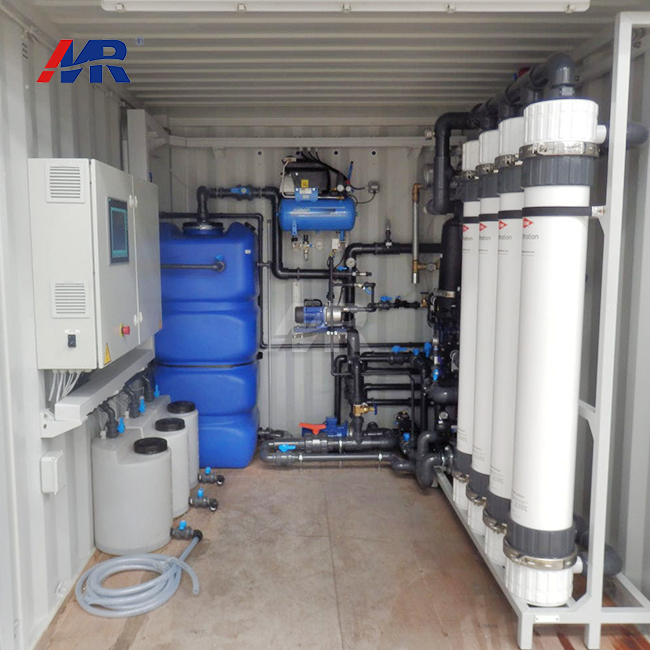 VIEW MOREcontainerized ultrafiltration equipment
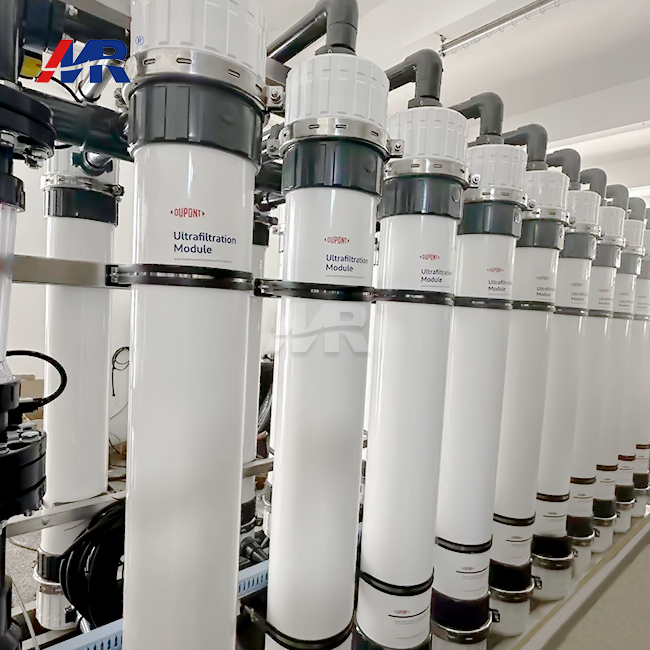 VIEW MOREultrafiltration water treatment system
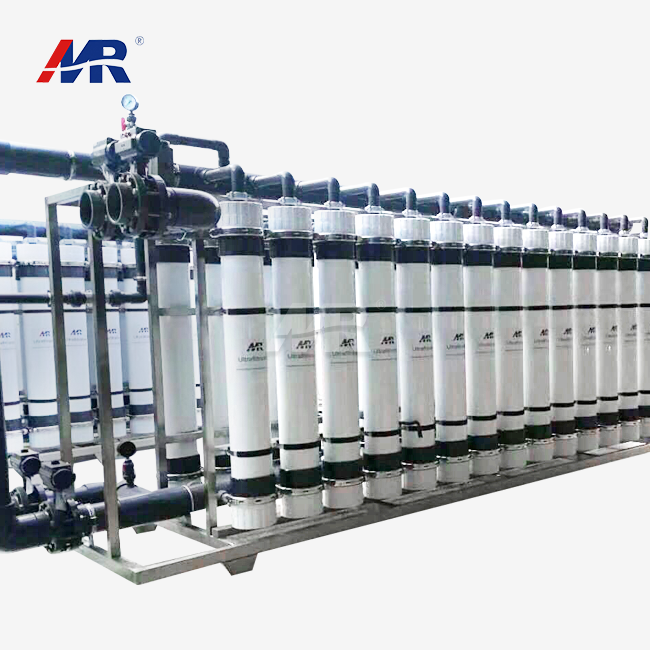 VIEW MOREUltrafiltration Systems
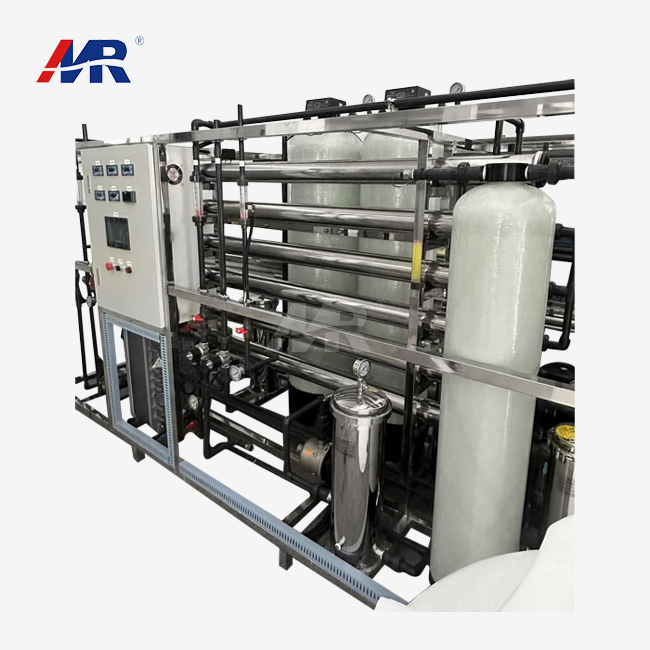 VIEW MOREelectrodeionization edi system
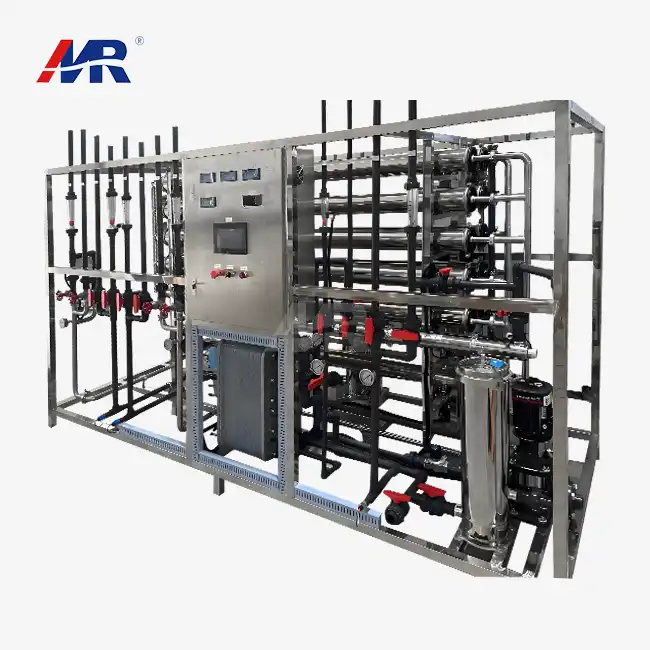 VIEW MORE2000 liters/hour EDI system
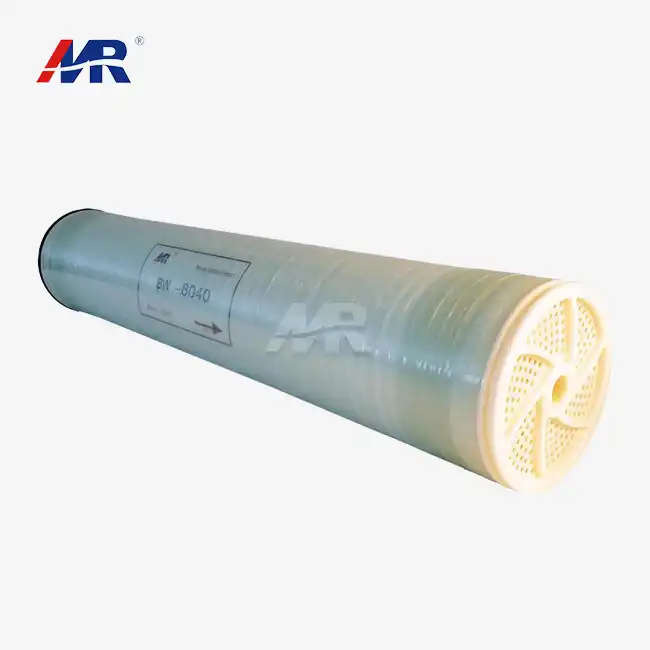 VIEW MORE80 40 ro membrane
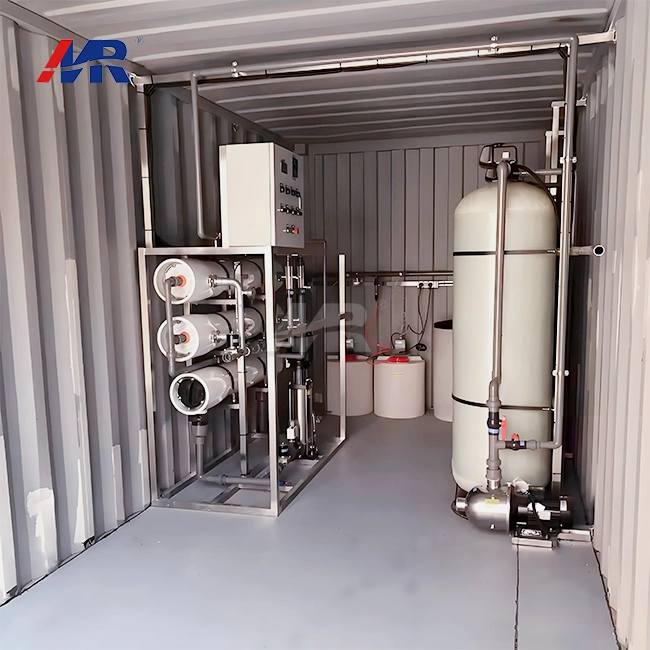 VIEW MOREcontainerized water treatment systems
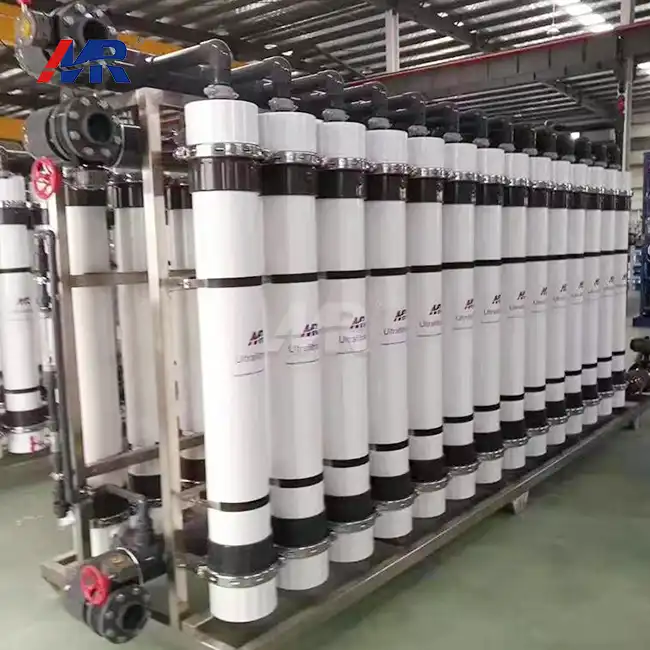 VIEW MORE70m3/hour ultrafiltration plant
