

_1745823981883.webp)

Environmental Impact of Containerized Seawater Desalination: What You Need to Know
Containerized reverse osmosis systems are changing the way seawater is desalinated by providing a small, efficient way to get fresh water. As the need for clean water around the world keeps growing, these modular systems offer a flexible way to turn seawater into drinking water. But like any industrial operation, containerized saltwater desalination has effects on the environment that need to be thought about carefully. This article looks at the main effects these systems have on the environment, weighing their pros and cons against possible ecological issues. Decision-makers can make smart choices about putting containerized RO plants in areas where water is scarce while leaving the smallest environmental footprints if they know these things.

Environmental Advantages of Containerized Seawater Desalination
Compared to traditional large-scale desalination plants, containerized desalination has a number of environmental benefits:
Less need for land and infrastructure
One of the best things about containerized reverse osmosis systems for the environment is that they take up very little space on land. These little machines may be set up in a lot less space than traditional desalination plants. This smaller footprint helps protect coastal ecosystems and reduces habitat destruction during development and operation.
Also, because container water treatment systems are modular, they may typically use existing infrastructure, which further lowers the environmental effects of new construction. Their ability to move around also lets them be placed in strategic locations to improve energy efficiency and cut down on the number of pipelines needed.
Less energy use
Newer containerized RO plants use energy recovery devices and high-efficiency membranes, which means they use less energy overall than prior desalination methods. When fueled by regular energy sources, this better energy efficiency means less greenhouse gas emissions.
Also, containerized systems are scalable, which means that they can match their capacity to the amount of water needed, which saves energy by not having plants that are too big. Some containerized desalination machines can even use renewable energy sources like wind or solar electricity, which makes their carbon footprint even less.
Deployment and scalability that are flexible
Containerized saltwater desalination systems can be moved around easily, which is good for the environment because they may be used in different places. These units may be set up rapidly in places where there is a severe lack of water, which cuts down on the need to transport water over long distances and the environmental damage that comes with it.
Their scalability also lets them gradually raise their capacity as needed, instead of building plants that are too big and may not work well when demand is low. This flexibility helps make the best use of resources and reduce negative effects on the environment over time.
Potential Environmental Concerns and Mitigation Strategies
Containerized desalination systems have a lot of environmental benefits, however there are still some possible ecological problems that need to be fixed:
Managing the discharge of brine
Containerized reverse osmosis systems, like all desalination processes, make a concentrated brine discharge. If not handled correctly, this effluent with a lot of salt could affect marine habitats. But there are a number of ways to lessen these effects:
- Dilution: Mixing brine with other types of wastewater or ocean before letting it go
- Diffusion: Using multi-port diffusers to spread brine over a bigger area
- No Liquid Discharge (ZLD): Advanced treatment to get key minerals back and cut down on liquid waste
- Beneficial reuse: Using brine to make salt or for industrial processes
Choosing the right site and doing environmental impact assessments are very important for figuring out the best way to handle brine at each location.
Marine Life Entrainment
Seawater intake systems can hurt marine life by either entrainment or impingement. Containerized desalination facilities can use the following to reduce these effects:
- Intakes with screens: Fine mesh screens that keep bigger creatures from getting in
- Subsurface intakes: Taking water from below the seafloor to lessen the effects on species that live on the surface
- Low-velocity intakes: Lowering the suction force so that moving creatures can get away
- Seasonal scheduling means changing how things work so that they don't happen at times when there are a lot of larvae.
To conserve local marine biodiversity, it is important to keep an eye on and adaptively control input systems.
Using and getting rid of chemicals
Containerized RO plants employ different chemicals to clean the membranes, treat the water before it goes through the membranes, and after it goes through the membranes. These chemicals are necessary for the system to work, but they need to be handled and thrown away carefully so they don't harm the environment.
Some of the best ways to do things are:
- When you can, use chemicals that are good for the environment.
- Using closed-loop systems to recover and reuse chemicals
- Rules for storing and managing things correctly to avoid spillage
- Cleaning up and neutralizing chemical waste before throwing it away
Ongoing research into alternate treatment methods, like UV disinfection or electrochemical procedures, may help containerized desalination systems use fewer chemicals in the future.
Long-term Environmental Considerations
As containerized seawater desalination technology is getting better, there are a few long-term environmental factors that need to be thought about:
Assessment of the Life Cycle
In order to fully comprehend how containerized RO plants affect the environment, you need to look at their whole life cycle, from when they are made and shipped to when they are used and finally taken out of service. Life cycle assessments can assist find ways to make the system more sustainable across its whole life.
Important areas to improve are:
- Building containers with materials that are recyclable or good for the environment
- Increasing the lifespan of membranes to cut down on the need for replacements
- Designing so that parts can be easily taken apart and reused at the end of their lives
- Making logistics better to cut down on emissions from transportation
Combining with renewable energy
Containerized desalination systems are easy to connect to renewable energy sources because they are modular. As renewable technologies get better and cheaper, the environmental impact of these water treatment systems can get even better.
Some such synergies are:
- RO plants that are fueled by solar energy and are in containers for distant coastal areas
- Hybrid systems that use wind to desalinate water for use on islands or offshore
- Combining with wave or tidal energy technology in the right places
- Using extra renewable energy to desalinate water when demand is low
Management and Monitoring that Changes
Ongoing monitoring and adaptive management are needed for containerized saltwater desalination to be environmentally sustainable in the long term. This method lets things get better all the time and lets you quickly deal with any unexpected effects on the surroundings.
Some important parts of adaptive management are:
- Regularly checking the environment at intake and outflow points in marine ecosystems
- Regularly reviewing and changing operating procedures based on data from monitoring
- Working together with local research institutions and environmental agencies
- Being open about how you report on environmental performance metrics
Operators of containerized desalination systems may make sure that their systems will work well with local ecosystems for a long time by putting in place strong monitoring methods.
Frequently Asked Questions
1. How do containerized reverse osmosis systems use less energy than regular desalination plants?
Containerized RO systems are usually more energy efficient since they are small, use modern energy recovery technologies, and can closely match capacity to demand. Newer containerized plants use 3 to 4 kWh of electricity for every cubic meter of water they make. Older, larger plants need 4 to 6 kWh of electricity for every cubic meter of water they make. But how well it works relies on things like the quality of the water, the architecture of the system, and how it is used.
2. Is it possible for containerized desalination facilities to run on only renewable energy?
Yes, it is possible to run containerized desalination plants completely on renewable energy, especially in places where there is a lot of sun or wind. But this typically means using energy storage systems or hybrid systems to make sure that everything works all the time. Because containerized systems are modular, they work well with renewable energy sources. Several pilot projects have shown that desalination can be done with 100% renewable energy.
3. What are the biggest problems with managing the brine that containerized RO systems let out?
The main problems with managing brine are: 1) Reducing the effects on marine ecosystems caused by higher salinity and changes in chemical composition 2) Making sure that the brine plume is well-diluted and spread out 3) Keeping an eye on the chemicals that might build up during the desalination process 4) Finding a way to get rid of things that is cheap and good for the environment Some ways to deal with these problems are better diffuser designs, combining with other wastewater streams, finding useful ways to utilize brine, and in some circumstances, technologies that don't let any liquid out.
Containerized Seawater Desalination Systems: Sustainable Solutions for Water Scarcity | Morui
Are you having trouble getting enough water in your area or field? Guangdong Morui Environmental Technology Co., Ltd. sells the most advanced containerized reverse osmosis systems that are meant to give long-lasting, effective ways to desalinate seawater. We can help you set up an environmentally friendly water treatment system that meets your demands.
We make sure that our containerized RO plants fit right in with your operations by offering a full variety of services, including as supplying equipment, installing it, commissioning it, and providing after-sales support. You can trust Morui to provide reliable, eco-friendly water solutions since we are committed to innovation and taking care of the environment.
Don't let a lack of water hold you back. Email us at benson@guangdongmorui.com today to find out how our containerized seawater desalination systems can meet your water needs while having the least effect on the environment. We can make the future safer and more sustainable for water together.
References
1. Jones, E., et al. (2019). "The state of desalination and brine production: A global perspective." Science of The Total Environment, 657, 1343–1356.
2. Gude, V.G. (2016). "Desalination and sustainability – An evaluation and contemporary viewpoint." Water Research, 89, 87–106.
3. Elimelech, M., & Phillip, W.A. (2011). "The future of desalinating seawater: energy, technology, and the environment." Science, 333(6043), 712–717.
4. Lattemann, S., & Höpner, T. (2008). "Effects on the environment and evaluation of seawater desalination." Desalination, 220(1–3), 1–15.
5. Shahzad, M.W., et al. (2017). "An experimental study on the MEDAD hybrid desalination cycle." Applied Energy, 204, 356–367.
6. Ghaffour, N., et al. (2013). "Technical review and assessment of the economics of water desalination: Present and forthcoming challenges for enhanced water supply sustainability." Desalination, 309, 197–207.
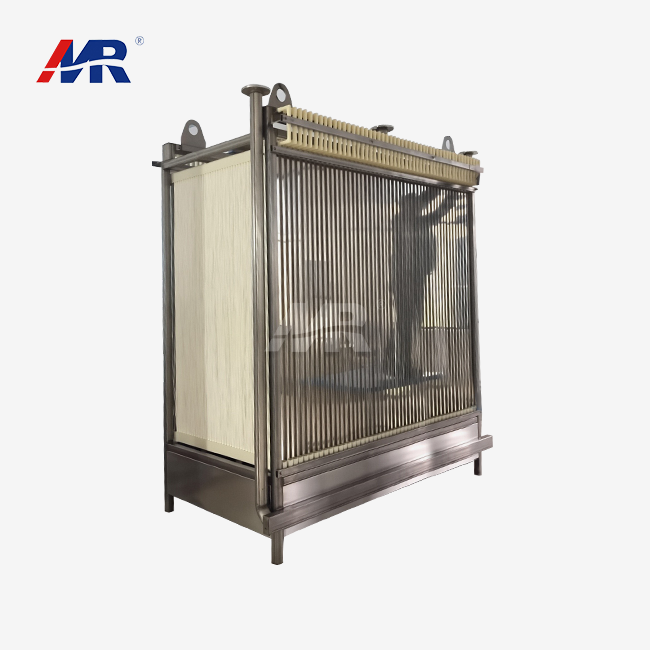 VIEW MOREsubmerged membrane bioreactor
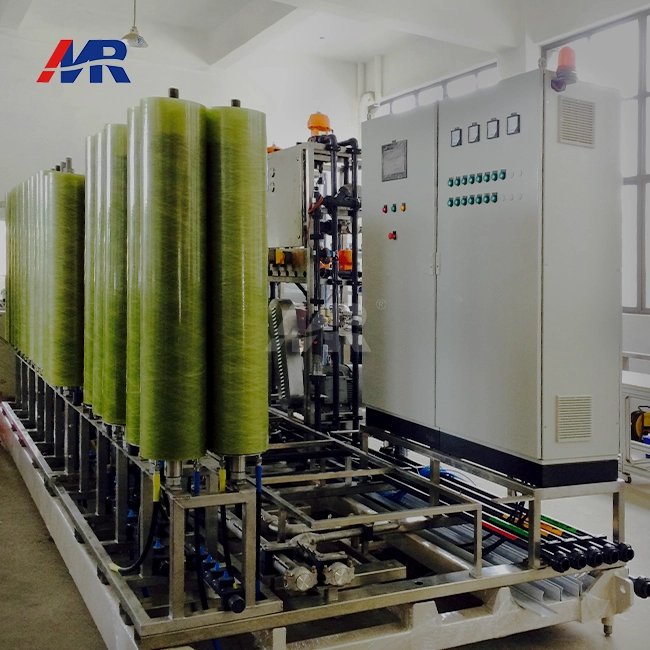 VIEW MOREDTRO Elements
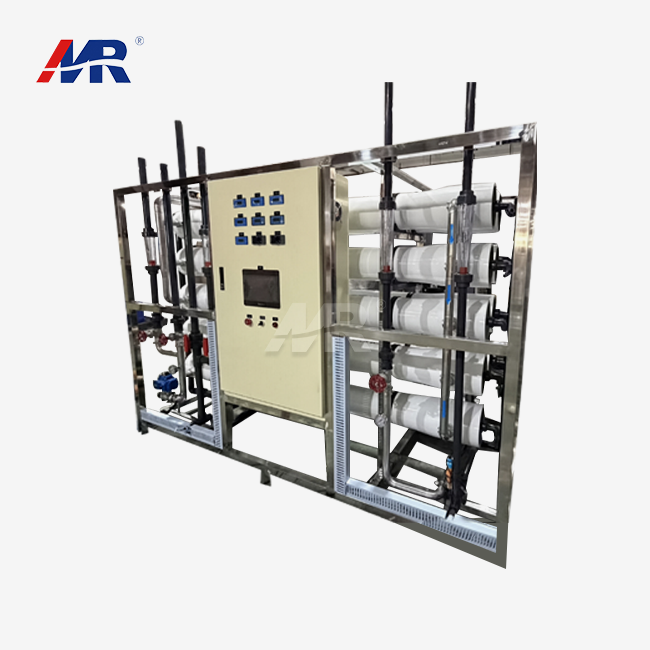 VIEW MORE8 stage reverse osmosis system
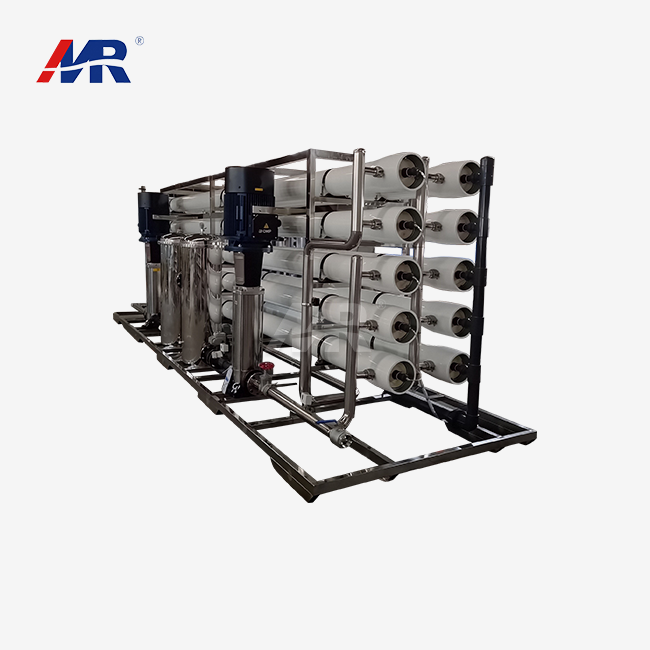 VIEW MORE2 stage reverse osmosis system
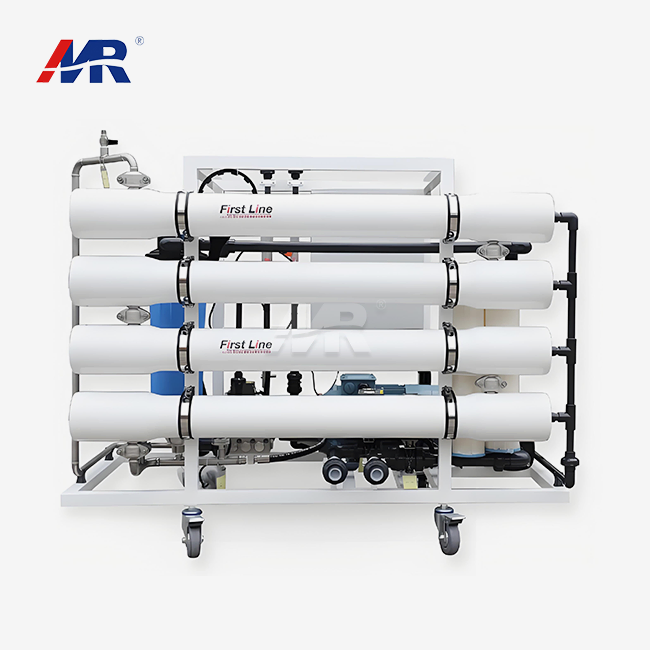 VIEW MOREseawater desalination system
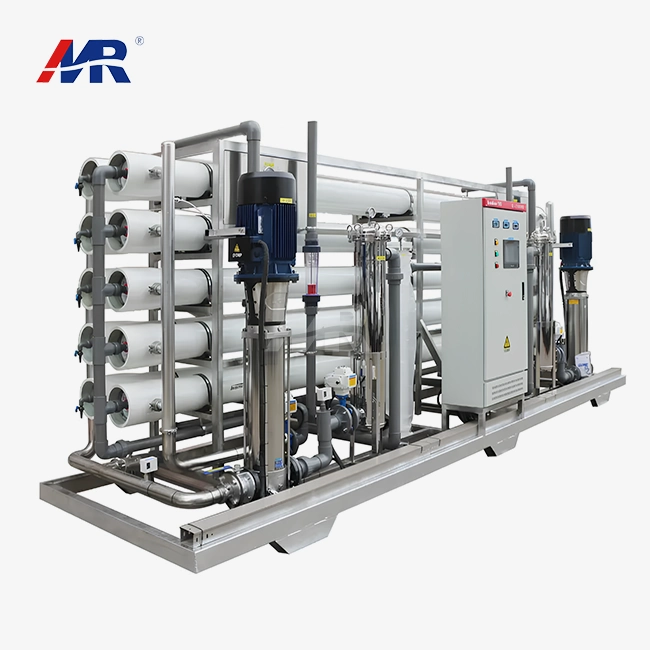 VIEW MOREreverse osmosis water purification plant
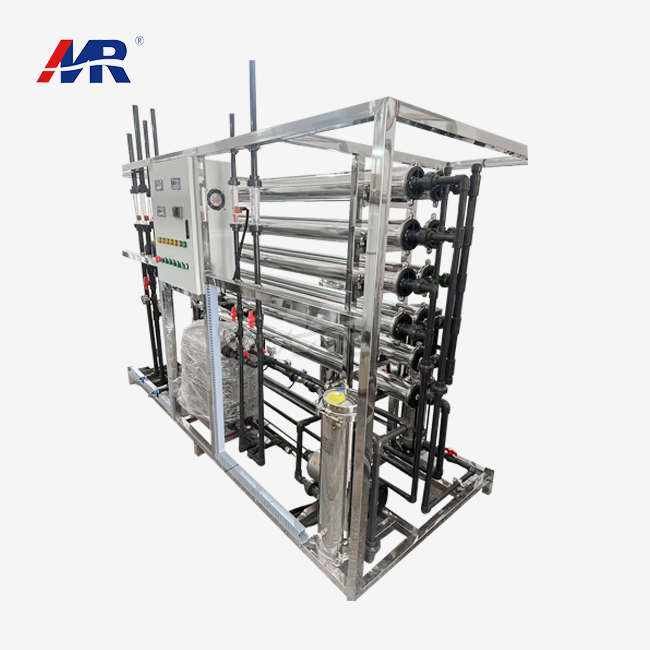 VIEW MOREedi system in water treatment
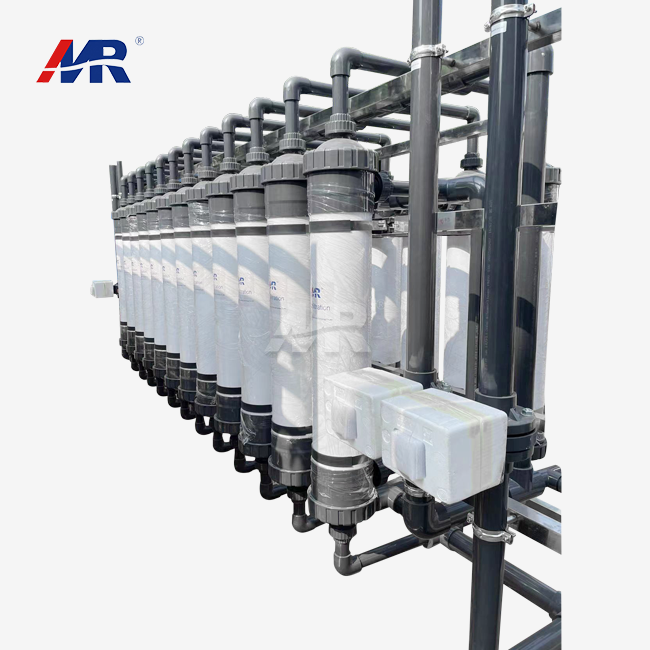 VIEW MOREindustrial ultrafiltration systems
