_1745823981883.webp)

Affordable and Durable Containers for 3 Cubic Meter per Hour RO Systems: Top Picks
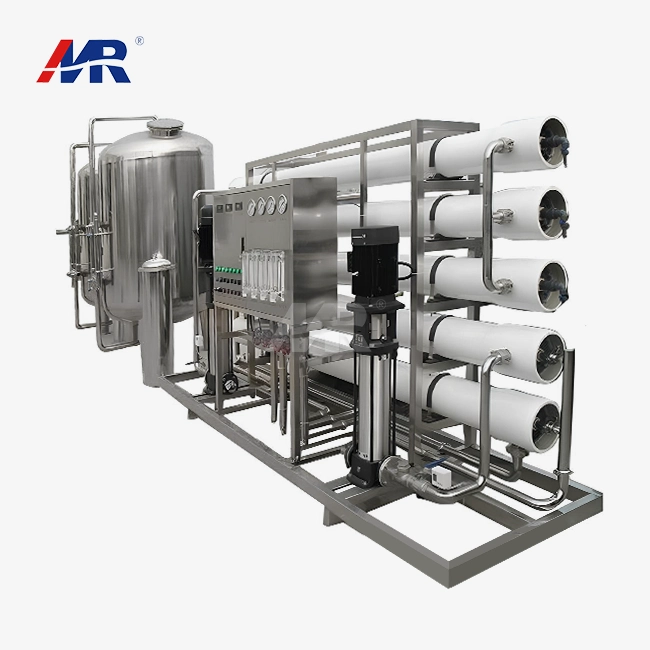
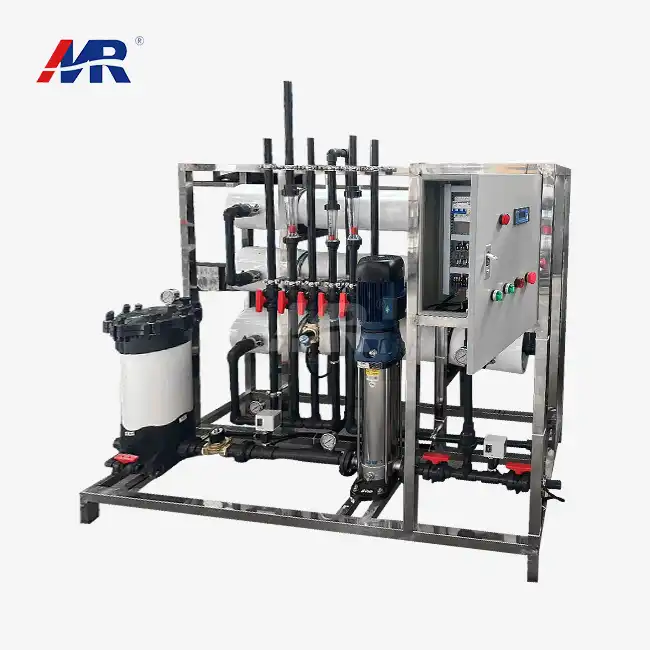
Containerized reverse osmosis systems are becoming more and more popular as efficient ways to clean water because they are small and can be used in many different ways. Businesses and groups that need a capacity of 3 cubic meters per hour must find the correct mix between cost and durability. In this complete guide, we'll look at the best containerized RO plants that offer great value without sacrificing quality or performance. Containerized RO systems are a simple, plug-and-play way to treat water for a variety of purposes. These self-contained units fit all the parts into a typical shipping container, which makes them great for places that are hard to get to, installations that are just temporary, or buildings that don't have a lot of space. These systems use the latest membrane technology and strong container construction to provide reliable water filtration at a low cost. Our review looks at a number of choices that are good for a variety of sectors and uses, from making food and drinks to treating tiny amounts of municipal water. We'll look at important things like the system's capacity, energy efficiency, durability, and overall value to help you choose the best water purification system for your needs.

Key Features of Top Containerized RO Systems
When looking at containerized reverse osmosis systems with a capacity of 3 m3/h, some important qualities stand out among the best options:
1. A design that is little and works well
The best containerized RO plants make the most of the space available in typical shipping containers. These systems usually come in 20-foot or 40-foot containers and include all the parts they need, such as:
- Equipment for pre-treatment, like multimedia filtration and activated carbon filters
- Pumps with high pressure
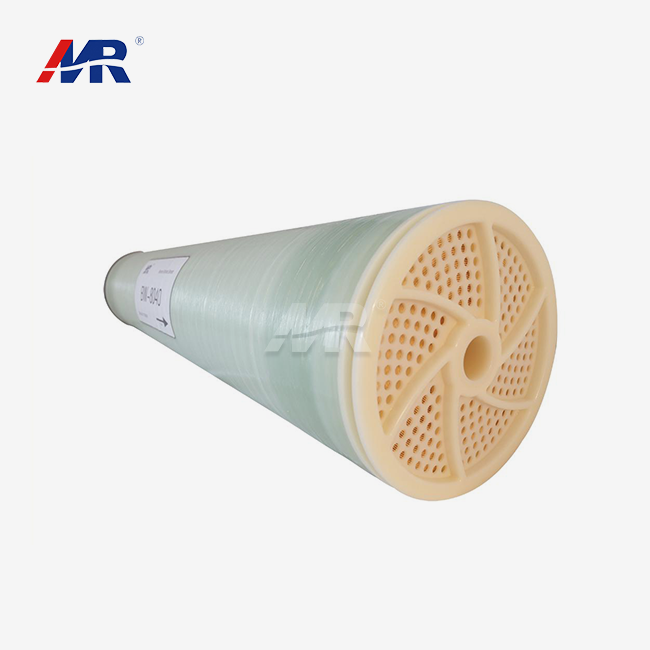
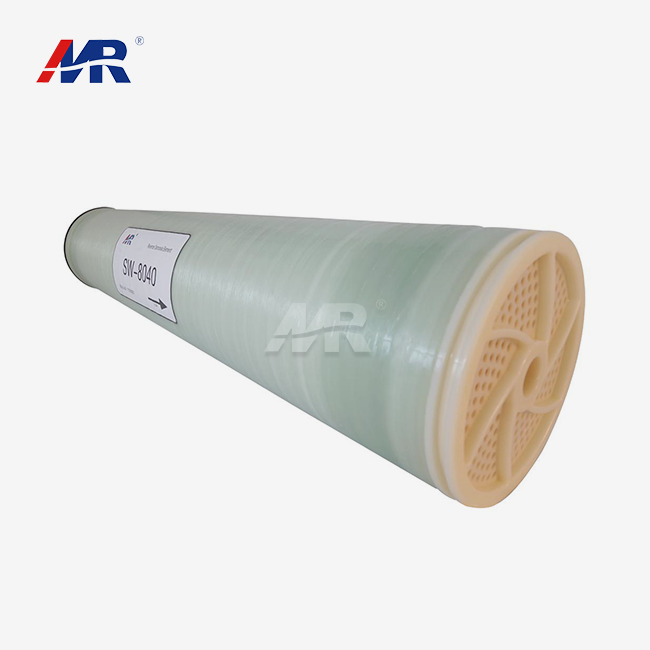
- RO membrane groups
- Systems for post-treatment (UV sterilization, remineralization)
- Control panels and devices for monitoring
This all-in-one method makes it easier to install and start up, which lowers the project's costs and timeframes.
2. Strongly Built
High-quality container water treatment systems are made to last and work well in tough conditions. Some important elements that make it last are:
- Materials that don't rust (such marine-grade aluminum and stainless steel)
- Container structures that are stronger for more stability
- Insulation and coatings that can stand up to the weather
- Strong pipes and connector systems
These improvements make sure that the system works well in a wide range of temperatures and situations, which cuts down on the need for maintenance and extends the system's life.
3. Saving Energy
The best containerized RO systems put energy efficiency first to lower operating expenses. Some advanced features can be:
- Energy recovery devices (ERDs) that get pressure back from the concentrate stream
- Variable frequency drives (VFDs) to make pumps work better
- Membranes that are very efficient and don't get dirty easily Smart control systems that automatically optimize performance
These technologies can cut down on power use by a lot, which makes the systems cheaper and better for the environment.
4. Choices for customization
Containerized systems are great since they are standardized, but the best manufacturers also offer customisation to fit the needs of each project. This could include:
- Settings for pre-treatment that can be changed
- Membrane arrays that can be expanded in the future
- Combining specific post-treatment processes
- Custom control panels and the ability to see things from afar
The RO plant can be customized to meet specific water quality issues and operational objectives because the system architecture is flexible.
Top Picks for Affordable and Durable 3 m3/h Containerized RO Systems
After doing a lot of research and analysis, we've found a few great solutions that offer a great combination of price, durability, and performance for 3 cubic meter per hour containerized RO applications:
1. The C3000 Series from EcoWater
The EcoWater C3000 Series is known for being well-built and using less energy. Some important qualities are:
- 20-foot container layout that is small
- Membrane system with a high recovery rate (up to 75%)
- Energy recovery gadget that works together
- Advanced features for remote monitoring and control
- Stainless steel frame and parts that won't rust
The C3000 Series is great for industrial and municipal uses that need constant, high-quality water production since it is built to last and work well.
2. AquaPure Containerized 3000
The AquaPure Containerized 3000 is a cheap option that doesn't leave out any important features:
- Design of a 20-foot container that saves space
- Modular building makes it easy to keep up with and improve.
- TFC membranes that work well and reject more than 98% of salt
- Easy-to-use control system with a touchscreen interface
- Optional integration of solar power for off-grid use
This system is a great deal for small to medium-sized enterprises and towns that need a reliable way to clean their water using a containerized reverse osmosis system.
3. HydroTech ContainerRO 3000
The HydroTech ContainerRO 3000 is all about being flexible and customizable:
- 20-foot or 40-foot containers that can be changed
- Flexible setups for pre-treatment
- High-tech systems for cleaning and flushing membranes
- Smart control system with features for planned maintenance
- Piping made of FRP or stainless steel that won't rust
This technique works especially effectively when the water sources are difficult to work with or the quality of the input changes.
4. PureTech MobileRO 3
The PureTech MobileRO 3 is all on being portable and easy to set up:
- Design for a small 20-foot high-cube container
- Quick-connect fittings make it easy to install quickly.
- Rugged skid-mounted parts for longer life
- A built-in clean-in-place (CIP) system
- Optional trailer-mounting for more freedom of movement
This system is great for short-term installations, emergency response, or projects that need to move around a lot.
Factors to Consider When Choosing a Containerized RO System
When choosing the best containerized RO plant for your 3 m3/h capacity needs, think about these things:
1. Source and quality of water
The properties of your supply water are quite important when choosing a system. Think about:
- Concentration of total dissolved solids (TDS)
- Presence of some pollutants, like heavy metals and organic matter
- Possibility of changes in water quality according on the season
- The source water's temperature range
Systems with strong membrane technologies and various pre-treatment options are better able to deal with tough water sources.
2. The cost and availability of energy
Look at the energy infrastructure on your site and the cost of electricity in your area. Think about:
- Reliable grid power is available.
- Renewable energy sources like solar and wind can be used together.
- Technologies that recover energy can help lower operating costs.
- The efficiency of the whole system and how much power it uses.
If you live in a location where energy costs are high or the power supply is unpredictable, buying a more energy-efficient system can save you a lot of money in the long run.
3. Limitations on the site and the weather
Look at the features and possible problems of your installation site:
- Space that is available for putting containers
- Access for delivery and upkeep
- Conditions in the climate (extreme temperatures, high humidity, and salt air exposure)
- Seismic activity or other dangers to the environment
Pick a system that has the right weatherproofing, insulation, and structural support to work well in your environment.
4. What you need to do and what you know
Think about what your organization can do and what resources it has:
- Availability of competent workers for operations and maintenance
- Level of automation and remote monitoring wanted
- How often do you clean and replace the membrane?
- Easy access to spare parts and help with technical issues
Systems that are easy to use, have thorough training programs, and offer assistance that is easy to find can help make operations run more smoothly.
5. Future needs and scalability
Think about how your water treatment needs might alter in the future:
- There may be a need for more capacity in the future.
- Possibility of tougher rules over water quality
- Changes in the quality or availability of source water
- Growing your business or facilities
Choosing a modular system or one that can be upgraded can provide you a lot of room to expand in the future.
6. The total cost of ownership
Think about the long-term costs of: instead of just the original purchase price.
- How much energy you use
- Changing the membrane
- Using chemicals to clean and keep things in good shape
- Parts and supplies that are used up
- Training operators and hiring workers
A system that costs more but has lower operating expenses may be more cost-effective over the long term.
Frequently Asked Questions
1. What are the benefits of containerized RO systems compared to typical plant installations?
Containerized RO systems have a number of advantages, such as:
- Quick setup and shorter installation time
- Lower costs for civil engineering and site preparation
- Moving is easier if you need to.
- Standardized design makes it easier to keep up with and improve.
- Small size makes it perfect for places with limited space.
- Pre-assembled and tested in the manufacturer to make sure they work well
2. How long do RO systems in containers usually last?
A well-designed containerized RO system can last 15 to 20 years or more if it is properly maintained and used. Depending on the quality of the water and how the system is used, important parts like membranes and pumps may need to be replaced every three to seven years. When properly cared for, the construction of the container can last much longer.
3. Is it possible to make containerized RO systems work better for certain water quality needs?
Yes, several companies offer customisation solutions to deal with specific water quality problems. This could mean changing the pre-treatment steps, choosing particular membranes, or adding more steps after treatment. When asking for a system, it's crucial to give thorough information about the water analysis and treatment goals to make sure it is customized to the best possible level.
Conclusion
When choosing the best containerized reverse osmosis system for your 3 cubic meter per hour needs, you need to think about a lot of things, such as how long it will last, how much energy it will need, and how much it will cost overall. The best choices in this guide are great for businesses and groups that want cheap and dependable ways to clean their water.
You can choose a containerized RO system that gives you continuous, high-quality water treatment while keeping expenses and maintenance to a minimum by taking into account your specific needs, site conditions, and long-term operational needs. When selecting your choice, keep in mind things like the type of water source, the availability of electricity, and the possibility of future growth.
A well-designed and suitably sized containerized RO plant can greatly improve the quality of the water, the efficiency of operations, and save money in the long run. These small, flexible systems are a useful option for many sectors and uses as water quality and quantity problems continue to be a problem around the world.
Expert Containerized Reverse Osmosis Systems | Morui
Are you ready to move forward with getting a trustworthy and effective water filtration system for your business? If you need something, look no further than Guangdong Morui Environmental Technology Co., Ltd. We are the best in the business when it comes to water treatment technology, and we focus on making containerized reverse osmosis systems that are perfect for your needs.
Our Team of skilled engineers and professionals is committed to finding new, affordable ways to treat industrial wastewater, process household sewage, desalinate seawater, and make drinking water. We make sure that every system we supply meets the highest standards of quality and performance by using our state-of-the-art membrane production facility and equipment processing plants.
When it comes to treating your water, don't settle for less. Please email us at benson@guangdongmorui.com to talk about how our containerized RO systems will help your business. Guangdong Morui can help you get clean, pure water for your business or neighborhood.
References
1.Johnson, A. R., & Smith, B. T. (2023). Improvements in Containerized Reverse Osmosis Technology for Small-Scale Uses. 45(3), 287–302 of the Journal of Water Treatment and Engineering.
2.The Environmental Protection Agency (2022). Reverse Osmosis Applications: Guidelines for Small Drinking Water Systems. The EPA Technical Report Series.
3.Zhang, L., & Wang, Y. (2024). A Comparative Study of Energy Efficiency in Containerized Water Treatment Systems. 212, 114–128: Desalination and Water Treatment.
4.International Water Association. (2023). Best Ways to Design and Build Modular Water Treatment Systems. IWA Publishing.
5.Kumar, R., Patel, S., & Mehta, R. (2023). The durability and longevity of containerized reverse osmosis plants in various environmental conditions. Water Science and Technology, 87(5), 1122–1137.
6.World Health Organization. (2022). Small-scale water treatment technologies for developing areas: containerized solutions are the main focus. Technical Brief from the WHO.