_1745823981883.webp)

Comparing Reverse Osmosis to Other Water Purification Methods: Pros and Cons
One of the best and most common ways to clean water is through reverse osmosis (RO). The water that comes out of a reverse osmosis water purification plant is clean and safe for many uses. It can get rid of up to 99% of contaminants. What makes RO better than other ways of purification? This will help you choose the best option for your needs. This in-depth guide will look at the good and bad points of reverse osmosis and other technologies used to treat water, so you can choose the best way to clean your water.

Backward osmosis is the best way to clean water
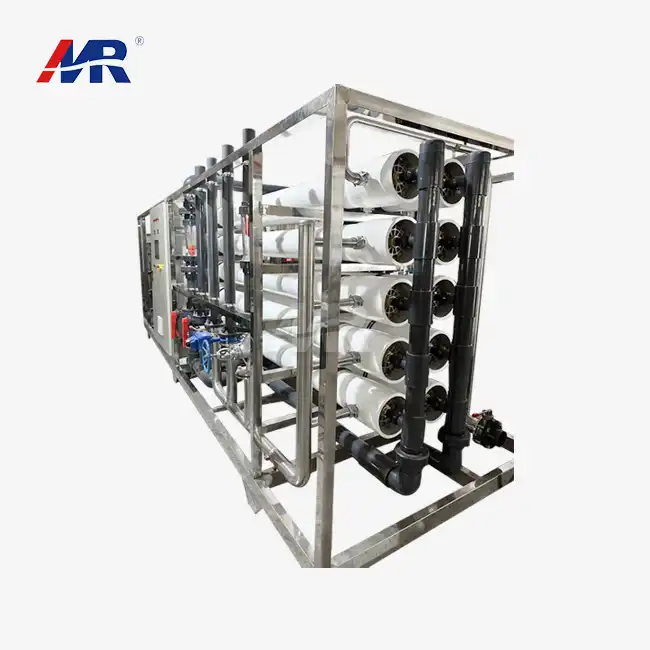
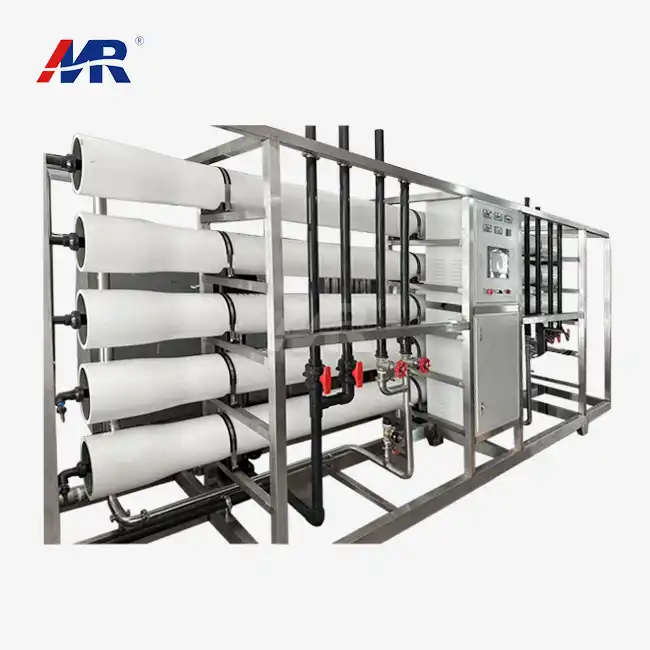
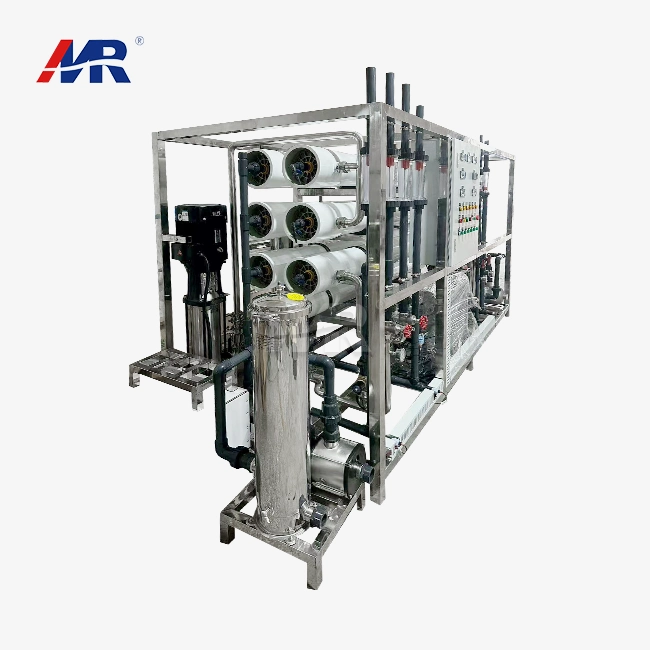
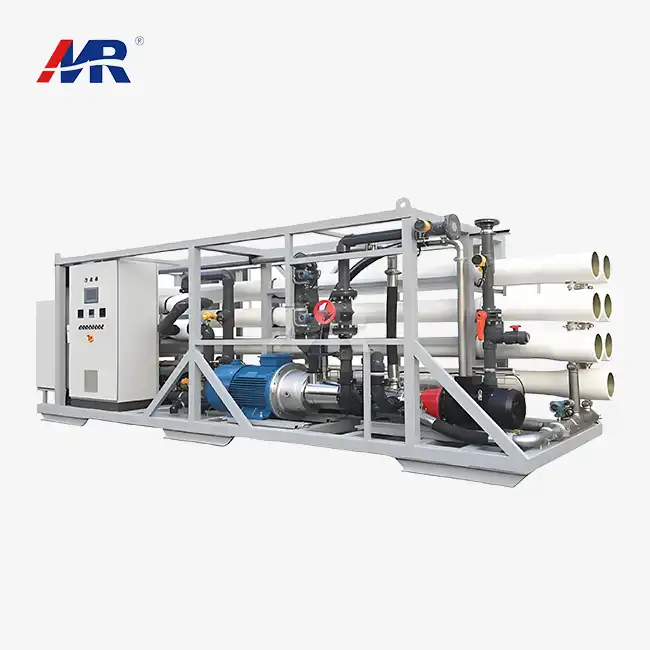
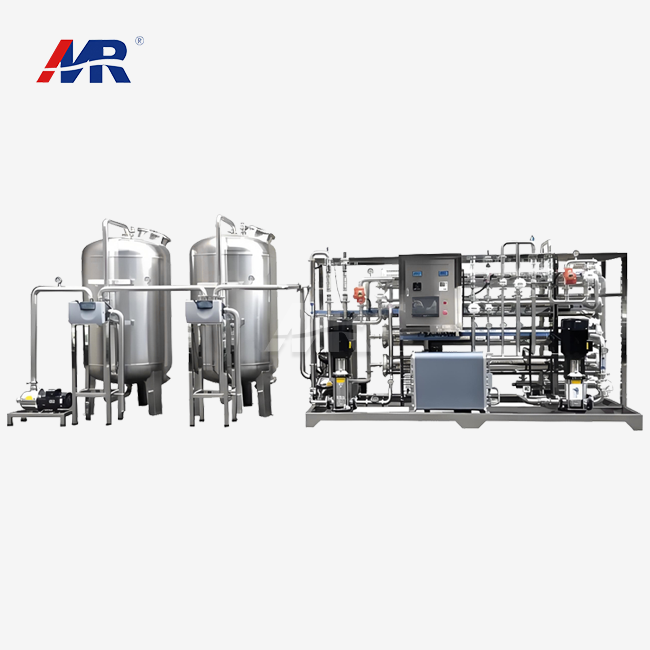
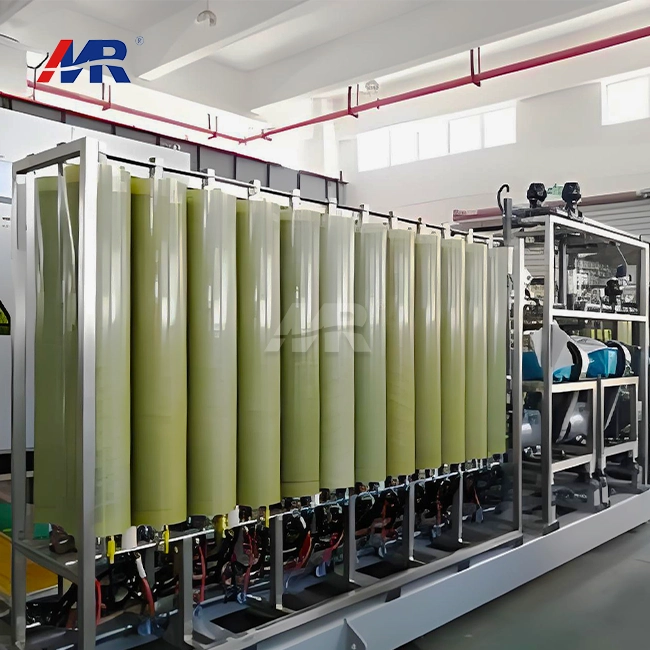
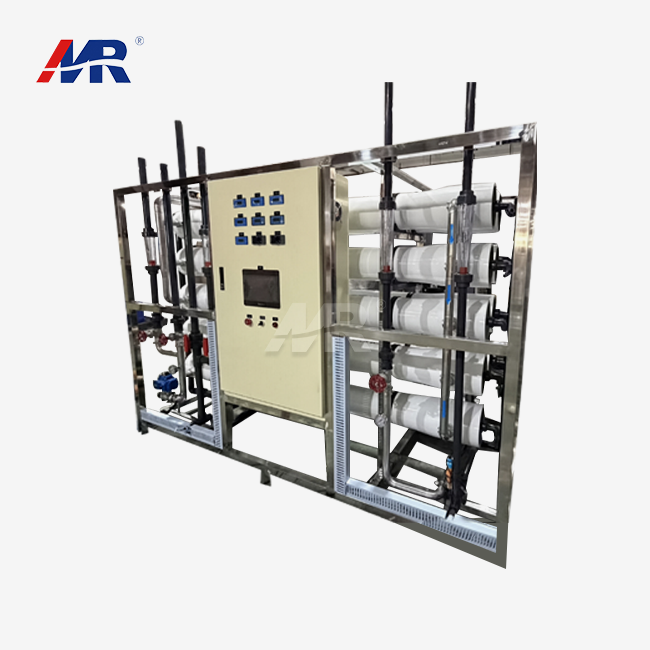
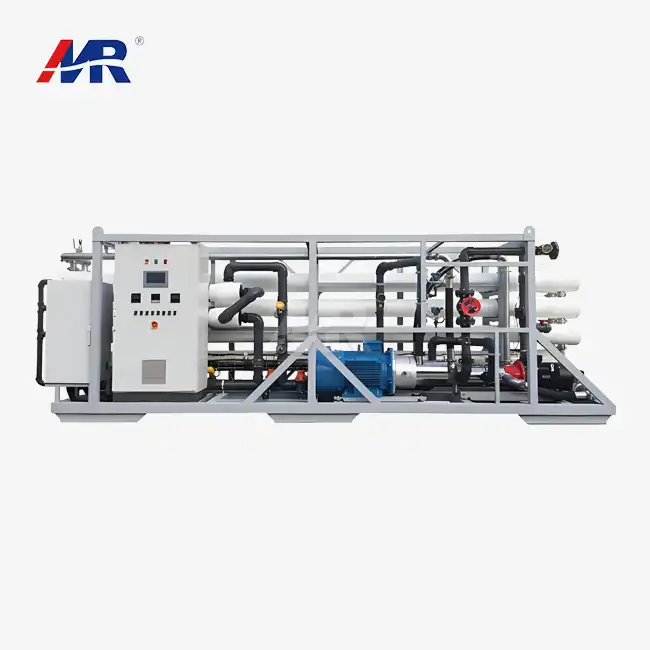
During the process of reverse osmosis, water molecules are forced across a membrane that allows certain substances to pass through but does not allow others to do so. The removal of pollutants, toxins, and solids that have been dissolved is accomplished by this process. Following the completion of the treatment process in a reverse osmosis water purification plant, the water is subjected to a procedure known as post-treatment, which consists of membrane filtration and pre-filtration.
These good things about reverse osmosis:
- Really good at getting rid of bacteria, viruses, chemicals, dissolved solids, and a lot of other bad stuff.
- Always makes water that is good for you.
- Good for a lot of things, from drinking water to industrial processes.
- It doesn't need as much maintenance as some other ways of cleaning.
- The system is easy to add to because it is made up of separate parts.
A look at how the different ways to clean water stack up
Reverse osmosis is a great way to clean water, but there may be better ways to do it for some uses or when the water quality isn't good enough. Let's check out some other technologies and see how they compare to RO:
Activated carbon filtering
The removal of undesirable odors and tastes, as well as chlorine and organic chemicals, is accomplished by activated carbon filters through the process of adsorption.
Advantages:
- It works to remove chlorine and volatile organic compounds (VOCs) from water and improve its taste and smell.
- Not too expensive and not too much work to do.
- It doesn't need electricity to work.
Disadvantages:
- Not good at getting rid of heavy metals, nitrates, and other inorganic pollutants that are dissolved in water.
- The media in a filter doesn't last long and needs to be changed often.
- It could grow germs if not taken care of properly.
Reverse osmosis water purification plants are superior to other types of water purification facilities when it comes to eliminating a wide variety of impurities, particularly dissolved solids and bacteria. Activated carbon is an excellent tool for improving the flavor of water and removing some pollutants from the water.
UV light's ability to kill germs
During the process of UV disinfection, microorganisms such as bacteria, viruses, and protozoa are eliminated by the use of ultraviolet radiation.
Advantages:
- Very good at killing microorganisms or making them work less well.
- These compounds are not required.
- Running it doesn't cost too much.
Disadvantages:
- It doesn't get rid of dissolved solids or chemical threats.
- To work best, it needs pre-filtration.
- It may not work as well if it is cloudy or has dissolved organic matter in it.
In contrast to reverse osmosis, ultraviolet (UV) disinfection is effective when combined with other filtration techniques; nonetheless, it is not capable of eliminating all contaminants to the same extent that an RO plant is. As an additional layer of defense against germs, it is frequently utilized in conjunction with RO systems.
The Flow of Ions
Ion exchange systems use resin beads to move ions around. This gets rid of hardness minerals and some contaminants that have been dissolved.
Advantages:
- Very good at getting rid of minerals that make things hard, like magnesium and calcium
- Can get rid of some ionic contaminants that have been dissolved
- It can be used for a long time because it can grow back.
Disadvantages:
- Not very good at getting rid of contaminants that aren't ionic
- needs to be regenerated often with salt
- Could add more sodium to treated water
An additional variety of water purification plant, which is referred to as an ion exchange water purification plant, is able to eliminate a larger quantity of contaminants than the first type of water purification plant. In the process of a system that filters water from the inside out, it is typically the first stage that is performed.
How to choose the best way to clean something?
Some considerations to keep in mind can assist you in selecting the most suitable hardware for water purification.
- How good is the water from
- Do you need this kind of water?
- Things that the user requires, like water for drinking or industrial processes
- How much space and facilities are there?
- Plans with due dates
- Why you should follow the rules
An RO plant is the only way to get clean water that is both safe and reliable. Also, this is very important when you need water that is very pure and doesn't have any other substances in it. Most of the time, though, you should use more than one way to clean water better. It cleans the water the best by taking the best parts of each.
Best-fitting answers that get the job done
The Guangdong Morui Environmental Technology Co., Ltd. is aware that each and every water cleanup job is specific to its own circumstances. Our highly trained engineers are able to assist you in achieving your water quality objectives promptly and at the lowest possible cost. Additionally, alternative technologies that are compatible with reverse osmosis water purification plants could be utilized in order to accomplish this goal.
Due to the fact that they are both adaptable and scalable, our reverse osmosis water treatment plants are simple to incorporate into systems that perform either pre-treatment or post-treatment. To meet your needs, you require extremely clean water, water from the city that is safe to drink, or water that is used in factories to manufacture pharmaceuticals. We are aware of what to do and possess the appropriate instruments.
FAQ
1. What other ways are there to clean that use less power than reverse osmosis?
You need more power to clean water with reverse osmosis than with activated carbon or UV light because water has to be pushed through a membrane. RO systems use less electricity now than they did in the past, though. There are different types of water purification plants that need different amounts of power depending on their size, what kind of water they clean, and how fast they clean it. When you think about how well they clean water, RO systems work pretty well. They only use 3 to 6 kWh/m³ of water.
2. Is it possible for reverse osmosis to clean water of all its bad things?
What you see in the video shows that reverse osmosis is very good at getting rid of bacteria, viruses, dissolved solids, and other bad things. It might not get rid of everything, though. ro membranes can let VOCs and gases through. A lot of plants that use reverse osmosis also use activated carbon filtration or UV disinfection to make sure the water is always clean.
3. What is the best frequency for changing the membranes in reverse osmosis?
In simple terms, how long does a reverse osmosis membrane last? How well it is used, what kind of water goes into it, and how well it is taken care of all play a role. If you take good care of your RO membranes, they should last between 2 and 5 years in commercial and industrial RO water purification plants. Every so often, the membranes need to be changed. To do this, you should check the system often and see things like how good the permeate is and how much pressure is different across the membranes.
Plants that clean water with reverse osmosis that work well | Morui
Are you ready to learn more about how a private reverse osmosis water system can help your company? Guangdong Morui Environmental Technology Co., Ltd. can help you clean your water with cutting-edge technology. We can help you quickly and cheaply get the best water quality, whether you need to clean up factory wastewater, remove salt from seawater, or make drinking water.
Reverse osmosis water purification plants from our company can change the way you deal with water. Give us a call at benson@guangdongmorui.com right away to talk about how they can help you clean your water. Morui is a safe place to get clean, good water for any reason.
References
1. Johnson, M. et al. (2022). "Comparative Analysis of Water Purification Technologies: A Comprehensive Review." Journal of Water Treatment and Engineering, 45(3), 287-302.
2. Smith, A. R. (2021). "Advances in Reverse Osmosis Membrane Technology for Industrial Applications." Water Science and Technology, 83(9), 2105-2118.
3. World Health Organization. (2023). "Guidelines for Drinking-water Quality: Fourth Edition Incorporating the First and Second Addenda." Geneva: WHO Press.
4. Chen, L. et al. (2020). "Energy Efficiency in Water Purification: Comparing Reverse Osmosis to Alternative Methods." Environmental Science & Technology, 54(15), 9421-9433.
5. Brown, K. D. and Williams, P. T. (2021). "Optimizing Pre-treatment and Post-treatment Processes in Reverse Osmosis Systems." Desalination and Water Treatment, 218, 358-372.
6. International Water Association. (2022). "Best Practices in Industrial Water Treatment: A Global Perspective." London: IWA Publishing.