_1745823981883.webp)

Automated Reverse Osmosis Water Purification Plants: Technology and Benefits
Automated reverse osmosis water purification plants are revolutionizing water purification by efficiently removing contaminants and dissolved solids using high pressure and selective membranes. These high-tech systems produce clean, safe water quickly and reliably, and with the help of sensors and monitoring, they require less human intervention. As automation improves, reverse osmosis water purification plants become more efficient, detecting issues before they arise and maintaining consistent water quality. These plants are widely used in various industries, such as manufacturing, food and beverage production, pharmaceuticals, and public water supplies. The key benefits of automated reverse osmosis water purification plants include better performance, lower costs, and greater reliability. With the ability to recover a significant amount of water and minimize waste, they are ideal for areas facing water scarcity. This guide will explore how automated reverse osmosis water purification plants work, their main benefits, and how they are transforming wastewater treatment for the future. Whether you're considering a new reverse osmosis water purification plant or simply want to learn more about this cutting-edge technology, this guide will provide valuable insights into its growing role in water purification.
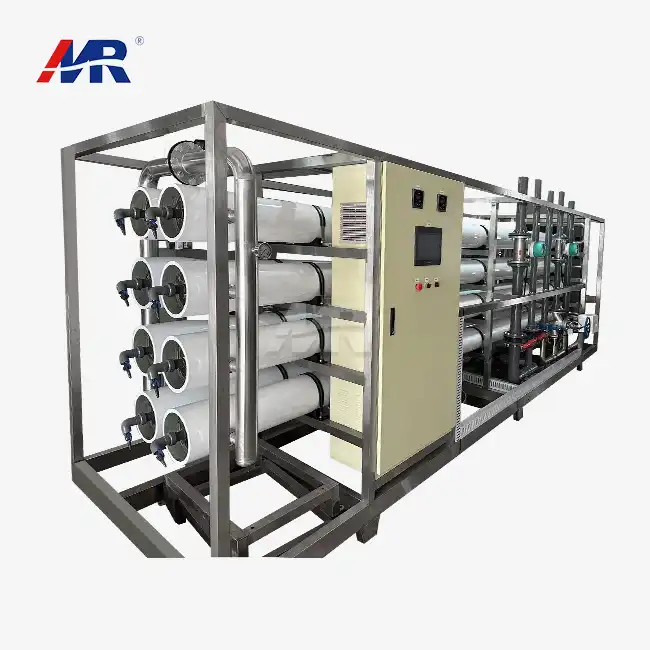
What automatic reverse osmosis plants do and how they work?
The process of reverse osmosis is at the heart of everything a reverse osmosis plant does. Pressure is used to push water molecules through a membrane that lets some things through but not all of them. This separates pure water from bigger molecules, solids that have been dissolved in it, and other contaminants. Check out how this technology is used in RO plants that are run by computers:
The Way That Reverse Osmosis Works
In a reverse osmosis system, dirty water is forced against a special membrane. Ions, contaminants, and bigger particles can't get through the membrane, but molecules of water can. This creates two streams: a clean stream called "permeate" and a concentrated stream called "reject" that has the impurities that were taken out.
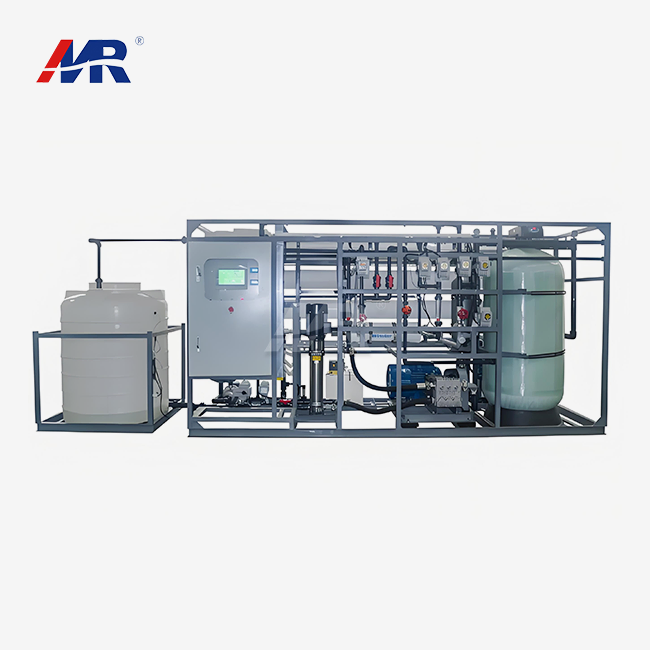
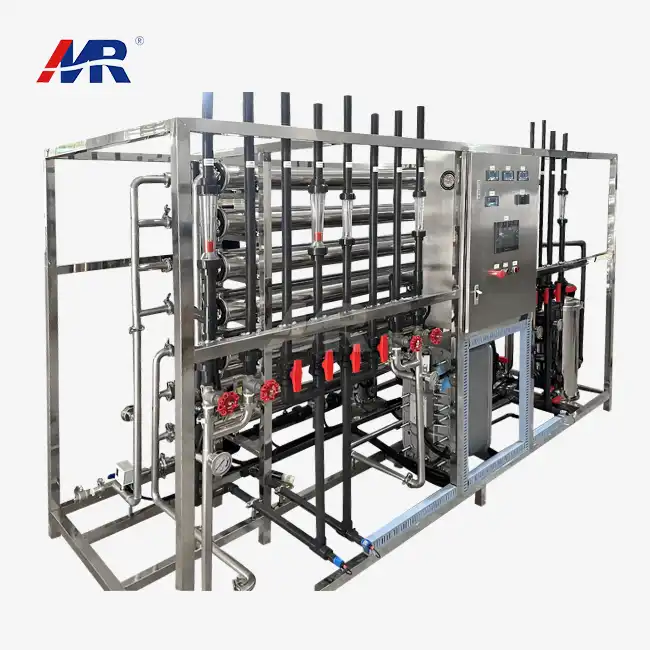
These steps are what automated RO plants use to make the process better by adding more controls and monitoring. Some important parts are:
- to get the pressure up to what it needs to be
- Systems that clean up the signal first, like multimedia filters and softeners
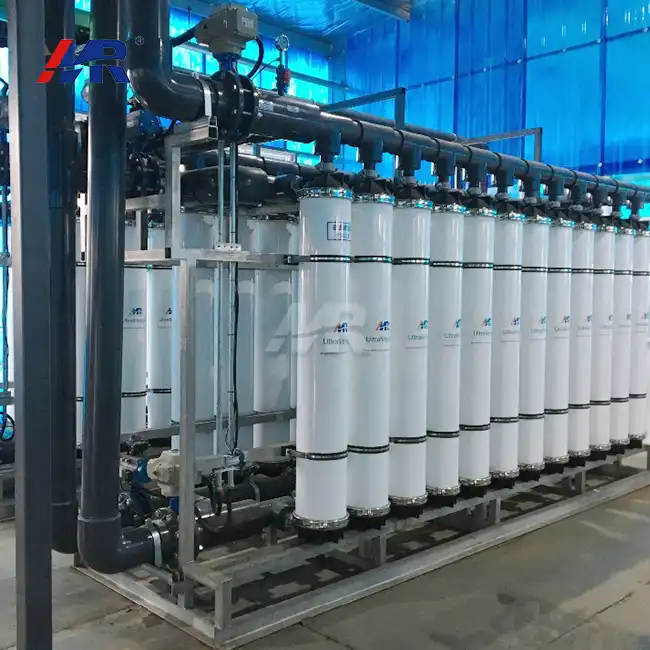
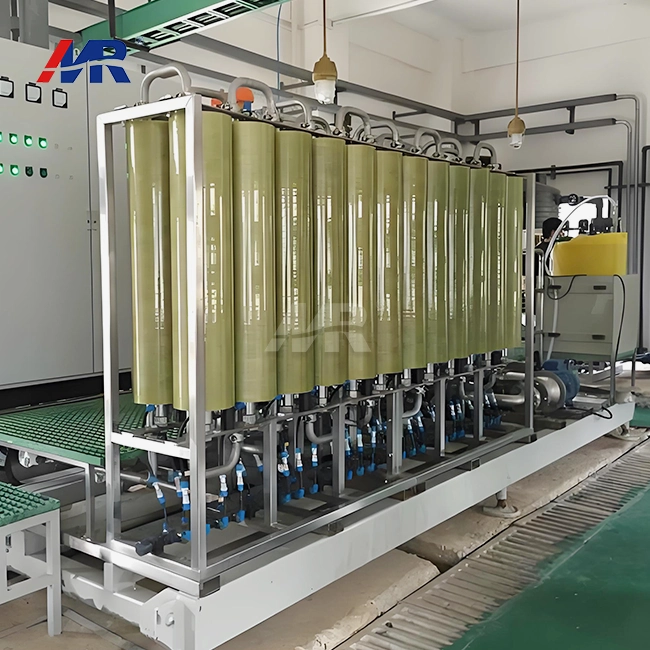
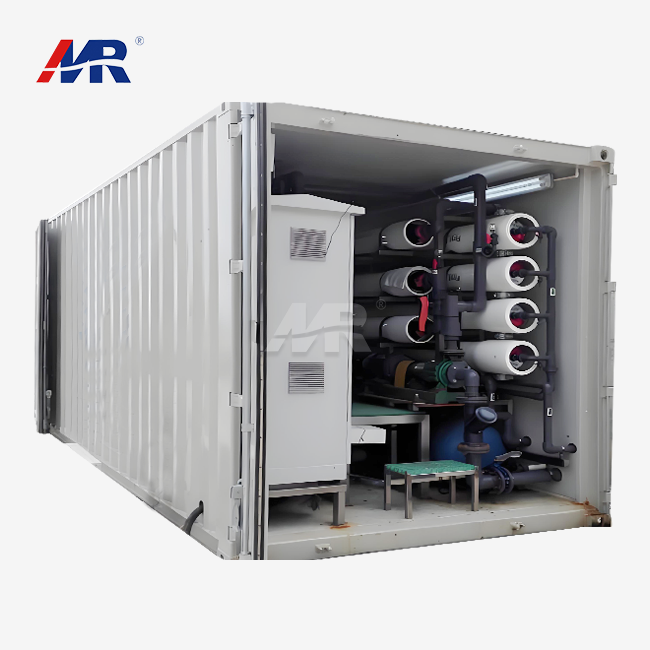
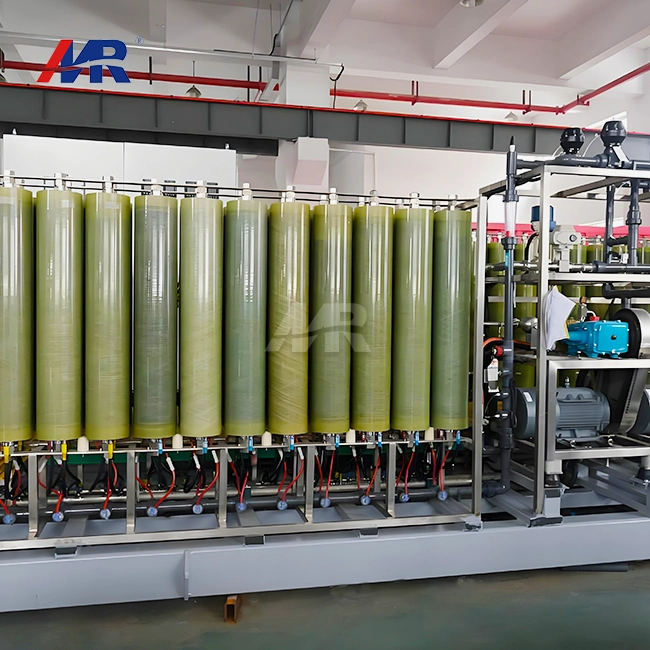
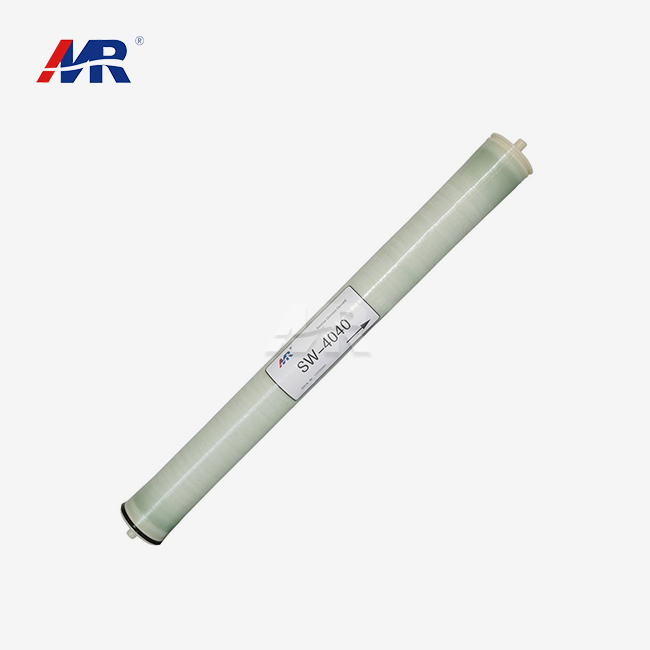
- RO membrane housings with membrane parts that are spiral-wound
- Things can be done to change the pH and add minerals after treatment.
- Cleansing systems that clean membranes "in place."
Systems for controlling and automating things
The high-tech hardware and software that run these plants are what make them "automated." These are some important parts of automation:
- Control systems based on PLCs that let you run plants from one place
- Touchscreens for HMIs let operators interact with them and see data.
- Online monitoring is possible for important factors such as flow, pressure, and conductivity.
- Chemical dosing systems that work automatically
- Keeping an eye on and managing things from afar
This level of automation makes it possible to precisely control the reverse osmosis water purification plant process. This makes it work better and keeps the water quality the same. They can get alerts, keep an eye on trends, and make changes right away.
Water treatment-related steps
The main method is reverse osmosis, but automated plants also have important steps that happen before and after treatment:
Before the ro membranes are put in, the feed water is pre-treated. In this step, things like:
- Solids in the fluid can be removed using multimedia filtration.
- Making water less hard by softening it
- A process using activated carbon to get rid of chlorine and organic matter
- Dosing with an anti-scalant to keep membranes from scaling
After treatment: The permeate might be treated again after the RO process, for example:
- The pH of the water is changed to make it neutral.
- Remineralization is the process of adding back good minerals.
- UV disinfection to kill even more germs
These extra steps make sure that the water meets certain quality standards so that it can be used for what it was made for.
Why reverse osmosis plants that are run by machines are a good idea?
Many good things happen when businesses and cities use automated reverse osmosis technology to clean water. It's very helpful for many reasons. Here are some of the most important ones:
More clean water
The best thing about RO plants that are run by computers is that they can always make good water. It is possible to get rid of up to 99% of dissolved solids, bacteria, and other harmful substances with reverse osmosis. It's important to clean this well for things like:
- Ultrapure water is needed to make medicines.
- To make semiconductors, you need very pure process water.
- food and drink production to make sure the goods are safe and of good quality
- Taking care of the power plants' boiler feed water
In real time, monitoring checks for any changes in the water quality and makes sure that the high level of purification is always maintained.
Business costs go down, and efficiency goes up
Automating the control of reverse osmosis water purification plants makes them work much better. Here are some benefits:
- More precise control of the pump means better use of energy.
- Dosing systems that work on their own mean less chemical use.
- Operators don't have to do as much work.
- Better cleaning cycles that make the membrane last longer
- Downtime was cut down by predictive maintenance.
Because these changes will make the plants more efficient, the owners will save money and get a better return on their investment.
Being flexible and able to grow
When the need for water changes, automated RO plants are great for growing. These are some things that back this up:
- It's easy to add more space when the style is modular.
- Being able to handle various types of feed water
- That can be programmed to change how things work so that you can reach different water quality goals
- Several plants can be managed from one place with remote monitoring.
This means that automated RO systems can be used in many places and for many reasons, from small businesses to plants in big cities.
Uptime and dependability are better.
It's much safer for RO plants to be automated because:
- Problems are always being watched to be found before they get too bad.
- Alarms and alerts are set off automatically so that issues can be fixed quickly
- Logging a lot of data to find trends and fix issues
- The membrane is cleaned and flushed automatically.
These features help keep performance stable and cut down on sudden shutdowns, which is very important for businesses that need clean water all the time.
Good for the environment
It's also better for the environment in several ways that automated reverse osmosis plants are safer:
- Better recovery rates mean less water waste.
- There are fewer chemicals used than in older methods of treatment.
- Better energy efficiency comes from precise control.
- Being able to clean up and use wastewater again saves fresh water.
Automated RO plants are becoming even more important because they are efficient and save water at a time when the world needs it the most.
There are many uses for automated reverse osmosis plants
Because it is flexible and works well, automated reverse osmosis technology can be used in a wide range of fields. Here are some of the most important ways that these high-tech systems for cleaning water are making a big difference:
Making things for business
A lot of manufacturing processes need very clean water to ensure the quality of the goods and the equipment lasts a long time. Machine-run RO plants are very important in fields like:
- Very clean water is used to make chips and to clean electronics and semiconductors.
- Giving treated water to paint shops and parts washers in the auto industry
- Clothes: Making soft water without minerals for dying and finishing
- Clean water is made in chemical processing to make things and clean tools.
Industries that use water for their processes can keep the water quality at the right level with the help of automated systems.
Putting together food and drinks
It is very important for the food and drink industry to have good water for both process water and product ingredients. Here are some uses:
- Make sure the taste and quality of the water don't change when you bottle it.
- Beer and liquor distilleries use pure water for brewing and watering down their drinks.
- Making soft drinks: giving drink bases treated water
- Getting food processors clean water to wash, cook, and clean themselves
These businesses can meet strict quality standards and government rules with the help of automated RO plants. These plants also help them get the most out of the water they use.
Health care and biotechnology
A lot of reasons make very clean water important in the pharmaceutical and biotech industries:
- Making drugs: making clean water for drug formulation and Water for Injection (WFI).
- Ultrapure water is used for sensitive tests and experiments in research labs.
- Part of bioprocessing is making sure that fermentation and cell culture media have clean water.
- Medical Device Manufacturing: Making sure that the water that is used to test and sterilize products is clean
Because they clean the water in more than one step, automated RO systems help these important applications meet their strict water quality needs.
Water Treatment in Cities
Automatic reverse osmosis plants are being used by cities and towns more and more to clean up large amounts of water:
- Desalination is the process of making seawater, which is salty, into drinking water for people who live near the coast.
- It is called "groundwater treatment" to get rid of harmful things like nitrates, arsenic, and heavy metals from well water.
- Clean up wastewater from cities so it can be used again in factories or farms. This is called wastewater reclamation.
Automated RO plants are a good way for cities to get the water they need because they work well and can be made bigger.
Creating electricity
For many reasons, power plants need a lot of clean water, such as:
- Boiler feed water is water that doesn't have any minerals in it, so that boilers and turbines don't rust or scale.
- Adding treated water to the cooling tower to make up for the water that evaporated
- Clean water is given to systems that control emissions through flue gas desulfurization.
Power generators can keep their operations running smoothly and in line with environmental rules with the help of automated RO plants.
Places to get medical care
Clean water is used in hospitals and other health care facilities for many medical reasons, such as:
- Making very clean water for hemodialysis treatments
- Central Sterile Supply: Providing clean water to clean and sterilize instruments
- Lab services include giving scientists and doctors clean water to use for studies and tests.
It is very important to have automated RO systems in these critical care settings so that the quality is always the same.
As you can see, these examples show that automatic reverse osmosis water purification plants are very useful in many different fields. These machines are important in the modern world because they can make good water quickly and reliably.
FAQ
1. How long do RO membranes last in a plant that moves things around?
In an automated plant, RO membranes usually last between 3 and 5 years. However, this can change based on the feed water quality, how the plant is run, and how often it is maintained. Most of the time, automated systems can make membranes last longer by carefully watching how they work and making the most of cleaning cycles.
2. How does the energy use of automated RO plants compare to older methods of water treatment?
Reverse osmosis uses a lot of power, but most of the time, automated RO plants use less power than other ways to clean water. Automation lets you precisely manage high-pressure pumps and energy recovery tools, which helps you use energy in the best way possible. Most of the time, RO is the most energy-efficient way to get very clean water for uses that need it.
3. What kinds of feed water can automated RO plants handle?
RO plants that are automated can handle changes in the water quality they receive. Control systems today can change how things work based on the water that comes in, like how many chemicals are added or how much pressure is used. The plant can keep the quality of the water it makes stable, even if the conditions of the water that goes into it change.
Morui | Reverse Osmosis Water Purification Plants of High Quality for Business Use
A new technology called reverse osmosis can help you treat water better. Are you ready to try it? Guizhou Morui Environmental Technology Co., Ltd. is the company to go to if you need high-quality reverse osmosis water purification plants. We have professionals on staff who plan and construct unique water treatment systems for a wide range of industries, including manufacturing, food and beverage, pharmaceuticals, and city water treatment.
We use cutting-edge membrane technology, strong automation features, and a commitment to quality to make sure that the water purification plants we sell are reliable, effective, and cost-effective. We can help you with the quality of your water, whether you need a small system for a business or a large system for a factory.
Your business shouldn't have to close because the water isn't clean. Contact us right away at benson@guangdongmorui.com to talk about how our automated reverse osmosis systems can change the way you handle water. Morui wants to help you get better water and run your business more efficiently.
References
1. Johnson, M. & Smith, K. (2022). Advances in Automated Reverse Osmosis Technology for Industrial Water Treatment. Journal of Water Process Engineering, 45, 102-115.
2. Thompson, R. et al. (2021). Energy Efficiency in Large-Scale Reverse Osmosis Plants: A Comparative Analysis. Desalination, 500, 114-128.
3. World Health Organization. (2023). Guidelines for Drinking-water Quality: Fourth Edition Incorporating the First and Second Addenda. WHO Press.
4. García-Vaquero, N., et al. (2020). Operational Optimization of Membrane Systems Using Artificial Intelligence. Separation and Purification Technology, 247, 116911.
5. U.S. Environmental Protection Agency. (2022). Drinking Water Treatment Technology Unit Cost Models. EPA Office of Water.
6. Lee, K.P., Arnot, T.C., & Mattia, D. (2021). A Review of Reverse Osmosis Membrane Materials for Desalination—Development to Date and Future Potential. Journal of Membrane Science, 370(1-2), 1-22.