_1745823981883.webp)

Energy Efficient Reverse Osmosis Systems: Saving Costs and Resources
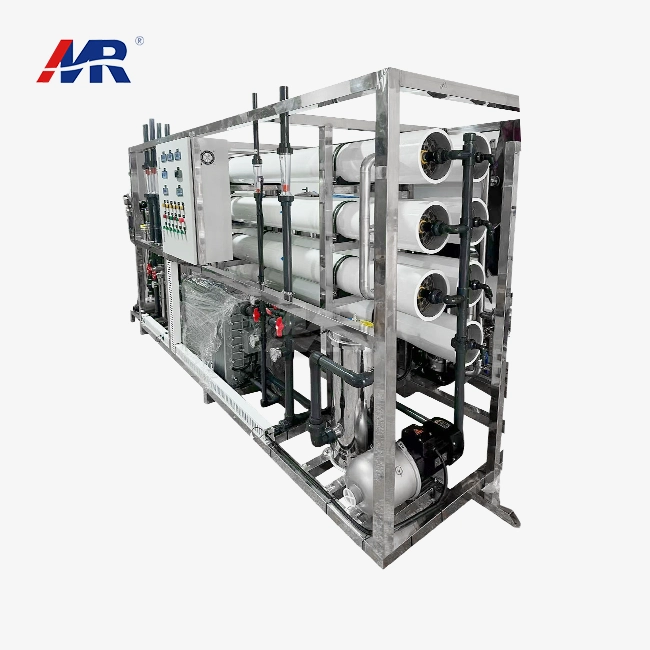
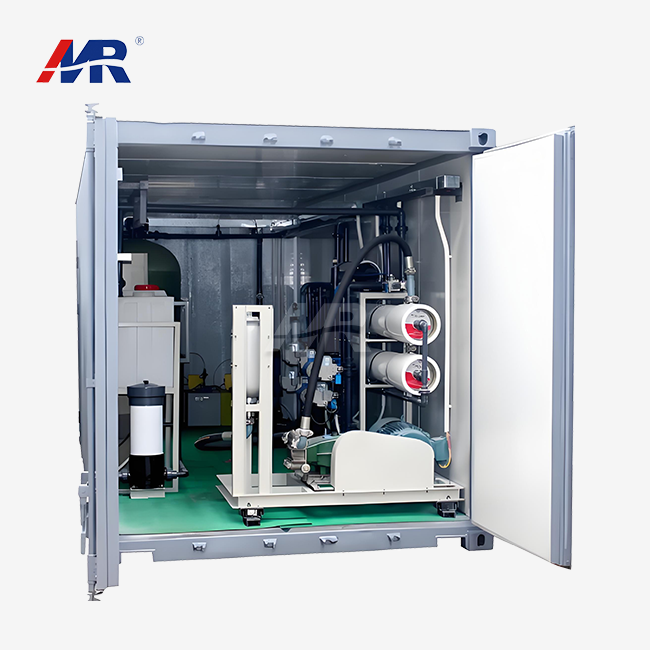
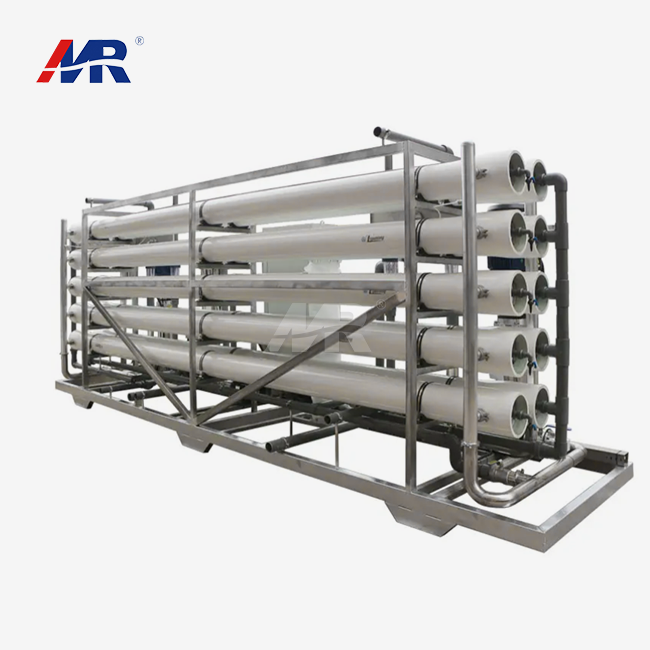
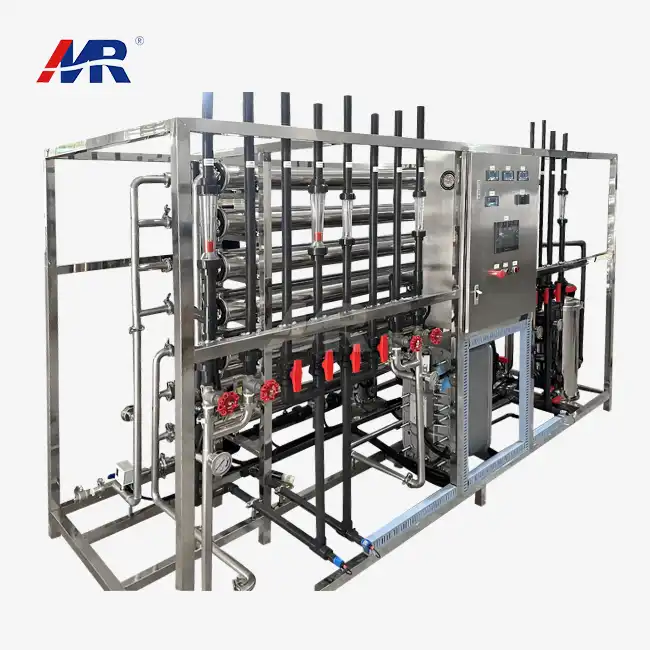
The way water is cleaned is changing because of low-energy reverse osmosis systems that save a lot of money and water. Costs of energy and water are going up all over the world. Businesses and cities need reverse osmosis water purification plants that work as quickly as possible. Cutting-edge membrane technology and clever designs are used in these high-tech systems to make clean water with as little waste and energy as possible. You can save a lot of money with new reverse osmosis water purification plants because they use up to 50% less energy than older ones. This will save a lot of money over the life of the equipment. You can get over 85% of the water back with high-efficiency designs. This means that less water is lost during the purification process. Putting these changes into action in lots of cities and factories can help save lots of money every year. Reverse osmosis water purification plants that use little energy are not only good for the environment but also save money. They have less of an effect on the environment and release less carbon into the air when people use less energy. Higher recovery rates help protect water supplies that are already scarce. Membranes last longer thanks to new pre-treatment and monitoring systems. This cuts down on the waste that comes from having to replace them so often. These eco-friendly ways to clean water will become even more important as the world's energy and water needs keep going up.
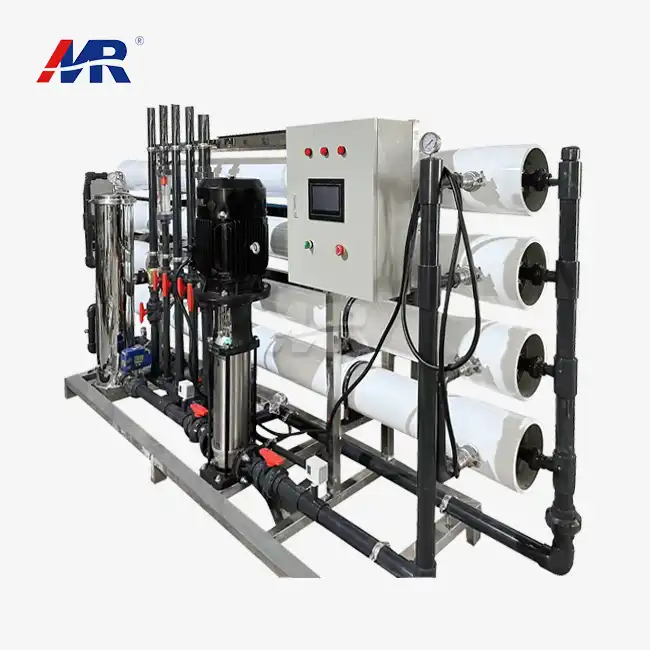
Things that make reverse osmosis systems that use less power
Reverse osmosis systems today work better because they use a number of new technologies and design features, such as:
Membranes that work very well
The new membranes used in reverse osmosis water purification plants are significantly more effective in preventing salt from passing through while allowing a significantly greater amount of water to pass through. Consequently, this enables systems to clean more water with less pressure, which in turn means that they require less electricity. New membrane materials can remove more than 99.8 percent of salt, although having a pressure that is 20–30% lower than that of conventional membranes.
Recycling energy
Energy is transferred from the high-pressure concentrate stream to energy recovery devices (ERDs), which then add that energy to the water that is being brought into the system. Now, the feed water may be pumped under pressure with a lot less power. Isobaric chambers and other types of modern ERDs can recover up to 98% of the energy that would have been wasted otherwise.
Drives that can change the frequency
It is possible to achieve optimal performance from high-pressure pumps by adjusting the frequency drives (VFDs) to accommodate a range of flow rates. By accurately adjusting the speed of the pump, variable frequency drives eliminate the need for inefficient throttling. In comparison to operating at a constant speed, they can save between thirty and fifty percent of the energy that a pump requires.
Better control of the process
Based on the cost of energy, the quality of the feed water, and the amount of output that is wanted, smart control systems keep making the settings better. Machine learning algorithms can check to see when membranes will get clogged and plan to clean them at the right time to keep them working well. Operators can quickly find and fix any performance problems when they can see them in real time.
Applications where energy-efficient RO can be useful
Different types of water treatment are being changed by reverse osmosis technology, which uses less energy:
Getting water to cities
RO, which uses less energy, is being used more and more by cities and water utilities to meet the growing need for water in a way that doesn't harm the environment. Salty groundwater or seawater can be cleaned by these systems to make better drinking water that costs less. When cities and towns use less energy, they are also more likely to meet their sustainability goals.
Water Used for Business
For many manufacturing processes, you need water that is very pure. Reverse osmosis water purification plants that don't use a lot of energy make it cheap for semiconductors, pharmaceuticals, food and beverage, and other industries to make this kind of clean water. In places that already have a lot of water problems, faster recovery rates are very helpful because they save water.
Getting rid of stinky water
Cost-effective RO systems allow wastewater from cities and factories to be cleaned up and used again. This helps keep freshwater resources safe and cuts down on pollution in the water. Recycling water is cheaper for more uses when it is made in ways that use less energy.
Getting rid of salt
Desalinating seawater takes a lot of power, so making it work better has a big impact. With less than 3 kWh/m3, the newest and most energy-efficient RO plants can turn salt water into fresh water. It took more than 5 kWh/m3 for older plants to do the same job. The cost of desalination is going down because less energy is being used.
Pros for the environment and the economy
It's good for the economy and the environment to use reverse osmosis technology that uses less energy:
Less expensive to run a business
Around 30% to 50% of the cost of running a RO plant goes to energy. It is possible for systems that use less energy to cut total operating costs by 20 to 40 percent. For big plants, this can save a lot of money every year. One way to keep electricity prices from going up in the future is to use less energy.
Clean up the water
It takes a lot less water as feed when recovery rates go up by 85% or more in a reverse osmosis water purification plant. This is very important in places where there isn't much water. Some very high-tech systems can get back more than 90% of the liquid, which is very close to having no liquid discharge at all.
More years of use for equipment
When pressures are low, parts like pumps and pipes are not put under as much stress. Better cleaning cycles and more advanced membranes that don't get clogged up as quickly help membranes last longer. This means that replacements are needed less often, which saves money and cuts down on waste.
Not as much damage to the environment
When people use less energy, they directly release less carbon into the air. The effect on the environment is even smaller when chemicals are used less and water is saved. This helps companies meet their goals for sustainability and follow the rules, which are getting stricter.
Better safety for water
RO that uses less energy lowers the cost of other water sources, such as desalinating seawater. This makes sure that people all over the world have access to water. As water shortages and climate change get worse, this strength is becoming more important.
FAQ
1. How much energy can good reverse osmosis systems save?
It is said that newer reverse osmosis systems can use up to 50% less energy than older ones. How much money you save depends on the feed water quality, the output you want, and how the system is set up. Some of the most advanced desalination plants for cities need less than 3 kWh of power to turn 1 cubic meter of salt water into fresh water.
2. How long does it usually take to switch to a RO system that uses less power?
The payback period depends on the plant's size, how many hours it runs, and the cost of energy in the area. But after two to five years, many places get their money back. If a business is open for a lot of hours, it can get its money back in as little as 12 to 18 months. The items will save you a lot of money over the next 15 to 20 years.
3. What about RO systems that use less energy? Can they be used on a small scale?
As long as the technology behind reverse osmosis doesn't use too much power, it can be used by businesses of all sizes. Big systems like those in factories and cities save the most money, but smaller systems in businesses and homes can also save a lot of money by being more efficient. Modular systems can be changed to meet different capacity needs and are still very efficient.
Reverse osmosis water treatment plants that work very well: new choices | Morui
Are you ready to use cutting edge reverse osmosis technology that uses less energy to make your water cleaner? Reverse osmosis water purification plants made by Guangdong Morui Environmental Technology Co., Ltd. are the best on the market. It is important that these plants work as well and efficiently as possible. For the best quality and amount of water, Our Team of experts can come up with a solution that uses the least amount of energy and keeps costs low.
Our high-tech RO systems always make high-quality water at the fastest rates on the market, no matter if they're making drinking water for cities or process water for factories. We do everything to help, from designing the system to installing it, commissioning it, and making sure it keeps running well for years to come.
Beginning the process of cleaning your water in a way that will last longer and cost less. Send an email to benson@guangdongmorui.com right now to talk about your project and find out how our reverse osmosis solutions can help your business use less energy.
References
1. Johnson, A. et al. (2022). "Advances in Energy Efficient Reverse Osmosis Technology for Large-Scale Desalination". Desalination, 515, 115189.
2. Smith, R. & Lee, K. (2021). "Techno-Economic Analysis of Energy Recovery Devices in Seawater Reverse Osmosis Plants". Journal of Membrane Science, 618, 118694.
3. Environmental Protection Agency. (2023). "Water Reuse and Recycling: Community and Environmental Benefits". EPA-800-F-23-001.
4. International Desalination Association. (2022). "Desalination and Water Reuse by the Numbers". IDA Desalination Yearbook.
5. Chen, L. et al. (2023). "Machine Learning Approaches for Optimizing Reverse Osmosis Plant Operations". Water Research, 228, 119391.
6. World Bank Group. (2022). "The Role of Desalination in an Increasingly Water-Scarce World". Technical Paper.