_1745823981883.webp)

Navigating Regulations: How to Comply with Industrial Waste Water Treatment Plant Requirements?
Many businesses may find it difficult to comply with the many rules and regulations pertaining to the treatment of industrial wastewater. In order to avoid fines, keep the people healthy, and save the environment, operators of Sewage Treatment Plants must follow environmental standards. In this all-inclusive reference, the most important rules controlling wastewater treatment facilities for industrial purposes are detailed, with helpful hints on how to follow the rules and stay in compliance. Lots of the time, industrial pollution has heavy metals, chemicals, and other contaminants that are bad for people's health and the environment if they are not taken care of. To ease these worries, authorities have put in place strict rules on how to handle and get rid of industrial trash. This is what every place that runs a wastewater treatment business needs to know and do. To successfully traverse this regulatory landscape, industrial enterprises need to have strong wastewater treatment systems, keep thorough records, regularly test and monitor, and keep up with changing environmental rules. Businesses may make sure they are obeying the rules and also improve their environmental performance and operational efficiency by using sophisticated treatment technology and best practices.

Key Regulatory Requirements for Industrial Wastewater Treatment Plants
At the federal, state, and local levels, there are a lot of restrictions that apply to industrial wastewater treatment plants. Even though the requirements may be different in different areas and industries, most facilities need to do a few basic things:
Limits on the Release of Wastewater
One of the most significant criteria for wastewater treatment plant operations that treat industrial wastewater is to not let out more than the allowed amount of effluent. These guidelines indicate how much of each type of contaminant can be in treated wastewater before it can be released into the environment. Some of the most common items that are controlled are:
- Biochemical Oxygen Demand (BOD)
- Chemical Oxygen Demand (COD)
- Total Suspended Solids (TSS)
- pH levels
- Nutrients such as nitrogen and phosphorus
- Toxic metals
- Grease and oil
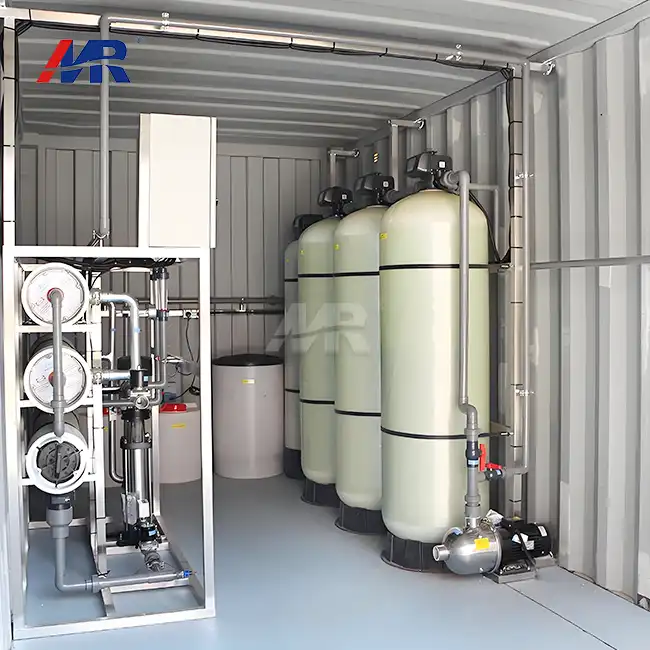
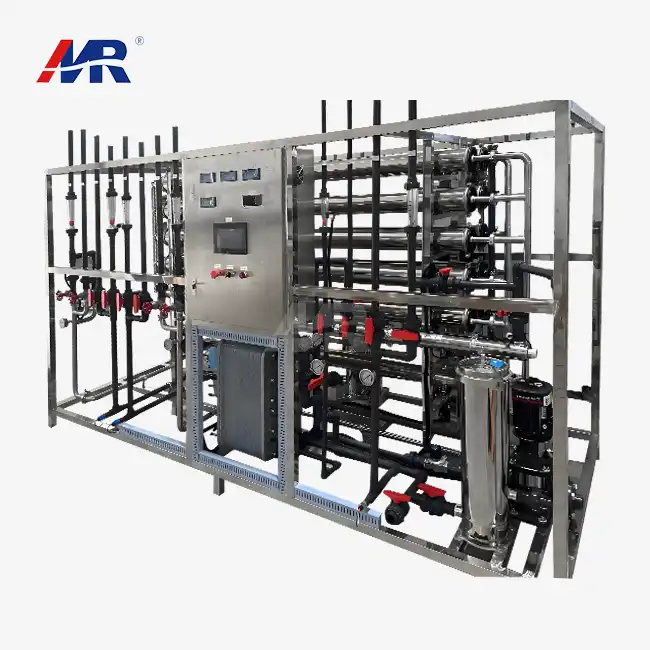
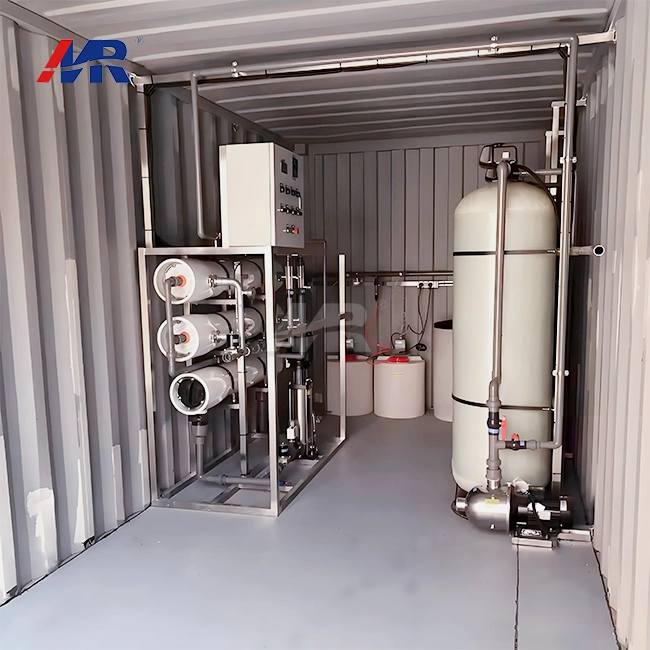
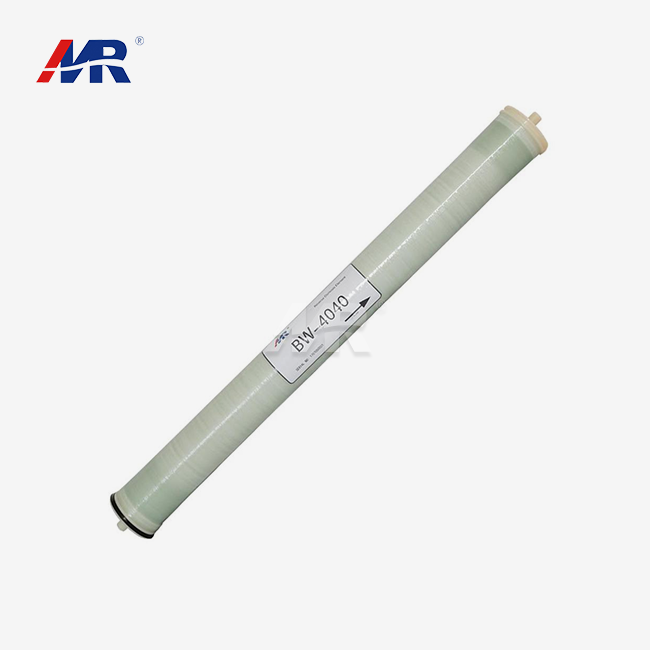
Facilities must design their treatment processes to consistently meet these discharge limits. This may include using a mix of physical, chemical, and biological treatment approaches. Facilities can achieve even the strictest effluent regulations with the help of advanced technology like membrane bioreactors (MBRs) and reverse osmosis systems.
What you need to get permits and reports
Most of the time, industrial wastewater treatment plants need to seek license from the government to be able to do their jobs legally. These permits spell forth certain rules that must be followed, such as:
- Limits on how much of each type of pollution can be released
- How often to check and test
- Forms and schedules for reporting
- Rules for keeping records
- Requirements for certifying operators
Facilities must retain accurate and current records of how they treat their wastewater. These records need to have details about the chemicals used, the quality of the influent and effluent, how the sludge is thrown away, and how the equipment is kept up. You normally have to report to regulatory agencies on a regular basis to show that you are still following the guidelines.
Being a part of the pretreatment program
Many factories that feed dirty water to city sewer systems have to join local pretreatment programs. These programs want to keep municipal sewage treatment plant systems and bodies of water safe by making sure that businesses clean up their trash before it flows into the sewage system. Before therapy, some things that might need to be done are:
- Setting up certain treatment technologies
- Meeting local rules about when to leave
- Putting best practices for management into action
- Keeping an eye on yourself and reporting
To follow the standards for pretreatment, you usually need to work closely with the people in charge of wastewater in your area and may need to make changes to the treatment systems you already have.
Best Practices for Achieving and Maintaining Compliance
Industrial wastewater treatment plant operators should take a proactive approach to compliance in order to successfully traverse the complicated regulatory landscape. Here are some good ideas to think about:
Set up a full compliance management system
To keep up with rules and make sure that standards are always followed, it's important to have a strong compliance management system. Some important parts of a good system are:
- Clear division of duties and roles
- Written standard operating procedures (SOPs)
- Regular training and competency tests for personnel
- Processes for internal audits and taking corrective action
- Rules for maintaining records and controlling documents
Facilities can lower the chance of breaches and enhance their overall environmental performance by setting up a systematic way to manage compliance.
Put money into new treatment technologies
To keep up with changing rules, you typically have to upgrade your treatment technologies. Advanced solutions like these can help modern wastewater treatment plants:
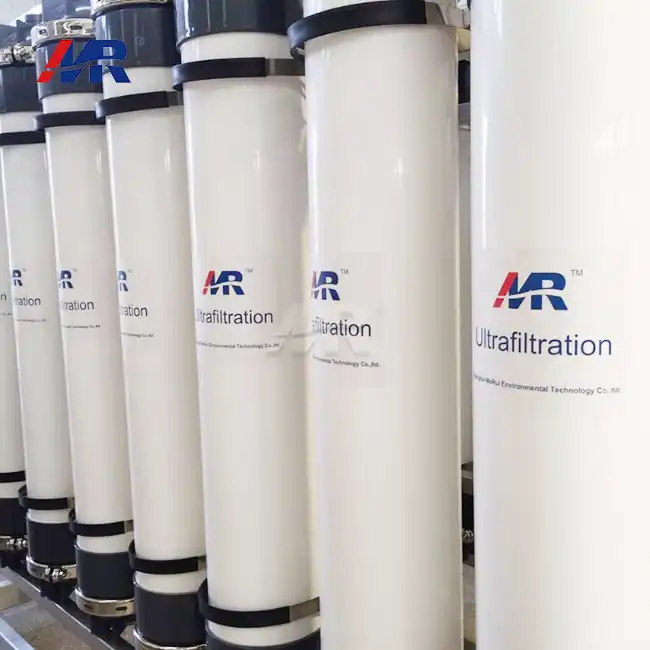
- Ultrafiltration and nanofiltration are examples of membrane filtration systems.
- Processes for advanced oxidation
- Systems for removing biological nutrients
- Systems for monitoring and controlling things online
These technologies can help facilities run more efficiently, use fewer chemicals, and be more flexible in how they do business. When choosing new equipment, think about things like how well it works, how much energy it uses, and how long it will last.
Check and test on a regular basis
To find possible compliance concerns before they become big ones, you need to actively monitor and test. Set up a full program for sampling and analysis that includes:
- Testing the influent and effluent on a regular basis
- Monitoring of process control
- Checks on how well the equipment works
- Procedures for quality control and quality assurance
Buying online monitoring equipment can give you real-time data on important factors, so you can quickly respond to any changes in regular operating conditions.
Keep up with changes in the law
It's important for wastewater treatment plant operators to keep up with the current rules because environmental rules are always changing. Here are some ways to remain up to date:
- Joining trade groups and going to conferences
- Getting newsletters and updates from regulatory agencies
- Talking to local environmental officials
- Getting advice from professionals on environmental compliance
Facilities can plan ahead for compliance issues by keeping an eye on changes in regulations.
Overcoming Common Compliance Challenges
Industrial wastewater treatment plants may still have trouble following the rules, even if they have strong procedures in place. Here are some frequent problems and ways to fix them:
Handling Changes in the Composition of Wastewater
Industrial processes can create wastewater with very different properties, which makes it hard to keep treatment performance steady. To fix this problem:
- Use equalization tanks to smooth out changes in flow and pollution load.
- Make treatment trains that can adapt to several types of influent circumstances.
- Use modern process control systems to make treatment better based on real-time data on the quality of the water.
Handling New Contaminants
As analytical methods get better, regulators are paying more attention to new pollutants such drugs, personal care items, and per- and polyfluoroalkyl substances (PFAS). To get ready for possible new rules in the future:
- Stay up to date on research about new pollutants in your field.
- Look into treatment technologies that can get rid of these substances.
- Think about using voluntary monitoring programs to check for new toxins in your wastewater.
Keeping Costs in Check While Staying Compliant
It can be hard to follow the rules while staying within a budget. To get the best value for money without breaking the rules:
- Take steps to make your operations more energy-efficient to lower costs.
- Look on ways to reuse water and get back resources.
- Think about hiring outside companies to provide specialist treatment or analysis work.
- Look for government subsidies or low-interest financing for initiatives that will help the environment.
Industrial establishments can keep up with regulations and improve their wastewater treatment operations by taking care of these problems before they happen.
Frequently Asked Questions
1. What are the most important parts of a system for treating industrial wastewater?
In general, an industrial wastewater cleaning system is made up of a few main parts: Screening and getting rid of grit are part of the first treatment. 2. Sedation is the main treatment 3. Second-hand care (biological methods) 4. A tertiary treatment, like chemical treatment or better filter 5. Cleaning up 6. How to get rid of and treat sludge The exact parts may be different based on the business and the wastewater that needs to be cleaned.
2. How often should plants that treat industrial wastewater check for compliance?
The rules and standards for the institution's permit will tell you how often compliance testing needs to be done. Tests for new things need to be done at wastewater treatment plants for businesses every day, week, or month. There may be times when certain contaminants need to be watched all the time in some places. To find out when to test your plant, you need to look at your license and talk to the right government groups.
3. What happens if you don't follow the rules for industrial wastewater?
You could get into a lot of trouble if you don't follow the rules for commercial wastewater. 1. Money fines and penalties 2. Going to court and possibly being charged with a crime 3. Bad press and damage to the company's image 4. Operating permits being taken away or suspended 5. Facilities had to be fixed up or shut down 6. People who work for the company are personally responsible To avoid these issues, it is very important to follow the rules carefully and use strong methods for treating and managing garbage.
Industrial Wastewater Treatment Solutions for Regulatory Compliance | Morui
To treat industrial wastewater, you need to know a lot about the rules, have access to innovative technology, and be committed to protecting the environment. Guangdong Morui Environmental Technology Co., Ltd. is an expert in offering state-of-the-art sewage treatment plant solutions that help businesses stay in compliance with the law and improve their operations at the same time.
We offer a wide range of services, including:
- Industrial wastewater treatment solutions made just for you
- Newer membrane filtration technologies
- Services for optimizing processes and adding new features
- Solutions for monitoring and reporting compliance
- Training and technical help for operators
We can help you understand the complicated rules of wastewater and put in place effective, affordable treatment solutions since we have the latest technology and a team of expert engineers. Our professionals are ready to help you with every stage of the process, whether you're updating an old facility or building a new treatment plant.
Don't let problems with following the rules stop your business from growing. Get in touch with Guangdong Morui Environmental Technology Co., Ltd. today to find out how we can help you meet your wastewater treatment goals and stay in compliance with the law for a long time. If you want to see the Morui difference in industrial wastewater treatment, email us at benson@guangdongmorui.com to set up a meeting.
References
1. The Environmental Protection Agency. The best technologies are available for treating industrial wastewater.
2. Smith, J.A., & Johnson, B.C. (2020). Regulatory Compliance Strategies for Industrial Wastewater Treatment Plants. Water Environment Federation.
3. International Water Association. (2022). Emerging Contaminants in Industrial Effluents: Challenges and Solutions.
4. Chen, X., et al. (2019). Advanced oxidation processes for industrial wastewater treatment: A comprehensive review. Chemical Engineering Journal.
5. World Bank Group. (2021). Industrial Pollution Management: Regulatory Frameworks and Enforcement Mechanisms.
6. American Water Works Association. (2020). Industrial Pretreatment Programs: Implementation and Management Guide.