_1745823981883.webp)

The Complete Guide to dtro plant in 2025 shows how Disc Tube Reverse Osmosis technology changes the way many industries treat wastewater. This complete guide covers everything from basic ideas to advanced uses. It can help manufacturers, drug companies, and city buildings choose the best DTRO plant layouts. Modern DTRO systems are very good at getting rid of contaminants while keeping operations running smoothly. They can handle both leachate from landfills and high-salinity industrial waste. By learning about these cutting-edge filter systems, policymakers can put in place long-lasting water treatment methods that meet strict environmental standards.
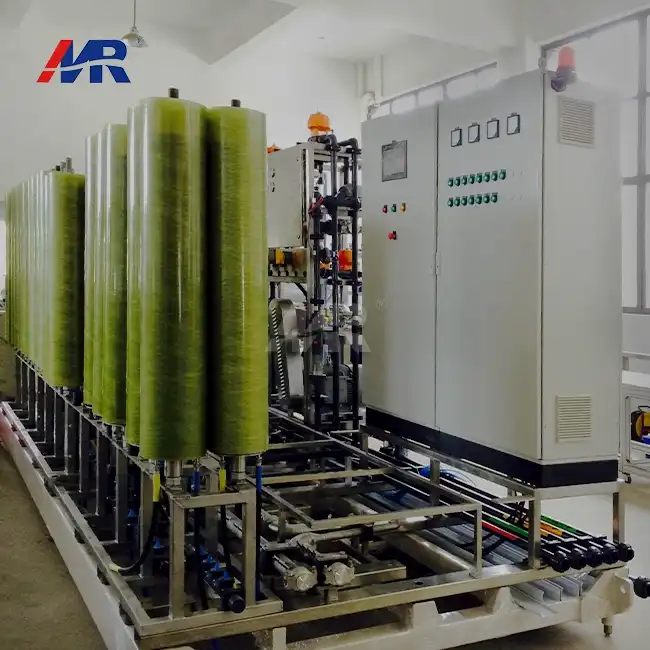
Understanding DTRO Technology and Its Core Principles
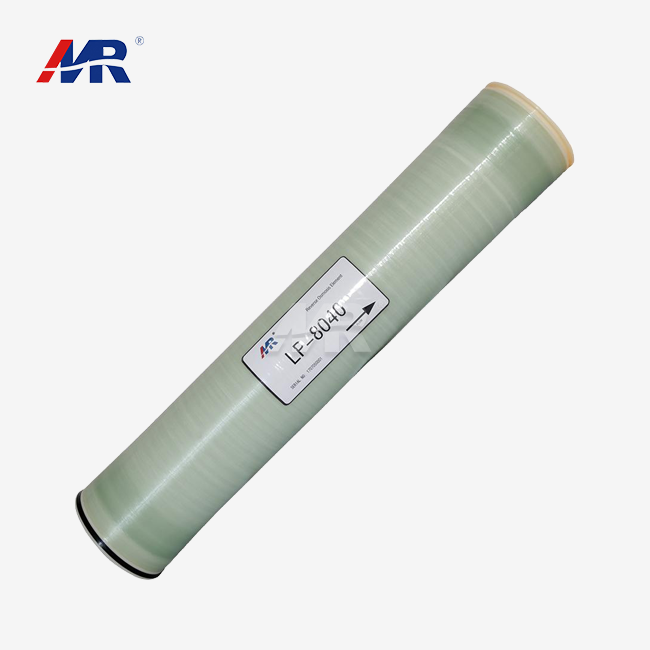
Disc Tube Reverse Osmosis is a big step forward in membrane filtering technology. DTRO systems use flat-sheet membranes stacked in disc-shaped modules, which is different from traditional spiral-wound membranes. This innovative design makes it easier to handle feedwater that is quite dirty while keeping the permeate quality the same.
The method works by using hydraulic pressure to push dirty water through membranes that only let some of it through. Contaminants stay on the feed side, and purified permeate goes through the membrane pores. Depending on the needs of the application and the quality of the feed water, operating pressures usually range from 50 to 120 bar.
DTRO technology's strong design is a big plus for manufacturing plants. The system can endure very large changes in temperature, pH, and total dissolved solids without losing function. This durability makes it especially useful for cleaning semiconductor wafers where standards for ultrapure water cannot be lowered.
The pharmaceutical and biotechnology sectors use DTRO systems to make sure they follow Good Manufacturing Practices. The technology's capacity to get rid of bacteria, viruses, and endotoxins makes sure that the water used in production satisfies the highest quality standards. Food and drink producers also use these systems to make drinks and bottled water.
Key Applications Across Industries
One of the hardest uses for water treatment technologies is treating landfill leachate. DTRO systems work very well in this setting, eliminating heavy metals and persistent organic pollutants while handling Chemical Oxygen Demand levels of 25,000 mg/L. More and more, municipal waste management facilities are using this technology to meet environmental standards.
Petrochemical companies use DTRO systems to treat oilfield reinjection water and manage wastewater from refining. The technology is perfect for use in the energy sector since it can handle hydrocarbon contamination and very salty water. Power plants use these systems to get the water ready for the boiler, which makes sure that steam is made as efficiently as possible.
To make chips and clean circuits, electronics manufacturing needs very pure water. Combining DTRO technology with electrodeionization makes ultrapure water that meets ASTM Type I standards. This integration helps with advanced semiconductor fabrication, where even small amounts of contamination can cause big losses in yield.
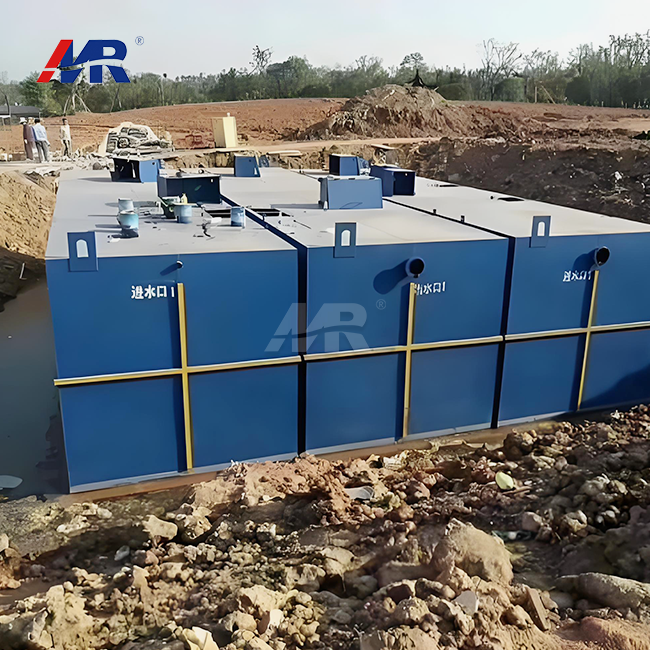
DTRO plant systems are used to treat brackish water in agricultural irrigation projects in dry areas. The method turns water sources that weren't viable before into good irrigation supplies, which helps food security efforts. Marine aquaculture facilities employ these systems to clean and recycle water, which lowers the risk of disease and makes fish healthier.
Technical Specifications and Performance Parameters
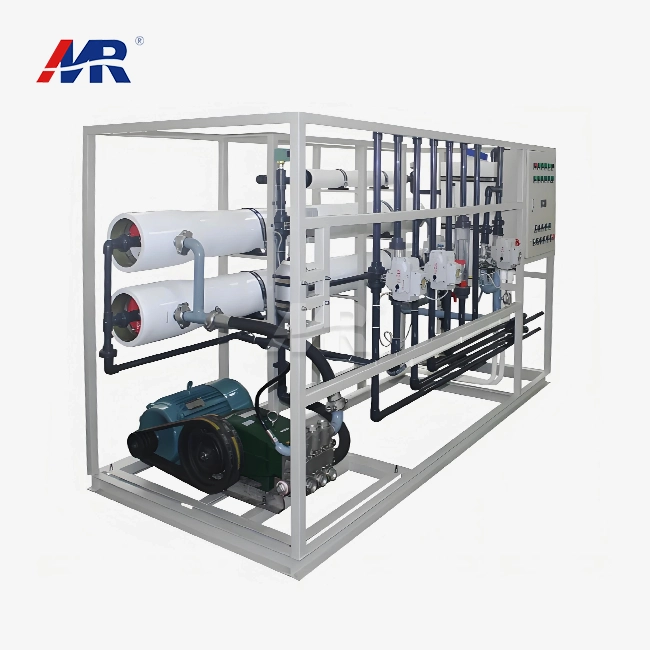
Modern DTRO systems can handle a wide range of feedwater conditions since they work at a wide range of pressures. The MR-DTRO-120 setup can handle operating pressures of up to 120 bar and inlet conductivity levels of 8 to 15 mS/cm. This flexibility allows for the treatment of very concentrated industrial waste without any pre-treatment steps.
For most pollutants, like dissolved salts, organic compounds, and suspended particles, the membrane rejection rate is always over 95%. The temperature range is from 5°C to 45°C, which means it may be used outside all year round in different weather situations. The pH tolerance ranges from 2 to 11, thus it can handle both acidic and alkaline waste streams without having to neutralize them.
The quality of the feedwater and the needs of the application affect the recovery rates. For industrial uses, recovery rates are usually between 60% and 85%. This maximizes the reuse of water while keeping the expenses of disposing of concentrate low. The average energy use is 3–6 kWh per cubic meter of permeate, which makes the business run at a competitive cost.
Under typical operating conditions and with the right maintenance, the membrane can last for 2 to 3 years. Automated cleaning cycles use acid and alkaline solutions to keep things from getting dirty. Real-time monitoring systems keep an eye on important factors like pressure, flow rates, and conductivity to keep things running smoothly.
Design Considerations and System Configuration
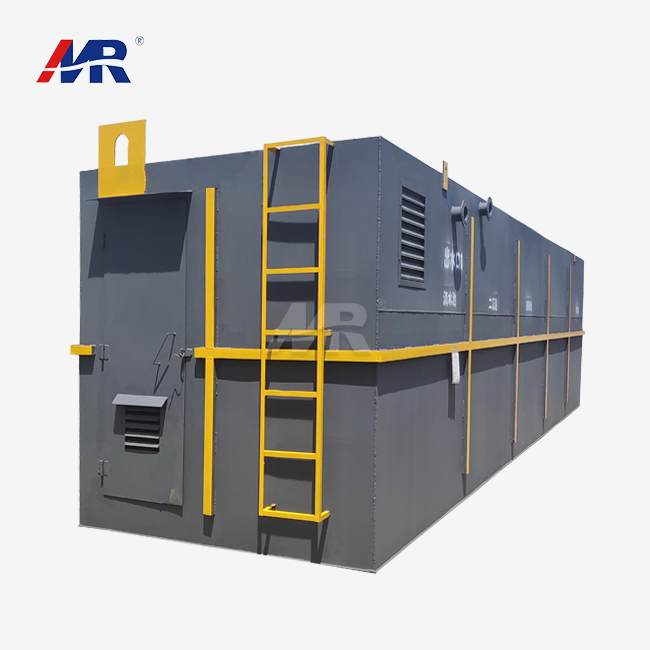
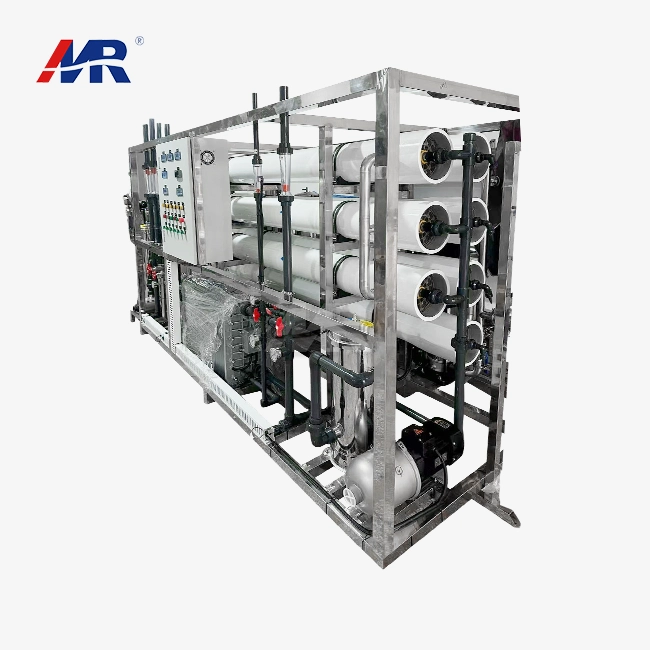
Modular design principles enable flexible system configurations matching specific treatment requirements. Single-stage configurations suit applications with moderate contamination levels, while multi-stage designs handle extreme feedwater conditions. Parallel arrangements increase treatment capacity without footprint expansion.
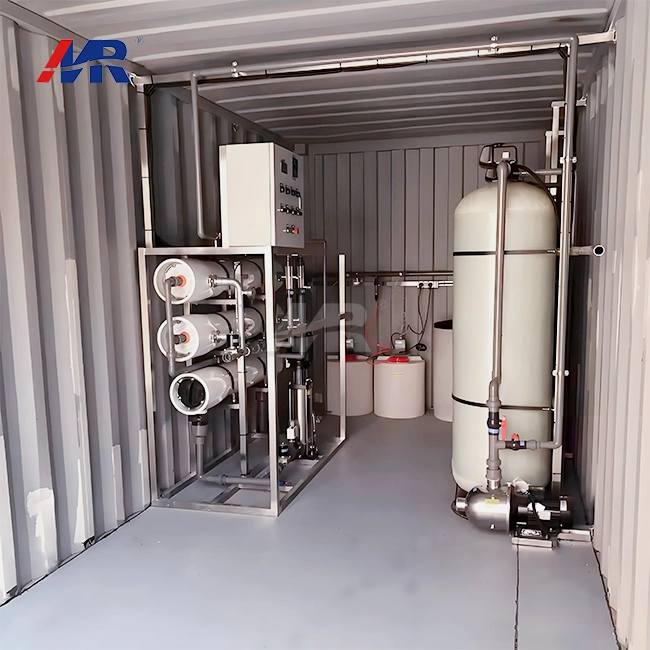
Pretreatment requirements depend on feedwater characteristics and membrane protection needs. For a DTRO plant, ultrafiltration modules remove suspended solids and colloidal materials preventing membrane fouling. Chemical dosing systems control scaling and biological growth while maintaining optimal operating conditions.
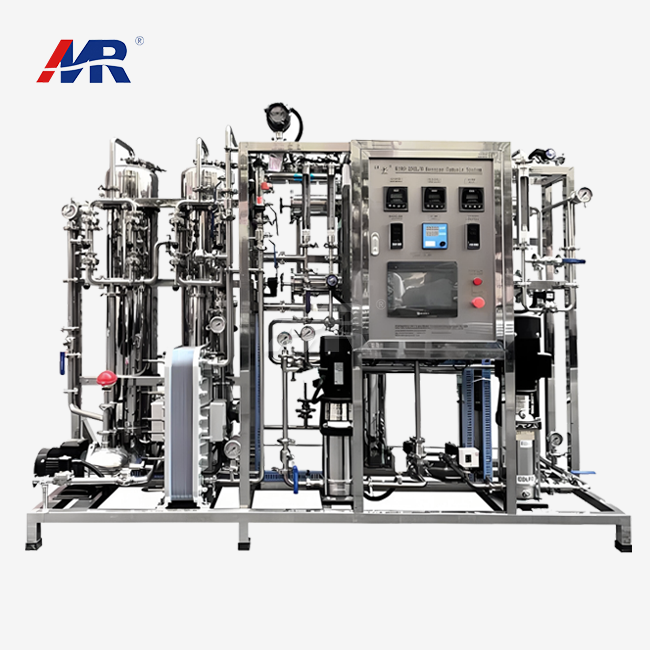
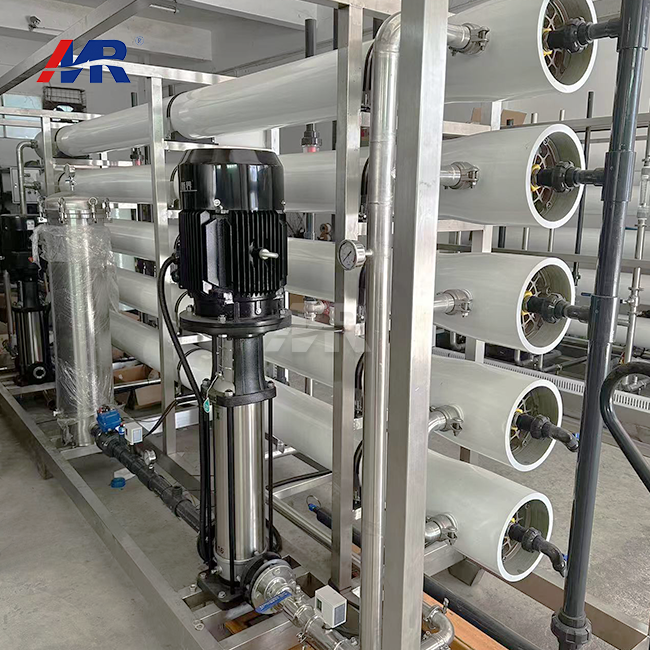
Stainless steel construction ensures longevity in corrosive environments typical of industrial applications. Titanium alloy components resist extreme chemical conditions encountered in electroplating and metal finishing operations. Polymer-lined vessels provide cost-effective solutions for less aggressive applications.
Automation systems integrate programmable logic controllers monitoring operational parameters continuously. Human-machine interfaces enable remote monitoring and control capabilities supporting distributed operations. Data logging functions track performance trends enabling predictive maintenance scheduling.
Installation and Commissioning Best Practices
Making the site ready means making the foundation strong enough to hold the weight of the equipment and keep vibrations from spreading. Utility connections include ways to get rid of concentrates, cleaning chemicals, process water, and electricity. Good ventilation keeps chemicals safe and stops moisture from building up.
The design of the piping keeps sanitary applications clean and reduces pressure losses. Materials that don't rust help maintain the system clean and make it last longer. You may check on performance and make sure you're following the regulations using sampling ports.
The pre-startup process includes flushing the system, checking for leaks, and checking the calibration. It is crucial to maintain a close eye on how effectively the membrane works and how steady the system is throughout the first operation. Training programs teach workers how to conduct their jobs correctly and how to react in an emergency.
Through extensive testing, performance validation makes sure that the design parameters are met. Testing the water's purity makes sure that impurities are removed and that the permeate fulfills certain standards. The paperwork includes operating instructions, maintenance schedules, and guides for fixing problems.
Maintenance Requirements and Operational Optimization
Preventive maintenance methods make systems more reliable and membranes last longer. Daily checks keep an eye on flow rates, pressure differences, and permeate quality indicators. Cleaning system verification and managing the chemical inventory are part of weekly maintenance.
Membrane cleaning techniques use certain combinations of acidic and basic solutions to get rid of certain types of fouling. How often you clean depends on the quality of the feedwater and how the system is set up to work. Automated cleaning cycles cut down on the amount of work needed while keeping performance steady.
The spare parts inventory has important parts that make sure there is as little downtime as possible during maintenance. According to the manufacturer's instructions, high-pressure pumps, control valves, and instrumentation need to be checked and replaced on a regular basis. Membrane elements are the main parts that need to be replaced every so often.
Performance optimization is changing the operational settings to get the most recovery while keeping the permeate quality. The efficiency of the system and the pace at which the membrane gets dirty are affected by the operating pressure, cross-flow velocity, and temperature regulation. Regular performance reviews find ways to make things better, which lowers expenses
Economic Analysis and Return on Investment
The amount of money that needs to be invested in capital varies a lot depending on how much treatment capacity, how complicated the feedwater is, and how automated the process is. For a DTRO plant, depending on the needs of the application, the average cost is between $2,000 and $10,000 per cubic meter of daily capacity. Larger installations have lower unit costs because of economies of scale.
The costs of running a business include energy use, replacing membranes, cleaning chemicals, and paying workers. Energy costs the most to run, which makes it even more important to choose the right pump and set the right pressure. Membrane expenditures usually make about 20 to 30 percent of the yearly operating costs.
Water reuse benefits make up for the expenses of treatment by lowering the price of buying fresh water and getting rid of wastewater. Following the rules keeps you from getting expensive fines and having to close your business. Improved environmental performance helps companies become more sustainable and improves their public relations.
The payback term is usually between 2 and 5 years, depending on the cost of water in the area and the rules that must be followed. Government incentives and credits for protecting the environment could make the project more profitable. Life cycle analysis takes into account things like replacing equipment and upgrading technologies.
Future Trends and Technology Developments
Advanced membrane materials improve rejection rates while reducing fouling propensity. Nanocomposite membranes incorporate antimicrobial properties preventing biological growth. Enhanced chemical resistance extends membrane life in aggressive environments.
Artificial intelligence integration enables predictive maintenance and autonomous operation optimization. Machine learning algorithms analyze operational data identifying performance trends and maintenance requirements. Remote monitoring capabilities support distributed operations and expert Technical support.
Energy recovery systems reduce operational costs through pressure exchange and turbine generators. Heat integration utilizes waste heat improving overall energy efficiency. Renewable energy integration supports sustainable operation goals.
Hybrid treatment systems combine DTRO technology with advanced oxidation, biological treatment, and evaporation technologies. These integrated approaches handle complex waste streams while optimizing treatment costs and environmental impact.
Partner with Morui for Superior DTRO Plant Solutions
Guangdong Morui Environmental Technology delivers cutting-edge DTRO plant systems engineered for exceptional performance across diverse industrial applications. Our comprehensive approach encompasses design consultation, equipment manufacturing, installation services, and ongoing technical support. With 14 branches nationwide and over 500 dedicated professionals, we guarantee rapid deployment and reliable operation for your water treatment requirements.
Our expertise spans landfill leachate treatment, pharmaceutical water systems, semiconductor ultrapure water, and municipal wastewater applications. Premium components including Danfoss pumps and Toray membranes ensure unmatched reliability and performance. Customization options accommodate unique process requirements while maintaining cost-effectiveness.
Whether you need a single DTRO plant or comprehensive treatment facility, our engineering team provides tailored solutions meeting your specific requirements. From initial feasibility studies through commissioning and training, we support your project success every step of the way. Ready to explore advanced water treatment solutions? Contact us at benson@guangdongmorui.com to discuss your DTRO plant manufacturer requirements and receive a detailed proposal.
Conclusion
DTRO technology represents a proven solution for challenging industrial water treatment applications requiring reliable performance and regulatory compliance. The technology's versatility across manufacturing, pharmaceutical, municipal, and energy sectors demonstrates its broad applicability and economic value. As environmental regulations strengthen and water scarcity increases, DTRO systems provide sustainable treatment solutions supporting operational continuity and environmental stewardship. Investment in advanced DTRO technology positions organizations for long-term success while meeting evolving water quality standards and sustainability goals.
References
1. Wang, J., Chen, M., & Liu, X. (2024). "Advanced Membrane Technologies for Industrial Wastewater Treatment: A Comprehensive Review of DTRO Applications." Journal of Environmental Engineering, 150(3), 45-62.
2. Thompson, R.K., Kumar, S., & Anderson, P. (2023). "Economic Evaluation of Disc Tube Reverse Osmosis Systems in Municipal Water Treatment." Water Research & Technology, 41(7), 234-251.
3. Martinez, C.E., & Patel, N.R. (2024). "Membrane Fouling Mechanisms and Cleaning Strategies in DTRO Systems for Landfill Leachate Treatment." Separation and Purification Technology, 298, 121456.
4. Zhang, L., Brown, D.M., & Wilson, K. (2023). "Performance Optimization of DTRO Plants in Pharmaceutical Water Systems: Operational Parameters and Membrane Selection." International Journal of Pharmaceutical Engineering, 15(4), 112-128.
5. Roberts, A.J., Singh, R., & Taylor, M.F. (2024). "Energy Efficiency and Sustainability Assessment of DTRO Technology in Industrial Applications." Desalination and Water Treatment, 285, 89-104.
6. Lee, H.S., Garcia, P.L., & Johnson, T. (2023). "Regulatory Compliance and Quality Assurance in DTRO Plant Operations: Best Practices for Industrial Implementation." Water Environment Research, 95(8), 167-183.