

_1745823981883.webp)

Cost-Effective EDI Plant Installation for Power Plants: Maximizing Efficiency and Savings
Power plants that want to get the most out of their resources and cut expenses are increasingly turning to EDI plant installations as a cheap way to make ultrapure water. Electrodeionization (EDI) technology has many benefits over traditional ion exchange systems. For example, it costs less to run, uses fewer chemicals, and has less downtime. Power plants may save a lot of money by using an efficient edi system, which also makes sure that they always have a reliable supply of high-purity water for important tasks like boiler feed and cooling tower makeup. This article looks at the best ways to install an EDI plant in a power generation facility in a way that saves money. It does this by examining important factors for system design, integration, and long-term performance to help plant managers make smart choices and get the most out of their water treatment investments.

Understanding EDI Technology and Its Benefits for Power Plants
Electrodeionization is a modern way to clean water that uses ion exchange membranes, ion exchange resins, and DC electric current to get rid of dissolved ions without having to use chemicals to make them work again. EDI has a lot of benefits for power plants, such as:
Constant operation and less time spent down
EDI runs all the time, unlike traditional demineralization systems that need to be regenerated offline every so often. This stops pauses in production and makes sure that important power plant processes always have a supply of high-purity water.
Lower Chemical Consumption and Waste Generation
EDI systems do not require caustic or acidic regeneration chemicals. This significantly reduces chemical handling, storage, and disposal costs while minimizing environmental impact.
Water Quality That Stays the Same
EDI makes ultrapure water with a conductivity that is always low, usually less than 0.1 μS/cm. This level of purity helps keep boilers and steam systems from getting scale and rust, which makes the equipment last longer and costs less to maintain.
Saving Energy
Modern EDI designs use very little energy, with power use as low as 0.1 kWh/m³ of treated water. This makes the whole plant more efficient and lowers operating costs.
Key Considerations for Cost-Effective EDI Plant Installation
There are a number of things that need to be carefully looked at in order to get the most value out of an EDI system installation in a power plant setting:
Planning for the right size and capacity
To choose the right size EDI plant, you need to be able to accurately predict how much water will be needed now and in the future. Oversizing costs extra money, and undersizing may mean expensive improvements or slowdowns in production. Think about things like:
- The highest and lowest rates of water use
- Planned increases in capacity or improvements in efficiency
- Changes in water quality and demand throughout the year
- Redundancy needs for important tasks
Working with the infrastructure that is already in place
For the best performance and the lowest installation costs, the Electrodeionization system plant must work well with the current water treatment systems and industrial infrastructure. Some important things to think about when integrating are:
- Space and layout limitations that are available
- Works with upstream pretreatment systems like reverse osmosis
- Connect to systems that monitor and regulate the plant
- Connections for plumbing and electricity
Design of the Pretreatment System
To keep the EDI membranes safe and make sure they work well for a long time, they need to be pretreated correctly. A good pretreatment system usually has:
- Multi-media filtration to get rid of suspended solids
- Using activated carbon to get rid of organic pollutants
- Adding anti-scalant to keep the membrane from getting dirty
- Reverse osmosis (RO) as the main step in removing minerals
Improving the pretreatment system can greatly increase the life of the EDI membrane and lower operating costs.
Ways to save energy and get it back
Adding elements that save energy can make an EDI installation even more cost-effective:
- Pumps and motors that work really well
- Variable frequency drives for operating based on demand
- Getting heat back from RO reject streams
- System design that works best to keep pressure drops to a minimum
Design that can grow with you
A modular EDI plant design makes it easier to add on and change to meet changing water needs. This method can lower the initial expenses of capital while yet allowing for future expansion.
Maximizing Long-Term Savings and ROI
Power plant operators should focus on the following areas to get the most cost-effectiveness and return on investment from an EDI plant installation:
Keeping an eye on performance and doing preventive maintenance
A strong preventive maintenance program and ongoing performance monitoring can greatly increase the life of equipment and make it work better. Important parts are:
- Regularly checking and cleaning EDI stacks
- Keeping an eye on important performance metrics, such as the quality of the water in the product, the recovery rate, and the amount of energy used.
- Using data analytics and trend analysis for predictive maintenance
- Training for operators and standard operating procedures
Making the best use of chemicals and other supplies
It costs less to run EDI systems than classic ion exchange systems because they need less chemicals. However, optimizing chemical use can save costs even more:
- Adjusting the amount of antiscalant dependent on the quality of the supply water
- Using cleaning methods that don't use chemicals when possible
- Choosing membranes and resins that are of good quality and will last a long time
Getting water back and cutting down on waste
Maximizing water recovery and limiting waste streams can save a lot of money, especially in places where water is expensive or there are limits on how much waste can be released:
- Getting the most out of RO recovery rates
- Putting in place systems for recovering concentrates
- Looking into ways to reuse concentrate streams in a useful way
Using data analytics to make things better all the time
Advanced data analytics and machine learning methods can find ways to make EDI plants work better and keep becoming better:
- Using predictive modeling to plan maintenance
- Optimization of operating parameters in real time
- Comparing to the best practices in the industry
Frequently Asked Questions
1. How much does it cost to run EDI compared to classical ion exchange?
EDI usually has lower running costs than classic ion exchange systems because it uses fewer chemicals, makes less waste, and runs all the time without needing to be regenerated. The initial cost of EDI may be higher, but the long-term savings on chemicals, labor, and waste disposal frequently make it cheaper to own.
2. How long do EDI membranes and resins usually last?
EDI membranes and resins can survive 5–7 years or longer if they are properly pretreated and cared for. This extended life makes EDI systems more cost-effective than ion exchange resins, which need to be replaced or regenerated often.
3. Can an existing power plant's water treatment system be updated to use an EDI system?
Yes, EDI systems can often be added to existing water treatment trains, usually by replacing or adding to ion exchange units. But to make sure the integration works, the current infrastructure, pretreatment capabilities, and space limitations must be carefully looked at.
Conclusion
To set up an EDI plant in a power plant that doesn't cost too much, you need to plan carefully, optimize the design, and keep an eye on performance. Power plant operators may get the most out of EDI technology while keeping costs down by thinking about things like the right size, how it will work with current systems, and how to save energy. EDI is a great choice for power plants that want to improve efficiency and lower operating costs since it can continuously make high-quality water with less chemical use and downtime.
As the rules for water quality get stricter and the rules for the environment get stricter, the benefits of EDI technology for power plants are expected to become even clearer. Power plants can set themselves up for long-term success by putting money into a well-designed and well-maintained EDI system. This will make sure that operations are reliable while also lowering costs and their impact on the environment.
Expert EDI Plant Solutions for Power Generation | Morui
Are you ready to learn how a cheap EDI plant installation will help your power producing facility? Guangdong Morui Environmental Technology Co., Ltd. makes the most advanced water treatment systems that are made just for the power industry. Our Team of skilled engineers can help you plan, build, and improve an EDI system that works best for your business and saves you money in the long run.
We offer complete solutions for power plants of all sizes, thanks to our cutting-edge EDI technology, in-house membrane production capabilities, and full range of services. Morui is the company you can trust to help you get ultrapure water quality and operational excellence. They will help you with everything from the first consultation to supplying, installing, commissioning, and continuous support.
Email us at benson@guangdongmorui.com to talk about your needs and find out how our cutting-edge EDI solutions can change the way your power plant treats water. Let Morui help you get the most out of EDI technology so that your business may expand in a way that lasts.
References
1. Johnson, A. et al. (2022). "Improvements in Electrodeionization Technology for Use in Power Plants." 15(3), 287–301 of the Journal of Water Treatment and Engineering.
2. Smith, R. and Brown, J. (2021). "Comparative Analysis of EDI and Ion Exchange Systems in Thermal Power Plants." Power Generation Technology Review, 9(2), 112–128.
3. International Water Association. (2023). "Best Practices for Treating Industrial Water for Power Generation." IWA Publishing.
4. Zhang, L. et al. (2022). "Strategies for optimizing energy use in EDI systems at large power plants." Energy Efficiency in Industrial Processes, 7(4), 401–415.
5. Department of Energy of the United States. (2023). "Techno-Economic Assessment of Water Treatment Technologies for the Power Sector." Fossil Energy and Carbon Management Office.
6. European Power Plant Suppliers Association. (2022). "Current Trends and Future Outlook for Water and Wastewater Management in Thermal Power Plants." Technical Report from EPPSA.
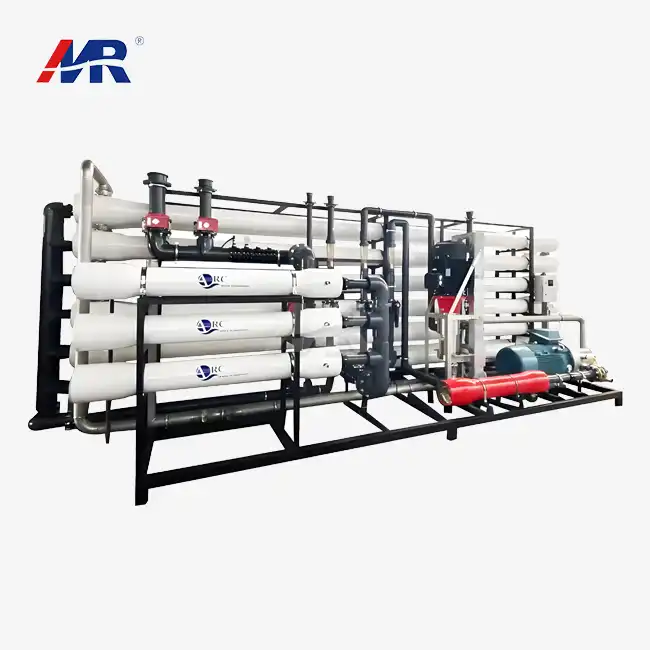 VIEW MORE25m3/hour seawater desalination plant
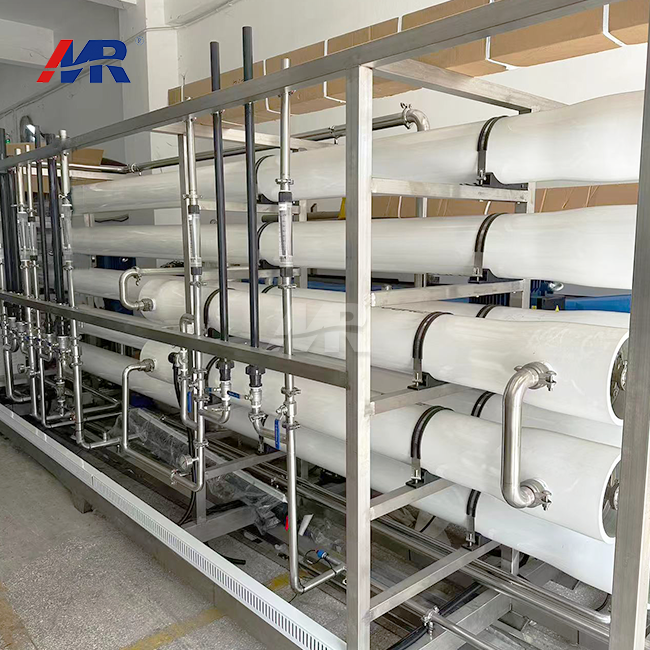 VIEW MOREosmosis drinking water system
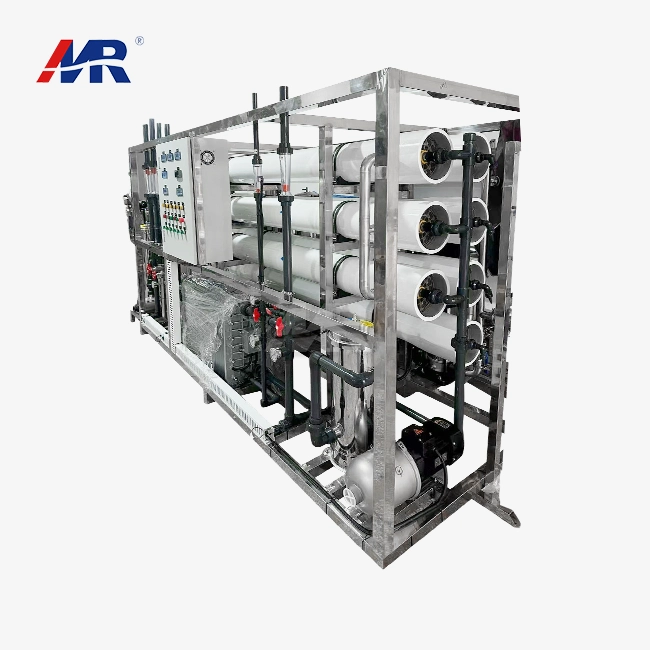 VIEW MOREedi module water treatment
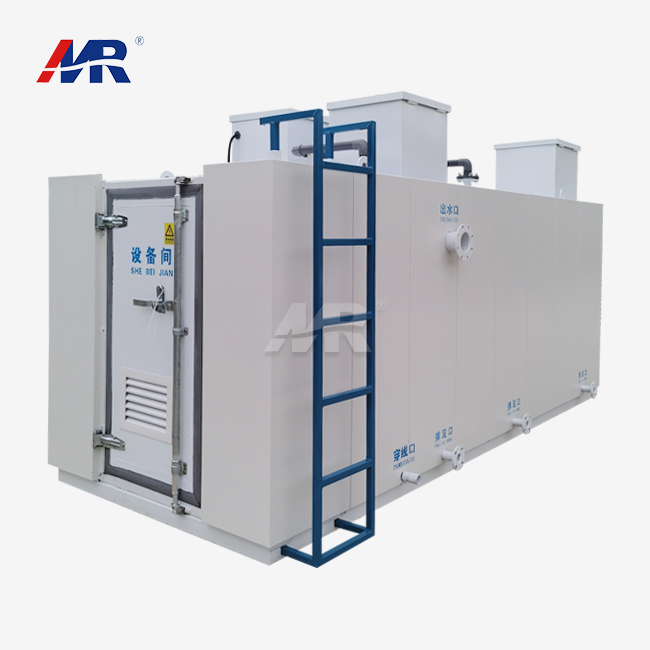 VIEW MOREwastewater treatment plant
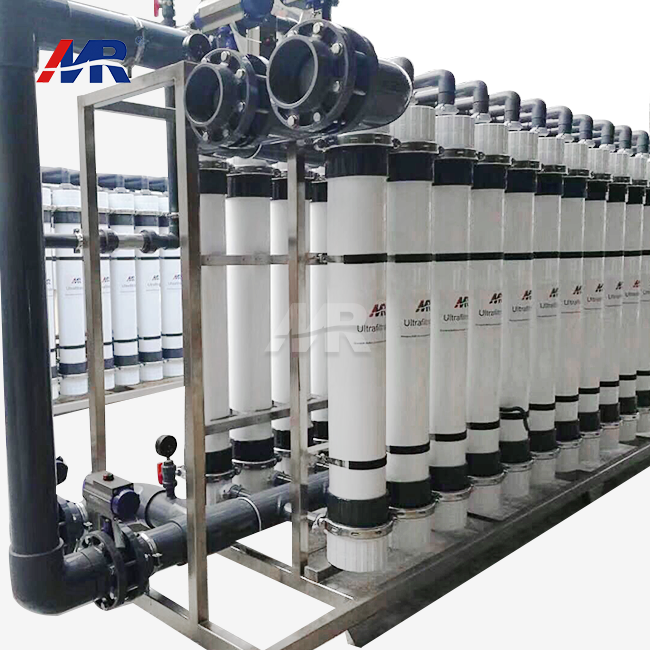 VIEW MOREultrafiltration water system
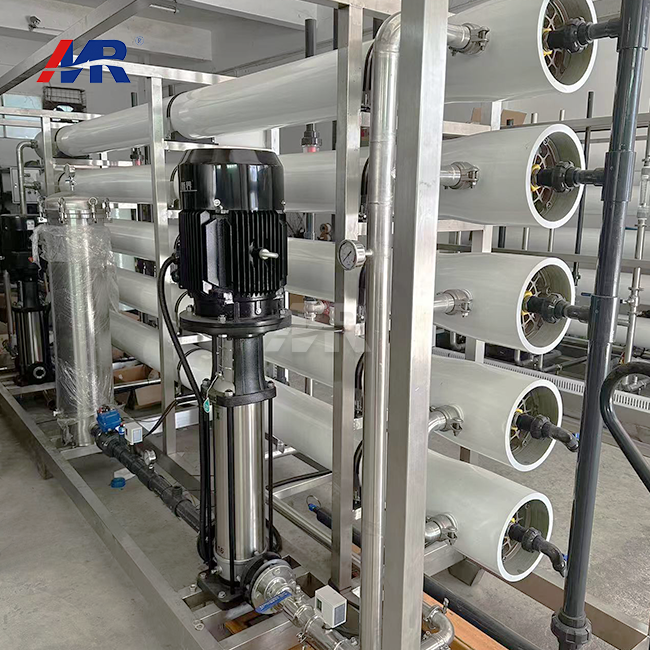 VIEW MOREosmosis water purification system
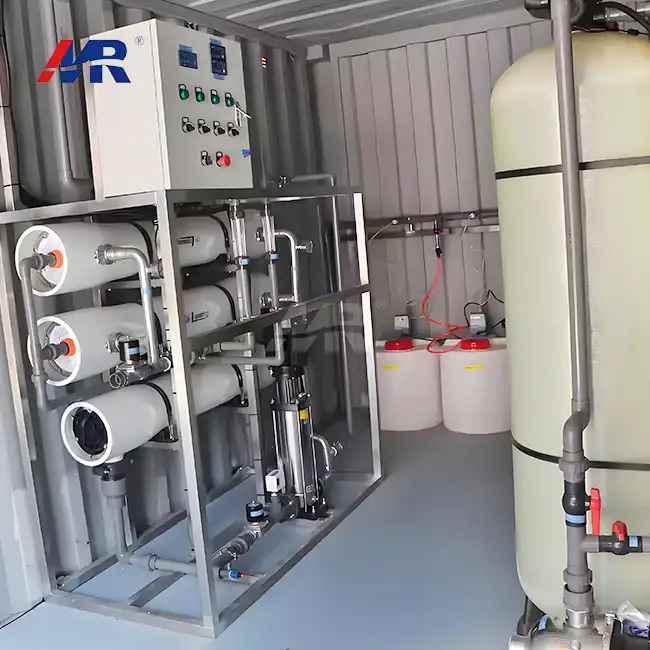 VIEW MOREcontainer 3m3/hour RO equipment
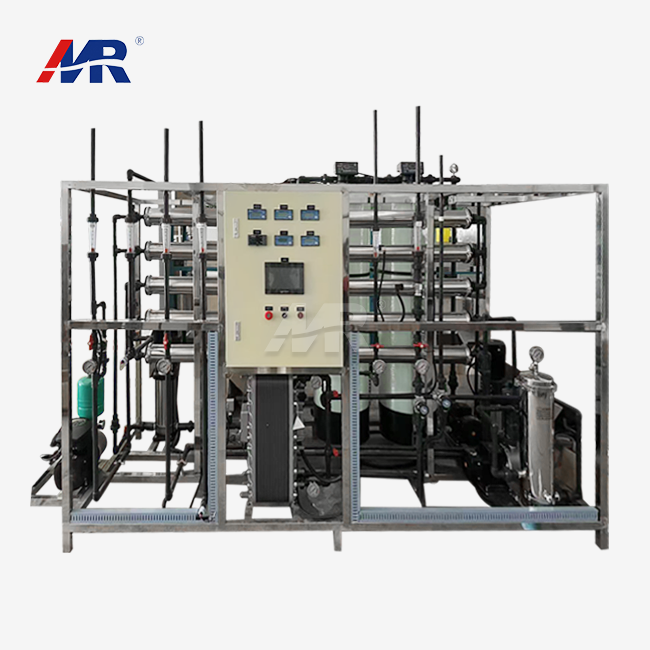 VIEW MOREedi purified water system
