

_1745823981883.webp)

Industrial Ultrafiltration Water Treatment Systems for Wastewater Recycling: Best Solutions
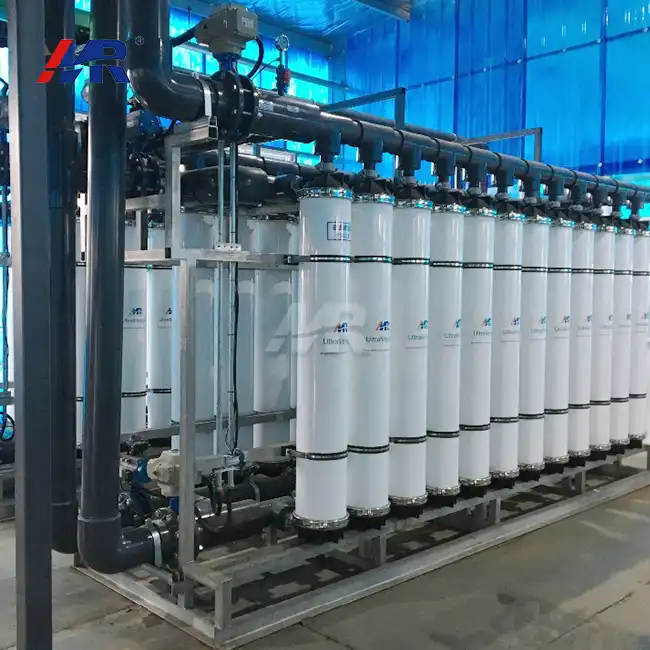
Ultrafiltration water treatment systems for industry have changed the way many businesses reuse wastewater in a big way. To get rid of dirt and other impurities, these modern systems use the newest membrane technology. The water that comes out is clean enough to be used again in factories. When businesses use an ultrafiltration water treatment device, they can save a lot of money, use less water, and have less of an effect on the environment. How to use industrial ultrafiltration to recycle wastewater in the best way is what this piece is about. It goes over the pros and cons of the technology as well as important things to keep in mind when using it.

Understanding Ultrafiltration Technology in Water Treatment
In ultrafiltration, the water is split up by a screen. This gets rid of germs, viruses, and other small things. Part that is semi-permeable is the most important part of ultrafiltration. Most of the holes in this membrane are between 0.1 and 0.01 microns large. Small enough for most screens to not pick up, you can get rid of them.
How Ultrafiltration Works?
Water is pushed through the barrier with force in ultrafiltration. The membrane is a wall that lets water molecules pass through but not bigger particles or pollution. This makes two streams: the retentate, which is the garbage, and the percolate, which is the clean water.
Advantages of Ultrafiltration in Industrial Applications
Ultrafiltration has a number of benefits for treating industrial wastewater:
- Very good at getting rid of germs, viruses, and suspended solids
- Water quality that stays the same
- Less energy use than other sophisticated treatment methods
- Design of a compact system that takes up less space
- The treatment procedure uses very few chemicals.
- Automated operation, which cuts down on labor expenditures
Best Solutions for Industrial Ultrafiltration Water Treatment
There are a number of things that need to be thought about while setting up an ultrafiltration plant for recycling wastewater to make sure it works as well as possible. Here are some of the finest ways to do industrial ultrafiltration:
Correct Pre-Treatment
Ultrafiltration membranes need to be pre-treated properly in order to last a long time and work well. This could include:
- To get rid of bigger particles, coagulation and flocculation are used.
- Multimedia filtration to lessen the amount of suspended solids
- Adjusting the pH to make the membrane work better
- Dosing anti-scalant to keep the membrane from getting dirty
Advanced Membrane Materials
The type of membrane material has a big effect on how well the system works. A lot of modern ultrafiltration systems use:
- PVDF (Polyvinylidene fluoride) membranes because they are very strong and resistant to chemicals
- PES (Polyethersulfone) membranes for high flow rates and superior resistance to fouling
- Ceramic membranes for uses that need to be able to handle very high temperatures or chemicals
System Design That Works Best
An effective ultrafiltration system design should include:
- Modular building makes it easy to add on and keep up with.
- Pumping methods that use less energy
- Advanced control systems for monitoring and running things automatically
- Cleaning-in-place (CIP) methods that work well to keep membranes working well
Combining with other treatment technologies
Ultrafiltration is typically used with other technologies to clean and recycle wastewater in a complete way.
- Reverse Osmosis (RO) for more cleaning and removing salt
- UV disinfection for more control over microbes
- Using activated carbon to filter out chemical molecules and make the taste and smell better
Applications of Industrial Ultrafiltration in Wastewater Recycling
Ultrafiltration technology is used in several different sectors to recycle wastewater:
The industry that makes things
Ultrafiltration water treatment systems are used in manufacturing to clean process water and recycle wastewater. This cuts down on the amount of water used and released. Some uses are:
- Processing metal and treating its surface
- Making cars
- Making textiles
- Industry of paper and pulp
The food and drink business
Ultrafiltration is very important for making sure that food and drink are safe and that the water is clean. For what it is used for:
- Cleaning up the process water
- Cleaning wash water so it can be used again
- Separating and concentrating dairy products
- Clarification of drinks
Biotechnology and Pharmaceuticals
Ultrafiltration is necessary in several fields to make high-purity water and to get Products back:
- Making Water for Injection (WFI)
- Cleaning up biopharmaceuticals
- Concentration of proteins and enzymes
- Removal of viruses in the making of vaccines
Wastewater Treatment for Cities
More and more municipal wastewater treatment plants are using ultrafiltration technologies for:
- Third-level treatment of wastewater
- Making high-quality recycled water that can be used again but not for drinking
- Pre-treatment for reverse osmosis in indirect potable reuse systems
Industries may make big strides in water management, sustainability, and operational efficiency by using these best practices and taking advantage of the flexibility of Ultrafiltration Plant technology. As the world runs out of water, innovative water treatment technologies like ultrafiltration will become ever more important for recycling wastewater.
Frequently Asked Questions
1. What are the primary benefits of employing ultrafiltration to clean up industrial wastewater?
Ultrafiltration is a good way to treat industrial wastewater because it removes contaminants very well, produces water of consistent quality, uses less energy than other advanced treatment methods, is small and easy to use, and requires little to no chemicals. Ultrafiltration is a good and useful way to recycle wastewater in many different fields because of these characteristics.
2. How does ultrafiltration stack up against other ways to clean water?
Ultrafiltration works better than other types of filtration because it has smaller pores that remove more suspended particles, germs, and viruses. It makes the water cleaner than microfiltration, but it doesn't get rid of dissolved solids like reverse osmosis does. Ultrafiltration usually uses less energy and makes less trash than reverse osmosis. People commonly use it as a first step before reverse osmosis or with other technologies to purify water completely.
3. What things should you think about before putting in an ultrafiltration system for recycling wastewater?
When setting up an ultrafiltration system for recycling wastewater, you need to think about the following: the type and amount of contaminants in the wastewater, the quality of the water needed for reuse, the system's capacity needs, space limitations, energy efficiency, the type and arrangement of the membranes, the need for pre-treatment, cleaning and maintenance procedures, and how the system will work with other treatment processes. You should also think about following the rules, keeping prices down, and getting a good return on your investment.
Industrial Ultrafiltration Systems for Wastewater Recycling: Advanced Solutions | Morui
Are you seeking for a dependable and effective way to recycle your industrial wastewater? Guangdong Morui Environmental Technology Co., Ltd. is the place to go. We are experts in water treatment and offer state-of-the-art ultrafiltration systems that can fulfill the needs of a wide range of industries, from food and beverage production to manufacturing.
Our industrial ultrafiltration water treatment systems are designed to work better than the others, so you can be sure that the treated water is of excellent quality and may be used again in your processes. We don't only sell equipment; we also offer full solutions that include installation, commissioning, and continuing support. This is because we have a lot of expertise and are always looking for new ways to improve.
Don't let a lack of water or strict environmental rules stop your business from growing. Getting a Morui ultrafiltration system is a big step toward managing water in a way that is good for the environment. Our Team of skilled engineers is ready to create a custom solution just for you.
Are you ready to make your wastewater recycling process better? Email us at benson@guangdongmorui.com today to talk about how our industrial ultrafiltration systems can help your business. Let Morui help you reach your goals for excellent water treatment.
References
1. Johnson, M. & Smith, K. (2022). Improvements in Industrial Ultrafiltration for Recycling Wastewater. This is the 45th issue of the Journal of Water Treatment Technology, pages 278–295.
2. The Environmental Protection Agency (2021). Rules for using water again in industrial settings. Series of Technical Reports from the EPA.
3. Zhang, L., et al. (2023). A Complete Review of Membrane Fouling Control in Industrial Ultrafiltration Systems. Separation and Purification Technology, 301, 121918.
4. World Water Council. (2022). Global Trends and Best Practices for Reusing Industrial Water. The WWC Annual Report.
5. Ramirez, J. & Chen, Y. (2021). Energy Efficiency in Ultrafiltration Processes for Treating Industrial Wastewater. Chemical Engineering Journal, 420, 129709.
6. International Water Association. (2023). Ultrafiltration in the Circular Economy: Prospects and Obstacles. IWA Publishing.
 VIEW MORE50m3/hour ultrafiltration plant
 VIEW MORELandfill Leachate Treatment Plant
 VIEW MOREro reverse osmosis water filter
 VIEW MOREswro membrane
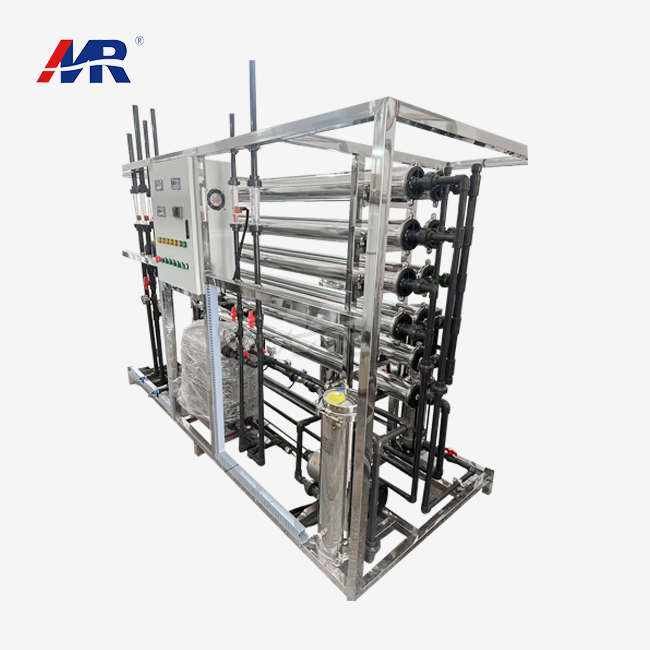 VIEW MOREedi system in water treatment
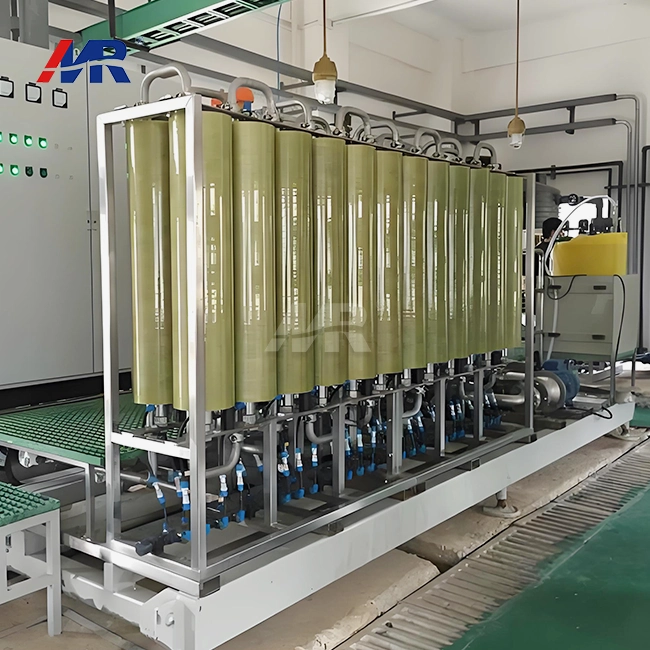 VIEW MOREDisc Tube Reverse Osmosis
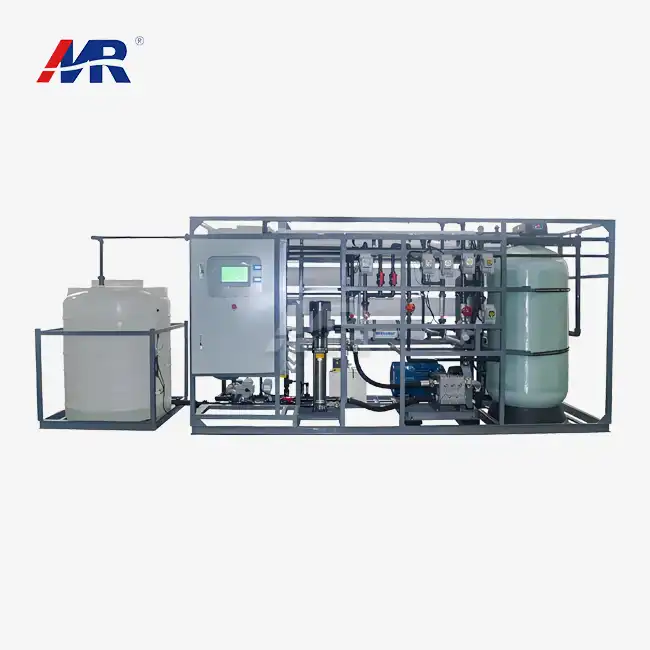 VIEW MORE5m3/hour seawater desalination equipment
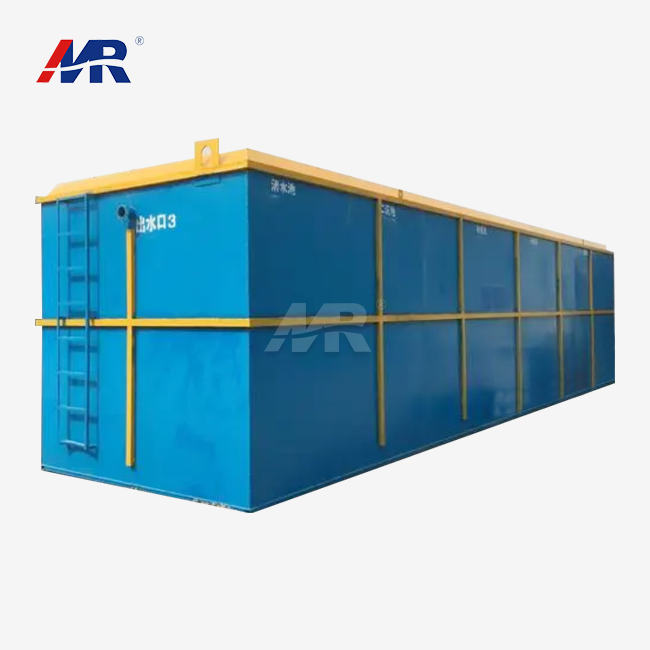 VIEW MOREwaste water treatment plant
