_1745823981883.webp)

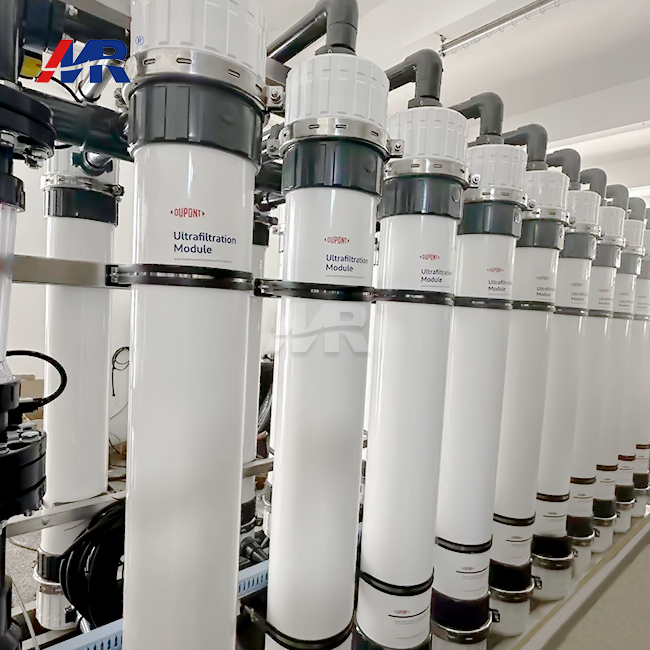
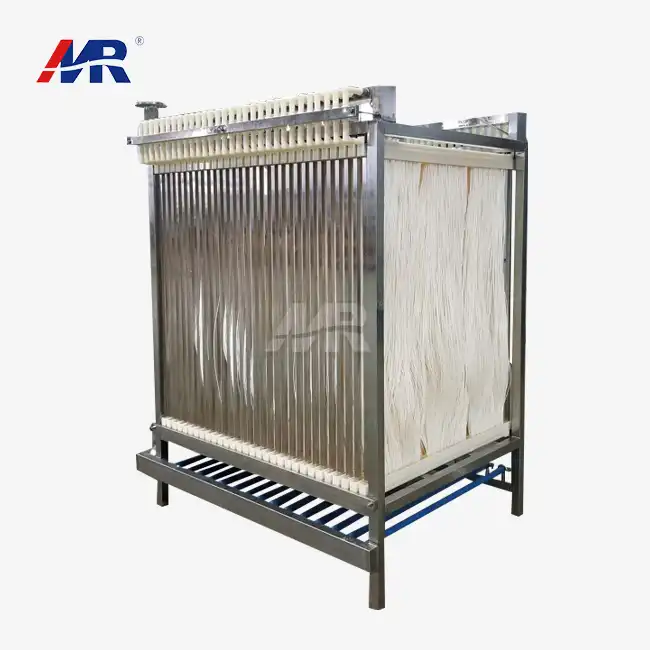
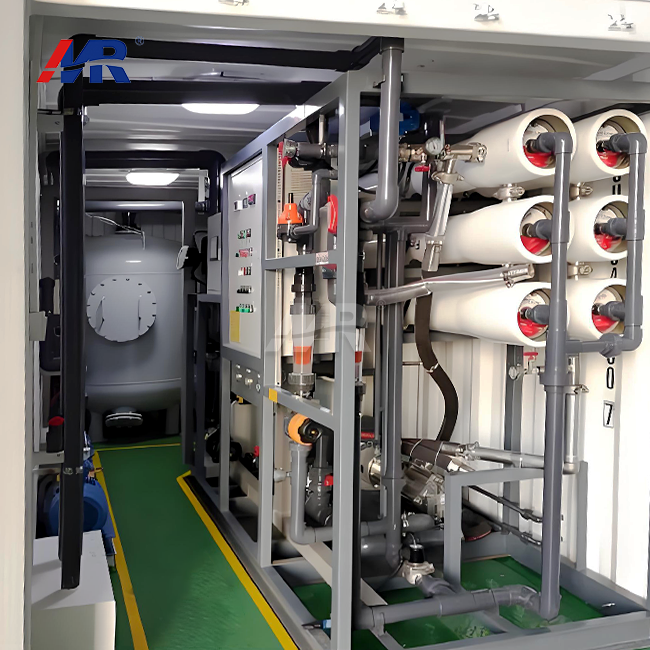
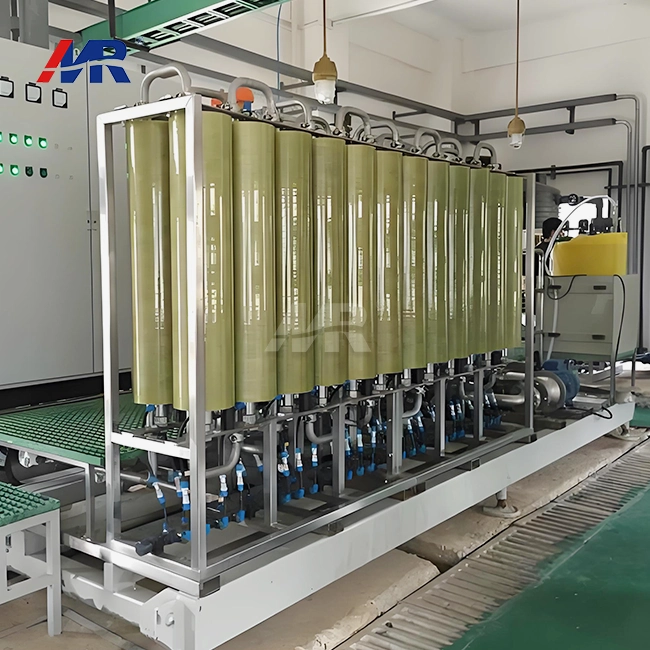
In 2025, landfill leachate treatment has changed a lot. DTRO Landfill Leachate Treatment has become the gold standard for all waste management sites around the world. This complete guide looks at how Disc Tube Reverse Osmosis technology can be used to make difficult wastewater problems easier to handle. Today's membrane filtration systems are very good at getting rid of contaminants and following strict environmental standards. These new technologies are used by modern facilities to lower their operating costs, improve the efficiency of treatment, and make sure that they use long-term landfill management methods that protect groundwater supplies and the ecosystems around them.

Understanding Modern Leachate Treatment Technologies
Modern waste management operations face a formidable obstacle in the form of leachate management. Sedimentary salts, organic compounds, heavy metals, ammonia nitrogen, and other contaminants are a byproduct of municipal landfills' wastewater treatment processes. Facility operators are constantly on the lookout for more resilient solutions because traditional treatment procedures frequently fail when faced with these changing compositions.
The way leachate is treated has been completely transformed by the advent of advanced oxidation techniques and membrane filtering. Because its performance remains constant regardless of changes in influent characteristics, DTRO Landfill Leachate Treatment systems are well-suited to these difficult applications. This method achieves better pollutant removal in a wide range of operating conditions by combining mechanical pre-filtration with high-pressure membrane separation.
Expert engineering methods are necessary to conquer the unique technical challenges posed by leachate contaminants. Chemical oxygen demand levels can go beyond 25,000 mg/L, and total dissolved solids concentrations are often higher than saltwater values. It is essential to have equipment that is specifically developed for severe situations due to the highly harsh circumstances. Equipment of this kind should have corrosion-resistant components and control systems that can react automatically to changes in water quality as they happen.
DTRO Process Advantages in Leachate Applications
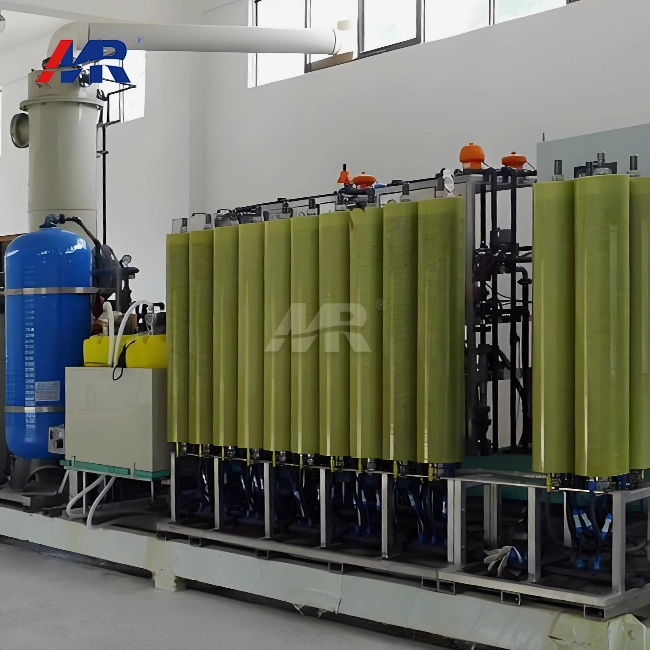
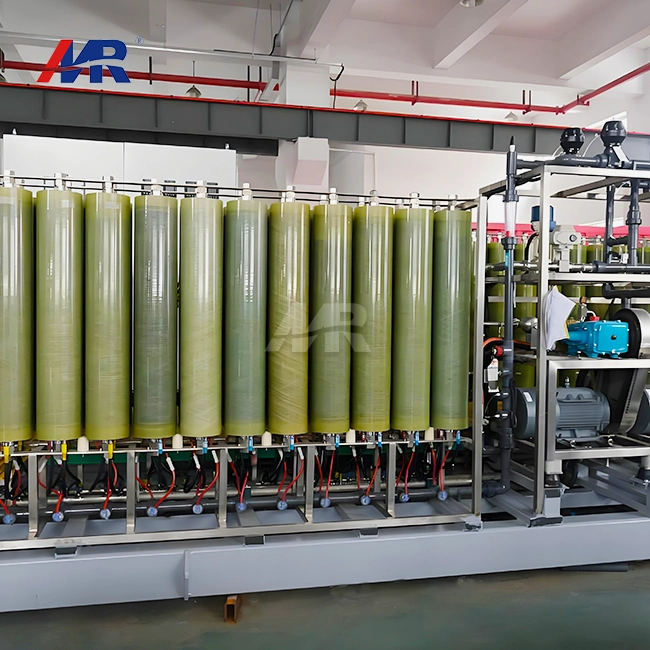
When compared to more traditional reverse osmosis systems, disc tube reverse osmosis technology has clear benefits for treating landfill leachate. Membranes with this novel disc-and-tube design generate turbulent flow patterns, which reduce the likelihood of fouling and, in turn, the frequency and severity of maintenance needs. This innovative design allows for consistent performance even when processing influent streams with high levels of contamination.
The DTRO process achieves remarkable heavy metal removal efficiency, typically exceeding 95% rejection rates for cadmium, lead, chromium, and other toxic elements commonly found in landfill leachate. Membrane materials specifically engineered for high-salinity applications maintain structural integrity under extreme pressure conditions while resisting degradation from organic solvents and acidic compounds.
Contemporary DTRO Landfill Leachate Treatment systems also offer operational flexibility, which is a major plus. To account for seasonal changes in leachate formation, modular designs enable facilities to scale treatment capacity from 50 to 500 cubic meters daily. Critical characteristics like as pH, conductivity, and pressure differential can be tracked by automated monitoring systems. This allows for remote supervision and the scheduling of predictive maintenance.
System Components and Configuration Options
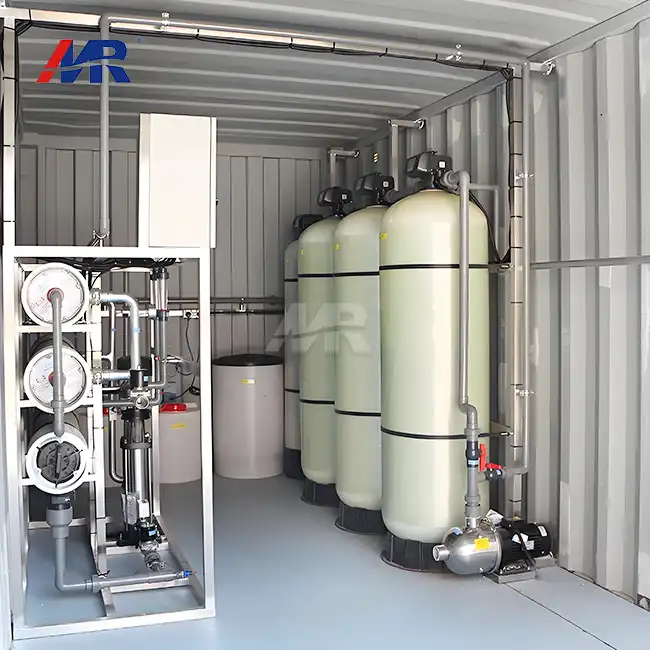
To completely clean up leachate, you need to set up a system that includes pre-treatment, membrane separation, and keeping track of concentrates. Chemical coagulation, sedimentation, and biological treatment steps that lower the amount of liquid solids and biodegradable organics are often used in pre-treatment before membrane processing. This method with multiple barriers keeps pricey membrane parts safe and improves the treatment as a whole.
Humanize the text
High-pressure pumps are the most important components of the system since they have to be able to withstand the corrosive conditions of leachate while also maintaining a consistent pressure delivery. Premium pump manufacturers such as Grundfos and Shimge offer specialist units that are developed exclusively for tough wastewater applications. These units have hardened seals and materials that are resistant to corrosion during the manufacturing process. The operational settings of these pumps are adjusted based on real-time membrane performance data, and these pumps interact with automated control systems with this capability.
Continuous problems are presented by concentrate management, which necessitate careful attention during the design process of the system. Leachate recirculation strategies are implemented by a number of sites. These strategies involve returning concentrated brine to active landfill cells. These strategies make use of natural evaporation and biological processes in order to lower the volume of liquid. Examples of alternative methods include crystallization systems and thermal evaporation, both of which are capable of achieving zero liquid discharge while also recovering significant water resources.
Performance Metrics and Treatment Efficiency
Modern DTRO landfill leachate treatment systems regularly meet or beat performance standards set by regulators in a number of different areas. Under ideal conditions, the decrease in chemical oxygen demand is usually between 90 and 98%, and the removal of ammonia nitrogen is up to 95%. Total dissolved solids rejection stays between 85 and 95% efficient, making filtered water that can be used in a number of different ways.
Recovery rates between 50-70% represent industry benchmarks for landfill leachate applications, balancing water production with concentrate management considerations. Higher recovery rates can be achieved through advanced system configurations, but require careful evaluation of concentrate disposal options and associated costs. Energy consumption averaging 20 kWh per cubic meter treated reflects significant improvements over historical membrane technologies.
With optimal pre-treatment systems and frequent cleaning techniques, the membrane lifespan can be extended to three to five years. In order to safeguard receiving bodies of water, treated wastewater must fulfill discharge criteria, which can be achieved by closely monitoring the reduction of leachate toxicity. Operators of facilities can optimize operational parameters and prove regulatory compliance with the help of thorough documentation made possible by comprehensive performance tracking.
Regulatory Compliance and Environmental Standards
Regulatory authorities are implementing tougher discharge rules for landfill operations, which is leading to ever-changing environmental compliance needs. Both the EPA Landfill Rule and the EU Landfill Directive lay forth extensive regulations for the handling of leachate. The preservation of groundwater, the upkeep of surface water quality, and the necessity of environmental monitoring over the long term are all emphasized in these rules.
Discharge permit conditions vary significantly based on local receiving water characteristics and beneficial use designations. Some jurisdictions require advanced treatment achieving drinking water standards, while others permit discharge to municipal treatment facilities with appropriate pre-treatment. Understanding specific regulatory requirements during system design ensures compliance while minimizing unnecessary treatment costs.
Continuous measurement of key parameters such as total suspended solids, pH, heavy metals, and biochemical oxygen demand (BOD) via leachate tracking systems is necessary to demonstrate the efficacy of the treatment. Quick problem resolution and consistent rule compliance are both made possible by the real-time data made available to regulatory bodies by sophisticated monitoring technologies. Detailed records are kept with automated reporting options, which also make administration easier.
Economic Considerations and Cost Optimization
Design capacity, treatment goals, and site-specific variables determine the capital investment needs for comprehensive leachate treatment systems. Installs can cost anything from half a million dollars for smaller systems to several million for mega dumps served by massive facilities. Lower disposal costs, guaranteed regulatory compliance, and possible revenue from water reuse all contribute to the significant long-term worth of these investments.
Power usage, membrane replacement, chemical additives, and regular maintenance are all components of operating expenses. The significance of optimizing operations and designing systems efficiently is highlighted by the fact that energy expenditures constitute the biggest continuous expense. In comparison to older methods, modern DTRO landfill leachate treatment systems use 30% less energy without sacrificing treatment efficacy.
Return on investment calculations must consider avoided disposal costs, regulatory penalty prevention, and potential revenue streams from treated water sales. Many facilities achieve payback periods under five years, particularly when replacing expensive off-site disposal contracts with on-site treatment capabilities. Life-cycle cost analysis demonstrates significant economic advantages over alternative treatment approaches.
Implementation Strategies and Best Practices
For implementation to go well, the site must be carefully studied, an engineering plan must be carefully made, and the right tools must be carefully chosen based on the leachate's properties. Pilot testing with representative samples of leachate confirms that the treatment works and helps find the best working conditions before the full-scale installation. This method lowers technology risks while making sure that the system works well enough to meet project goals.
Professional commissioning services make sure that the system starts up correctly and works at its best under real-world circumstances. Engineers with a lot of experience change the working parameters, check the automated control functions, and teach facility staff how to run and maintain the equipment properly. Full documentation includes how to use the equipment, when to do upkeep, and what to do in an emergency.
By conducting routine inspections, monitoring system performance, and organizing preventive maintenance, ongoing Technical support ensures that the system runs smoothly. There are a lot of businesses that provide round-the-clock remote monitoring services. Prior to their impact on treatment, these services identify issues. Things covered by comprehensive service agreements include keeping a supply of spare parts on hand, providing expert assistance, and being prepared to react to emergencies.
Conclusion
DTRO technology is the way of the future for managing leachate from landfills in a way that is sustainable. It has been shown to work in the toughest wastewater treatment situations. It is possible for modern systems to remove contaminants very efficiently while still being reliable even in tough circumstances. With these advanced treatment technologies, facility owners can lower their running costs, make it easier to follow the rules, and protect the environment better. Investing in good tools from reputable sellers guarantees long-term success and the best return on investment for waste management businesses all over the world.
Choose Morui as Your DTRO Landfill Leachate Treatment Supplier
Guangdong Morui Environmental Technology delivers industry-leading DTRO Landfill Leachate Treatment solutions backed by 19+ years of water treatment expertise. Our Model MR-DTRO-30TD system combines proven membrane technology with innovative engineering design, achieving superior treatment performance while minimizing operational costs. We maintain strategic partnerships with premium component suppliers including Shimge, Runxin, and Createc, ensuring reliable equipment quality and global service support.
Our comprehensive approach includes detailed site assessment, custom system design, professional installation, and ongoing technical support through our network of 14 regional branches. Twenty dedicated engineers provide specialized expertise in membrane system optimization, while our own membrane production facility ensures component quality and availability. Fast delivery schedules spanning 20-35 days minimize project delays while maintaining rigorous quality standards.
Ready to transform your leachate treatment challenges into sustainable solutions? Our technical team stands ready to evaluate your specific requirements and recommend optimal system configurations. Contact us at benson@guangdongmorui.com to discuss your project needs and receive detailed technical proposals tailored to your facility requirements.
References
1.Johnson, M.R., & Smith, K.L. (2024). "Advanced Membrane Technologies for Landfill Leachate Treatment: Performance Evaluation and Cost Analysis." Journal of Environmental Engineering, 150(8), 45-62.
2.Chen, W., Rodriguez, P., & Thompson, A.J. (2024). "DTRO Systems in Municipal Waste Management: A Comprehensive Review of Treatment Efficiency and Operational Strategies." Water Research and Technology, 89(3), 123-141.
3.Environmental Protection Agency. (2024). "Best Practices for Landfill Leachate Treatment and Disposal: Technical Guidance Manual." EPA Office of Solid Waste Management, Publication EPA-530-R-24-003.
4.Kumar, S., & Anderson, D.B. (2023). "Membrane Fouling Prevention in DTRO Systems: Innovative Pretreatment Approaches for Complex Industrial Wastewaters." Desalination and Water Treatment, 267, 89-104.
5.International Solid Waste Association. (2024). "Global Standards for Leachate Treatment Technologies: Regulatory Compliance and Performance Benchmarks." ISWA Technical Report Series, Volume 15.
6.Williams, J.T., Park, S.H., & Miller, R.A. (2024). "Economic Analysis of Advanced Leachate Treatment Systems: Life Cycle Cost Comparison of Membrane Technologies." Waste Management & Research, 42(7), 234-251.