_1745823981883.webp)

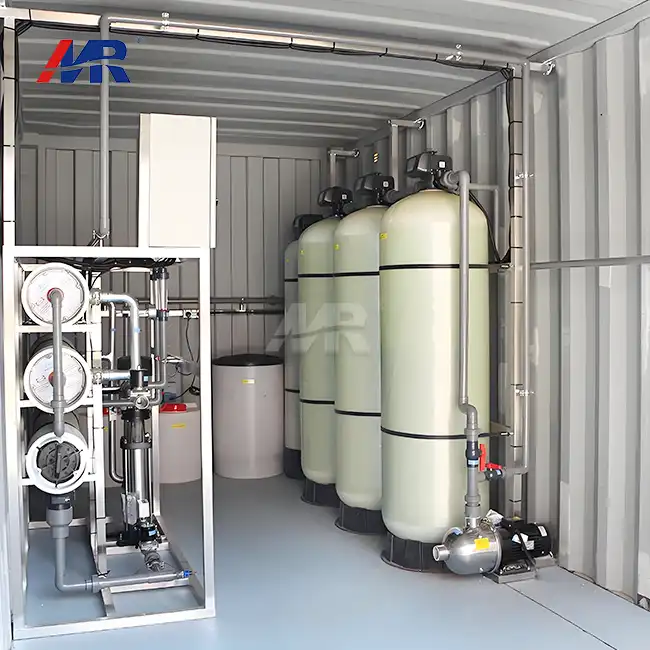
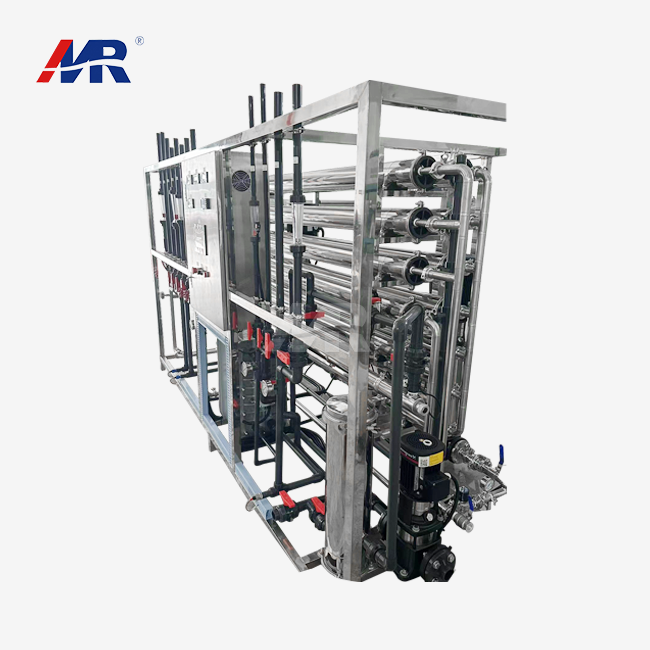
To choose the best dtro plant, you need to carefully look at membrane technology, working efficiency, and the ability to expand the system. Modern membrane filter systems, especially those made for tough jobs like treating leachate from landfills, need to be perfectly matched to the specifics of your wastewater and the equipment's abilities. The best systems are built to last, have smart technology, and use membranes that have been shown to work well in a variety of industrial settings. They do this by consistently removing contaminants while keeping costs low.

Understanding DTRO Technology and Applications
Disk tube reverse osmosis is a completely new way to deal with tough wastewater treatment problems. DTRO technology works better in places with a lot of fouling than standard membrane systems, where reverse osmosis fails. The special shape of the membranes makes them better at managing sludge and keeping fouling under control. This makes these systems especially useful for cleaning up complicated industrial waste water.
This advanced membrane filter technology is used in a wide range of fields, from petrochemical plants to wastewater treatment plants for cities. Extreme changes in pH, high temperatures, and high salinity are all things that the strong design can handle. These are things that would break down normal ultrafiltration or reverse osmosis systems. It is possible to improve the process even when the feed water has heavy metals, organic substances, and solids suspended in it.
Energy efficiency plays a crucial role in modern installations. Advanced systems incorporate variable frequency drives, energy recovery devices, and intelligent chemical dosing systems that minimize operational costs while maximizing permeate quality. The modular design philosophy allows facilities to scale operations incrementally, matching treatment capacity with evolving production demands.
Critical Performance Parameters to Evaluate
When analyzing membrane filtration systems, flux rate is one of the most essential performance metrics that should be considered. There is a clear correlation between increased flow rates and enhancements in productivity as well as decreased membrane area needs. However, the parameters of the feed water, the operating pressure, and the membrane selection all have a significant role in determining the sustainable flux rates.
Contaminant removal efficiency determines whether your system meets discharge regulations and reuse standards. Modern systems achieve rejection rates exceeding 95% for dissolved solids, heavy metals, and organic compounds. The consistency of these removal rates under varying operating conditions separates premium systems from basic alternatives.
Temperature tolerance affects both membrane longevity and treatment effectiveness. Industrial applications often involve elevated temperatures that can damage sensitive membrane materials. Quality systems incorporate temperature-resistant membranes and cooling systems that maintain optimal operating conditions regardless of feed water temperature variations.
The amount of energy utilized and the lifespan of equipment are both influenced by pressure requirements. Powerful pumps, pipelines, and instruments are required for systems operating at 120 bar of pressure, such as the MR-DTRO-120. However, the additional energy expenditure is usually justified by the improved permeate quality and improved rejection of pollutants that result from higher working pressures.
Essential Features for Industrial Applications
Maintenance schedule and operational efficiency are both affected greatly by automation capabilities. Key parameters such as conductivity, pH, pressure differentials, and membrane performance indicators are monitored using modern sensor monitoring systems. Collecting data in real-time allows for predictive maintenance solutions, which in turn reduce unanticipated downtime and increase the lifespan of membranes.
When working with tough industrial wastewater, it is very important that chemicals work well together. The chemical safety of the membrane materials and the fact that the structure and fittings of the DTRO plant are made of stainless steel, which doesn't rust, ensure that the system will work reliably for a long time. Industrial-grade equipment in the DTRO plant can handle changing chemical concentrations without damaging the system, which sets it apart from home or light business equipment.
Cleaning-in-place (CIP) systems make upkeep easier and keep membrane integrity. Automated cleaning cycles, chemical dosing methods that can be changed, and built-in rinse systems cut down on the need for manual work while keeping cleaning effectiveness high. The life of the membrane and the general dependability of the system depend on how well the cleaning system is designed.
Redundancy features protect against production interruptions. Dual-pump configurations, backup instrumentation, and emergency bypass systems ensure continuous operation even during component failures. These features prove especially valuable in critical applications where treatment interruptions result in significant operational or environmental consequences.
Sizing and Capacity Considerations
To make accurate capacity plans, you need to carefully look at your present and future water treatment needs. Peak flow needs, yearly changes, and plans for future growth all affect the right size of the system. Undersized systems have a hard time keeping up with demand during peak times, while large systems don't work well when they're only partially loaded.
Feed water quality variations demand flexible system design. Seasonal changes, process modifications, and raw material variations can significantly impact influent characteristics. Systems capable of handling wide ranges of conductivity, COD levels, and suspended solids concentrations provide operational flexibility that justifies higher initial investment costs.
Pretreatment needs affect both how complicated the system is and how much it costs to run. When prepping is done right, the membrane in the DTRO plant lasts longer, the permeate quality gets better, and cleaning needs to be done less often. Multimedia filtration, chemical precipitation, and pH change systems that are made to fit the needs of the feed water are all common pretreatment technologies in the DTRO plant.
Recovery rates balance water conservation goals with concentrate management requirements. Higher recovery rates minimize waste generation but may compromise permeate quality or increase membrane fouling rates. Optimal recovery rates depend on feed water composition, discharge limitations, and concentrate disposal options.
Quality Standards and Compliance Requirements
Regulatory compliance drives many system selection decisions. Municipal discharge limits, reuse standards, and industry-specific regulations establish minimum treatment performance requirements. Understanding applicable regulations ensures your selected system meets current standards while providing margin for potential future regulatory changes.
Equipment performance and safety can be independently verified by certification standards. The manufacturer's dedication to quality and compliance is shown by their ISO Certifications, CE marks, and local regulatory clearances. In the context of global public health protection initiatives, these certificates take on added significance.
Documentation requirements support regulatory compliance and operational optimization. Comprehensive operating manuals, maintenance procedures, and performance validation data enable effective system management. Quality manufacturers provide detailed documentation that facilitates operator training and regulatory reporting.
Water quality monitoring capabilities ensure continuous compliance verification. Integrated sampling points, online analyzers, and data logging systems provide the documentation necessary for regulatory reporting. Automated monitoring reduces manual testing requirements while improving compliance assurance.
Maintenance and Operational Considerations
Schedules for replacing membranes have a big effect on long-term operating costs. Under standard operating conditions, good membranes should last for two to three years. But strong feed waters, bad operation, or not cleaning the membrane well enough can drastically shorten its life.
The supply of spare parts affects how well a system works and how much it costs to maintain. Manufacturers whose spare parts inventories are complete and whose shipping networks work well keep downtime to a minimum when parts fail. Having local technical help makes it even more likely that problems will be fixed quickly.
The DTRO plant's efficacy and longevity are guaranteed by training standards. Typical machine operation, common maintenance tasks, and problem-solving techniques are all covered in depth in operator training programs. Operators with proper training can detect potential issues at an early stage, preventing minor setbacks from becoming major failures..
With remote monitoring, maintenance and technical help can be done before they break down. Manufacturers can offer real-time help, suggestions on how to improve performance, and planned repair based on internet-connected systems. These services are especially helpful for places that don't have a lot of professional staff in their area.
Cost Analysis and ROI Evaluation
Initial investment costs represent only a portion of total ownership expenses. Equipment purchase price, installation costs, and commissioning expenses establish the baseline investment. However, operational costs including energy consumption, chemical usage, and maintenance requirements often exceed initial capital costs over the system lifespan.
Energy saving has a direct effect on how profitable a business is. Compared to basic systems, advanced pumps, energy recovery systems, and better ways of running them can cut energy use by 20 to 30 percent. For businesses, using less energy means lower prices and better environmental sustainability.
Among the many advantages of water recovery are the decreased costs of raw water and the decreased costs of waste disposal. Reducing supply costs and the need to dispose of concentrate, high-recovery systems increase the amount of treated water produced per unit of feed water. In places where water is scarce or where disposal costs are high, these advantages become even more apparent.
Productivity improvements justify premium system investments through increased production capacity or improved product quality. Reliable water treatment enables consistent production schedules, reduces product rejects, and minimizes process interruptions. These operational benefits often provide rapid return on investment for quality equipment.
Conclusion
Selecting the optimal water treatment system requires careful balance of technical capabilities, operational efficiency, and long-term reliability. The right choice combines proven membrane technology with intelligent automation, comprehensive service support, and manufacturer expertise. Quality systems deliver consistent performance across challenging applications while maintaining compliance with increasingly stringent environmental regulations. Investment in premium equipment pays dividends through reduced operational costs, improved reliability, and enhanced environmental stewardship over the system lifespan.
Choose Morui as Your Trusted DTRO Plant Supplier
Guangdong Morui Environmental Technology delivers comprehensive water treatment solutions, including advanced DTRO plant systems, backed by over 15 specialized workshops and multiple manufacturing facilities across China. Our engineering team combines decades of experience with cutting-edge membrane technology to create systems that exceed performance expectations while maintaining exceptional reliability.
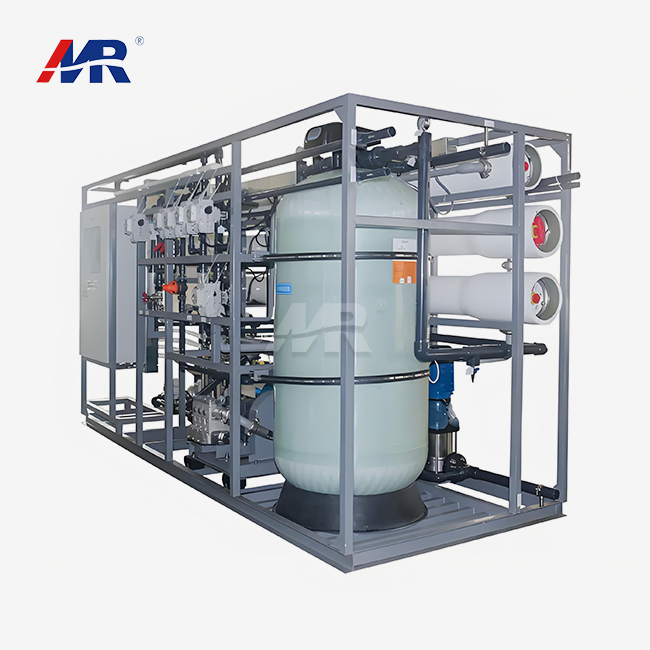
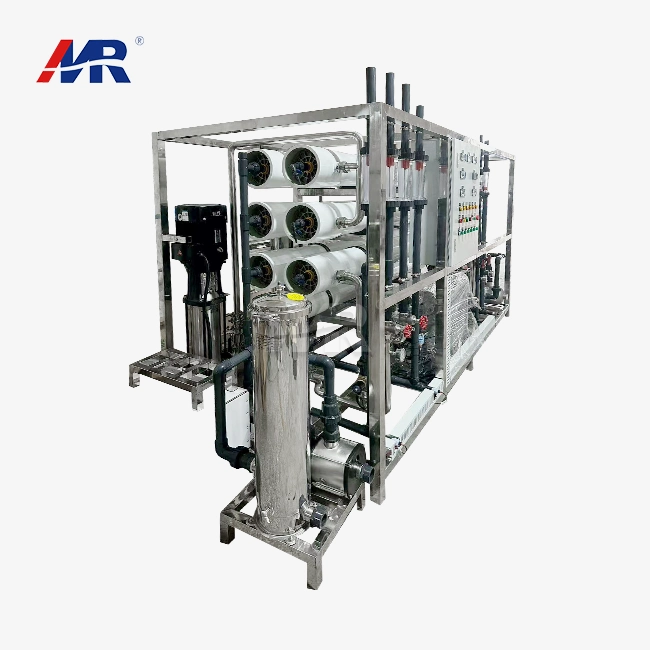
The MR-DTRO-120 exemplifies our commitment to innovation and quality. This advanced system handles challenging applications including landfill leachate treatment with inlet COD levels reaching 25,000 mg/L and conductivity up to 15 ms/cm. The robust 120-bar operating pressure capability ensures superior contaminant removal even under extreme conditions.
Our comprehensive service network spans 14+ branches throughout China, enabling rapid deployment and ongoing Technical support. Most systems ship within three weeks, complete with door-to-door delivery and professional installation services. Our experienced engineers provide on-site commissioning, operator training, and 24/7 remote troubleshooting support.
Premium component selection sets our systems apart from competitors. We utilize Danfoss high-pressure pumps, Toray and Dow membrane elements, and industrial-grade automation systems that deliver years of trouble-free operation. Every system includes comprehensive warranties and access to our extensive spare parts inventory.
Ready to discuss your specific water treatment challenges? Our technical team stands ready to develop customized solutions that meet your exact requirements while providing exceptional value. Contact us at benson@guangdongmorui.com to begin your journey toward reliable, efficient wastewater treatment.
References
1.Chen, L., Wang, M., & Zhang, H. (2023). "Advanced Membrane Technologies for Industrial Wastewater Treatment: Performance Evaluation and Economic Analysis." Journal of Environmental Engineering and Technology, 15(3), 234-251.
2.Rodriguez, A., Thompson, K., & Liu, Y. (2022). "DTRO System Design and Optimization for High-Salinity Industrial Effluents." Water Treatment and Membrane Technology Quarterly, 8(2), 78-95.
3.Kim, S.J., Park, D.H., & Anderson, R. (2023). "Comparative Study of Membrane Fouling Control Strategies in Disk Tube Reverse Osmosis Systems." Industrial Water and Wastewater Management, 29(4), 412-428.
4.European Commission Directorate-General for Environment. (2022). "Best Available Techniques Reference Document for Industrial Wastewater Treatment." Publication Office of the European Union, Luxembourg, 156-189.
5.Williams, P.R., Johnson, M.K., & Yamamoto, T. (2023). "Energy Optimization in High-Pressure Membrane Systems: Case Studies from Industrial Applications." Membrane Science and Engineering Review, 11(1), 67-84.
6.International Water Association. (2022). "Guidelines for Membrane System Selection and Operation in Industrial Water Treatment Applications." IWA Publishing, London, Chapter 7: Advanced Membrane Configurations.