

_1745823981883.webp)

Low-Cost Containerized RO Systems for Industrial Water Supply
In the past few years, the needs for industrial water purification have changed a lot. This is because of strict quality standards and the need for operating freedom. Containerized RO systems are a completely new way to treat water because they put whole reverse osmosis plants inside modified ISO shipping containers. These "turnkey" options get rid of the need for standard infrastructure while still providing excellent water quality for a wide range of industrial uses. These systems solve important water supply problems in the industrial, pharmaceutical, and local sectors. They can handle 50 to 1000 m³/day and remove up to 99% of TDS. Putting advanced membrane technology into portable containers makes rollout faster and operations more efficient than ever before in modern industry settings.
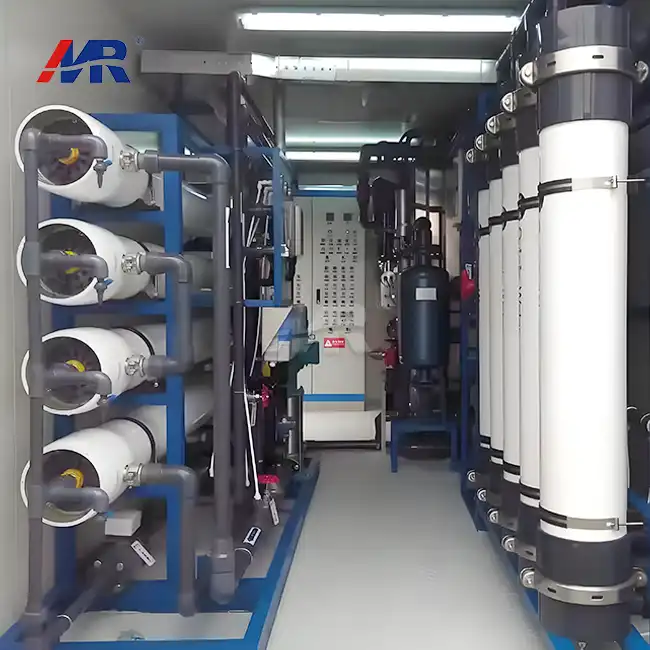
Understanding Containerized RO Systems: Technology and Benefits
Advanced Water Purification in Mobile Containers
Modern industrial water treatment meets problems that have never been seen before and needs answers that are both flexible and reliable. Reverse osmosis technology that fits inside normal shipping containers has become a game-changer for companies that want to clean water effectively without having to make long-term investments in infrastructure. These new systems use cutting-edge membrane filtration and the portability and uniformity of containerized design.
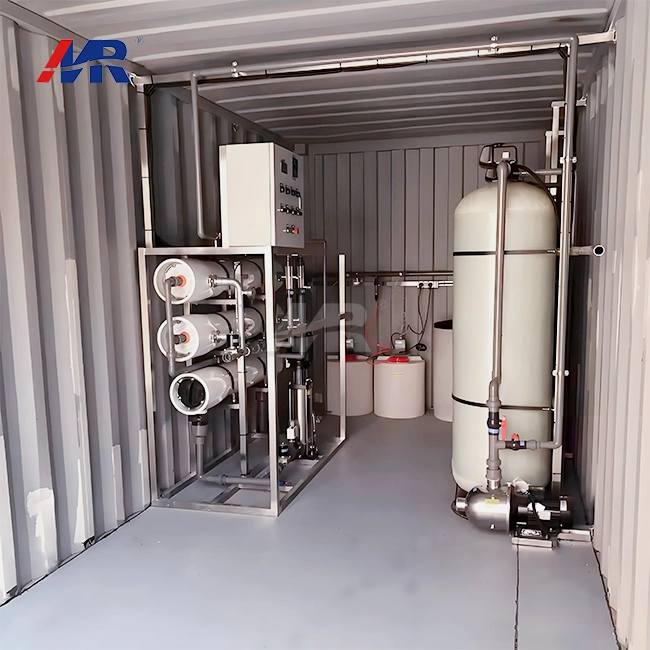
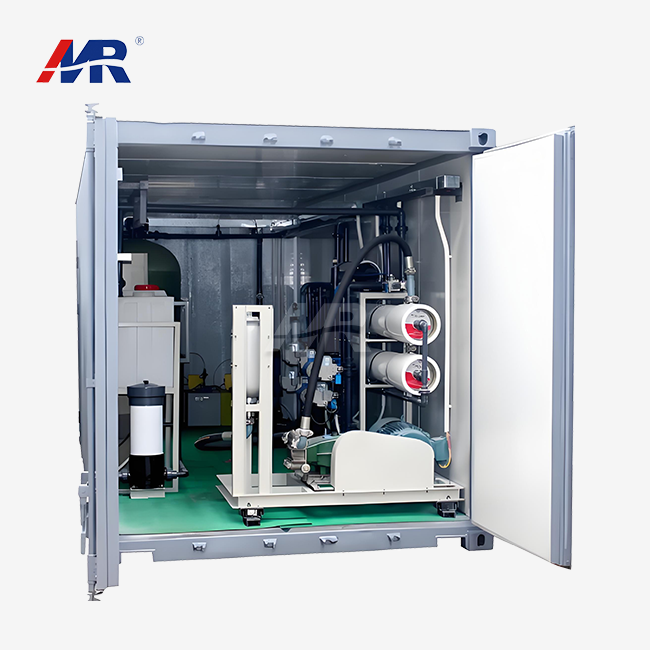
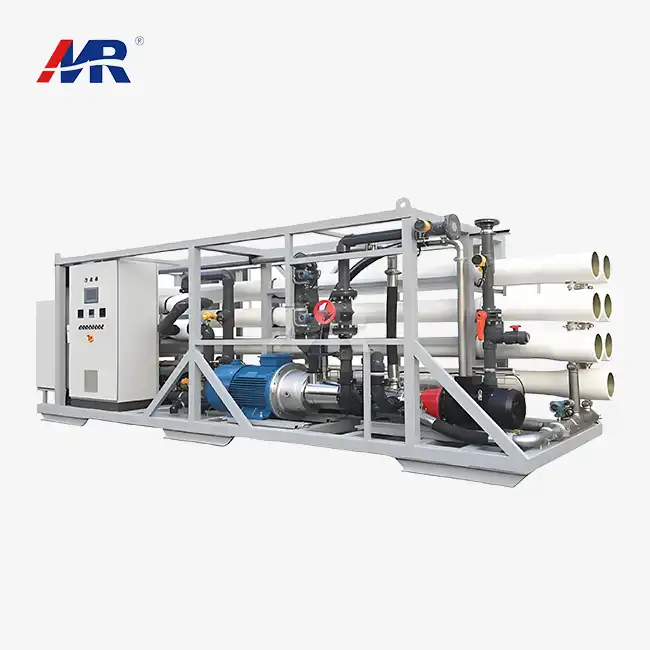
The main idea behind the design is to combine several treatment steps in a climate-controlled space. High-pressure pumps push water through semi-permeable barriers that separate clean water from contaminants. Pre-treatment systems get rid of trapped solids and change chemical parameters. Advanced control systems keep an eye on performance all the time, making sure that the machine works at its best even when the feed water conditions change.
Key Benefits Driving Industrial Adoption
The benefits of containerized water treatment go far beyond being easy to move around. Here are the main advantages that are changing how businesses clean water:
- Rapid deployment capability: pre-assembled and factory-tested units need little preparation on-site, which cuts project timelines from months to weeks.
- Scalable modular design: To meet growing capacity needs, multiple containers can be linked together without major changes to the infrastructure.
- Environmental protection: The strong construction of containers keeps fragile equipment safe from hard conditions like high temperatures, dust, and harmful atmospheres.
- Lower total cost of ownership: less CAPEX because the building doesn't have to be built and less OPEX because it uses less energy.
These benefits directly lead to more flexible operations and better financial results. Manufacturing facilities can clean water in outlying areas without having to do a lot of work on the site, and emergency response teams can get important water supplies to people within hours of arriving.
Energy Efficiency and Performance Standards
Modern containerized systems have energy recovery devices that take pressure from concentration streams and use it again. This can cut power use by up to 60% compared to traditional setups. Variable frequency drives make the best use of the pump's power based on real-time demand, and new membrane materials have salt rejection rates that are higher than 99.5% for use in saltwater.
Comparing Low-Cost Containerized RO Systems with Other Water Filtration Solutions
Traditional Fixed Installations vs. Containerized Solutions
There are big changes in how they work and how much they cost between a regular water treatment plant and a containerized RO system. For standard installs, you need a lot of civil engineering work, like pouring concrete foundations, building structures, and making permanent links to utilities. With this method, building usually takes 6 to 12 months and costs a lot to get the place ready.
Containerized options come as fully tested systems that only need to be hooked up to power and water. Installation is usually done in days instead of months, which greatly lowers project risk and speeds up operating timelines. The standard container style makes sure that quality control is always the same by following strict rules for testing and assembly in the workplace.
Packaged RO Systems vs. Containerized Units
While packaged RO systems are more modular than standard setups in some ways, they don't offer the same level of safety and integration as containerized designs. Usually, packaged units need their own control rooms, places to store chemicals, and shelter from the weather, which makes the whole project more complicated and expensive.
All the parts that are needed for a containerized system are put together in one protected structure. This combination includes chemical dosing systems with secondary control, electricity panels that meet foreign standards, and HVAC systems that keep the right temperatures for operation. The end result is a plug-and-play system that doesn't need much technical know-how to work.
Container Size Selection for Optimal Performance
Whether to use a 20-foot or 40-foot container relies on how much space you need and the restrictions of your spot. Smaller containers work best in situations where they need to be moved around a lot or where room is limited. Larger units, on the other hand, can hold more chemicals or extra tools and treat more people at once.
Because it is modular, it's possible for multiple containers to run at the same time, which increases capacity and provides practical resilience. This adaptability is very helpful in manufacturing settings where a steady water flow is important for making things.
Selecting the Best Low-Cost Containerized RO System for Your Industrial Needs
Critical Technical Parameters for System Selection
A thorough study of the feed water's characteristics and treatment goals is the first step in choosing the right method. Total dissolved solids content, hardness levels, and certain toxins determine which membrane to use and what kind of pretreatment is needed. To ensure long-term sufficiency, capacity needs must take into account times of high demand and plans for future growth.
Energy efficiency measures have a big effect on operational costs, especially for apps that run a lot of times. Different recovery rates, from 35% for seawater to 85% for brackish water, have a direct effect on the amount of water waste and the cost of getting rid of it. Modern systems reach these levels of efficiency by using advanced membrane setups and hydraulic designs that work better.
Supplier Evaluation and Quality Assurance
Comprehensive testing methods and quality Certifications are ways that leading makers show what they can do. ISO 9001 certification means that quality control systems have been set up, and plant acceptance testing makes sure that performance claims are true before the product is shipped. Suppliers with a good reputation back up their equipment standards with clear technical paperwork and performance guarantees.
The following are the most important factors to consider when choosing a containerized RO system supplier:
- Manufacturing capabilities: Making membranes and equipment in-house ensures quality control and expert help.
- Global service network: Technical help and extra parts are available locally, so downtime and upkeep costs are kept to a minimum.
- Customization expertise: being able to change plans to meet specific water quality issues or government rules
- Financial stability: Trustworthy long-term support promises from well-known companies with a history of success
These evaluation factors help procurement teams find partners they can trust to offer complicated water treatment solutions. Spending time and money to carefully evaluate suppliers pays off by making the system more reliable and lowering business risks.
Financing and Procurement Strategies
Modern ways of buying things include flexible payment choices that can be used to meet a wide range of project needs and price limits. Lease agreements lower the amount of initial cash needed and offer tax benefits for the business. Renting is a good choice for short-term water treatment needs like those in test projects or temporary uses.
The full cost of ownership analysis should include the price of the original tools, the cost of setting up the containerized RO system, the cost of running the system (including energy and supplies), and the upkeep that needs to be done over its lifetime. This all-around method shows what the real economic effects of various system designs and provider choices are.
Installation, Operation, and Maintenance Best Practices
Streamlined Installation Procedures
For professional installation of containerized water treatment systems, the preparation of the site and the arrival of the equipment must be carefully coordinated. The site must have level concrete pads that can hold the weight of full containers, power and water lines, and enough space to get to and maintain the equipment.
The plug-and-play style makes installation easier, but making sure it's properly configured is important for getting the best results. As part of this process, the membrane protection is removed, the system is cleaned, and the function is checked. Most installs are finished by experienced techs in two to three days, which means that the system can be put to use quickly.
Operational Excellence Through Automated Control
Modern containerized RO system units have cutting-edge control systems that take care of all the work themselves. Programmable logic controls keep an eye on important factors like feed pressure, permeate quality, and membrane differential pressure. Automated cleaning processes keep the membranes working well, and human-machine interfaces let workers see the state of the system in real time and see how it has performed in the past.
Daily operational requirements focus on visual inspections, parameter logging, and tracking of consumables. Routine tasks like starting up, cleaning, and shutting down are taken care of by automated systems. This automation lowers the level of skill needed by operators while keeping performance constant in all kinds of working situations.
Proactive Maintenance for Maximum Reliability
Preventive repair plans make systems more available and tools last longer. Important upkeep tasks include checking that the membranes are clean, checking the pump seals, and calibrating the instruments. Routine repair is usually done once a month, and full system overhauls are done once a year.
Keeping track of spare parts supplies is essential for keeping operations running smoothly. Spare parts that are suggested are membrane elements, pump seals, and important instruments. Suppliers usually give lists of suggested extra parts based on how the system is set up and how it is supposed to work.
Applications and Case Studies of Low-Cost Containerized RO Systems
Industrial Sector Applications
Containerized water treatment is used in the manufacturing industry for a wide range of tasks, from boiler feed water to precise cleaning. Food and drink makers need regular water quality to make sure their Products are safe and taste the same every time. Pharmaceutical companies rely on these devices to make sure that their process water meets strict GMP standards.
In the electronics business, ultrapure water is very important for making semiconductors, which is a very demanding application. Containerized RO system solutions are the basis for multiple-step cleaning methods that make water with a resistivity higher than 18 megohm-cm. With this feature, precise manufacturing methods can be used, and the capacity can be changed as needed to meet changing production needs.
Remote and Emergency Applications
Containerized systems are used by mining companies in remote areas to clean brackish groundwater or process water for mineral extraction. The strong construction can handle rough situations like temperature changes, dust, and vibrations from nearby activities. Energy recovery systems cut down on power use, which is important for places that aren't connected to the grid and use gas engines.
Emergency reaction situations show how important it is to have the ability to quickly send resources. During natural disasters, water infrastructure in cities is often damaged, making safe drinking water very important right away. Containerized systems can be flown to disaster zones and start working within hours, giving people who have been forced to leave their homes access to water that they need to stay alive.
Sustainability and Environmental Impact
By using less power and leaving less of a carbon footprint, energy-efficient designs help the world in a big way. High recovery rates are possible with new membrane technologies, which reduce the amount of water trash and concentrate that needs to be thrown away. In places where water is scarce, this economy is especially useful because every gallon of cleaned water counts.
Through optimized pretreatment designs, case studies from different commercial sites show measurable environmental benefits from the containerized RO system, such as saving 40–60% of energy compared to traditional systems and 95% of chemicals used. These changes directly lead to lower running costs and better environmental compliance.
Conclusion
Containerized RO systems have changed the way industrial water is treated by mixing cutting-edge technology for purification with a level of deployment freedom that has never been seen before. The addition of full treatment capabilities to normal shipping containers meets important industry needs for quick implementation, operating reliability, and cost-effective water supply options. These systems have been used successfully in industry, government, and emergency response. They offer measurable benefits such as lower installation costs, higher working efficiency, and better environmental sustainability. For current industrial water treatment needs, containerized systems are the best option because membrane technology and automation are always getting better.
FAQ
1. What is the typical lifespan of a containerized RO system?
Containerized RO systems that are well taken care of can usually work well for 15 to 20 years as long as they get regular upkeep and have their membranes replaced. The strong structure of the container and high-quality parts make it reliable over time in industry settings.
2. Can systems be customized for specific contaminants?
Yes, containerized RO system designs can be extensively customized to address specific water quality challenges. You can change the pretreatment, choose the right membrane, and choose different post-treatment choices to get rid of particular contaminants like heavy metals, organic compounds, and certain dissolved salts.
3. What warranty and support should I expect?
Reputable makers usually offer 12- to 24-month warranties that cover all problems with the equipment and promise its performance. Ongoing technology help includes the ability to watch from afar, preventative repair plans, and the ability to get spare parts quickly through global service networks.
Partner with Morui for Your Industrial Water Treatment Needs
Guangdong Morui Environmental Technology Co., Ltd stands ready to deliver cutting-edge containerized RO system solutions tailored to your specific industrial water supply challenges. Our comprehensive expertise spans 14 branches with over 500 dedicated employees and 20 experienced engineers, ensuring unmatched Technical support and manufacturing capabilities. As a leading containerized RO system manufacturer, we combine innovative membrane technology with proven engineering excellence to deliver turnkey solutions that exceed performance expectations. Our ISO 9001-certified facilities and in-house membrane production capabilities guarantee quality and reliability for your critical water treatment applications. Contact our technical team at benson@guangdongmorui.com to discuss your requirements and discover how our containerized solutions can optimize your operational efficiency while reducing total cost of ownership.
References
1. Industrial Water Treatment Systems: Design and Performance Analysis. Journal of Environmental Engineering, 2023.
2. Containerized Water Treatment Technologies for Remote Applications. Water Technology International, 2024.
3. Energy Efficiency in Reverse Osmosis Systems: A Comprehensive Study. Desalination and Water Treatment Journal, 2023.
4. Cost-Benefit Analysis of Modular Water Treatment Solutions. Industrial Water Management Review, 2024.
5. Emergency Water Supply Systems: Rapid Deployment Technologies. Disaster Response Engineering Quarterly, 2023.
6. Sustainable Water Treatment Technologies for Industrial Applications. Environmental Technology and Innovation, 2024.
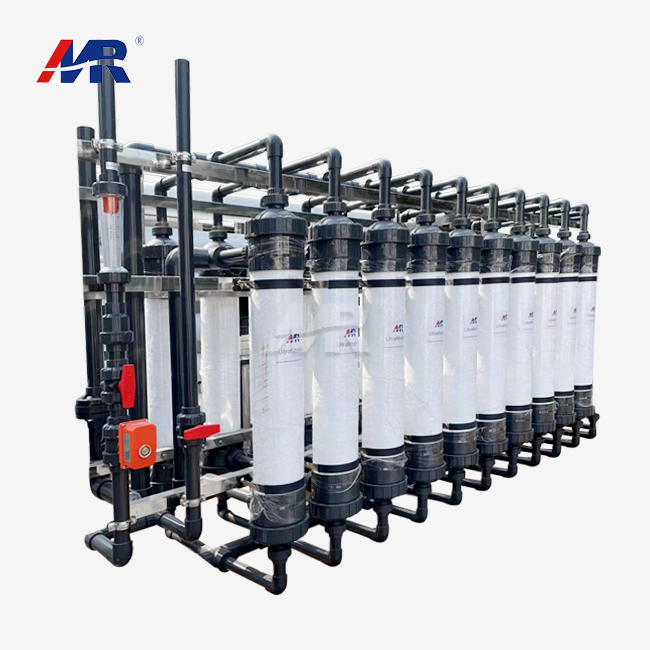 VIEW MOREultrafiltration drinking water system
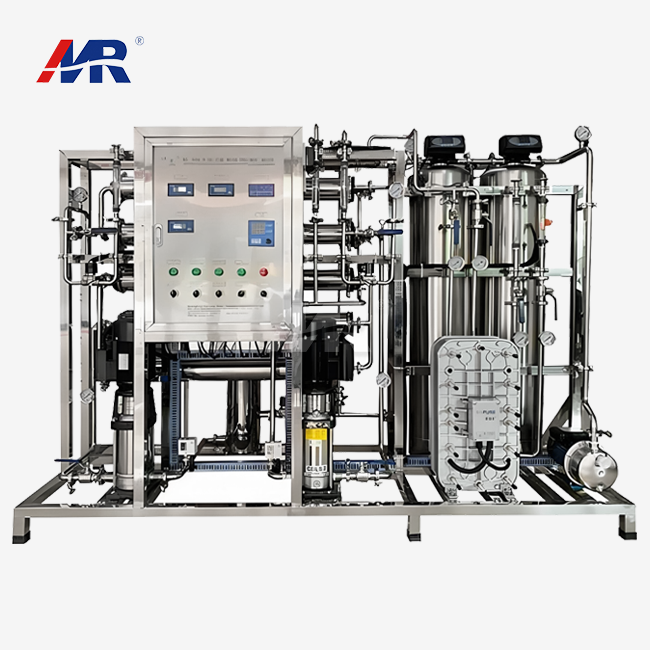 VIEW MOREElectrodeionization system
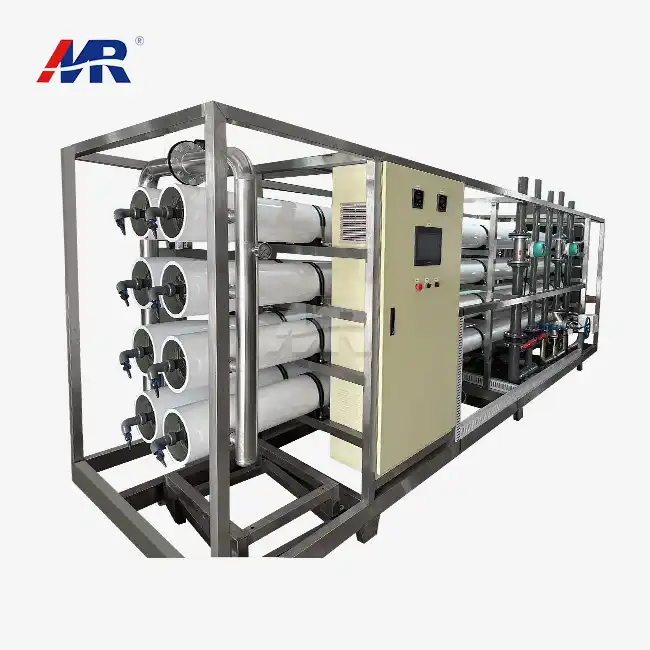 VIEW MORE8m3/hour two pass reverse osmosis system
 VIEW MOREcontainerized water treatment systems
 VIEW MORE150m3/hour reverse osmosis plant
 VIEW MOREcontainerized UF+RO system
 VIEW MOREosmosis drinking water system
 VIEW MORE20m3/hour seawater desalination equipment
