_1745823981883.webp)

Reverse Osmosis Systems for Pharmaceutical Water Preparation: Standards and Best Practices
Pharmaceutical manufacturing demands the highest water quality standards, making reverse osmosis systems indispensable for producing purified water that meets strict regulatory requirements. These advanced water treatment systems utilize semi-permeable membranes to remove contaminants at the molecular level, ensuring pharmaceutical Products maintain their safety, efficacy, and compliance with international standards. Understanding the technical specifications, regulatory frameworks, and operational best practices for pharmaceutical RO systems is essential for procurement professionals seeking reliable water purification solutions that support critical manufacturing processes.

Understanding Reverse Osmosis Systems in Pharmaceutical Water Preparation
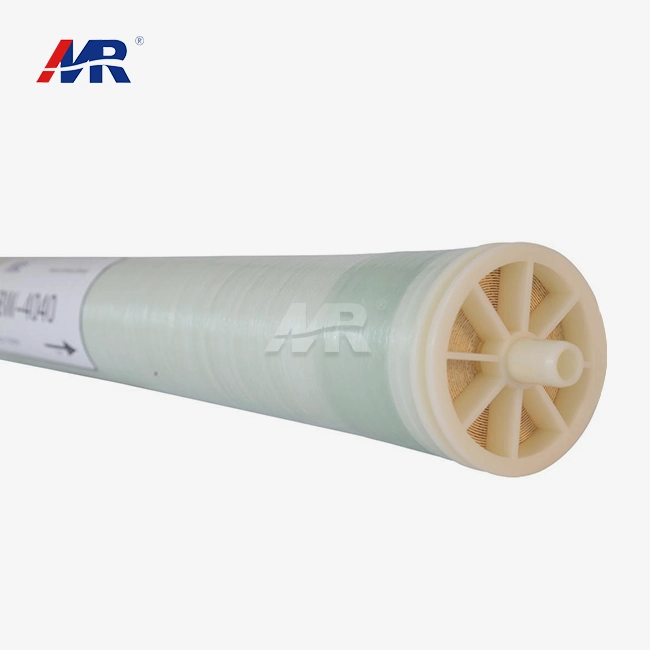
Reverse osmosis devices are now the best way to make very clean water, and the pharmaceutical business has seen a lot of changes in water treatment technology. For the RO method, filters with holes about 0.0001 microns wide are used. It is possible for water molecules to pass through these holes, but not for dissolved salts, bacteria, viruses, or organic substances that could harm medicinal goods.
The Multi-Stage RO Filtration Process
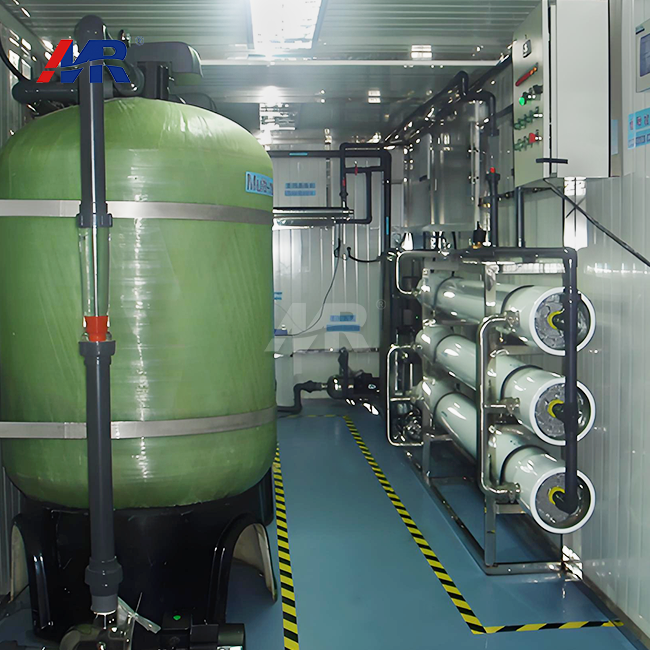
To get rid of as many contaminants as possible, modern hospital RO systems are very complicated and have many steps. Sand screens, which get rid of particles bigger than 5 microns, are used in the first steps of the system. Parts further down the line don't get stopped up too soon because of this. VOCs, chlorine, and other chemicals that could damage the ro membrane are taken out by carbon filters that use activated carbon from coconut shells.
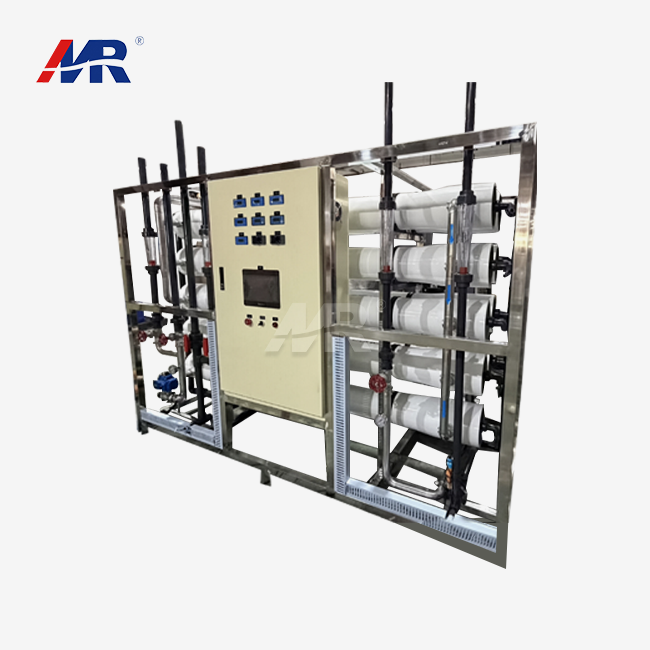
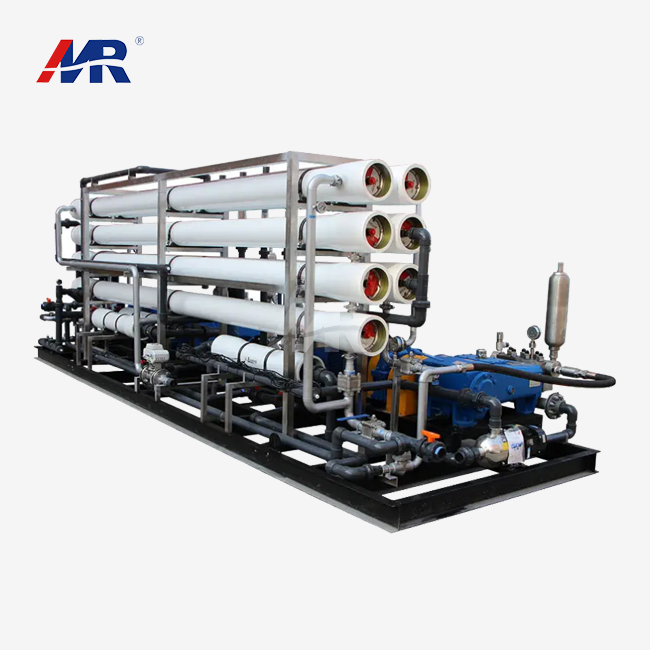
During the reverse osmosis membrane step, water that is under pressure goes past a wall that only lets some water through. Most of the time, this process makes 1:1 filtered water to trash concentrate. However, it can make 1:2 or 1:3 depending on how the system is set up and the needs of the water quality. The clear water, called percolate, collects in clean holding tanks, while salty wastewater leaks out as concentrated contaminants.
Comparative Advantages Over Alternative Methods
RO is a more regular and reliable way to treat water than older methods like distillation or basic carbon filtration. This is important for medicinal uses. Carbon filters by themselves can't get the purity levels needed for making drugs, while distillation systems use a lot more energy and need a lot of maintenance. The fact that RO systems always work and always make high-quality water makes them great for large-scale medicine production.
To get rid of dissolved solids, the technology works very well. It can lower the levels of total dissolved solids (TDS) to less than 10 parts per million, which is a lot better than what regular filter methods can do. This steady performance makes it possible for pharmaceutical businesses to keep the quality of their goods high and follow strict legal rules across multiple production batches.
Standards and Compliance Requirements for Pharmaceutical RO Water Systems
Foreign rules and quality standards are hard for pharmaceutical water systems to deal with. They have to make sure their goods are safe and follow the rules. The FDA, the WHO, the EP, and the USP all have rules about the quality of therapeutic water.
USP and FDA Regulatory Framework
There are specific rules that the USP standards say Purified Water and Water for Injection (WFI) must meet. They set top limits for total organic carbon (TOC), conductivity, and the amount of germs that can be present. For medical use, reverse osmosis systems must always produce water that meets these strict standards. At 25°C, the conductivity number must be less than 1.3 microsiemens per centimeter.
Current Good Manufacturing Practice (cGMP) rules from the FDA say that the performance of the water system must be fully recorded and proven. There are steps for installation qualification (IQ), operation qualification (OQ), and performance qualification (PQ) in these rules. These steps for approval make sure that RO systems always make water of the same quality over the course of their useful lives. They also keep records that can be used to check with the government.
European and International Standards Compliance
The USP conditions and the European Pharmacopoeia guidelines are a lot alike. They also have extra rules for certain ion amounts and endotoxin levels. Drug companies from around the world need to make sure that their RO systems can meet more than one set of laws at the same time. This needs complicated tracking and system-building tools.
Pharmacy water systems can be more sure of their operation and approval when they use quality management systems that follow the rules of ISO 9001. These standards stress how important it is to keep getting better, controlling risks, and keeping track of paperwork. These are all things that must be done to follow the rules in many foreign markets.
Selecting the Right Reverse Osmosis System for Pharmaceutical Use
A lot of scientific and practical factors affect how well the system works and how well it meets legal requirements. To choose the right RO system for pharmaceutical uses, you need to give these factors careful thought. It's important to think about the water output possibilities because places that make medicines need to be able to get water quickly so they can stick to their production plans.
System Configuration and Capacity Planning
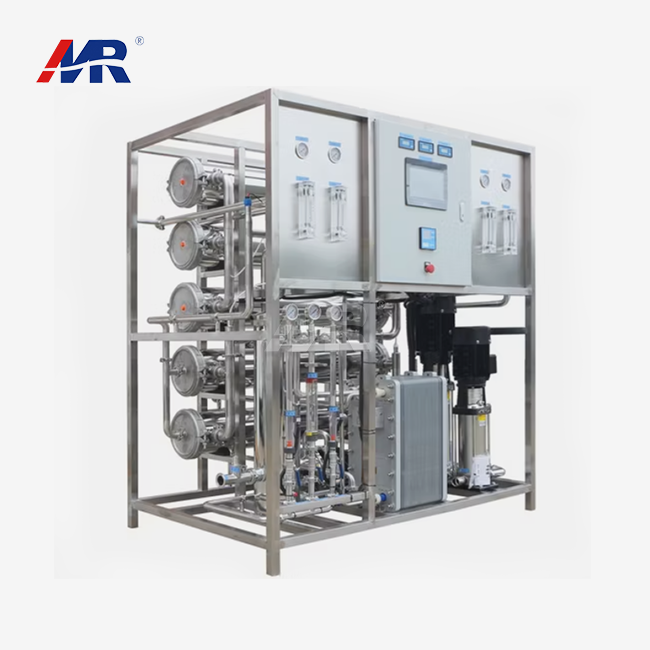
There are many different types and sizes of pharmaceutical reverse osmosis systems. There are small lab units that can make 100 gallons of water every day and huge industrial systems that can make thousands of gallons of water every hour. A point-of-entry system brings clean water to the whole production center, while a point-of-use system only serves one piece of equipment or process.
The following important things affect the choice of which method to use:
- Production needs—Systems must be able to handle times of high demand while keeping water quality fixed during production plans that can be changed at short notice.
- Not much room and the need to put things—Pharmaceutical buildings don't usually have a lot of space, so systems need to be small and work with what's already there.
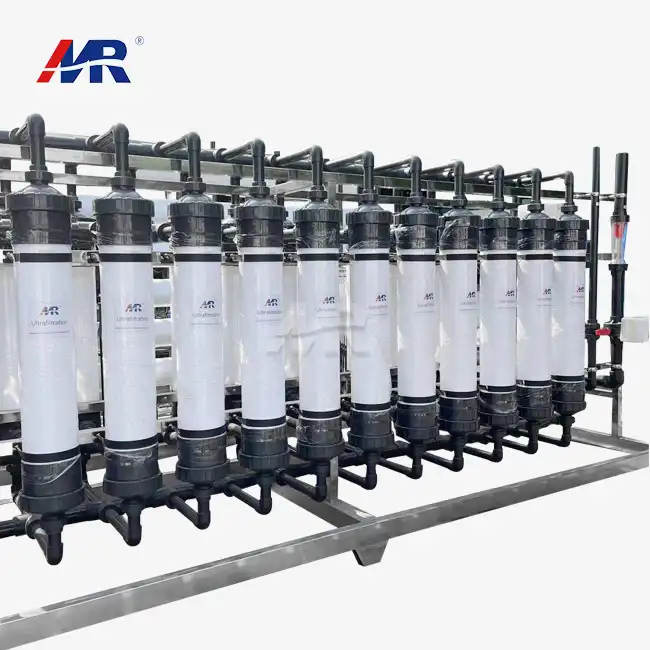
- The ability to work with other types of water treatment—UV, electrodeionization (EDI), and ozone systems are often used together with RO systems to clean water completely.
- Low energy use and low operating costs—Modern RO systems use energy recovery devices and variable frequency drives to keep performance high and operating costs low.
People who work in procurement can use these things to find ways to meet the goals of legal compliance, practical efficiency, and long-term growth plans.
Technology Integration and Advanced Features
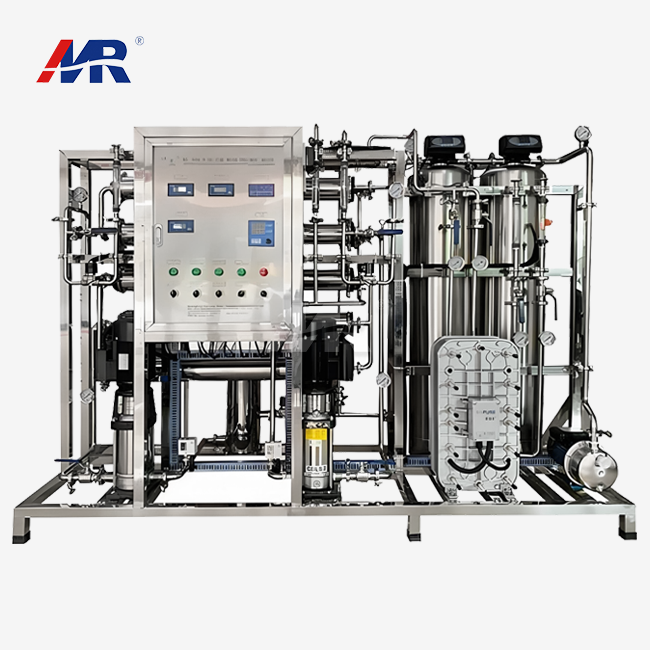
Modern pharmacy RO systems use advanced control and tracking technologies that make operations more reliable and make it easier to keep track of paperwork for compliance. TOC monitors, automatic sanitization systems, and real-time monitoring of conductivity all make sure that the quality of the water is always good without the need for human control.
Integration with existing building management systems lets you keep an eye on things from afar and send reports automatically, including for the reverse osmosis water treatment system. This makes it easier to keep up with regulations and lowers the cost of running the business. The higher costs of the initial investment are worth it because these advanced features improve efficiency and lower the risk of legal trouble.
Installation, Operation, and Maintenance Best Practices
For a pharmacy RO system to work properly, you need to carefully follow the installation steps, working rules, and planned preventative maintenance. These will help you make sure the system works well and follows the rules. By installing the system properly and following the manufacturer's directions as well as government rules, you can avoid common operating problems that could affect the quality of the water or the efficiency of the system.
Professional Installation and Commissioning
For the system to work well and follow the law, it must be put in place by skilled professionals who know what the pharmacy water system needs. The first thing that needs to be done during installation is a careful check of the spot to make sure there is enough space, power, and good weather for the system to work.
Before installation, you need to make sure that the electricity needs are met, that the water supply is strong and of good quality, and that the drains can handle the wastewater. Putting pipes in the right place with pharmaceutical-grade materials keeps them clean and makes sure the system lasts as long as it needs to. This also meets the law standards for material.
Preventive Maintenance and Performance Optimization
Routine repair plans that are based on how often drugs are used help keep the water quality steady and avoid unplanned downtime. Depending on how good the feed water is, pre-filters need to be changed every three to six months. But if you clean and take care of RO membranes properly, they can last for two to three years.
Taking care of the system in these ways makes it work better:
- Changing filters on a regular basis based on what the maker says and what we know about how well they work
- Clean and sanitize the membrane using chemicals and methods that are allowed and safe for the membrane's health.
- The checking of parts of the system, like valves, pumps, and tracking gear to find issues before they stop working.
- Checking and writing down the quality of the water to make sure that the rules for medicinal water are still being followed
These thorough repair steps make tools last longer and make sure that the water quality stays good enough for pharmaceutical manufacturing for as long as the system is in use.
Cost Considerations and Procurement Strategies for Pharmaceutical Reverse Osmosis Systems
When buying pharmacy reverse osmosis water treatment systems, it's important to think about the total cost of ownership, which includes the price of the system itself as well as the costs of setting it up, running it, and keeping it over the course of its predicted lifetime. When you know these parts of costs, you can make smart decisions that help you follow the rules, run your business efficiently, and keep your finances in good shape.
Total Cost of Ownership Analysis
30 to 40 percent of the total cost of owning tools is usually the price you pay for them at first. Most of the long-term funding goes toward running costs like electricity, supplies, and repairs. The amount of energy used, the electricity rates in the area, and the way the business is set up can all have a big effect on the costs. So, picking a system that uses less energy is important for keeping long-term costs down.
All the way through the life of the system, costs like new filters, membranes, and cleaning chemicals need to be planned for in the budget. Even though high-quality parts cost more at first, they generally work better and last longer, which means that the total cost of ownership is cheaper even though the initial amount spent was more.
Procurement Risk Management and Supplier Evaluation
By picking reliable providers with a track record in the pharmaceutical industry, you can lower the risks of procurement, ensure long-term system support, and get help with legal compliance. You should look at a supplier's technical know-how, quality control systems, and service support centers that are set up to meet the needs of pharmaceutical production.
You can protect yourself against costs you didn't expect and system downtime that could slow down output with warranty coverage and service agreements. It's worth the extra money to get service agreements that cover performance guarantees, preventative maintenance, and emergency assistance. These agreements lower business risk and make the system more reliable.
Conclusion
Reverse osmosis machines are used to clean pharmaceutical water. This is an important part of modern pharmaceutical production that has a direct impact on the quality of the products, compliance with regulations, and the speed of the operations. If drug firms know about the legal requirements, technical requirements, and best practices for running reverse osmosis systems, they can choose systems that meet strict water quality standards and support long-term business operations. Putting money into well-designed and well-kept RO systems pays off in the long run by offering stable water quality, making sure that rules are followed, and keeping costs low in a way that supports high-quality pharmaceutical production.
FAQ
1. How often should pharmaceutical RO systems undergo maintenance?
Every three to six months, pharmacy RO systems need to be fully checked. This depends on how often they are used and the quality of the water they need to work. Pre-filters need to be changed every three to six months, but if you take good care of them, RO membranes can last for two to three years. Fixing things on a regular basis keeps them in good shape so they don't break down at the worst possible time, which could delay the production of medicines.
2. Can RO systems alone meet all pharmaceutical water standards?
RO technology is the main way that pharmaceutical water systems clean water. However, UV cleaning, electrodeionization (EDI), and ozone treatment are also common steps that need to be taken to fully meet strict pharmaceutical water standards like Water for Injection or Purified Water. When you use these two cleaning methods together, you get rid of all the dirt and germs, which is important for making medicines.
3. What is the expected lifespan of pharmaceutical RO systems?
Pharmaceutical RO systems usually last between 5 and 10 years if they are well taken care of and get new parts when they wear out. The quality of the feed water, how hard it is used, how well it is kept, and the parts all affect how long the system lasts. Fixing things as they go wrong and getting new parts can make a system last longer and keep the water clean enough for pharmaceutical production.
Partner with Morui for Advanced Pharmaceutical Water Solutions
The reverse osmosis systems that Morui Environmental Technology plans and builds are safe enough for use with pharmaceuticals and meet the highest international standards for water quality. We are one of the best companies that make reverse osmosis systems and have more than 14 sites with more than 500 dedicated workers. We offer full water treatment solutions that include creating the system, installing it, getting it up and running, and giving ongoing Technical support. Our Team of 20 experienced engineers and in-house membrane production center supports success in pharmaceutical manufacturing through tight quality control and cutting-edge technology. Email us at benson@guangdongmorui.com to talk about how you want to treat pharmacy water and learn how our cutting-edge RO systems can help you make more money while still following the rules.
References
1. World Health Organization. Guidelines for Drinking Water Quality: Fourth Edition, Incorporating the First Addendum. Geneva: WHO Press, 2017.
2. United States Pharmacopeial Convention. USP-NF 2023: The Official Compendia of Standards. Rockville: USP, 2023.
3. International Conference on Harmonisation of Technical Requirements for Registration of Pharmaceuticals for Human Use. ICH Q7 Good Manufacturing Practice Guide for Active Pharmaceutical Ingredients. Geneva: ICH, 2000.
4. European Medicines Agency. Guidelines on the Quality of Water for Pharmaceutical Use. London: EMA, 2019.
5. American Society for Testing and Materials. ASTM D1193-06 Standard Specification for Reagent Water. West Conshohocken: ASTM International, 2018.
6. International Organization for Standardization. ISO 14644-1:2015 Cleanrooms and Associated Controlled Environments. Geneva: ISO, 2015.