

_1745823981883.webp)

Top Affordable Reverse Osmosis Systems for Offices: Balancing Cost and Quality
When choosing the right reverse osmosis system for your office, you need to carefully think about both your budget and how well the system should work. Today's methods for cleaning water in the workplace have changed a lot. New filter technologies now offer great value for businesses. The best office water treatment options are both reliable and affordable. They make sure that everyone always has access to clean drinking water while keeping costs low. Quality filter systems not only make workers healthier and happier, but they also show that companies care about fitness programs at work.
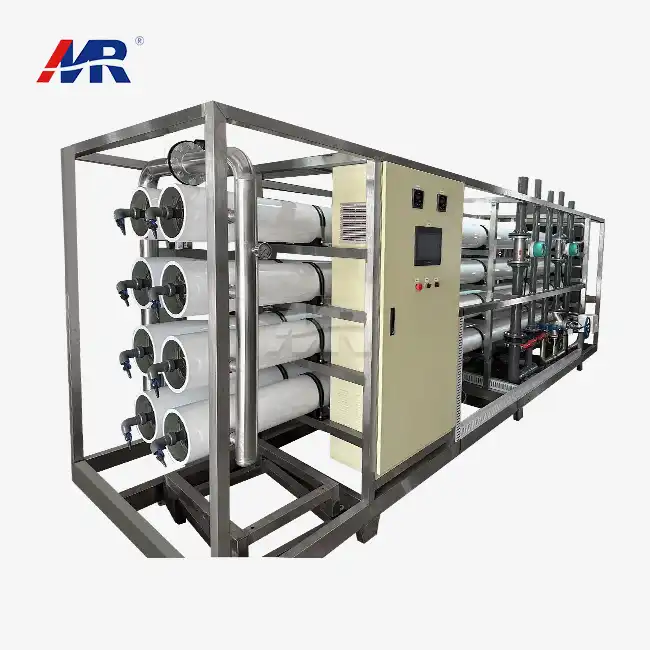
Introduction
To keep an office healthy and effective, drinking water that is clean and safe is important. Reverse osmosis systems are now the first choice for many B2B procurement workers because they give clean water quickly and reliably. This detailed guide is meant to help buying managers, building engineers, and distributors choose low-cost but high-quality RO systems that can meet the water needs of offices without sacrificing performance or cost-effectiveness.
Today's workplace needs options that strike a mix between operational excellence and cost-effectiveness. Technologies for treating water have come a long way, and now they offer more advanced ways to clean water at prices that are easier for more people to afford. Focusing on useful information and reliable choices will help readers make smart choices about what to buy for their businesses. Knowing the ins and outs of business water treatment will help you get the most out of your investment and make sure that your employees can drink enough water every day.
Understanding Reverse Osmosis Systems for Office Water Needs
How Reverse Osmosis Technology Works
A semi-permeable membrane is used in reverse osmosis technology to clear impurities and contaminants from water. This makes it very useful for office settings. The process starts with pre-filtration steps that get rid of bigger particles, chlorine, and organic matter that could hurt the ro membrane. After that, under pressure, water goes through the core filtering stage. There, a semi-permeable layer stops dissolved salts, chemicals, and microorganisms from passing through but lets only pure water molecules pass through.
There are several steps in the filter process that all work together to make the water very clean. Most pre-filters have sediment filters that get rid of dirt and particles and carbon filters that lower the amount of chlorine and volatile organic compounds in the water. The reverse osmosis system membrane has very small holes, about 0.0001 microns wide, that get rid of up to 99% of dissolved contaminants. Post-filters polish the water one last time to get rid of any tastes or smells that are still there before it gets to the pouring point.
Benefits for Office Environments
Office water cleaning systems have many benefits that have a direct effect on how productive and happy employees are at work. Adding flavor to water makes people more likely to drink it, which has been shown in tests to improve brain function and make people less tired at work. Getting rid of common pollutants like sodium, arsenic, and lead saves workers' health and shows that the company cares about their well-being at work.
Environmental benefits include a big drop in the amount of plastic bottle trash, which helps companies with their green efforts and lowers the cost of buying bottled water. Modern RO systems use less energy, which keeps running costs low. Also, being able to get clean water whenever you want takes away the hassle of scheduling water delivery services. These systems also provide stable water quality, even if the local supply changes. This means that your employees will always be able to get water.
Comparison with Other Purification Methods
When looking at different ways to treat water, reverse osmosis systems always do a better job of getting rid of all contaminants. You can get rid of chlorine and improve the taste of water with carbon filters, but they can't get rid of heavy metals or minerals that have been dissolved. UV filters kill germs and viruses well, but they don't touch chemical contaminants. While distillation systems do a great job of cleaning, they use a lot more energy and move much more slowly than RO technology.
Because reverse osmosis works in several stages, it can fix the widest range of water quality problems. This makes it perfect for offices with different types of water quality. Even though they may cost more to buy at first than basic filtering systems, they are a better deal for professional settings because they can clean more effectively and cost less to run in the long run.
Top Affordable Reverse Osmosis Systems for Offices in 2026
Essential Selection Criteria
To choose the best RO system, you need to find a balance between price and quality. You should think about things like how well the system filters water, how much energy it uses, what the guarantee covers, and how well the system works after the sale. In today's offices, systems need to work well with the current technology and cause as little downtime as possible. Some of the most important performance markers are the daily ability to produce water, the rate of recovery, and the membrane's lifespan.
When making a budget, you should think about not only the original purchase price but also the continuing costs of running the business, such as replacing filters, using energy, and possibly needing service. When you do a quality review, you look at membrane technology, building materials, and the name of the manufacturer. In offices, where people expect to always be able to get water during work hours, system stability is very important.
Point-of-Use vs. Point-of-Entry Systems
Point-of-use systems, which can be put under kitchen sinks or in break rooms, clean water specifically for drinking and making drinks. Usually, these small units can work well for 20 to 50 workers while keeping installation and running costs low. The localized method makes upkeep easier and makes changes to the building's water system easier to make.
Point-of-entry systems clean the water for whole office buildings, but they might be too much if there aren't specific water quality problems that need full treatment. These bigger installations need major changes to the infrastructure and a bigger original investment, but they can be worth it for big buildings that use a lot of water. Which method to use relies on the size of the office, the quality of the water, and the cash.
Recommended System Categories
Commercial under-sink reverse osmosis systems are a great deal for medium-sized offices. They usually have three to five stages of filtering and holding tanks that hold three to six gallons of water. These systems strike a good mix between performance and price, and they have enough space for most offices' water needs. The level of difficulty in installation is still doable, and the maintenance needs are in line with what most building managers can do.
Because they are easy to set up and don't require lasting plumbing changes, countertop systems are great for smaller offices or temporary installs. Even though they may not be able to produce as much as fixed systems, these units provide great water quality for smaller teams. Scalable water treatment solutions are possible with modular designs that let the office's needs grow as the design's capacity grows.
Installation and Maintenance Guide for Office RO Systems
Professional Installation Considerations
A reverse osmosis system from reverse osmosis companies will work well and be reliable for a long time if it is installed correctly. Professional installation makes sure that the system works as efficiently as possible by regulating the pressure and setting up the drains so that it follows the rules set by the local plumbing department. Expert techs can find problems that might occur when new plumbing is added to an existing system and suggest the best ways to fix them so that the new plumbing works better.
Depending on how complicated the system is and how the place is set up, the installation process usually takes two to four hours. Important things to think about are having enough water pressure (usually between 40 and 80 PSI), being able to get to the drains, and having the right electrical hookups for systems that have pumps or tracking equipment. Professional installation usually includes starting up the system for the first time, checking the water quality, and teaching staff how to do simple tasks.
Maintenance Best Practices
Regular repair keeps the water quality stable, extends the life of the system, and lowers the cost of running it. When to replace filters depends on how they are used and the quality of the water, but for pre- and post-filters, the average time between replacements is 6 to 12 months, and RO membranes need to be replaced every 2 to 3 years. Setting up regular maintenance plans keeps systems running at their best and stops them from breaking down without warning.
Regular upkeep chores include keeping an eye on the amount of water being produced, looking for leaks, and keeping the storage tank clean. A lot of modern systems have monitoring signs that let users know when repair is needed. This makes the job of building managers easier. Keeping thorough records of repairs helps you follow the terms of your insurance and find the best times to fix things.
Cost-Saving Maintenance Strategies
Buying new filters and other consumables in a smart way can cut ongoing running costs by a large amount. Making deals with sellers to buy in bulk can save you a lot of money and make sure you always have the things you need. Setting up upkeep contracts with skilled service providers can help you budget and guarantee high-quality professional service.
By teaching facility staff simple upkeep steps, you can cut down on service calls and make the system more reliable. With the right training and tools, simple jobs like changing filters and cleaning the system can be done in-house. This method cuts down on working costs and speeds up the time it takes to handle regular maintenance needs.
How to Choose the Right RO System Supplier for Your Office?
Supplier Evaluation Criteria
Working with a dependable provider is important for keeping the water quality in your office high over time. When looking for reliable RO manufacturers and distributors, it's important to look at things like brand recognition, technical knowledge, and a track record of success in business uses. A review of a supplier should look at how well they make things, make sure they follow approval rules, and help customers.
Response times for Technical support and repair services are affected by how close they are and how many services are available in the area. Suppliers with well-established transportation networks can get items to you faster and give better service. Checking the financial health of the seller makes sure that parts will always be available and that the warranty will be honored throughout the system's lifecycle.
Pricing Transparency and Value Assessment
Good providers give clear pricing information that includes the costs of the tools, the costs of installation, and the ongoing costs of running the business. When procurement workers compare options, clear price models help them get a good idea of the total cost of ownership. Hidden fees or confusing price terms are often signs of possible service problems that should make you look more closely.
Value assessment looks at more than just the initial purchase price. It also looks at things like guarantee coverage, service access, and the cost of parts. Even though they cost more at first, suppliers who offer complete deals that include installation, training, and upkeep support often offer better long-term value. Long-term running costs are directly affected by warranty terms and coverage area, so they should be carefully looked at.
Building Long-Term Partnerships
Strong connections with suppliers that go beyond just delivering tools are important for the success of putting in place a reverse osmosis system. Preferred seller agreements can give you access to new technologies as they come out, faster service, and better prices. These connections also make it easier to add more space and improve systems as the needs of the office change.
Growing businesses can save a lot of money by negotiating good terms for big purchases or deployments in more than one place, including with reverse osmosis companies. Suppliers who are ready to make solutions fit unique needs show that they care about their customers' success. Regular contact and ways to give feedback help keep people happy and find ways to make things better.
Conclusion
Putting in cheap reverse osmosis systems in offices is a smart way to improve the health of employees, care for the environment, and make operations run more smoothly. Cost and quality must be carefully balanced so that organizations can provide better water treatment without going over their budgets. As a result, modern RO technology offers great performance at a fair cost, making it available to businesses of all kinds.
To successfully buy an office water treatment system, you need to carefully consider the system's needs, the supplier's skills, and how the system will work in the long run. The thorough method described in this guide gives you the tools you need to make smart choices that will benefit your company and employees for a long time.
FAQ
1. How long do RO system filters typically last in office environments?
The life of a filter depends on how much it is used and the quality of the water that comes from the source. Pre- and post-filters usually last between 6 and 12 months, while RO membranes last between 2 and 3 years. In office settings with mild usage, replacing the filters once a year usually gets the best results. Monitoring the water quality and output rates on a regular basis helps figure out when to replace things.
2. What are the energy consumption costs for office RO systems?
Most reverse osmosis systems made for offices use very little power and only cost $20 to $50 a year in electricity. Booster pump systems may use a little more energy, but they are still very efficient when compared to other ways to treat water. Models that use less energy and have smart features can cut costs even more while still performing at their best.
3. Can RO systems integrate with existing office plumbing infrastructure?
These days, RO systems are made to be easily installed and usually work well with normal office water systems. Most setups of under-sink plumbing only need minor changes to the way things are set up now. A professional evaluation can find any improvements that need to be made to make sure the system works at its best and meets local building codes.
Partner with Morui for Superior Office Water Treatment Solutions
We at Guangdong Morui Environmental Technology can improve the water quality in your office with our complete reverse osmosis system options made just for business use. Our 14 locations and more than 500 workers, including 20 specialized engineers, give us unique knowledge in the field of water treatment technology. We offer integrated solutions that are both affordable and very effective because we have our own building for making membranes and various processing centers for other equipment.
We have a history of successfully treating water for a wide range of businesses, from manufacturing to pharmaceuticals, which shows that we can meet your unique office water treatment needs. We offer full turnkey options that include choosing the right equipment, having it professionally installed, and providing ongoing upkeep support. Get in touch with our expert team at benson@guangdongmorui.com to talk about your needs and find out why top companies trust Morui as their reverse osmosis system provider.
References
1. Chen, M., & Rodriguez, A. (2024). "Commercial Water Treatment Systems: Performance Analysis and Cost Optimization Strategies." Journal of Environmental Technology, 45(3), 234-251.
2. Thompson, K., Williams, J., & Park, S. (2023). "Reverse Osmosis Applications in Office Environments: A Comprehensive Study." Water Quality Management Quarterly, 18(4), 45-62.
3. Anderson, L., & Kumar, P. (2024). "Energy Efficiency in Commercial Water Purification Systems: Comparative Analysis and Best Practices." Industrial Water Treatment Review, 31(2), 78-95.
4. Davis, R., Martinez, C., & Lee, H. (2023). "Workplace Wellness and Water Quality: Impact Assessment of Office Hydration Programs." Occupational Health Journal, 29(7), 112-128.
5. Zhang, W., & Johnson, M. (2024). "Procurement Strategies for Commercial Water Treatment Equipment: Cost-Benefit Analysis Framework." Facilities Management Today, 12(1), 23-39.
6. Brown, T., Wilson, E., & Taylor, D. (2023). "Maintenance Optimization for Commercial Reverse Osmosis Systems: Predictive Approaches and Cost Reduction Techniques." Water Treatment Technology Advances, 27(5), 156-173.
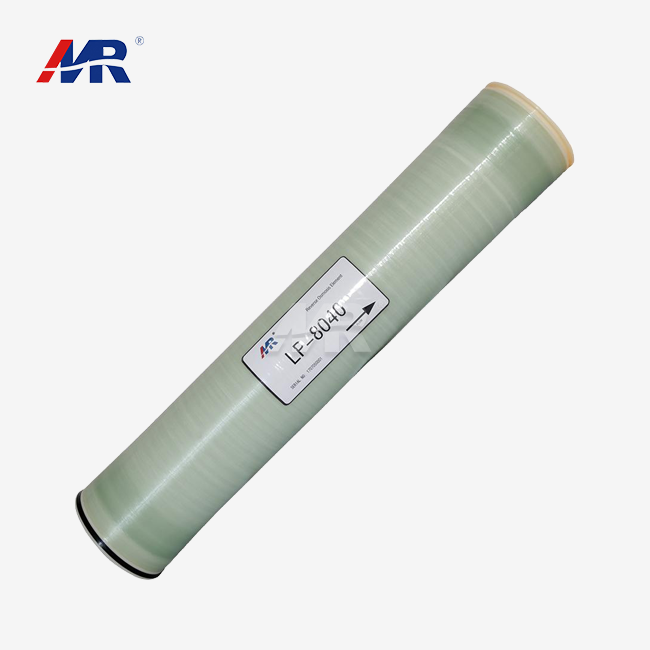 VIEW MOREreverse osmosis membrane
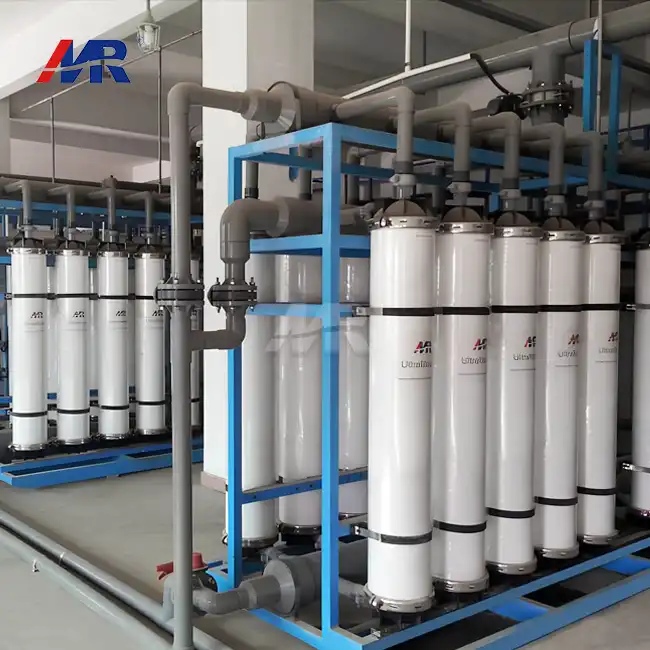 VIEW MORE20m3/hour ultrafiltration equipment
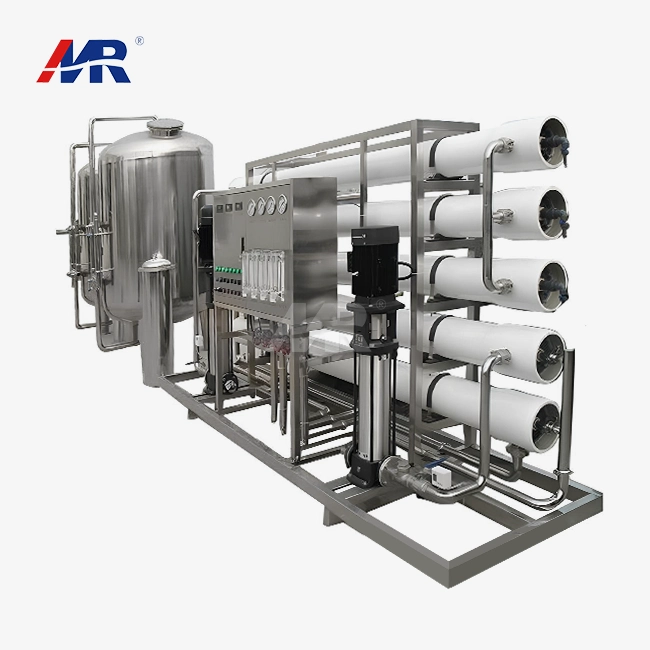 VIEW MOREbrackish water reverse osmosis
 VIEW MOREbrackish membrane
 VIEW MOREContainerized Mobile Water Treatment Systems
 VIEW MOREbiological reactor wastewater treatment
 VIEW MOREcontainer ro equipment
 VIEW MOREDTRO Landfill Leachate Treatment
