

_1745823981883.webp)

Industrial and Home Water Purification: Reverse Osmosis Membranes for Hard Water Treatment
Hard water is a big problem for both businesses and homes because it makes equipment scale, makes things less efficient, and lowers the quality of the Products. membrane/brackish-membrane">Reverse Osmosis Membrane filtration is the best way to get rid of minerals like calcium and magnesium that are dissolved in water and make it hard. These high-tech filter systems use semi-permeable barriers to keep clean water separate from contaminants. They regularly produce high-quality results for manufacturing processes, public water treatment plants, and home uses that need reliable water purification technology.

Understanding Reverse Osmosis Membranes in Hard Water Treatment
The science behind reverse osmosis is based on complex membrane engineering that separates molecules very precisely to deal with hard water problems. A polyester support structure, a microporous polysulfone interlayer, and an ultra-thin polyamide barrier surface make up the three layers that make up modern reverse osmosis membrane systems.
How RO Membranes Remove Hardness Minerals
Calcium and magnesium ions that are dissolved in water make it hard, and regular filtering methods have trouble getting rid of them. This problem can be solved by reverse osmosis membranes, which make a physical barrier with pores smaller than 0.001 microns. This keeps hardness minerals from passing through while letting pure water molecules pass through. For this process to work, pressure must be applied that is higher than the natural osmotic pressure. This forces water through the membrane while keeping contaminants out.
How well grit is removed depends on the quality of the membrane and how the system is set up. High-performance membranes can reject more than 99% of calcium and magnesium compounds. This greatly lowers the total dissolved solids and stops scale from forming in equipment further down the line.
Advantages Over Traditional Water Softening Methods
Ion exchange resins replace hardness minerals with sodium in traditional water softening. These resins need to be regenerated regularly with salt brine. Reverse osmosis filters work better because they get rid of all contaminants instead of just replacing them. This method gets rid of worries about the amount of sodium in cleaned water while also getting rid of other contaminants like heavy metals, bacteria, and chemical compounds.
When the feed water changes, membrane-based devices keep the water quality the same, so they work reliably in a wide range of situations. Compared to standard softening systems, this technology uses a lot fewer chemicals, which lowers prices and has a positive effect on the environment.
Comparing Reverse Osmosis Membranes for Industrial and Home Applications
Because of different performance needs and operational limitations, choosing the right membrane technology for commercial and domestic uses is very different. Knowing these differences helps you build the best systems and find the cheapest ways to treat water.
Industrial-Grade Membrane Specifications
Reverse osmosis membrane systems that can handle high flow rates and difficult water conditions are needed in industrial settings. With an active area of 400 ft² and a maximum working pressure of 600 psi, the MR-8040 type is an example of advanced industrial membrane design. These requirements make it possible to clean big amounts of water while keeping the 99.5% salt rejection rate.
Industrial membranes have better polymer mixes that keep them from getting clogged up by the solids and organic matter that are usually in process water. It can work in a wide range of industrial settings and can handle temperatures up to 113°F. It is also stable across a pH range of 2 to 11, which means it can work with a wide range of water chemistry profiles.
Residential Membrane Characteristics
It is important for home water treatment systems to be small and easy to use while still getting rid of grit. When compared to industrial units, residential membranes usually work at lower pressures and flow rates. This makes the system simpler and uses less energy. These membranes are mostly used to clean local water supplies so that their quality can be predicted.
Maintenance standards for home systems stress ease of use and longer repair intervals. Depending on the water quality and how often the membrane is used, it should be replaced every two to three years. Pre-filtration parts keep membranes safe from bleach damage and particulate fouling that could make them work less well.
Performance Comparison Across Applications
Industrial membranes offer higher flow rates, which makes industrial settings very productive. Designs that use less energy keep working costs low and make sure that important processes always have clean water. Fouling resistance increases the time between cleaning processes, which lowers the time needed for upkeep.
Residential systems remove hardness effectively for everyday use, balancing performance with cost. Small designs work with normal sewage systems and provide clean water for cooking, drinking, and protecting appliances.
Maintenance, Lifespan, and Cleaning of Reverse Osmosis Membranes
Following the right care steps has a direct effect on how well the membrane works and how long it lasts. Knowing how to clean the system and when to repair parts is important for making sure the water quality stays the same and the system works at its best.
Cleaning Protocols and Chemical Agents
There are two main types of fouling that membrane cleaning removes: scaling from mineral layers and organic fouling from living materials. Scaling usually happens to the tail-end elements where concentration factors rise, while biological fouling happens to the lead elements that are exposed to contaminants in the feed water.
For chemical cleaning, alkaline and acidic liquids are used to target specific dirt and grime. Acidic cleaners break down mineral scales, while alkaline cleaners get rid of organic matter and biofilms. How often you clean the membrane relies on the quality of the feed water and the results of tracking its performance.
Performance Monitoring and Replacement Indicators
Key performance factors, such as permeate flow rate, salt rejection efficiency, and pressure difference across membrane banks, need to be constantly monitored for effective membrane management. When you normalize data, you take into account changes in temperature and pressure, which gives you true performance numbers.
Some signs that it's time to replace something are a steady drop in flux of more than 15%, an increase in salt passing of more than 15%, and a rise in pressure drop that means permanent fouling. When washing doesn't bring back the performance to a satisfactory level, a reverse osmosis membrane replacement is required.
Operational Best Practices
For membranes to work well, they need to be properly pretreated to get rid of chlorine, suspended solids, and roughness that could damage or foul membrane surfaces. Monitoring the feed water makes sure that it is compatible with the membrane's requirements. This keeps the membrane from failing too soon because of a chemical attack or too much fouling.
Replacement of filters, cleaning of the system, and testing of the function are all part of regular maintenance plans for reverse osmosis for hard water. Keeping track of operational factors allows for trend analysis and planned repair plans that reduce unplanned downtime.
Procurement Guide for Reverse Osmosis Membranes in B2B Purchasing
To buy membrane technology strategically, you need to know what the suppliers can do, what the products are, and how to get service help. A good evaluation of vendors makes sure that supply lines and technical know-how are solid so that projects can be carried out successfully.
Supplier Assessment Criteria
Reliable membrane providers show they know how to make things by having quality Certifications and a history of success in goal uses. In addition to selling products, Technical support services like system design help, startup services, and ongoing problem solutions are very important value offerings.
Stability in the supply chain makes sure that products are always available and that wait times are always known, which is important for planning projects. Global delivery networks help local businesses while keeping quality standards high across all regional markets.
Quality Assurance and Certifications
Reverse Osmosis Membrane products have to meet industry standards, such as NSF approval for use with potable water and ISO quality control systems, to make sure that the products are always made the same way. Performance proof through third-party testing confirms what the maker said it would do and makes sure the product is reliable.
Performance data, chemical compatibility information, and suggested working methods should all be included in documentation packages. Additional purchasing protection is provided by warranty terms that show the manufacturer's faith in the quality of the product.
OEM and Bulk Purchasing Considerations
Original equipment makers can get customized membrane systems that work best for certain tasks. Through customized specs, collaborative design processes make it possible for products to stand out and for systems to work better.
Bulk purchasing deals save you money by giving you savings for buying in bulk and making the buying process easier. Long-term supply arrangements keep prices stable and make sure that priorities are kept even when the market changes.
Future Trends and Innovations in Reverse Osmosis Membrane Technology
The technology behind reverse osmosis for hard water keeps getting better at being efficient, long-lasting, and smart at integrating. These new developments look like they will lead to better performance and lower operating costs in a wide range of settings.
Advanced Materials and Manufacturing
The goal of the next wave of membrane materials is to improve permeability without lowering rejection performance. New polymer chemistries and surface changes lower the amount of energy needed and increase the operating lifetime by making things less likely to get fouled up.
Precision coating methods and automated quality control are some of the new ways that products are made that make sure the performance is uniform and that there is less variation between membrane elements. These changes mean that the system will work more reliably and require less upkeep.
Smart Monitoring and Predictive Maintenance
Putting monitors and data analytics together lets you track performance in real time and plan maintenance ahead of time. IoT access lets you keep an eye on your system from afar and sets off automatic alerts when something goes wrong. Reverse osmosis membrane replacement timing and cleaning schedules are optimized using artificial intelligence programs that study operating data.
These technological improvements lower running costs by making things more efficient and reducing downtime, while also making sure that the quality of the water flow stays the same.
Conclusion
The best technology for dealing with hard water problems in both commercial and household settings is reverse osmosis membranes. The advanced tech behind these filter systems makes them work better than traditional water softening methods because they get rid of all contaminants instead of just switching out ions. The system will work better and the membrane will last longer if it is properly chosen, maintained, and used. Membrane technology is getting better all the time thanks to new materials and smart tracking features. These systems will work better and cost less for a wider range of water treatment needs.
FAQ
1. What makes reverse osmosis membranes effective for hard water treatment?
In reverse osmosis membranes, hard minerals like calcium and magnesium are physically blocked by semi-permeable barriers with hole sizes smaller than 0.001 microns. Only pure water molecules can pass through these barriers. Minerals that are dissolved are rejected at rates higher than 99% by this process.
2. How long do industrial reverse osmosis membranes typically last?
The life of an industrial membrane depends on the quality of the feed water and how well it is maintained. Proper pretreatment and regular cleaning make operations last longer. On the other hand, hard water conditions or poor upkeep shorten the time between service intervals.
3. What are the key differences between industrial and residential membrane systems?
Industrial membranes can handle higher flow rates, work at high pressures, and don't get clogged up when the water is hard. Residential systems focus on small size, easy upkeep, and lower running costs while treating public water sources well.
4. How do you know when membrane replacement is necessary?
Some signs that it's time to replace something are a steady drop in permeate flow of more than 15%, more salt passing through than what's allowed, and high pressure differences that cleaning can't fix. Monitoring speed on a regular basis lets replacements happen before the whole system fails.
5. Can reverse osmosis membranes remove other contaminants besides hardness minerals?
Yes, reverse osmosis membranes can get rid of hardness rocks as well as bacteria, viruses, heavy metals, organic substances, and dissolved salts. RO systems are useful for more than just treating hard water because they can filter out a lot of different things.
Partner with Morui for Advanced Reverse Osmosis Membrane Solutions
Guangdong Morui Environmental Technology has over 14 offices and more than 500 committed professionals ready to help you with all of your water treatment needs. They offer complete Reverse Osmosis Membrane options. Our engineering team uses their many years of experience in city treatment, industrial processing, and purification of seawater to make sure that the membrane systems they make are exactly what the customer wants. As a well-known company that sells reverse osmosis membranes, we keep strategic relationships with top equipment makers and run our own membrane production sites to keep quality high and prices low. Our technical knowledge and national service network give you reliable help throughout the lifecycle of your projects, whether you need to replace a single item or set up a whole system. Email our water treatment experts at benson@guangdongmorui.com to talk about your needs and find out how our tried-and-true membrane technologies can help you clean water better.
References
1. Membrane Technology and Applications, Third Edition, by Richard W. Baker, John Wiley & Sons Publishing, 2012.
2. Reverse Osmosis: Industrial Processes and Applications, by Jane Kucera, Scrivener Publishing, 2015.
3. Water Treatment Membrane Processes, by American Water Works Association, McGraw-Hill Professional, 2018.
4. Handbook of Industrial Water Treatment, by Kurita Water Industries, Balaban Desalination Publications, 2019.
5. Advanced Membrane Technology for Water and Wastewater Treatment, edited by Simon Judd and Claire Jefferson, IWA Publishing, 2020.
6. Industrial Water Treatment: Contemporary Methods and Technologies, by Alok Bhatnagar, CRC Press, 2021.
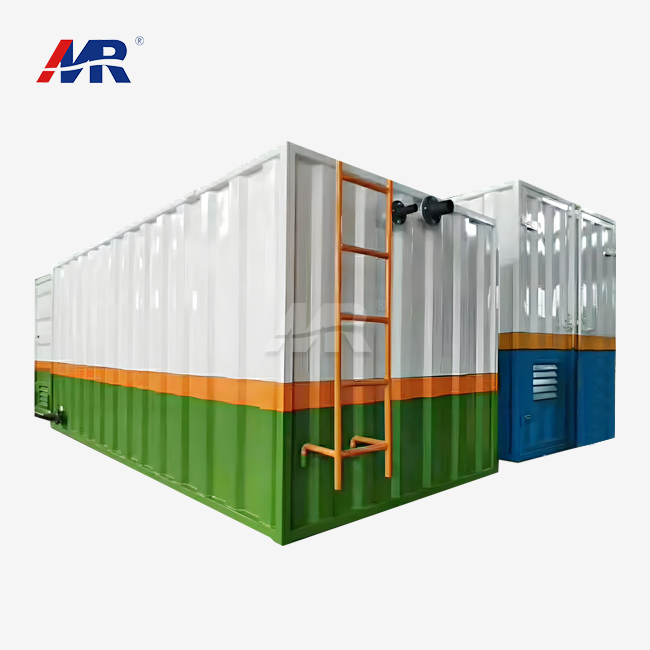 VIEW MOREindustrial sewage treatment plant
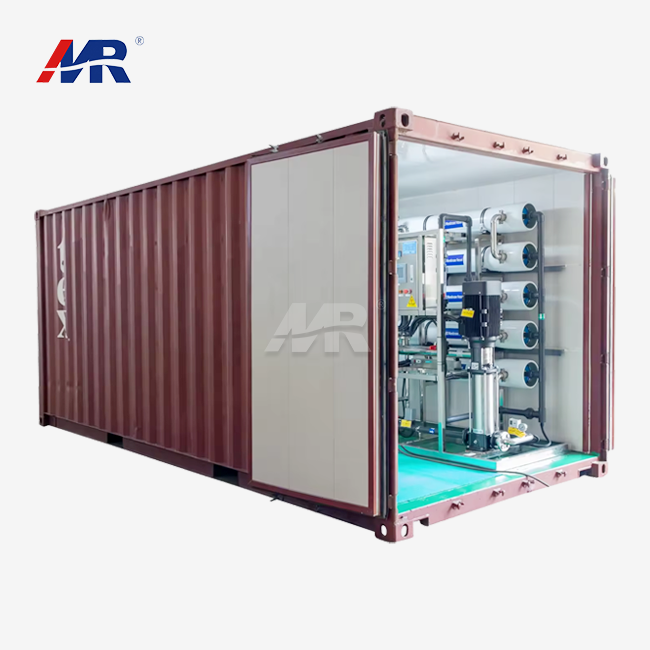 VIEW MOREmobile container reverse osmosis equipment
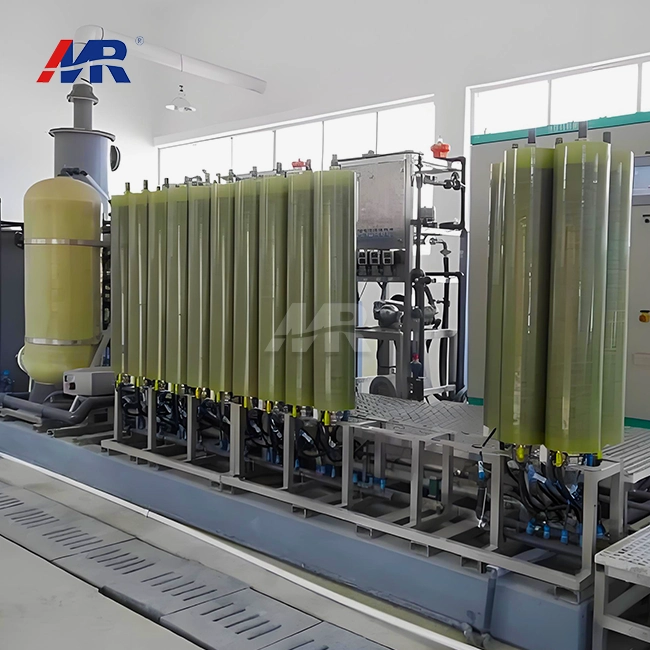 VIEW MOREDTRO Landfill Leachate Treatment
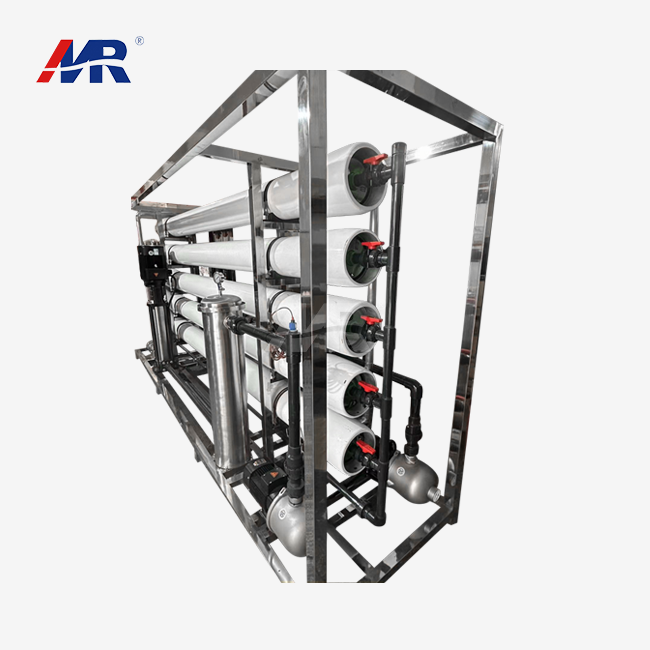 VIEW MOREreverse osmosis water treatment equipment
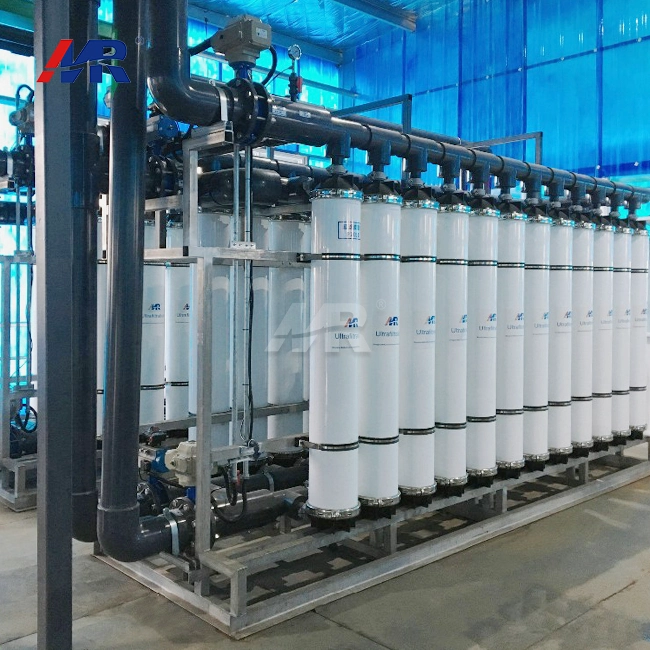 VIEW MOREultrafiltration equipment
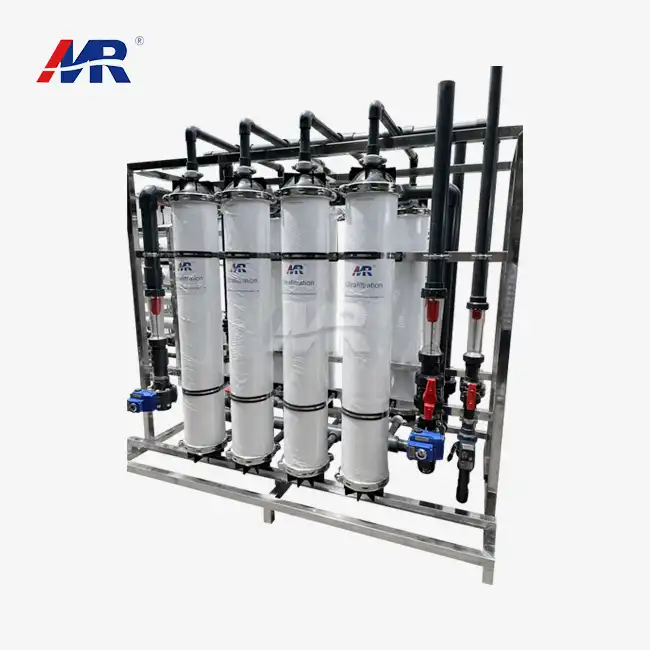 VIEW MORE15T/H ultrafiltration system
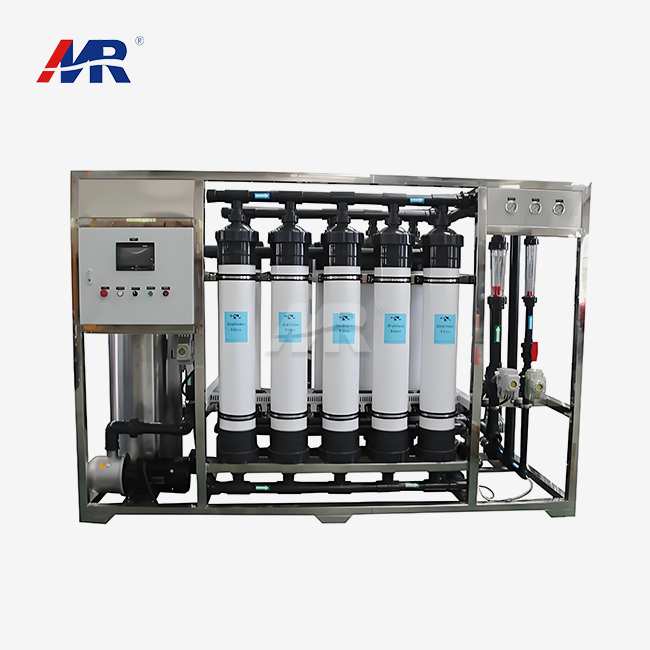 VIEW MOREultrafiltration skid
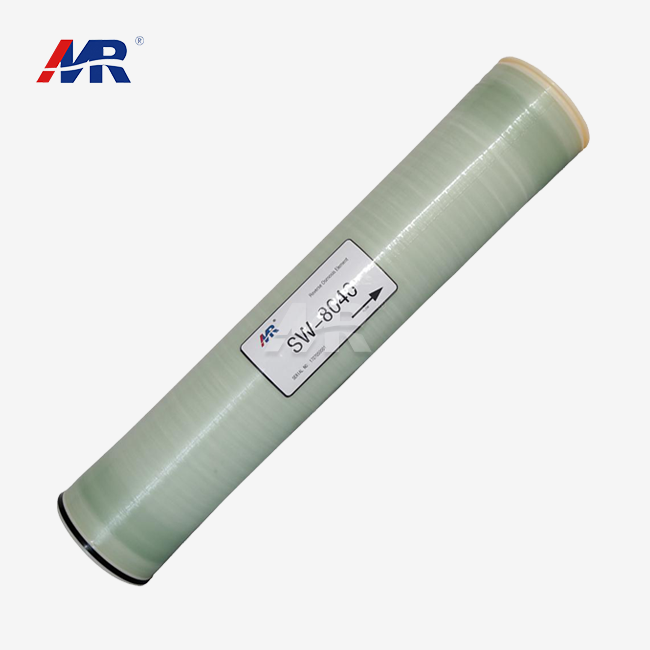 VIEW MORE8040 seawater reverse osmosis membrane
