

_1745823981883.webp)

Desalination of Seawater: Methods, Uses, and Global Trends
Industries around the world are still having trouble with a lack of water, which is making seawater desalination process technologies more important for long-term operations. Modern desalination uses advanced membrane filtration and thermal methods to turn large amounts of seawater into high-quality freshwater. This water is used in many areas, from industry to local services. The world desalination market has grown very quickly, and now over 100,000 sites can process more than 100 million cubic meters of water every day. When procurement workers understand these technologies, they can choose the best water treatment options for their industries, balancing operational efficiency, cost-effectiveness, and environmental duty.
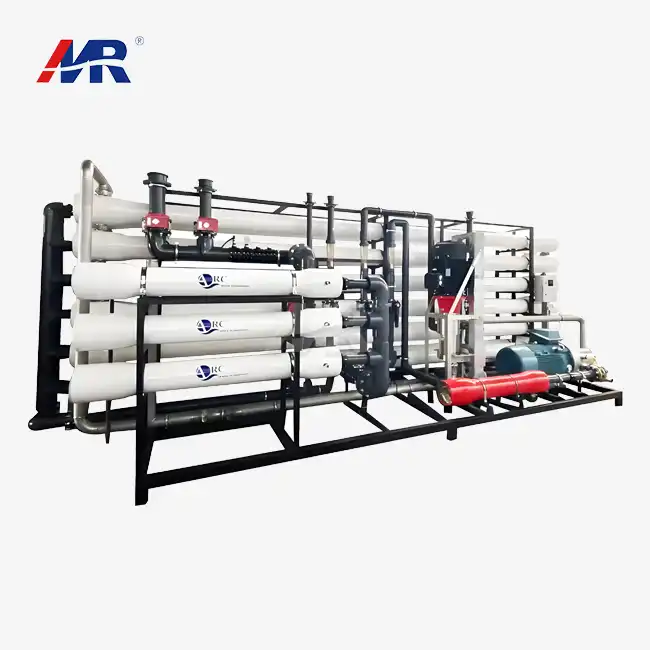
Understanding Seawater Desalination Processes
Seawater desalination is an advanced way to treat water that gets rid of dissolved salts and minerals to make freshwater that can be used in cities and businesses. The desalination process takes ocean water that has about 35,000 parts per million of total dissolved solids and turns it into very pure water that meets strict industry standards. This change solves important water security problems in the energy, medicine, industrial, and semiconductor industries, where water quality has a direct effect on how well Products are made and how well they work.
Key Technical Challenges in Industrial Desalination
Using seawater in industry comes with its own set of engineering problems that make it different from treating other types of water. High amounts of salt make corrosion control very important, which requires special materials like duplex stainless steel and modern polymer coatings. Another big problem is membrane fouling, which happens when biological growth, scale formation, and particulate buildup make the system less effective and require more upkeep. Energy optimization is still very important because standard desalination uses 3–6 kWh per cubic meter of water created, which has a direct effect on the costs of running large-scale industrial systems.
Primary Desalination Technologies Overview
There are three main types of technology used in modern distillation, and each one is best for a certain industry and set of conditions. The market leader is reverse osmosis, which uses semi-permeable membranes under high pressure to remove salt from water while using less energy and being able to be scaled up in modules. Multi-Stage Flash Distillation and Multi-Effect Distillation and evaporation are two thermal technologies that use heat to evaporate and concentrate water. These are useful in places where there is a lot of leftover heat or energy. New combined systems use more than one technology to work better. For example, solar desalination, electrodialysis, and forward osmosis can all be used together in certain situations.
Step-by-Step Desalination Workflow
There are five important steps in the desalination process that make sure the water quality stays the same and the system lasts a long time. The first step in getting seawater is carefully choosing and screening the sources to get rid of as many biological and particulate contaminants as possible. The next step is pretreatment, which includes coagulation, flocculation, sedimentation, and filtering to get the feed water ready for membrane processing. In the main desalination process, high-pressure pumps move water through reverse osmosis membranes or heating units that separate the salt. Post-treatment changes the pH levels and adds minerals that are needed to stop rust and improve the taste. The last stage of distribution sends cleaned water through special pipe systems and takes care of properly getting rid of the concentrate.
Comparing Key Desalination Technologies for B2B Use
For industrial buyers to make smart purchasing decisions that meet business needs and financial goals, they need to have a deep understanding of desalination technologies. There are many different methods used for the modern desalination process, and each one has its own benefits for different industries and areas.
Reverse Osmosis Technology Framework
Industrial desalination markets are dominated by reverse osmosis technology, which has been shown to be reliable and use less energy. At pressures between 55 and 80 bar, this membrane-based method pushes water molecules through semi-permeable barriers while rejecting dissolved salts and other contaminants. For saltwater uses, recovery rates are usually between 35 and 45%, and energy use can be as low as 3 kWh per cubic meter when energy recovery devices are used. The flexible design lets the daily capacity grow from 1,000 to 100,000 cubic meters, meeting the needs of a wide range of industries, from making medicines to supplying cities.
Thermal Desalination Methods
Thermal distillation technologies are great options for businesses that have a lot of leftover heat or energy resources. Through a series of evaporation and condensation steps, multi-stage flash distillation can achieve high recovery rates of up to 90% while making very pure water that can be used in medicine and semiconductor processes. Multi-Effect Distillation uses various evaporator effects to reduce the amount of energy needed. This makes it a good choice for big commercial and municipal projects. When the feed water is hard to work with because it has a lot of fouling potential or is very salty, these heating ways work really well.
Economic Impact Analysis for Industrial Projects
When you figure out an industrial desalination project's return on investment, you have to take into account the funding costs, the operating costs, and the efficiency gains over the system's lifetime. Thermal systems cost between $1,500 and $2,500 per cubic meter, while modern reverse osmosis systems cost between $800 and $1,200 per cubic meter of daily capability. For well-designed systems, operational costs range from $0.50 to $1.50 per cubic meter and include energy use, membrane repair, chemical use, and upkeep. Desalination can help industries get enough water, and when they do, they often see big gains in output, lower risks in the supply chain, and better compliance with regulations that make it worth investing in more advanced technology.
Technology Selection Criteria for Procurement Teams
If you want to choose the right technology, you need to look at more than just the starting cash costs. The analysis of the feed water quality determines the right pretreatment needs and membrane choice. The need for output capacity decides how the system is set up and how backups are planned. Energy prices and supply have a big effect on the choice of technology. For example, thermal methods work best in places where electricity is cheap or where waste heat sources are plentiful. Geography affects system design and practical planning in ways such as earthquake risk, environmental rules, and the supply of skilled workers.
Procurement Guide: Equipment, Installation, and Services
To get through buying desalination equipment, you must assess manufacturers' skills, new technologies, and service ecosystems. The global industry includes established international firms and innovative companies developing next-generation solutions for specific markets.
Leading Equipment Manufacturers and Market Innovations
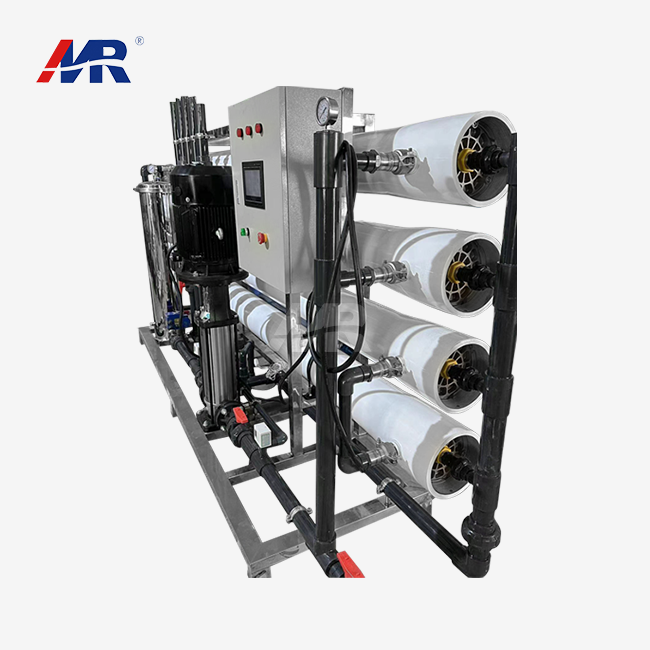
Leading firms like SUEZ, Veolia, and IDE provide full turnkey solutions for large-scale projects, offering membranes, pumps, and controls. New tech companies focus on modular, solar-powered, or advanced material systems. Guangdong Morui Environmental Technology delivers tailored RO solutions with flexible design, handling 1,000 to 100,000 m³/day, achieving up to 45% recovery and low energy use.
Critical Procurement Considerations
Successful buying requires evaluating technical specs, build quality, and vendor capability. Membrane choice impacts fouling resistance and replacement frequency. Pump efficiency affects energy costs, and corrosion-resistant materials ensure durability. Automation features simplify operations. The key procurement factors are technical capability, quality Certifications, service network availability, and the vendor's financial stability.
Cost Breakdown and Investment Planning
A full cost analysis covers the 20-25-year system life. Initial equipment makes up 60-70% of the project cost. Installation adds 15-25%. Ongoing operating costs, including energy, membrane replacement, and maintenance, range from $0.50 to $1.50 per cubic meter produced.
Expert Consulting and System Integration Services
Consultants optimize system design and desalination processes to lower total costs. Feasibility studies examine feed water and energy to find the best technology. Custom engineering ensures equipment meets industry needs and local codes. Installation and testing experts verify performance and train operators for long-term success.
Environmental and Efficiency Aspects of Desalination
As sustainability and operational performance become more important to businesses, modern desalination technologies are being closely looked at to see how they affect the environment and how well they use energy. When procurement officials understand environmental issues, they can choose tools that meet both work needs and the company's environmental duties.
Brine Management and Ecological Impact
The biggest environmental problem that comes up with industrial desalination process implementations is getting rid of the concentrate. Traditional ways of discharge send high-salinity brine back into coastal settings at concentrations 1.5 to 2 times higher than seawater. This can have an impact on local organisms through changes in temperature, increased salinity, and chemical additions. Some modern ways to deal with brine are to release it into the deep ocean using specially designed diffusers, to use evaporation ponds for facilities in landlocked areas, and to reuse the brine in useful ways, like making salt or raising fish. Crystallization and solidification are used together in zero-liquid discharge methods to get rid of liquid waste streams and recover valuable minerals.
Energy Efficiency Advances and Carbon Reduction
New technologies have made industrial distillation processes much more energy efficient and less harmful to the environment. When compared to regular systems, energy recovery devices use 30–40% less energy because they collect and reuse high-pressure energy from concentrate streams. Variable frequency drives make the best use of pumps based on real-time demand, and new membrane formulas lower working pressures and raise the quality of the permeate. Using sustainable energy sources like solar photovoltaic and wind power together makes the system carbon-neutral and less reliant on electricity from the grid.
Regulatory Compliance and Sustainability Standards
Environmental laws are having a bigger impact on the choice of purification technology and how it is used in markets around the world. The Water Framework Directive of the European Union sets strict rules for protecting the environment when it comes to sea runoff and keeping ecosystems alive. The Environmental Protection Agency of the United States has rules about how to build and run systems that deal with intake mortality, entrainment effects, and discharge tracking standards. International sustainability approvals, such as ISO 14001 for environmental management and LEED green building standards, encourage the use of purification methods that are good for the environment.
Performance Optimization and Operational Efficiency
Modern desalination systems use advanced tracking and control technologies to get the best results while having the least amount of effect on the environment. Real-time tracking of water quality allows for exact dosing of chemicals and optimization of membrane cleaning, which cuts down on chemical use and trash production. Predictive maintenance programs look at system performance data to plan preventative actions that keep equipment working at its best and extend its life. Automated process optimization changes the working parameters based on the conditions of the feed water and the demand for output. This keeps energy use low and water recovery rates high.
Global Trends and Future Outlook in Seawater Desalination
The global desalination industry is growing at a speed that has never been seen before. This is because of a lack of water, rising population, and economic growth in developing markets. The current desalination process market capacity is more than 100 million cubic meters per day, and it's growing at a rate of 8 to 10 percent per year as new projects open around the world. Knowing how the market is changing and how technology is changing helps business-to-business buyers make smart purchasing choices that take into account future needs and changes in regulations.
Current Technology Limitations and Market Challenges
There are some problems with traditional distillation methods that make room for new ideas and better ways of doing things. Traditional reverse osmosis needs 3–6 kWh per cubic meter of water, even though energy recycling methods have made it more efficient. This is still the main problem. Membrane fouling continues to make systems less reliable because they need to be cleaned and replaced more often, which increases costs and system downtime. As rules on discharge get stricter and useful reuse stays restricted, managing concentrates is becoming more difficult from an environmental and legal point of view.
Breakthrough Innovations and Digital Transformation
Through predictive analytics, automated optimization, and the ability to watch from afar, artificial intelligence and machine learning are changing the way desalination works. Smart sensors constantly check the water quality, the performance of the membranes, and the amount of energy used to find ways to improve things and predict when repairs will need to be done. Digital twin technologies make virtual copies of systems that let you model performance, look at different scenarios, and teach operators all without stopping production. Blockchain technology makes the supply chain more open and makes it easier to verify the authenticity of tools. It also makes it possible to automatically carry out contracts and check performance.
Strategic Recommendations for Industrial Procurement
Business-to-business buyers should plan their purchases in a way that takes into account how technologies and rules will change over time while also meeting their current practical needs. Modular system designs let you add more space or better technology without making big changes to the infrastructure. This gives you the freedom to adapt to changing production needs. Partnerships with technology providers make it easier to get the newest products, efficiency guarantees, and full-service support that increase the value over the whole lifespan. Integration of sustainability is becoming more important as environmental laws get stricter and companies' promises to corporate duty affect how they choose vendors.
Conclusion
Seawater desalination process technologies are always changing to keep up with the needs of industries that need more water while also taking environmental concerns into account. For a wide range of business-to-business needs, modern reverse osmosis and heat systems have been shown to work. They are more reliable, more efficient, and cost less. For procurement to go well, all technology choices, seller skills, and lifecycle costs must be carefully considered, along with environmental issues, and all rules. Artificial intelligence optimization, improved membrane materials, and the integration of green energy are just a few of the interesting new ideas that will change how industrial water security strategies are used in the future.
FAQ
1. What is the most energy-efficient desalination method for industrial applications?
Modern reverse osmosis systems with energy recovery devices represent the most energy-efficient option for most industrial applications, consuming as low as 3 kWh per cubic meter. These systems achieve optimal efficiency through high-efficiency pumps, advanced membrane technology, and automated controls that optimize operation based on real-time conditions.
2. How long do desalination system membranes typically last?
Properly maintained reverse osmosis membranes typically operate effectively for 5-7 years in seawater applications, depending on feed water quality, pretreatment effectiveness, and cleaning protocols. Regular monitoring and preventive maintenance can extend membrane life while maintaining consistent performance throughout the operational period.
3. What industries benefit most from seawater desalination systems?
Pharmaceutical, semiconductor, power generation, and food processing industries derive significant benefits from seawater desalination due to their requirements for high-purity water and reliable supply security. These sectors often justify premium technology investments through improved product quality, regulatory compliance, and operational continuity.
4. How much does industrial desalination equipment cost?
Industrial desalination system costs vary based on capacity, technology selection, and site-specific requirements, typically ranging from $800 to $2,500 per cubic meter of daily capacity. Total project costs include equipment, installation, commissioning, and infrastructure development, with operational expenses of $0.50-1.50 per cubic meter of production.
Partner with Morui for Advanced Desalination Process Solutions
To keep activities going and stay ahead of the competition, industrial water problems need expert knowledge, new ideas, and strong relationships. Morui Environmental Technology offers advanced reverse osmosis technology along with a wide range of services. They create custom desalination process solutions that improve performance while keeping operations as simple as possible. Our flexible systems can handle anywhere from 1,000 to 100,000 cubic meters of water per day. They have the highest efficiency scores in the industry and are controlled automatically to keep the water quality stable. We offer full project lifecycle support, from feasibility studies to long-term upkeep, with 500 committed professionals, 20 specialized engineers, and 14 production sites. Email at benson@guangdongmorui.com to talk about your needs with top desalination process makers who are dedicated to giving you the best value and performance.
References
1. Global Water Intelligence. "Desalination Markets 2024: Technology Trends and Regional Analysis." Water Desalination Report, Vol. 60, No. 12, 2024.
2. International Desalination Association. "Industrial Water Security Through Advanced Membrane Technologies." Annual Conference Proceedings, San Diego, 2024.
3. United Nations Environment Programme. "Sustainable Desalination: Environmental Impact Assessment and Mitigation Strategies." Water and Sustainability Report, Geneva, 2024.
4. American Water Works Association. "Reverse Osmosis Technology: Performance Optimization and Energy Efficiency." Journal of Water Treatment Technologies, Vol. 45, No. 8, 2024.
5. World Bank Group. "Water Scarcity and Industrial Development: Desalination Solutions for Emerging Markets." Infrastructure Development Series, Washington DC, 2024.
6. MIT Energy Initiative. "Renewable Energy Integration in Desalination: Technical and Economic Analysis." Energy and Water Nexus Research, Cambridge, 2024.
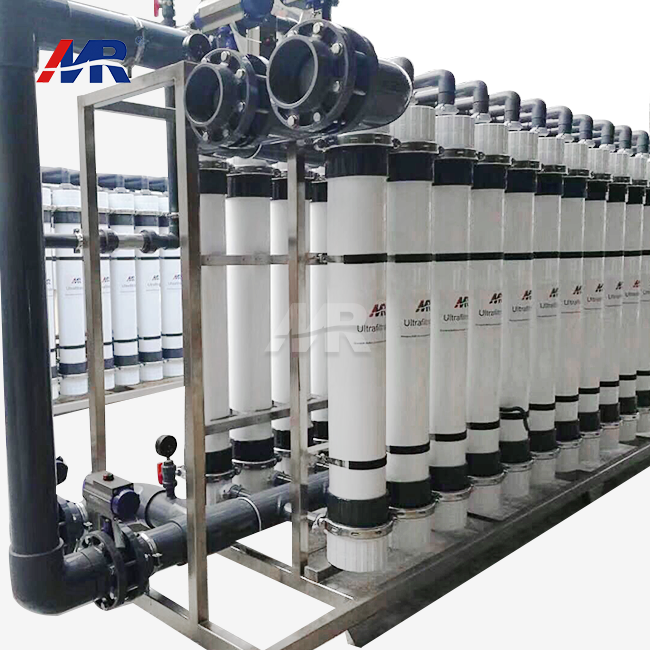 VIEW MOREultrafiltration water system
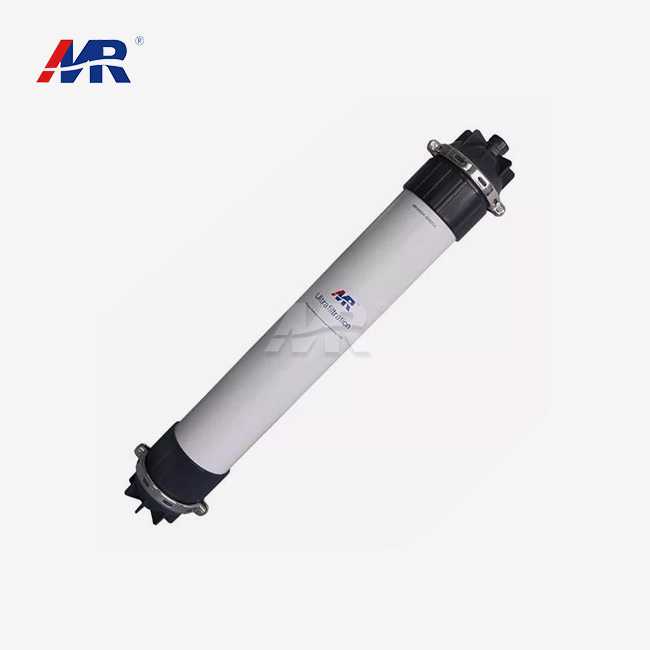 VIEW MOREultra filter membrane
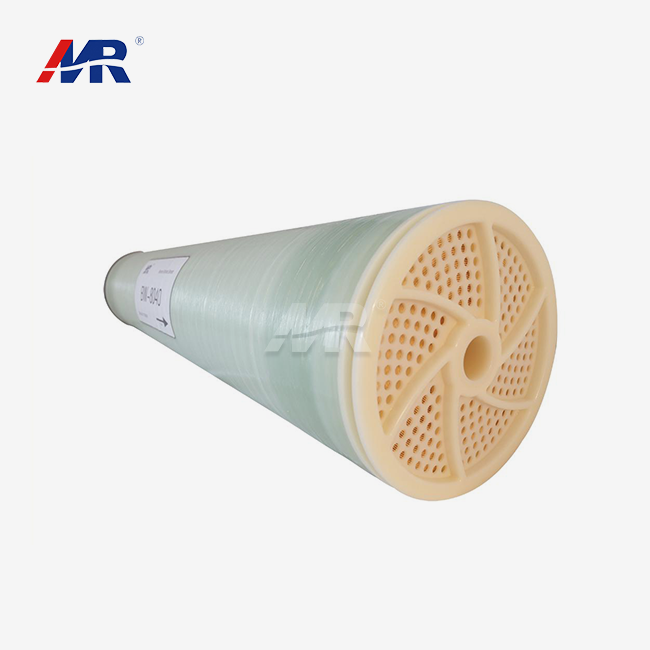 VIEW MOREbrackish membrane
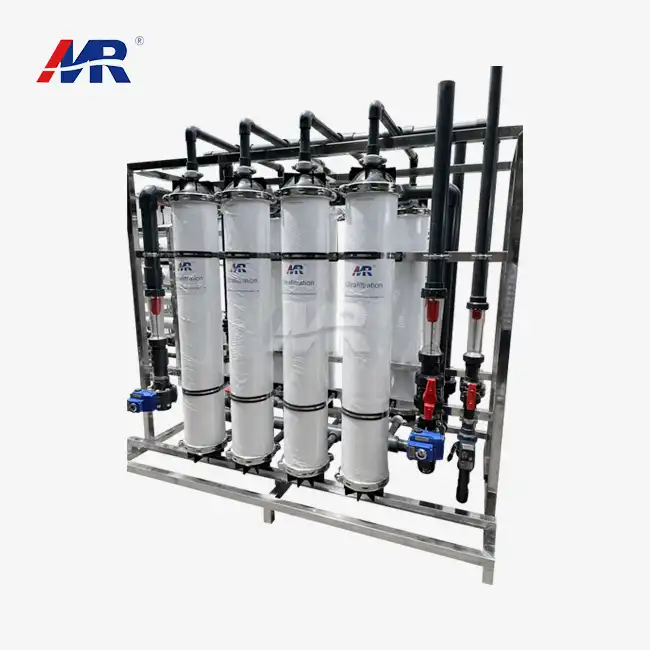 VIEW MORE15T/H ultrafiltration system
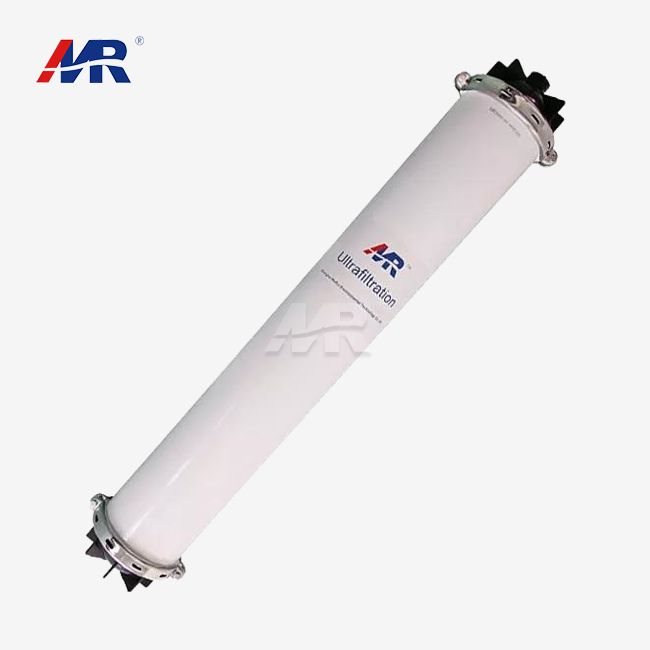 VIEW MOREultrafiltration membranes for water treatment
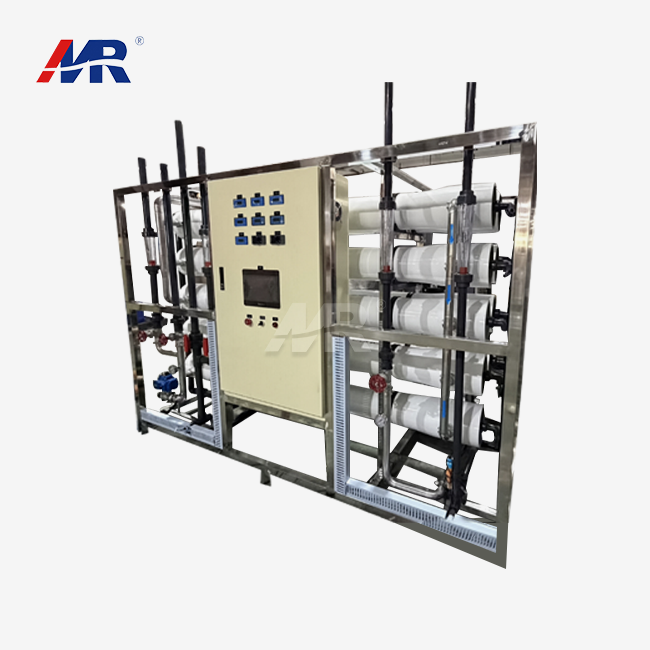 VIEW MORE8 stage reverse osmosis system
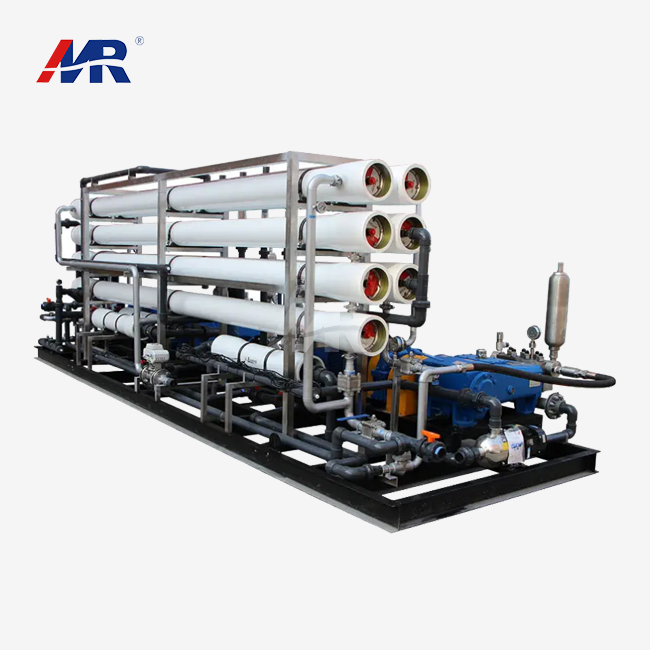 VIEW MOREseawater desalination machine
 VIEW MOREunder counter reverse osmosis water system
