_1745823981883.webp)

Cost-Effective RO Water Remineralization Systems for Mineral-Enriched Purified Water
Cost-effective remineralization systems represent the optimal solution for businesses seeking to enhance reverse osmosis purified water with essential minerals. These advanced post-treatment technologies reintroduce vital minerals like calcium and magnesium that RO processes typically remove, ensuring superior water quality for industrial applications. Modern mineral restoration units combine efficiency with affordability, delivering consistent performance across food production, pharmaceutical manufacturing, and beverage processing industries while maintaining strict regulatory compliance standards.
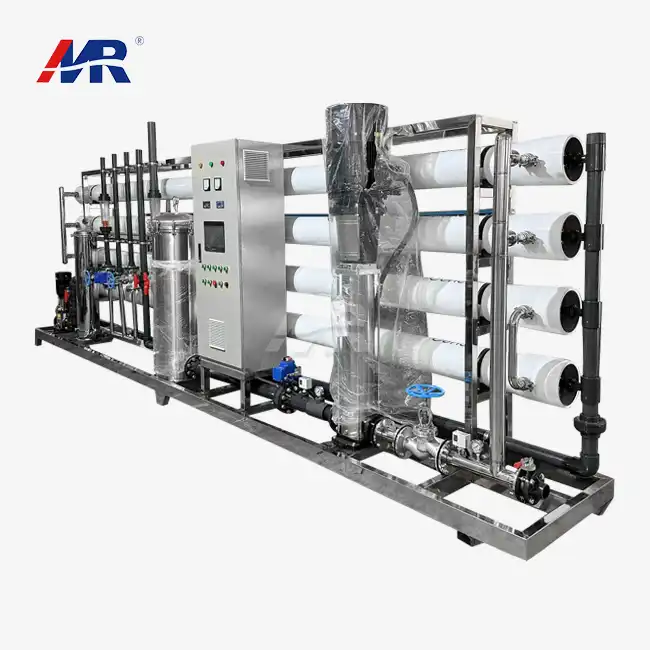
Understanding RO Water Remineralization Systems
Remineralization systems are important after-treatment options that fix the main problem with reverse osmosis technology: it removes all useful minerals during the cleaning process. RO filters are great at getting rid of contaminants, but they also remove important minerals from the water that make it taste good, are good for you, and help it work better.
The Science Behind Mineral Restoration
Controlled dissolving processes carefully add certain minerals back into clean water as part of modern mineral repair technology. Specialized media with calcium carbonate, magnesium oxide, and other helpful minerals that break down at set rates are used in these systems. The process keeps exact control over the amounts of total dissolved solids (TDS) and makes sure that the mineral content stays the same even when the flow rate changes.
Because RO-treated water is acidic, more advanced systems include the ability to change the pH level along with mineral repair. This two-in-one feature is especially useful in food and drink uses where water chemistry has a big impact on taste profiles and product stability. The technology meets NSF approval standards, which makes sure that it is safe and follows all the rules in a wide range of workplace settings.
Industrial Applications and Benefits
Mineral-rich water systems have real benefits in many different types of businesses. Controlling the amount of minerals in water used to make drinks improves the flavors and stops equipment from rusting from the harsh chemicals in the water. Mineral amounts that stay the same help pharmaceutical manufacturers make stable formulas that meet Good Manufacturing Practice standards.
Mineral balance is better in food preparation plants, which improves the quality of the food by affecting texture, taste, and shelf life. The technology also saves equipment further down the line by minimizing the corrosive effects of demineralized water. This lowers the cost of upkeep and increases the system's lifespan.
Core Components and Cost-Effective Solutions for RO Remineralization
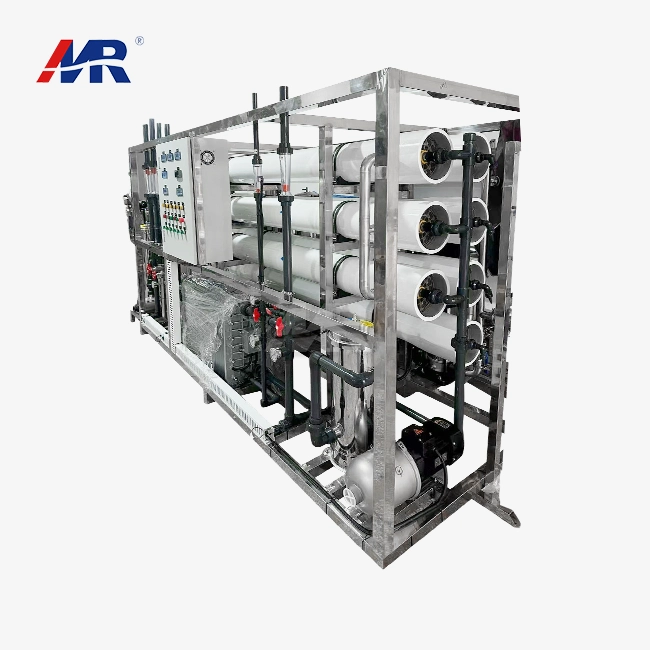
To choose the right mineral repair option, you need to know the basic parts that affect how well the system works and how much it costs to run. Modern systems use a number of different technologies to reliably improve minerals while still being able to support business activities.
Essential System Components
Modern remineralization systems have a few key parts that work together to make the water quality better. Controlled dissolving processes in mineral capsules with calcite and corosex media restore minerals in the first place. These filters usually last between 6 and 12 months, but this depends on the amount of water and the quality standards. This makes upkeep planning easier.
Advanced pH control units help restore minerals by keeping the water's chemistry stable at the best levels, which are between 7.0 and 8.5. These systems stop overcorrection and make sure that the quality of the output stays the same no matter how the water goes in. Integrated flow control systems make sure that water and mineral media have the right amount of contact time, which dissolves all the minerals.
Monitoring tools tell you about mineral amounts, pH balance, and system performance in real time. Digital controllers let changes be made automatically based on factors that have already been set. This cuts down on the need for human supervision while keeping output quality uniform. These features are necessary for buildings that need to run 24 hours a day, seven days a week with little maintenance.
Comparative Cost Analysis
According to recent market figures, there are big differences in how much different mineral restoration methods cost. Here are the main cost factors that business buyers think about when making decisions:
- Cartridge-based systems: Commercial units cost between $2,500 and $8,000 to buy at first, and they cost between $800 and $1,500 a year to run, depending on the amount of water they use and how often they need to be replaced.
- Media bed systems have higher starting costs of $5,000 to $15,000 but lower long-term running costs, usually $400 to $900 a year for media replacement and upkeep.
- Injection-based systems: These are high-end options that cost $10,000 to $25,000 up front but offer exact control and low continuing costs of $300 to $600 a year for chemical replenishment.
These price ranges are for full systems that include installation and testing services. Operating costs include regular upkeep, replacing media, and keeping an eye on system settings to make sure it works at its best for as long as it lasts.
How to Choose the Best Remineralization System for Your Business?
For system selection to go well, operating needs, water quality goals, and long-term cost factors must all be carefully considered. Different businesses have their own problems that affect the best technology to use and the settings that should be used.
Industry-Specific Requirements
Businesses that make food and drinks need systems that can keep exact mineral profiles that help keep product quality uniform. Injection-based devices that give precise control over individual mineral amounts are useful in these situations. To meet legal standards, pharmaceutical centers focus on tools that can do a lot of documentation and validation.
Ultra-stable mineral levels are needed in electronics manufacturing to keep things clean during the precision cleaning processes. Usually, these businesses use cartridge-based systems with double tracking to make sure the quality of the ultra-pure water stays the same. Power plants need strong systems that can handle large amounts of water while still meeting strict chemical requirements for boiler feed water.
Integration and Compatibility Factors
Through standard links and control interfaces, modern mineral regeneration units work well with RO systems that are already in place. Retrofit installations usually don't need many changes to the equipment that's already there, which lowers the costs of execution and minimizes the impact on operations. Modern systems let you watch things from afar and connect to building management systems so that you can keep an eye on everything from one place.
Things to think about when it comes to compatibility are the amount of room you have, the power needs, and how well the new system will work with the old one. Most business units can run on standard 220V power with only minor changes to the electrical equipment. Modular designs allow for future growth while keeping operations running smoothly right now.
System redundancy choices, including RO water remineralization, offer backups for important uses where problems with water quality could delay production schedules. Dual-system setups make sure that the machine keeps running even during maintenance times and that the quality of the output is always the same.
Installation, Maintenance, and Performance Optimization
The best system performance and highest return on investment are achieved through proper installation and ongoing maintenance practices. Professional installation services reduce problems with starting up while setting basic performance standards for long-term tracking.
Professional Installation Protocols
Certified installation teams make sure that the systems work well together and set the best conditions for operation. Part of the installation process is checking the water quality in depth to find out what the starting point is and set the right mineral dose rates. Testing the system for pressure makes sure it works, and flow monitoring makes sure the right amount of time is spent in touch with the mineral to dissolve it completely.
As part of system setup, operator training programs teach regular upkeep steps, how to fix problems, and how to keep an eye on performance. Documentation packages include thorough instructions on how to use the equipment and repair plans that are made to fit the water conditions and how it is used.
Preventive Maintenance Strategies
Following regular repair procedures will make a system last longer and keep its performance at a high level. Mineral levels, pH balance, and the general efficiency of the system are checked every month as part of water quality tests. This way, problems can be found before they affect operations. Mineral restoration rates are at their best when cartridge change plans are based on water volume and quality.
An annual review of the system includes a full evaluation of its performance, a check of the state of its parts, and confirmation of its calibration. These steps find patterns of wear and improve working factors so that the system stays at its most efficient for as long as it lasts. When compared to reactive service, preventive repair usually cuts overall running costs by 15 to 25 percent.
Case Studies and Future Trends in RO Water Remineralization
Real-life examples show that strategically deploying RO water remineralization systems in a wide range of workplace settings can lead to measurable benefits. These case studies are very helpful for understanding what to expect from results and how to figure out return on investment.
Successful Implementation Examples
Mineral restoration technology was used in three production sites by a large beverage company. This improved the stability of the Products by 12% and cut the cost of treating the water by $45,000 per year. The method got rid of taste changes that were caused by yearly changes in water quality. It also made equipment last longer by making the water chemistry balance better.
A pharmaceutical business made its purified water system more FDA-compliant by adding improved mineral repair. This cut the cost of making water by 28%. The method got rid of the need for expensive mineral additions in later steps, made the product more stable overall, and cut down on batch failure rates.
Emerging Technology Trends
Mineral repair methods that are sustainable, use natural resources, and use fewer chemicals are what the market is developing right now. Smart tracking systems with AI improve mineral dosing based on predictive analytics. This cuts down on waste while keeping the quality of the water stable. These new ideas usually cut costs by 20 to 30 percent while also making the business more environmentally friendly.
Mineral healing using membranes is a new technology that lets you precisely control the amounts of different minerals. These systems get rid of the need to handle chemicals and provide very high consistency even in a wide range of operating situations. Costs are going down, and efficiency benefits are becoming clearer, so the market keeps growing.
Conclusion
Remineralization systems are very useful for businesses that want to get the most out of reverse osmosis water quality while keeping costs low. These technologies get around some of the main problems with RO treatment by adding back in good minerals that improve taste, keep equipment safe, and meet government standards in a wide range of workplace settings. To make sure you get the best return on your investment and the system keeps working well for as long as it lasts, you need to carefully consider operating needs, system compatibility, and long-term maintenance.
FAQ
1. What minerals does a remineralization system add back to RO water?
Most remineralization systems bring back minerals like calcium, magnesium, potassium, and bicarbonates that are lost during cleaning by reverse osmosis. When minerals are added to water, they make it taste better, are good for you, and stop demineralized water from being toxic. Modern methods let you precisely control the amounts of each mineral to meet the needs of a given application.
2. How often do remineralization cartridges need replacement?
How often the cartridge needs to be replaced relies on the amount of water, its quality, and how the system is built. For business use, cartridges should be changed every 6 to 12 months, but for high-volume tasks, they may need to be changed every three months. Monitoring tools give real-time information on how well cartridges are working, which lets you plan predictive maintenance that finds the best time to change them and lowers operational costs.
3. Can remineralization systems integrate with existing RO equipment?
Standardized links and control interfaces make it easy for modern mineral restoration units to work with current reverse osmosis systems. Most of the time, retrofit setups don't need many changes to the current system and keep things running smoothly. Professional installation services make sure that new equipment works well with old ones and is properly integrated.
Contact Morui for Premium Remineralization System Solutions
Morui's advanced remineralization system technology is built for business excellence and can help you treat water better. Our all-in-one systems blend tried-and-true mineral restoration with low-cost operation in industrial, pharmaceutical, and food processing settings. Get in touch with our engineering team at benson@guangdongmorui.com to talk about remineralization system provider choices that are tailored to your water quality needs. Morui has more than 14 branches, more than 500 committed workers, and more than 20 specialized experts. They offer full installation and commissioning services with the best warranties and ongoing Technical support in the business.
References
1. American Water Works Association. "Membrane Technology for Water Treatment: Principles and Applications in Remineralization Systems." Journal of Water Treatment Engineering, 2023.
2. International Desalination Association. "Post-Treatment Technologies for Reverse Osmosis Systems: Mineral Restoration and pH Adjustment Methods." Water Technology Review, 2024.
3. World Health Organization. "Guidelines for Drinking Water Quality: Mineral Requirements and Remineralization Strategies for Desalinated Water." Health and Water Quality Standards, 2023.
4. National Sanitation Foundation. "Performance Standards for Point-of-Use Mineral Restoration Systems in Commercial Applications." NSF International Standard 61, 2024.
5. Journal of Industrial Water Treatment. "Economic Analysis of Remineralization Technologies for Large-Scale Water Treatment Facilities." Industrial Water Management, 2023.
6. Environmental Protection Agency. "Best Practices for Post-Treatment Mineral Addition in Reverse Osmosis Systems." Water Treatment Technology Guidelines, 2024.