

_1745823981883.webp)

Essential Maintenance Tips to Keep Your Compact RO System Running Efficiently
It takes organized attention to detail, proactive tracking, and following tried-and-true maintenance routines to keep a compact RO system in good shape. These water treatment systems are necessary in many fields, such as manufacturing, pharmaceuticals, food processing, and urban settings. However, they need to be maintained regularly to keep the membranes clean and the system's performance from dropping. Good repair methods not only make tools last longer, but they also keep water quality consistent, lower costs, and keep up with industry standards. Facility managers and technical staff can improve system performance and avoid expensive repairs and unexpected downtime by understanding the basic upkeep needs.
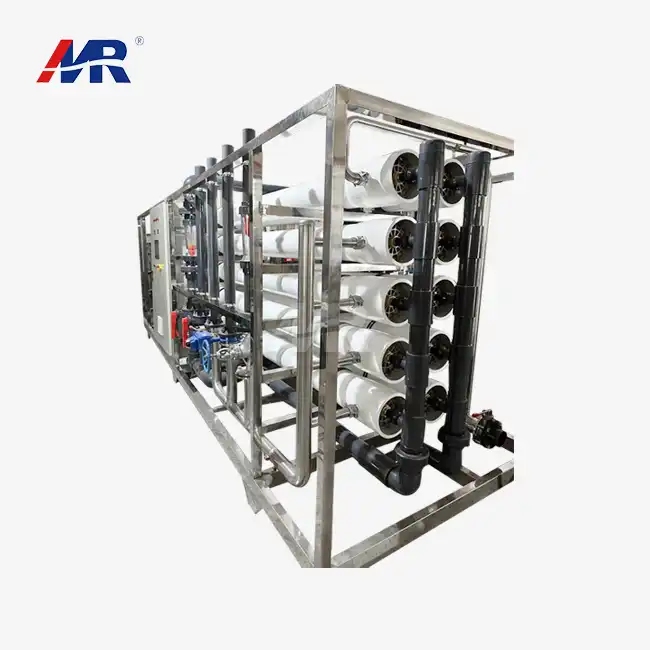
Common Performance Challenges in Compact RO Systems
Membrane Fouling and Scaling Issues
Membrane fouling is a persistent RO system challenge. Biological fouling occurs when microorganisms form biofilms on the membrane surface. Organic fouling involves sticky substances from decomposed organics. Inorganic fouling, or scaling, happens when minerals like calcium carbonate deposit on the membrane. This not only reduces water output but also forces higher operating pressures and can lead to permanent membrane damage.
Pressure Drop and Flow Rate Decline
A pressure drop across the system often signals blockages in prefilters or membranes, indicating a need for maintenance. This pressure problem usually leads to a flow rate decline, reducing water production. It is also important to understand that lower temperatures can naturally decrease permeate flow, helping operators distinguish normal changes from real issues requiring attention.
Pre-filtration System Degradation
Prefilters are crucial for protecting ro membranes from damage. Exhausted sediment filters allow particulates to reach and foul the membranes. Spent carbon filters fail to remove chlorine, which can destroy membrane material. Similarly, a malfunctioning antiscalant system permits scale formation. Regularly monitoring and replacing these components is essential to maintain system integrity and prevent downstream problems.
Essential Maintenance Best Practices for Compact RO Systems
Performing thorough repair procedures guarantees smooth operation and increases the system's useful life. These routines cover both preventative and corrective repair needs while keeping water quality standards high for a wide range of commercial uses.
Regular Inspection and Monitoring Protocols
All important parts of the system, such as pressure gauges, flow meters, and electrical links, should be inspected visually every day. They need to write down important numbers like the feed pressure, the permeate pressure, the concentrate pressure, the feed flow rate, the permeate flow rate, and the conductivity readings. These measures set baselines for success and make it possible to find problems early on.
During weekly checks, the prefilter housings should be checked for leaks, the antiscalant tank levels should be checked, and the proper functioning of control valves and instruments should be confirmed. More in-depth reviews of each component are done every month. These include analyses of pump performance, estimates of membrane performance, and overall trending of system performance.
Setting normalized performance factors takes into account changes in the temperature and pressure of the feed water, which lets you get a truer picture of how the system is really doing. This method helps tell the difference between normal changes in operations and performance loss that needs repair.
Membrane Cleaning and Replacement Strategies
How often the membrane is cleaned relies on the quality of the feed water, how the system is designed, and how it is being used. When normalized permeate flow drops by 10 to 15 percent or when salt passage increases noticeably, most small RO system setups need to be cleaned. For biological and organic fouling, chemical cleaning methods usually start with an alkaline cleaning step and then move on to an acid cleaning step to get rid of artificial scale.
The type of dirt must be taken into account when choosing a cleaning product. Acidic treatments break down calcium carbonate and metal oxide scales, while alkaline cleaners get rid of biological growth and organic layers. As part of proper cleaning methods, there should be low-pressure washing steps followed by recycling at certain temperatures and flow rates.
When cleaning doesn't bring the performance back to a satisfactory level, the membrane needs to be replaced. Under normal working conditions, good membranes should last between 3 and 5 years. However, if the feed water is very hard, this time frame may be shortened. When planning a replacement, you should think about how long it will take to get the membrane and when to do maintenance during planned breaks.
Pretreatment System Maintenance
When to change a sediment filter depends on how cloudy the feed water is and how many suspended solids are in it. In city water systems, high-quality polypropylene or folded polyester cartridges need to be replaced every one to three months. In industrial systems, they may need to be changed more often.
Maintaining a carbon filter means keeping an eye on chlorine escape and changing cartridges when the filter effluent has more than 0.1 ppm of chlorine left over. In bigger systems, activated carbon beds need to be backwashed on a regular basis, and the media will need to be replaced when it loses its chlorine-adsorption ability.
Antiscalant injection system upkeep includes making sure that the dose pumps are always calibrated, that the injection lines are clean, and that the chemicals are mixed correctly. When making a solution, it's important to follow the manufacturer's instructions for concentration and compatibility with system materials.
Leveraging Technology to Optimize RO System Maintenance
Predictive maintenance methods made possible by modern tracking technologies greatly cut down on unplanned downtime while also maximizing repair intervals. Advanced control systems can log a lot of data, handle alarms, and allow online tracking, all of which make operations run more smoothly.
Advanced Monitoring and Control Systems
Modern RO system setups use complex monitoring systems that keep an eye on a number of performance factors all the time. To give real-time operating data, these devices use flow meters, temperature monitors, conductivity analyzers, pressure transmitters, and flow meters. Automated data logging lets you look at trends and improve performance over long periods of time.
Technical staff can check on the performance of a system from afar with remote tracking, which lets them act quickly on problems as they arise. Critical system data, alarm alerts, and past performance trends can be accessed through mobile apps and web-based platforms.
Predictive analytics algorithms look for trends in practical data to find problems before they break the system. Over time, machine learning makes predictions more accurate, which lets repair schedules and resource sharing be more accurate.
Automated Cleaning and Maintenance Protocols
Programmable logic controls let you set up automatic cleaning routines that make sure that cleaning methods are always the same and that chemicals are used in the best way possible. Automated systems can start cleaning processes based on performance factors, working time, or set intervals. This makes cleaning more effective while lowering the work of operators.
Chemical inventory management systems keep track of how much cleaning solution is being used and send out purchase orders automatically when certain amounts are reached. This method keeps upkeep from being held up by a lack of chemicals and lowers the cost of keeping supplies on hand.
Automated valve operation and pump control make sure that the right flow rates and pressures are used during cleaning rounds. This makes sure that the cleaning is done effectively and that system parts are not damaged by too high of flow rates or pressures.
Integration with Facility Management Systems
Enterprise-level integration lets the RO system's data work with data from other building management systems. This connectivity makes it possible to plan thorough upkeep, keep track of spare parts supplies, and report on regulatory compliance.
Integration with digital maintenance management systems makes it easier to create work orders, plan upkeep, and keep records of past events. These features help with legal checks and make the best use of maintenance resources across various systems.
Integrating energy management makes it possible to find the best times for the compact RO system to run so that it uses the least amount of energy while still producing the right amount of water. When compact RO systems are compatible with smart grids, they can change how they work during times of high demand or when green energy sources are available.
Comparing RO System Solutions for Optimal Maintenance
To choose the right maintenance solutions, you need to carefully look at the tools and service choices that are out there. There are different methods that offer different levels of automation, tracking, and integration options that can affect the long-term success of operations.
Technology Platform Comparison
Traditional ways of maintaining things depend a lot on checking them by hand and planning when to do care. Although these methods can work, they often lead to parts needing to be replaced too soon or failing without warning because they aren't able to be monitored well enough.
Condition-based maintenance strategies are possible with the help of advanced tracking tools that can collect and analyze large amounts of data. Usually, these systems have better features for managing alarms, analyzing trends, and planning repairs ahead of time than basic control systems.
Cloud-based monitoring options let you access data from afar and do advanced analytics without having to make big investments in hardware on-site. A lot of the time, these platforms have expert systems and machine learning algorithms that use operating data analysis to give repair suggestions.
Cost-Benefit Analysis Considerations
The initial cost of installing advanced tracking and control systems needs to be weighed against the money that will be saved in the long run. Higher initial costs for more advanced tracking tools are often justified by lower maintenance costs, longer component life, and better energy economy.
Automated monitoring and repair routines can save a lot of money on labor costs, especially for places that run more than one water treatment system. Remote tracking cuts down on the number of on-site checks that need to be done and lets problems be fixed quickly as they arise.
Optimizing energy costs by making systems more efficient and automating operations can save money over time. Through better pump efficiency and optimized working routines, modern RO system installations usually save 10–20% more energy compared to older systems.
Service and Support Capabilities
Full service support includes expert help, access to extra parts, and the ability to respond to emergencies. Manufacturers with large service networks can offer faster reaction times and less expensive ways to keep their Products in good shape.
Training programs help people who work in facilities learn how to operate systems and do simple maintenance. Operators who have been properly trained can do routine repair jobs and spot problems before they become major problems that shut down the system.
Software changes and system upgrades make sure that systems stay compatible with new technologies and government rules. Manufacturers that offer ongoing development support help protect the value of long-term investments and keep systems running at their best.
Long-Term Strategies to Sustain RO System Efficiency
Creating thorough long-term repair plans for the compact RO system guarantees that the system will keep working well and get the best return on investment. These methods include planning for legal compliance, improving technology, and training employees.
Proactive Maintenance Culture Development
Management and technical staff must be committed to creating an atmosphere of proactive upkeep. Staff members stay up-to-date on changing repair best practices and new technologies through regular training programs. Cross-training programs make sure that there is enough coverage when employees leave or go on vacation.
Documentation systems keep track of institutional knowledge and make sure that repair methods are followed the same way by all shifts and employees. Routine maintenance chores, emergency reaction plans, and fixing steps should all be covered in standard operating procedures.
Performance measures and key performance indicators help keep track of how well maintenance is working and find ways to make it better. Reviewing upkeep costs, system uptime, and water quality compliance on a regular basis gives information about how well the program is working.
Predictive Analytics and Data-Driven Decisions
By looking at old performance data, you can find trends that help you make more accurate predictions about when maintenance will be needed. By looking at trends, you can find small drops in performance that you might not notice until they become big problems.
By looking at the relationships between operational factors and maintenance needs, it is possible to improve running conditions and make parts last longer. Knowing how changes in feed water quality affect system performance can help you figure out what repairs you need to do when the season or process changes.
Comparing system performance and maintenance efficiency to industry standards and other setups that are similar gives you a sense of how things work. Performance reviews done on a regular basis help find ways to improve and confirm repair plans.
System Scaling and Upgrade Planning
When trying to add more capacity, you should think about what the current system can do and how it needs to be integrated. Modular RO system designs let you add small amounts of capacity without having to make big changes to the system.
Planning for technology upgrades makes sure that improvement keeps going even as new technologies come out. Reviewing new technologies on a regular basis helps find ways to make things more efficient and cut costs.
Regulatory compliance planning takes into account changing rules and standards for water safety and reports. Keeping up with changes to regulations helps you stay in line and find ways to make the system better.
Conclusion
To maintain small RO systems well, you need to take a complete approach that includes regular checks, proactive care methods, and smart technology use. By learning about common performance issues, facility managers can create focused repair plans that stop costly breakdowns and boost working efficiency. Using advanced monitoring technologies and predictive repair routines makes systems much more reliable and lowers their long-term costs of operation. Building strong maintenance practices, investing in the right tools, and keeping the focus on ongoing growth are all important for success. These methods make sure that water treatment works reliably and gets the best return on investment in a wide range of industry settings.
FAQ
1. How often should RO membranes be replaced in compact systems?
Under standard operating settings, membranes should be replaced every three to five years. The quality of the feed water, the working pressure, how often the membrane is cleaned, and how it is maintained all affect its life. If the feed water is very foul, systems that handle it may need to change the membranes more often. However, good pretreatment and care can make the membranes last longer than usual.
2. What are the most critical parameters to monitor daily?
Feed pressure, permeate pressure, concentrate pressure, permeate flow rate, feed flow rate, and permeate conductivity are all important factors to check every day. Temperature readings help level out performance data, and the difference in pressure between prefilters shows how well the filter is working. By keeping track of these factors, problems can be found early on.
3. When should chemical cleaning be performed?
When standardized permeate flow drops by 10-15%, salt passage increases significantly, or pressure difference across membranes increases significantly, chemicals need to be cleaned. Cleaning time depends on the quality of the feed water and how the system is set up, but in most Cases it's done once a month to once a year.
4. What causes sudden pressure drops in RO systems?
When the pressure drops quickly, it's usually because of a problem with the pump, a valve, or a big leak in the high-pressure system. Pressure drops over time are usually caused by membrane fouling, prefilter blocking, or pump wear. To keep the system from getting damaged, sudden changes need to be looked into right away.
5. How can energy costs be kept as low as possible without affecting performance?
Maintaining the right membrane flow rates, improving recovery ratios, making sure there is enough preparation, and using variable frequency drives on pump motors are all ways to save energy. Regular maintenance stops losses in efficiency that make energy use go up, and automatic controls make the best use of working plans.
Partner with Morui for Superior RO System Solutions
Morui's full range of RO System repair services will help you get the most out of your water treatment investment. Our Team of 20 qualified engineers and 500 technical professionals has a lot of experience in areas like pharmaceuticals, semiconductors, food processing, and city government. We offer full system optimization from the initial planning phase through ongoing maintenance support. This is made possible by our membrane production plant and agreements with leaders in the field, such as Shimge Water Pumps and Runxin Valves. Email our technical team at benson@guangdongmorui.com to talk about how our unified method can improve the reliability of the water treatment at your location. We provide the cutting-edge monitoring technologies and proactive maintenance strategies your business requires for long-term success as a reputable RO System maker with 14 locations around the world.
References
1. Membrane Technology and Research Institute. "Reverse Osmosis Membrane Fouling: Mechanisms and Prevention Strategies." Journal of Water Treatment Engineering, Volume 45, 2023.
2. American Water Works Association. "Compact RO Systems: Design, Operation, and Maintenance Guidelines." AWWA Manual M46, Second Edition, 2022.
3. International Desalination Association. "Best Practices for Small-Scale Reverse Osmosis System Maintenance." IDA Technical Standards Committee Report, 2023.
4. Water Quality Association. "Performance Monitoring and Predictive Maintenance in Commercial RO Systems." WQA Technical Bulletin TB-2023-07, 2023.
5. National Association of Water Companies. "Energy Efficiency Optimization in Compact Reverse Osmosis Applications." NAWC Research Publication Series, Volume 28, 2022.
6. Environmental Protection Agency. "Small System Compliance and Technology Guide for Membrane Filtration." EPA Office of Water Technical Report, 2023.
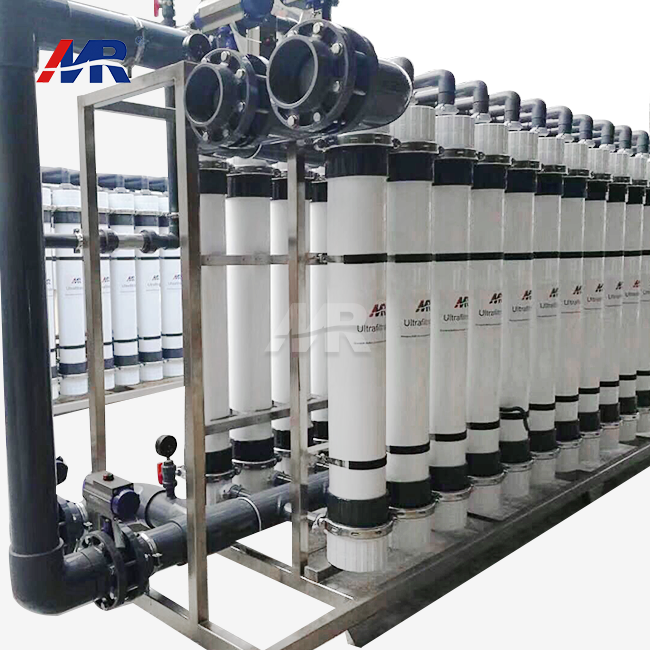 VIEW MOREultrafiltration water system
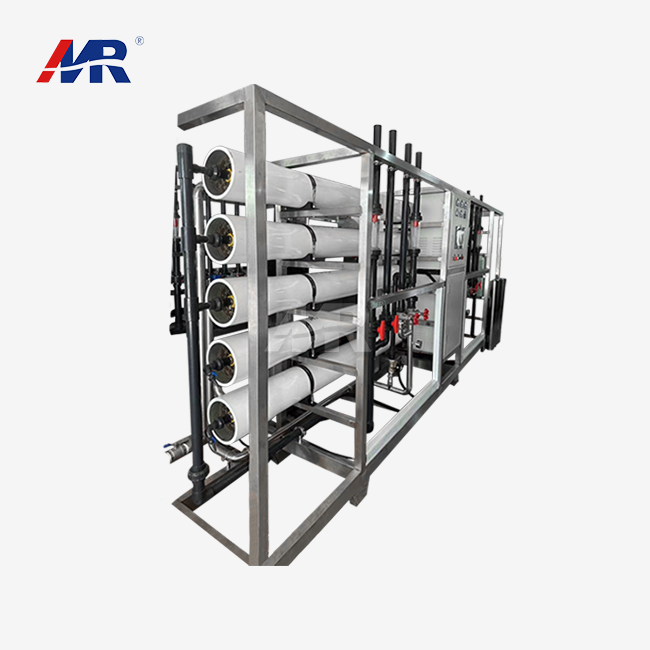 VIEW MOREhighest rated reverse osmosis system
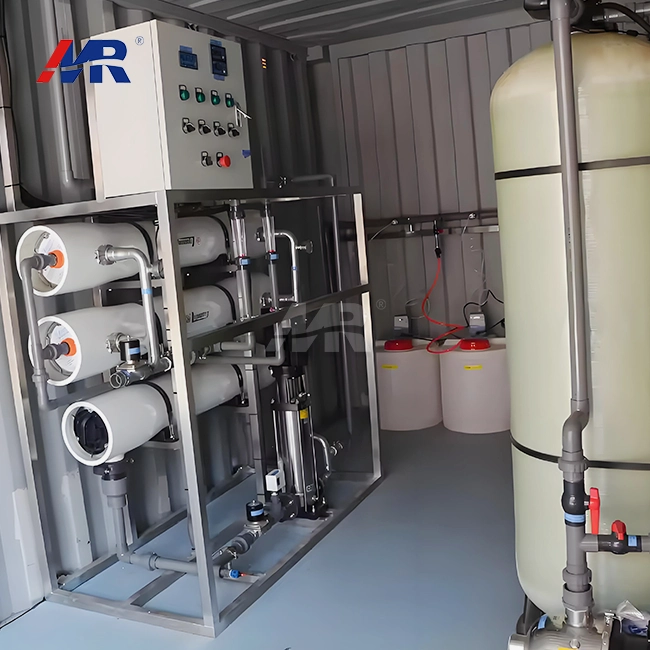 VIEW MOREcontainerized reverse osmosis system
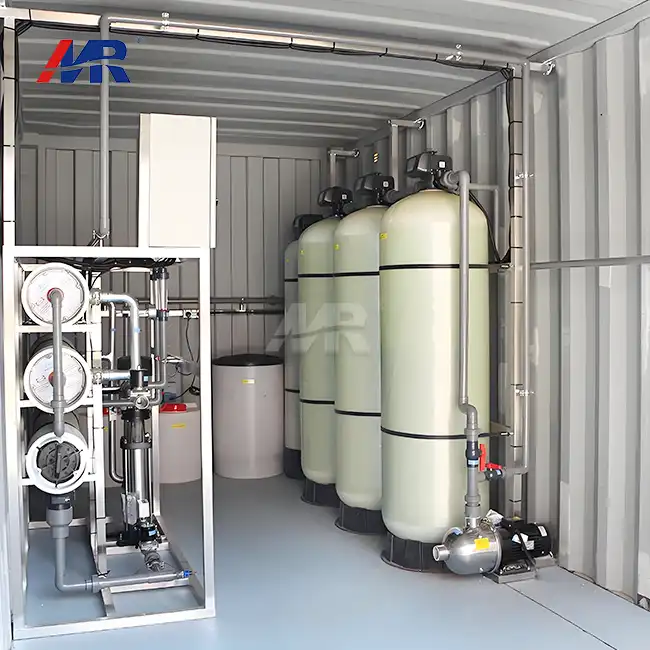 VIEW MOREcontainer ro equipment
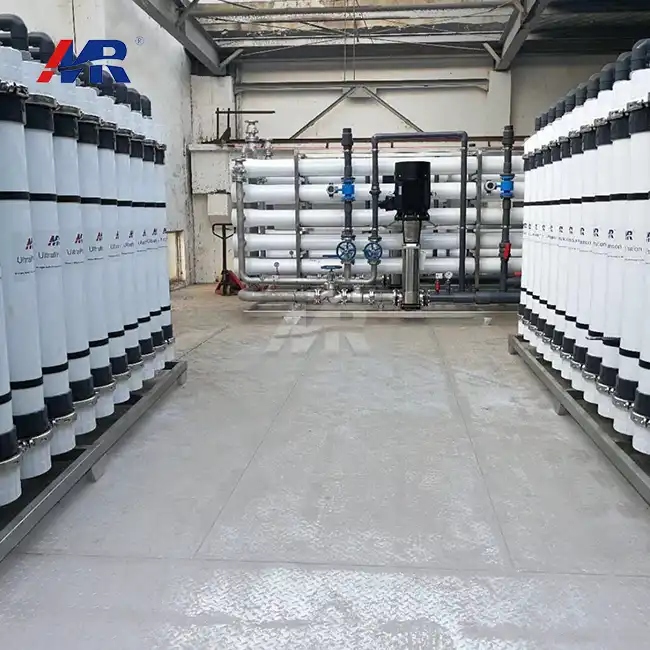 VIEW MORE2000m3/day ultrafiltration equipment
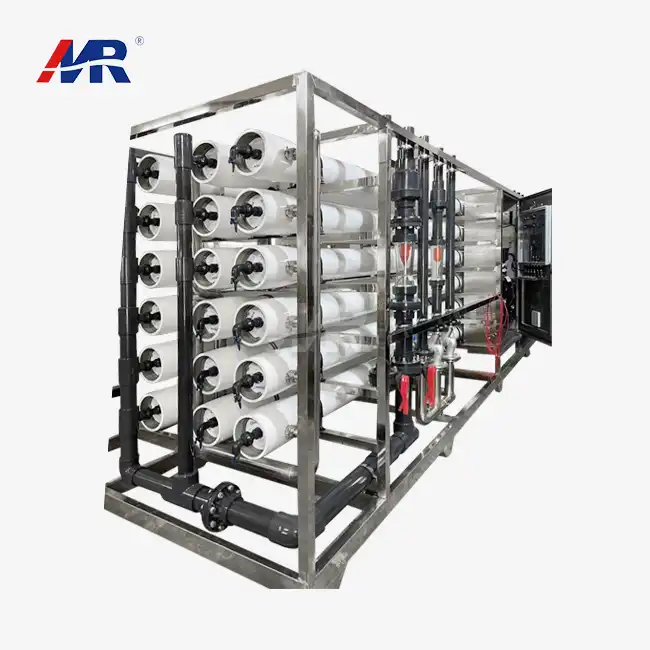 VIEW MORE100m3/hour reverse osmosis equipment
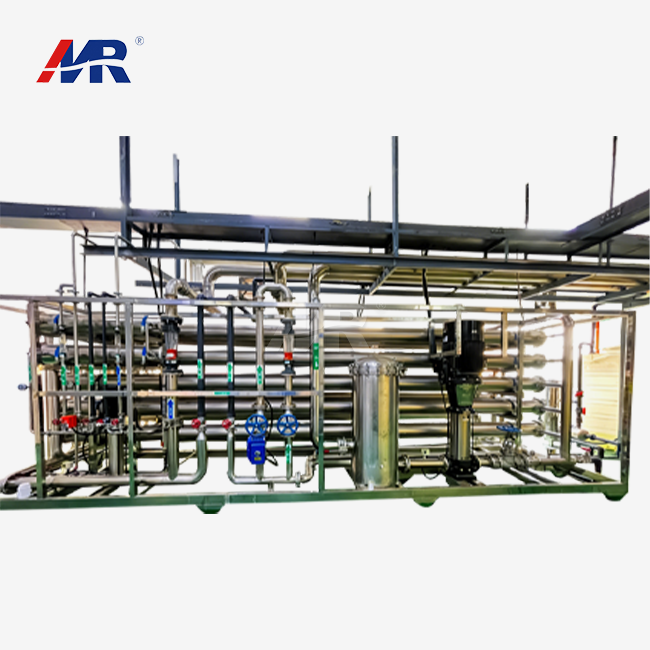 VIEW MOREnew ro system
 VIEW MORE8 stage reverse osmosis system
