_1745823981883.webp)

Lifespan of RO Membranes in Brackish Water Systems
Depending on the quality of the feedwater, how the system is used, and how often it is maintained, reverse osmosis membranes in brackish water RO systems usually last between 2 and 5 years. The thin-film composite membranes in this product are designed to work with modest salinity levels (1,000 to 10,000 ppm Total Dissolved Solids). This makes them perfect for industry uses that need reliable water treatment and low costs.
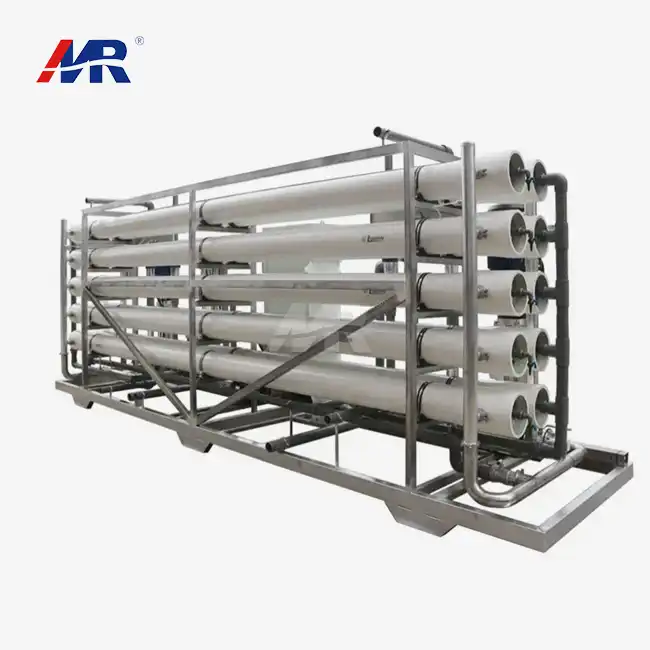
Understanding Brackish Water RO Membranes and Their Lifespan
Reverse osmosis membranes are advanced filter technologies that are made to handle the unique problems that come up with moderately salty water sources. These membranes work by selectively letting water molecules pass through but blocking dissolved salts, microbes, and other unwanted substances that can lower the quality of water used in industrial settings.
Membrane Design and Operational Mechanisms
Membrane technology is at the heart of any brackish water cleaning method that works well. Modern thin-film hybrid membranes have many layers that work together to get the best rejection rates while using the least amount of energy. At working pressures around 225 psi, which are much lower than what is needed to desalinate saltwater, these membranes can usually reject more than 99.5% of salt.
The selective barrier system works by pushing water through very small holes that are about 0.0001 microns wide. Traditional filter methods can't get rid of dissolved minerals, heavy metals, and organic chemicals, but this method does. The polyamide active layer of the membrane does most of the separating work, and the supporting layers make sure the structure stays strong under working stresses.
Factors Influencing Membrane Longevity
A number of important factors have a direct effect on how long a membrane lasts and how consistently it works. The quality of the feedwater is still the most important factor. Higher amounts of scaling chemicals like calcium carbonate and silica speed up the breakdown of the membrane. Changes in temperature can also damage membranes. The best temperature range for operation is usually between 15°C and 35°C.
Managing the operating pressure is a key part of making membranes last longer. Too much pressure can permanently compact the material, slowing the flow of permeate and requiring more energy. On the other hand, not enough pressure could lead to poor separation, which would lower the quality of the product water.
Chemical compatibility is another important thing to think about. Strong acids, bases, or chlorine, or exposure to them, can damage membranes permanently, so they need to be carefully prepared and dosed with chemicals. Keeping the pH level between 6.5 and 7.5 helps the membrane work well and last as long as possible.
Commercial Lifespan Expectations and Budget Planning
According to data from the industry, brackish water screens that are well taken care of usually last three to four years under normal working conditions. During this time, manufacturing sites that use moderate TDS feedwater can expect consistent performance, with signs of a slow decline showing up in the last operating year.
When making a budget for replacing membranes, you should think about both planned repairs and possible emergencies. Setting replacement plans based on normalized permeate flow decrease, salt passage increase, or differential pressure rise above acceptable levels is helpful for procurement managers.
Key Causes of Membrane Degradation and How to Mitigate Them
Knowing the main ways that membranes break down lets you come up with proactive security methods that make membranes last a lot longer. Scaling, bacterial fouling, and chemical attack are the most common types of failure. Each one needs a different set of solutions that are based on the water chemistry and working conditions in the area.
Scaling and Inorganic Fouling Prevention
In brackish water RO systems, mineral scaling is the most common reason why membrane function goes down. Calcium carbonate, calcium sulfate, barium sulfate, and silica crystals that build up on barrier surfaces over time are all common scaling substances.
Scale-prevention tactics that work include analyzing the water in depth to find possible scale species and then choosing the right pretreatment. Chemicals in antiscalant dosing systems stop scale from forming, and water softeners get rid of hardness minerals before they reach the membrane elements.
Case studies from local water treatment plants show that using the right antiscalant and the right amount can make membranes last 40 to 60 percent longer than membranes that aren't protected. The key is to make sure that the antiscalant chemical matches the exact make-up of the water, taking into account things like pH levels, calcium content, and changes in temperature.
Biological Fouling Control Strategies
Biofouling happens when bacteria stick to membrane surfaces and make biofilms that block permeate flow and raise differential pressure. This happens a lot when it's warm outside or when cleaning public water sources that have a lot of organic matter in them.
There are many ways to go about prevention, starting with good sanitation in the prep steps. Microbes can't get to the membranes if they are sterilized with ultraviolet light, ozone, or chlorination that is carefully managed. To keep the membrane from oxidizing, any chlorine that is still present must be removed using an activated carbon filter or sodium metabisulfite injection.
Biofilm doesn't build up on membrane surfaces as long as they are cleaned regularly with the right biocides. Depending on the bacteria that are present, different cleaning chemicals are used. For example, alkaline cleaners work well against organic gunk, while acidic solutions work well against mineral deposits.
Chemical Attack Mitigation
Through oxidation, hydrolysis, or pH extremes, chemical breakdown can damage membranes in a way that can't be fixed. Chemical attacks in cities and factories are still mostly caused by chlorine exposure, which means that security and tracking systems need to be very careful.
Oxidizing agents, such as chlorine, chloramine, or hydrogen peroxide, can damage the polyamide active layer. This makes it easier for salt to pass through and less effective at blocking it. For security to work, dechlorination systems must be stable and have two sets of monitors to make sure that all oxidants are removed.
If the pH level goes out of the normal range, it can lead to hydrolysis processes that weaken the structure of the membrane. Automatic pH adjustment systems keep things in the best possible state and can sound a warning if things get out of range, which could damage the membrane.
Maintenance and Troubleshooting to Maximize Membrane Lifespan
Comprehensive maintenance programs are the key to running a successful membrane business. These programs combine regular checks, preventative cleaning, and proactive fixing to improve system performance and extend the life of equipment. For these programs to work, they need systematic methods that are made to fit the working conditions and water chemistry.
Systematic Monitoring and Performance Tracking
For membrane tracking to work, data must be collected and analyzed regularly so that performance trends can be found before they become major problems. Normalized permeate flow, salt rejection rate, and differential pressure across membrane elements are some of the most important performance metrics.
Normalization calculations take into account changes in temperature, pressure, and the percentage of the feedwater. This lets you compare results accurately over time. Temperature adjustment factors bring flow rates back to normal, and pressure normalization takes into account changes in the pump or the system.
Data trending analysis helps find patterns of slowly decreasing performance that point to specific fouling processes or practical problems. A quick drop in flow usually means that particles are blocking the flow, while a slow rise in salt passing could mean that chemicals are breaking down or scale is building up.
Preventive Cleaning Protocols
Regular cleaning plans stop gunk from building up and damaging membrane elements in a way that can't be fixed. How often systems need to be cleaned varies on the quality of the feedwater. Systems with a lot of dirt need to be cleaned once a week, while systems with good feedwater may only need to be cleaned once a month.
When choosing a cleaning agent, it's important to think about the types of fouling and how well it works with membranes. Mineral scales can be removed by acidic cleaners, while organic and bacterial fouling can be removed by alkaline treatments. Using both acidic and basic chemicals in a certain order during cleaning gets rid of all fouling.
Cleaning is done by moving cleaning solutions around at certain temperatures, concentrations, and touch times to get the best results with the least amount of stress on the membrane. The right way to rinse makes sure that all chemicals are gone before going back to normal operation.
Cost-Benefit Analysis of Maintenance Approaches
When compared to reactive maintenance strategies that only fix problems after they happen, proactive maintenance strategies show big economic benefits. Studies from factories show that preventive repair cuts the total cost of ownership by 25–35% while making the system more reliable.
The costs of preventive upkeep include cleaning chemicals, tracking tools, and work. But these costs are nothing compared to the costs of replacing membranes in an emergency, stopping production, and the damage that could happen to equipment if maintenance isn't done.
The best upkeep plan takes into account things like output schedules, changes in water quality, and the cost of replacing the membrane and finds a balance between how often to clean and how much it costs to do so. Well-thought-out plans extend the life of membranes while causing as few problems as possible.
Comparing Brackish Water RO Membranes with Other Water Treatment Technologies
When choosing a technology for treating moderately salty water, it is important to look at how well it works, how much it costs, and how reliable it is in the long run. When used in certain situations, brackish water RO membranes are better than other technologies, but this depends on the situation.
Performance Comparison with Seawater Desalination
Brackish water membranes work with much lower pressures than seawater systems; they usually need 225 psi instead of 800-1000 psi for saltwater uses. This difference in pressure means that systems that treat brackish water use 2.5 to 3.5 kWh/m³ of energy, while systems that treat saltwater use 4 to 6 kWh/m³.
Recovery rates are better for brackish water uses; most systems can return 75–85% of the water they use, while only 35–50% of the water used in seawater plants is recovered. Higher recovery rates lower the amount of trash that goes into the stream and make total water use more efficient. This is especially important in places where water is scarce.
Lower operating pressures and less fouling possibility in brackish water uses make membranes last longer. Seawater membranes may need to be replaced every two to three years, but brackish water elements should last between three and five years if they are used correctly.
Alternative Technology Evaluation
Thermal distillation methods, such as multi-stage flash or multi-effect distillation, are very reliable, but they use a lot more energy than membrane systems. When very pure water is needed or when waste heat sources are available to lower energy costs, these methods really shine.
Ion exchange devices can improve the quality of water for some uses, but they need to be regenerated chemically, which creates waste streams and makes operations more difficult. These systems are good for cleaning tasks that come after RO systems or when you want to get rid of specific contaminants.
Electrodialysis methods work well with salty water and have some benefits in high-recovery situations. These systems, on the other hand, need more complicated tracking and upkeep than RO systems, so they are mostly only good for specific uses.
Procurement Considerations: Choosing and Buying Brackish Water RO Membranes
Long-term operating success and the total cost of ownership for water treatment systems are greatly affected by strategic procurement choices. Knowing the important factors for choosing a seller, how to evaluate them, and how much things cost helps you make smart buying choices that meet your needs and your budget.
Critical Selection Criteria and Specifications
Before choosing a membrane, it is important to carefully look at the features of the feedwater, such as the TDS concentration, growth potential, and organic content. These factors tell us what kind of membrane chemistry, element arrangement, and system design are needed for the best performance and longest life.
Material specs are very important for how long a membrane lasts and how well it reacts with chemicals. In most brackish water RO applications, high-rejection, low-fouling thin-film composite membranes provide better performance by mixing high salt rejection with low biological fouling and chemical degradation resistance.
Certification guidelines check the quality of the membrane and make sure it always works the same way. ANSI/NSF standards make sure that membrane specs are correct, and ISO Certifications make sure that the quality of the manufacturing process is controlled. These certifications lower the risks of buying things and give people trust in long-term performance standards.
Supplier Evaluation and Relationship Management
Supplier reliability includes the standard of their production, expert help, and service after the sale. Product quality and supply chain management are more likely to be stable when the manufacturer has been around for a while and has a good track record. This is especially important for critical uses.
The ability to provide technical help has a big effect on the success of operations, especially during the beginning, troubleshooting, and optimization stages. In many situations, suppliers who give thorough training programs, detailed technical documentation, and quick help in the field are worth the extra cost because they provide added value.
Some things to think about in the global supply chain are how reliable deliveries are, how to handle inventory, and how to replace items quickly in a situation. When you work directly with a maker, you may be able to get better prices and faster expert support. Local distributorship networks can offer faster response times and lower shipping costs.
Pricing Structures and Bulk Purchasing Options
Membrane price structures usually include base element costs, discounts for buying in bulk, and services that add value, such as expert help and training. Figuring out the different parts of the total cost lets you make accurate budget plans and compare suppliers across various buying models.
Volume buying deals can save a lot of money for businesses that have a lot of setups or work in more than one place. Besides lowering unit costs, these deals often protect prices, make sure Products are always available, and offer better Technical support. All of these things help businesses run more smoothly and make more money.
Planning for replacement supplies makes sure that operations keep going and cuts down on the costs of emergency purchases. Setting strategic inventory levels, preferred supplier deals, and fast shipping choices can help protect against unexpected membrane breakdowns and make the best use of working capital.
Conclusion
There are many interconnected factors that affect how long ro membranes last in brackish water systems. These include the quality of the feedwater, the working conditions, the maintenance schedule, and the provider chosen. When procurement workers and operations managers understand these connections, they can get the most out of membrane performance while keeping the total cost of ownership as low as possible. With the right system design, regular upkeep, and smart partnerships with suppliers, you can make water treatment solutions that last and give consistent results in a wide range of industrial settings. Investing in good membranes and thorough repair programs pays off by making equipment last longer, being more reliable, and lowering operating risks.
FAQ
1. How long do brackish water RO membranes typically last?
Brackish water RO membranes usually work well for two to five years, and in most industrial settings, they last three to four years with the right conditions. Lifespan is strongly related to the quality of the feedwater, the repair schedule, and the working conditions, such as controlling the pressure and temperature.
2. What are the early warning signs of membrane degradation?
Key signs include a normalized drop in permeate flow of more than 10%, an increase in salt passage of more than 10% of the original values, and a rise in differential pressure of more than 15% of the baseline readings. These factors should be constantly checked and compared to trends to spot problems before they get too bad.
3. Can membrane lifespan be extended through optimized pretreatment?
By getting rid of fouling precursors before they reach the membrane elements, thorough cleaning greatly increases the membrane's life. Multimedia filtration, antiscalant dosing, pH change, and biological control methods that are specifically designed for the water chemistry are all good ways to deal with the problem.
Partner with Morui for Superior Brackish Water RO Solutions
Morui makes the best brackish water treatment systems on the market, with membranes that last as long as possible and work as efficiently as possible. Our new thin-film composite membranes can recover up to 85% of the energy they use, which is a lot less than standard methods and means lower operating costs. With more than 500 workers, 20 expert engineers, and our own plant for making membranes, we can offer custom solutions and full technical support. To speak with a reputable maker about your brackish water RO needs, email our knowledgeable staff at benson@guangdongmorui.com.
References
1. Membrane Technology and Applications, Third Edition. Richard W. Baker. John Wiley & Sons, 2012.
2. Reverse Osmosis: Design, Processes, and Applications for Engineers. Jane Kucera. Scrivener Publishing, 2015.
3. Water Treatment Membrane Processes. American Water Works Association. McGraw-Hill Education, 2018.
4. Industrial Water Treatment: Process Technology and Environmental Compliance. Drew Chemical Corporation. ChemTec Publishing, 2019.
5. Membrane Science and Technology Series: Brackish Water Desalination. Maria Kennedy and Jan Schippers. Elsevier Science, 2020.
6. Advances in Membrane Technologies for Water Treatment. Angelo Basile and Alfredo Cassano. Woodhead Publishing, 2021.