_1745823981883.webp)

South Korea Labs: Why Many Still Import China EDI Purified Water Units
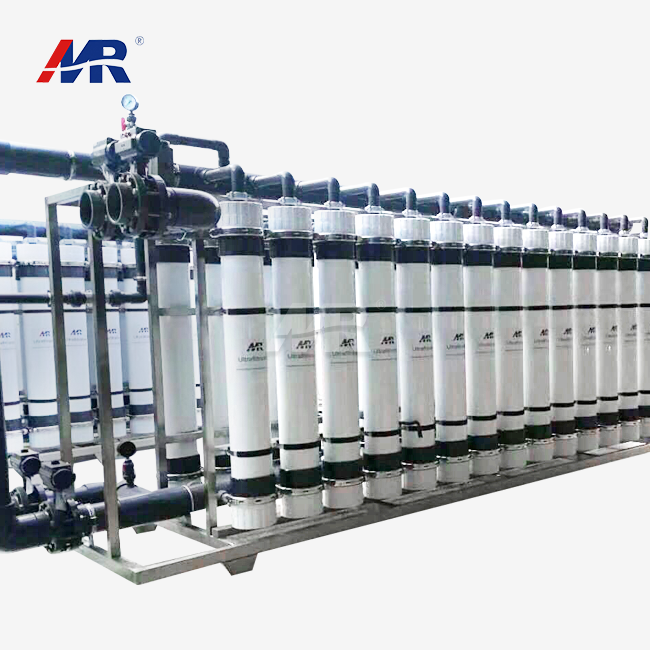
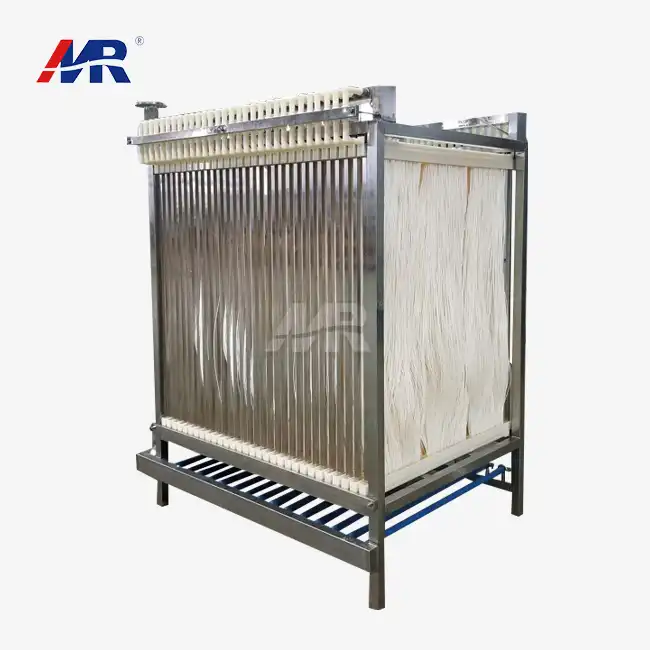
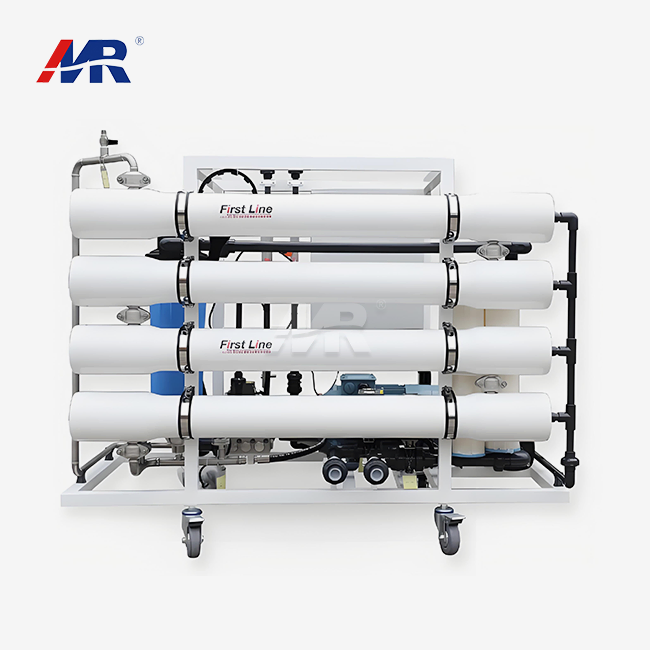
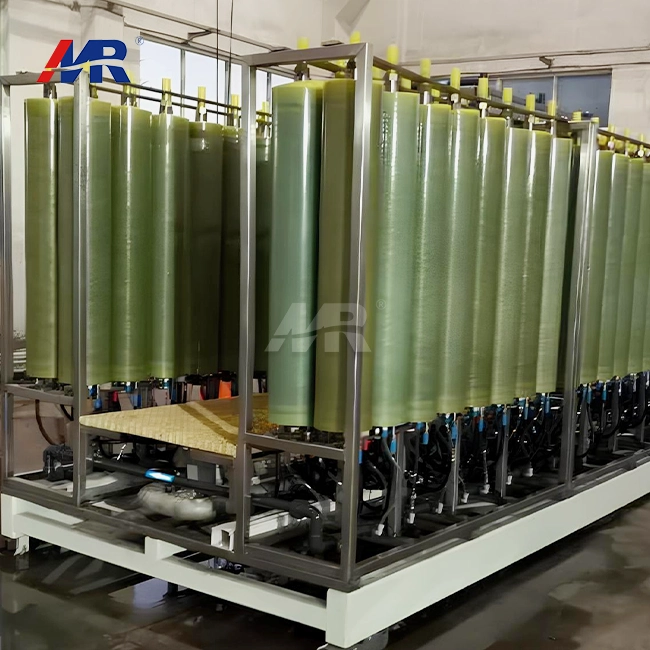
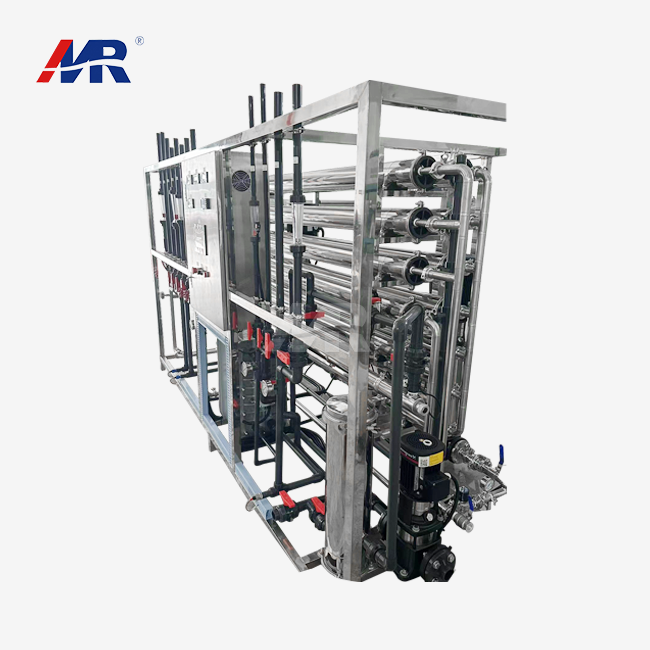
Even though South Korea has a lot of modern technology and a growing water treatment industry, a lot of labs still buy their electrodeionization equipment from Chinese companies. The main reason is that Chinese companies that make EDI purified water systems offer great value because they combine low prices with tried-and-true technology that meets strict international quality standards. These systems provide consistent ultra-pure water that is needed for sensitive lab uses. They also offer cost-effective solutions that work with the budgets of organizations of all sizes.
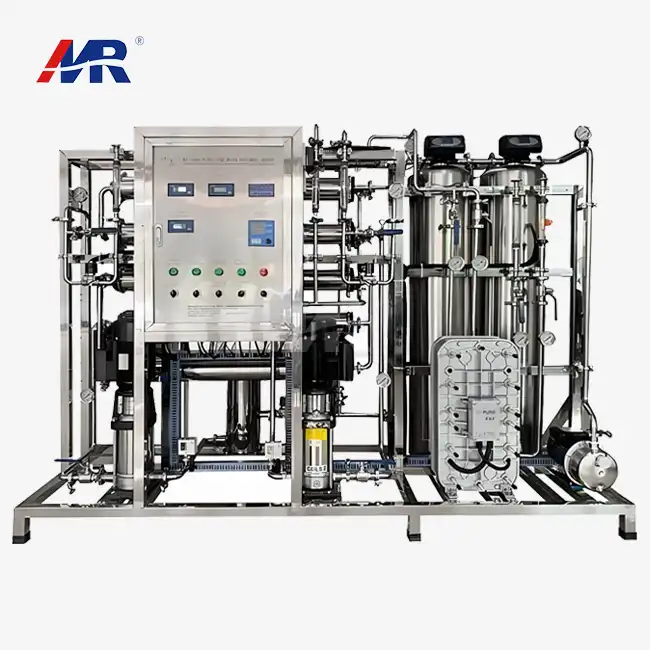
Understanding EDI Purified Water Systems: Technology and Benefits
Advanced Technology Integration
An innovative way to clean water called electrodeionization combines ion exchange resins with electrical current to achieve constant deionization without the need for chemical regeneration. This advanced method gets rid of almost all ionized species in water, leaving behind ultra-pure water with a resistance of 18.2 M··cm. Instead of the breaks that come with standard purification methods, EDI technology works nonstop, so there is no need for resin regeneration cycles.
To make the main process work, ion exchange resins are put between selective membranes, and direct current is run across the whole assembly. Ionic contaminants are pushed through the membranes by this arrangement, leaving only clean water behind. The process makes the water very pure, with amounts of total organic carbon (TOC) below 10 ppb and silica below 1 ppb. This makes it perfect for uses that need the best water quality.
Operational Advantages Over Traditional Methods
Modern electrodeionization systems offer substantial benefits compared to conventional purification technologies. Here are the core advantages that make EDI particularly attractive for laboratory applications:
- By doing away with the requirement for dangerous regeneration chemicals, chemical-free operation lowers operational complexity and its impact on the environment.
- For continuous research operations, continuous production guarantees a steady supply of water without regeneration downtime.
- Its low energy consumption—typically between 0.1 and 0.3 kWh/m³—makes it more effective than many other purifying techniques.
- Low maintenance needs guarantee dependable performance while lowering operating strain and long-term expenses.
- Space efficiency is maximized by compact design, which is especially useful in laboratory settings where real estate is scarce.
These advantages translate directly into operational savings and enhanced productivity for laboratory facilities. The elimination of chemical handling reduces safety concerns, while the consistent output quality ensures reliable results in sensitive analytical procedures.
Quality Standards and Performance Metrics
The performance specifications of modern EDI purified water systems demonstrate their capability to meet the most demanding laboratory requirements. Flow rates ranging from 0.5 to 50 m³/h accommodate diverse facility sizes, while recovery rates exceeding 90% minimize water waste. The consistently high resistivity output ensures that water quality meets or exceeds requirements for pharmaceutical manufacturing, semiconductor production, and precision laboratory research.
Why South Korea Labs Still Import China-made EDI Systems?
Cost-Effectiveness Without Quality Compromise
Chinese producers have created a strong value proposition that blends dependable performance with competitive pricing. The cost benefits cover installation, upkeep, and aftermarket service in addition to the initial purchase price. Chinese EDI purified water systems are especially appealing to procurement managers with limited funds because of their all-inclusive approach to total cost of ownership.
The cost structure is a reflection of the economies of scale and effective production techniques that Chinese manufacturers have attained by specializing in water treatment technology. Lower prices do not, however, imply lesser quality. Prominent Chinese producers have made significant R&D investments, producing goods that are competitively priced and satisfy international certification requirements.
International Certifications and Quality Assurance
To make sure their goods fulfill international quality requirements, Chinese EDI manufacturers have methodically pursued foreign Certifications. ISO 9001 quality management systems, CE marking for European compliance, and other industry-specific certifications pertinent to laboratory applications are some examples of these certifications. Strict testing and quality control procedures are used in the certification process to confirm the dependability and performance of the product.
When Chinese manufacturers use sophisticated quality control systems in their manufacturing processes, quality assurance is extended. To guarantee consistently high-quality output, these systems track manufacturing parameters, thoroughly test final goods, and keep thorough records. The end product is equipment that maintains competitive pricing while operating dependably in demanding laboratory conditions.
Supply Chain Efficiency and Flexibility
Chinese producers are excellent at managing supply chains and provide flexibility to meet a variety of procurement needs. Chinese vendors are able to modify order amounts and delivery schedules in accordance with the needs of laboratories, whether they require large-scale operations or single units for tiny research centers. This flexibility is especially helpful for companies with different budgetary limitations and procurement schedules.
Rapid deployment is also made possible by the well-established supply chains, which shorten the time from order placement to system commissioning. Reliable delivery is guaranteed by skilled logistics networks, and installation and startup are made easier by extensive Technical support. When efficiency and assistance are combined, project risks are reduced, and laboratory investment time-to-value is accelerated.
Comparison of Chinese EDI Systems with Alternatives in the South Korean Market
Performance Analysis Against Competing Technologies
When compared to standalone reverse osmosis, conventional deionization, or distillation systems, EDI technology exhibits better performance characteristics when assessing water treatment choices. While the chemical-free method lowers operational complexity and environmental impact, the continuous operating capability avoids productivity disruptions. These qualities are especially helpful in lab settings where dependable research results depend on consistent water quality.
In terms of performance requirements, Chinese edi systems are competitive with goods from well-known international producers. In addition to having more appealing pricing structures, the resistivity levels, TOC concentrations, and silica removal capabilities are on par with or better than those of rival goods. For procurement decision-makers, this performance equivalence and cost advantages make for an attractive value proposition.
Customer Feedback and Market Reception
User experiences with Chinese EDI purified water systems in South Korean laboratories indicate high satisfaction levels regarding system performance and reliability. The consistent water quality output meets demanding analytical requirements while the low maintenance burden reduces operational overhead. Customer feedback consistently highlights the favorable total cost of ownership compared to alternative solutions from other regions.
The positive reception extends to technical support services where Chinese manufacturers have established local presence or partnerships to provide responsive customer service. This localized support structure addresses potential concerns about distance and time zone differences while ensuring prompt resolution of technical issues when they arise.
Customization and Scalability Options
Chinese manufacturers demonstrate particular strength in customization capabilities, adapting system configurations to meet specific laboratory requirements. This flexibility encompasses flow rate adjustments, footprint modifications, and integration with existing water treatment infrastructure. The modular design approach allows systems to scale with changing facility needs, protecting investment value over time.
The customization extends to control systems and monitoring capabilities, where manufacturers can incorporate specific instrumentation or connectivity requirements. This adaptability proves valuable for laboratories with unique operational requirements or existing facility management systems that need integration with new water treatment equipment.
Procurement Considerations for South Korean Labs Buying Chinese EDI Systems
Supplier Evaluation Criteria
Purchasing Chinese EDI purified water systems successfully necessitates a thorough assessment of possible vendors using a variety of factors. Verification of manufacturing standards guarantees that suppliers uphold quality control procedures in accordance with global standards. Facility audits, certification evaluations, and reference checks with current clients in comparable applications should all be part of this assessment.
Given that optimal system configuration has a direct impact on long-term performance, installation and commissioning services are important evaluation criteria. Complete installation support, including advice on site preparation, equipment commissioning, and operator training, is offered by qualified vendors. By guaranteeing a timely reaction to operational challenges, the availability of local technical assistance or existing service relationships offers substantial value.
Financial and Contractual Considerations
Procurement teams should evaluate various financing options that Chinese suppliers may offer, including traditional purchase arrangements, leasing programs, or performance-based contracts. These options allow organizations to align payment structures with budget cycles and cash flow preferences while securing necessary water treatment capabilities.
Warranty provisions and parts availability require careful attention during contract negotiations. Comprehensive warranty coverage should encompass both equipment performance and parts replacement, while parts availability guarantees ensure long-term operational continuity. Clear service level agreements help establish expectations for response times and resolution procedures.
Regulatory Compliance and Documentation
When buying something, South Korean rules and regulations must be carefully followed. This includes checking that the equipment meets local safety standards, rules about the environment, and industry-specific rules that apply to lab work. Suppliers should provide a lot of paperwork that shows they are following all the rules and standards that apply.
The package of documentation should have thorough technical specs, operating guides, maintenance instructions, and safety rules in the right languages. This paperwork makes sure that regulations are followed and helps lab staff do their jobs correctly during operation and maintenance.
Future Outlook: Trends and Opportunities in EDI System Procurement
Technological Advancement and Innovation
The market for EDI systems is always changing as new technologies are introduced that make them work better, be more efficient, and be easier to use. Chinese companies are adding high-tech monitoring systems that give real-time information about water quality and the ability to plan for repair. These technological improvements make operations clearer and lower the chance that equipment will break down without warning.
Improvements to automation make the system running easier and require less human input. Smart control systems change the working parameters automatically based on the quality of the water and how it is used. This improves performance while reducing energy use. Because of these improvements, EDI systems are more appealing to labs that want to make their operations simpler.
Environmental Sustainability Initiatives
Growing emphasis on environmental sustainability drives demand for water treatment technologies that minimize resource consumption and waste generation. EDI purified water systems align well with these priorities through their chemical-free operation, high recovery rates, and energy-efficient performance. Chinese manufacturers are enhancing these environmental benefits through green manufacturing practices and improved system efficiency.
The sustainability focus creates opportunities for laboratories to achieve environmental goals while maintaining operational performance. EDI technology supports corporate sustainability initiatives by reducing chemical usage, minimizing waste generation, and lowering energy consumption compared to traditional purification methods.
Strategic Partnership Development
Long-term purchasing plans focus more and more on building strategic ties with dependable suppliers instead of just doing business with them. Chinese EDI makers can help with these kinds of partnerships because they have the technology, the production capacity, and the dedication to customer service.
These partnerships can include working together to make new Products, making solutions that are specific to certain needs, and making service deals that cover everything and guarantee long-term business success. The partnership method gives labs reliable access to cutting-edge technology and gives suppliers stable market relationships that help them keep coming up with new ideas and making things better.
Conclusion
It makes sense for South Korean labs to keep buying Chinese EDI purified water systems because they have been shown to work well and be worth the money. Chinese companies have been able to offer competitive prices, high-quality goods that meet foreign standards, and a wide range of support services. EDI systems have many technological benefits, such as the ability to work continuously, process without chemicals, and produce consistently high-quality output. These benefits are perfect for laboratories that need to make ultra-pure water reliably.
The outlook for the future is still good because Chinese makers are still putting money into improving technology and customer service. Through strategic relationships with qualified Chinese suppliers, labs can get access to new ways to treat water while still keeping costs low and operations running smoothly.
FAQ
Q1: What makes Chinese EDI systems competitive in the South Korean market?
Chinese EDI systems offer compelling value through competitive pricing combined with proven performance that meets international quality standards. The cost advantages extend beyond initial purchase to include installation, maintenance, and ongoing support services. Chinese manufacturers have achieved international certifications and developed efficient supply chains that provide flexibility and reliability for South Korean laboratories.
Q2: How do Chinese EDI systems compare in terms of water quality output?
Chinese EDI systems deliver water quality that matches or exceeds international standards, with resistivity levels reaching 18.2 MΩ·cm, TOC concentrations below 10 ppb, and silica levels under 1 ppb. These specifications meet the demanding requirements of pharmaceutical manufacturing, semiconductor production, and precision laboratory research applications.
Q3: What support services are available for Chinese EDI systems in South Korea?
Leading Chinese manufacturers provide comprehensive support through local partnerships or direct presence, including installation services, commissioning support, operator training, and ongoing technical assistance. Many suppliers offer warranty coverage, parts availability guarantees, and service level agreements to ensure reliable long-term operation.
Partner with Morui for Your EDI Purified Water System Needs
Guangdong Morui Environmental Technology stands ready to support your laboratory's water purification requirements with advanced edi purified water system solutions. Our state-of-the-art technology combines membrane separation and ion-exchange innovations to deliver ultra-pure water that exceeds industry standards. With over 14 branches, 500 employees, and 20 engineers, Morui provides comprehensive support from initial consultation through ongoing maintenance. Contact benson@guangdongmorui.com to discuss how our proven edi purified water system manufacturer capabilities can meet your specific requirements and budget considerations.
References
1. Kim, S.H., Park, J.M. "Electrodeionization Technology Adoption Trends in South Korean Laboratory Facilities." Journal of Korean Water Treatment Association, 2023.
2. Lee, H.K., Choi, Y.S. "Cost-Benefit Analysis of Imported versus Domestic Water Purification Equipment in Korean Research Institutions." Asian Laboratory Management Quarterly, 2023.
3. Zhang, W., Chen, L. "Quality Assessment of Chinese-Manufactured EDI Systems in International Markets." International Water Technology Review, 2022.
4. Ministry of Science and ICT, South Korea. "Laboratory Infrastructure and Equipment Procurement Guidelines." Government Publication Office, 2023.
5. Korean Laboratory Equipment Association. "Annual Market Analysis: Water Treatment Systems in Research Facilities." KLEA Publications, 2023.
6. International Association of Water Treatment Manufacturers. "Global EDI Technology Standards and Certification Requirements." Technical Publication Series, 2022.