_1745823981883.webp)

Membrane Bioreactor MBR or Activated Sludge? Best Choice for Wastewater in 2026
This technology for treating wastewater, the membrane/membrane-mbr">membrane bioreactor MBR, stands out as the best choice for 2026 industry uses. MBR technology is different from traditional activated sludge systems because it combines biological treatment with membrane filtration. This makes the effluent very good and safe for direct usage. This cutting-edge method gets rid of pollutants more effectively while taking up much less room than older systems. MBR systems are very useful for businesses that have to deal with strict environmental rules and limited water supplies because they can treat water consistently, even if the inputs change.
Understanding the Fundamentals of Membrane Bioreactor (MBR) and Activated Sludge Systems
Modern wastewater treatment facilities require technologies that balance efficiency, reliability, and environmental compliance. Understanding the core principles behind both membrane bioreactor systems and conventional activated sludge processes helps procurement professionals make informed decisions for their specific operational requirements.
How Membrane Bioreactor Technology Works
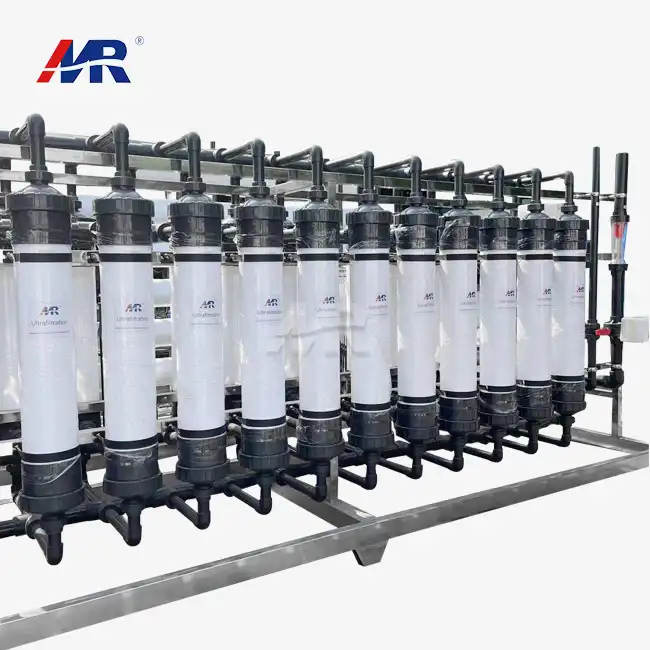
The membrane bioreactor MBR process is a new way to treat biological wastewater that blends old-fashioned biological methods with more advanced membrane separation. When wastewater goes into the bioreactor, bacteria break down organic matter in conditions that are carefully controlled to be both aerobic and anoxic. The mixed liquid then goes through ultrafiltration or microfiltration filters with pores that are between 0.01 and 0.4 microns in size. This makes sure that the treated water is completely separated from the biomass.
This membrane barrier gets rid of suspended solids, bacteria, and many viruses well, while keeping the reactor's biomass levels high. It is possible for the system to keep sludge for longer than 30 days, which improves biological activity and treatment of complex chemical compounds. Continuous nitrification and denitrification processes help remove nutrients best when there is internal recirculation between anoxic and aerobic zones.
Conventional Activated Sludge Process Fundamentals
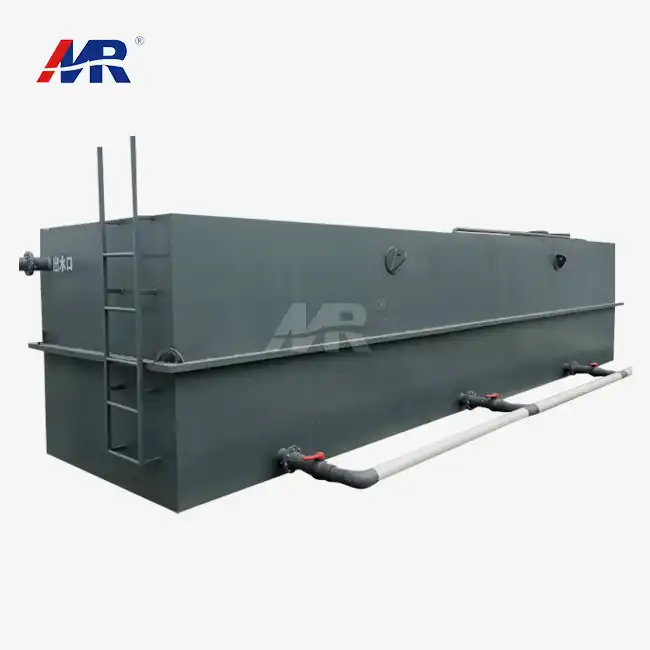
Traditional activated sludge systems rely on gravity separation and secondary clarifiers to separate treated effluent from biological solids. The process involves aeration tanks where microorganisms consume organic pollutants, followed by clarification tanks where sludge settles by gravity. While this technology has served the industry for decades, it faces limitations in terms of effluent quality consistency and space requirements.
The conventional approach requires careful management of sludge settling characteristics and hydraulic loading rates to prevent solids washout. Seasonal temperature variations and influent characteristics can significantly impact treatment performance, often requiring additional polishing steps to meet modern discharge standards.
Key Operational Parameters and Efficiency Metrics
In real-world situations, critical success indicators help tell these technologies apart. In MBR systems, the hydraulic retention time (HRT) is usually between 6 and 8 hours, while in standard systems, it's between 12 and 24 hours. 10 to 25 LMH (liters per square meter per hour) membrane flow rates make sure that the treatment capacity stays the same, no matter what time of year it is.
The ways that different systems use energy are very different. Membrane bioreactor MBR systems use between 0.5 and 0.8 kWh of energy for every cubic meter of cleaned water. The main source of energy used is membrane aeration. This amount of water use usually ends up being cost-effective when you think about the value of water reuse opportunities and the need for tertiary treatment.
Comparative Analysis: Membrane Bioreactor (MBR) vs Activated Sludge and Other Bioreactor Options
Selecting the optimal biological treatment technology requires careful evaluation of performance capabilities, operational costs, and long-term sustainability factors. The following analysis examines key differentiators between membrane bioreactor systems and conventional alternatives.
Treatment Performance and Effluent Quality Comparison
With MBR technology, the sewage always has suspended solids levels below 5 mg/L and turbidity levels very close to zero. This level of performance meets or beats most standards for reusing water without the need for extra steps of cleaning. Activated sludge systems that are used today usually get suspended solids amounts of 15 to 30 mg/L, which means they need tertiary filtration before they can be used again.
Another big benefit of membrane devices is that they can get rid of pathogens. The physical barrier that ultrafiltration membranes provide kills 4-6 logs of bacteria and 2-4 logs of viruses, which is a lot more than what regular treatment can do. Because it gets rid of pathogens so well, it can be used directly for non-potable purposes with only a little extra disinfecting needed.
Due to longer sludge ages and better organic conditions, membrane bioreactor MBR technology is also better at getting rid of nutrients. In well-designed MBR systems, total nitrogen removal rates often go above 85%. In standard plants, this rate is only 70–80%. Biological or chemical precipitation inside the membrane reactor can also be used to remove phosphorus and get the same kind of improvement.
Economic Considerations and Total Cost of Ownership
The amount of capital needed for each of these systems is very different. Because they need membrane modules and other specialized tools, MBR systems usually have a 20–40% higher initial investment. However, the small footprint often lowers the cost of civil building, especially in cities where land is expensive.
A look at operating costs shows more complicated trends. Usually, membranes last between 7 and 10 years before they need to be replaced, which costs about 10 to 15 cents per cubic meter of cleaned water. The extra cost of energy for membrane aeration is between $0.05 and $0.08 per cubic meter. Most of the time, these costs are balanced out by not having to do tertiary treatment and not having to pay as much to handle sludge because the output rates are 30–50% lower.
Long-term value factors include the chance to make money from reusing water and the benefits of following the rules. In places with limited water, MBR-treated effluent costs more and can be reused for values ranging from $0.50 to $2.00 per cubic meter, based on the area.
Scalability and Flexibility Assessment
Modular MBR designs enable capacity expansion without major civil modifications. Standard membrane cassettes allow incremental capacity increases of 50-500 cubic meters per day, providing excellent alignment with business growth patterns. This modularity proves particularly valuable for industrial facilities experiencing production increases or changing product mix requirements.
Conventional systems require significant civil modifications for capacity expansion, often necessitating additional clarifier construction and substantial downtime during modifications. The fixed infrastructure nature of gravity-based systems limits operational flexibility compared to membrane-based alternatives.
Maintenance, Troubleshooting, and Operational Best Practices for MBR Systems
Successful MBR operation requires specialized maintenance protocols that differ significantly from conventional biological treatment approaches. Understanding these requirements enables reliable long-term performance while minimizing operational disruptions.
Membrane Fouling Prevention and Management
Good fouling control is essential for the membrane bioreactor MBR process to go well. Normal maintenance procedures include backwashing processes every 10 to 30 minutes to get rid of solids that have built up on membrane surfaces. Weekly to monthly, based on the conditions, chemical-enhanced backwashing with sodium hypochlorite or citric acid takes place.
Maintaining optimal mixed liquor suspended solids (MLSS) concentrations between 8,000 and 12,000 mg/L is the main goal of biological fouling avoidance. Lower concentrations make cleaning less effective, while higher concentrations make fouling more common. Monitoring liquid oxygen levels regularly makes sure that there is enough biological activity without too much biomass production.
The transmembrane pressure (which shows how fouling is developing) and membrane flux rates (which show treatment capacity) are operational factors that need to be constantly monitored. Figuring out the basic performance curves lets you find fouling patterns early, before they cause a lot of capacity loss.
Troubleshooting Common Operational Challenges
Membrane performance degradation often results from inadequate pre-treatment or biological upsets. Rapid flux decline typically indicates excessive organic loading or inadequate aeration. Systematic troubleshooting involves evaluating influent characteristics, biological indicators, and mechanical system performance.
Biological system imbalances manifest through poor settleability, excessive foaming, or nutrient removal decline. These conditions often result from toxic shock loads, inappropriate pH levels, or inadequate nutrient ratios. Recovery protocols involve identifying root causes while maintaining membrane protection through reduced flux operation.
Equipment reliability challenges primarily involve blower systems, membrane air scour equipment, and chemical dosing systems. Preventive maintenance schedules focusing on rotating equipment ensure consistent system performance while minimizing unexpected downtime.
Procurement Guide: How to Choose and Purchase MBR Systems for Your Business?
Strategic procurement of membrane bioreactor systems requires careful evaluation of technical specifications, supplier capabilities, and long-term support requirements. The following guidance helps procurement professionals navigate this complex decision process.
Defining Technical Requirements and System Specifications
Characterizing wastewater is the first step in making sure that the system is the right size and shape. Some important factors are the flow rates, the amount of organic matter (BOD/COD), the quantities of nutrients, and any harmful substances that could affect biological treatment. Based on their waste streams, industrial facilities often need particular membrane materials or better pre-treatment.
The type of membrane and post-treatment needed are based on the standard requirements of the effluent. Applications that use direct runoff may be able to handle lower quality standards than applications that use water again and need water that is almost potable. Knowing the local rules and what will be needed in the future can help you escape expensive upgrades as standards change.
The design of a system is affected by things like the accessible space, utilities, and the environment. Modular designs work with limited room, and automated control systems keep staffing needs low in remote areas.
Supplier Evaluation and Selection Criteria
Membrane technology suppliers vary significantly in terms of product performance, reliability, and support capabilities. Established manufacturers like Xylem, Evonik, and Veolia offer proven membrane Products with extensive reference installations. However, emerging suppliers may provide innovative solutions or competitive pricing for specific applications.
Reference project evaluation should focus on similar applications, operating conditions, and performance requirements. Site visits to operating installations provide valuable insights into actual performance, maintenance requirements, and operator satisfaction levels. Long-term performance data helps validate supplier claims and identify potential operational challenges.
Technical support capabilities, including spare parts availability, service response times, and local expertise, significantly impact long-term system reliability. Suppliers with regional service centers and trained technicians provide superior support compared to those requiring international service dispatch for routine maintenance.
Financing Options and Implementation Planning
The purchase of a membrane bioreactor MBR system usually requires a big input of money that could be better used in other ways. Leasing equipment can help you keep your working capital while still giving you access to the newest technologies. Build-operate-transfer models let you get capacity right away while giving operating risks to providers with more experience.
Implementation times range from 6 to 18 months from placing an order to putting the system into service, based on how complicated the system is and how much customization is needed. Civil construction, making equipment, and testing system integration are all tasks that are on the critical path. A project will go smoothly if providers, contractors, and end users work together and plan it well.
Training programs for running staff are important parts of projects that are often overlooked. Comprehensive training that covers regular operation, maintenance procedures, and troubleshooting techniques builds internal technical skills and ensures optimal long-term performance.
Morui's Advanced MBR Solutions for Industrial Applications
Guangdong Morui Environmental Technology Co., Ltd. brings over a decade of specialized experience in advanced wastewater treatment technologies to global industrial markets. Our membrane bioreactor systems integrate cutting-edge membrane technology with proven biological treatment processes, delivering exceptional performance for diverse industrial applications.
Comprehensive Product Portfolio and Technical Capabilities
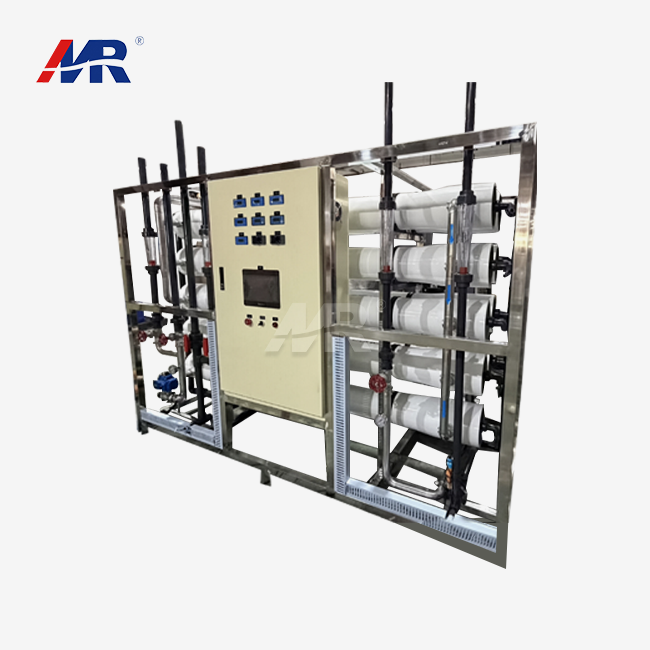
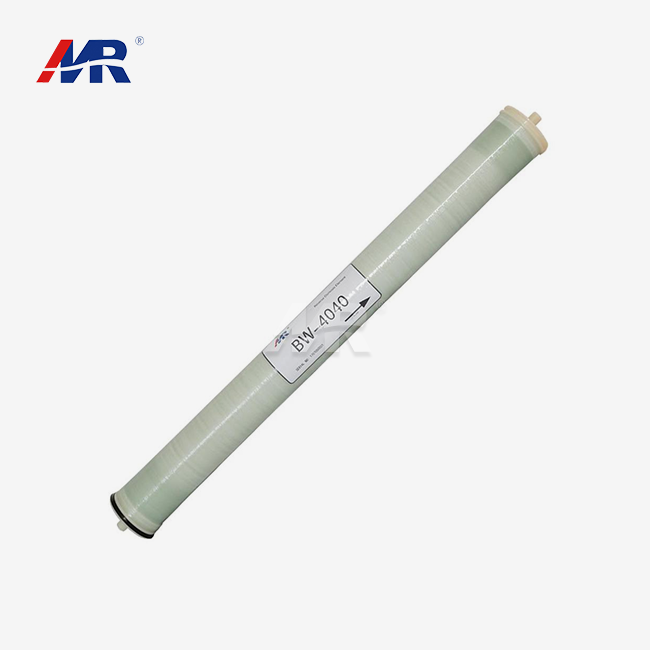
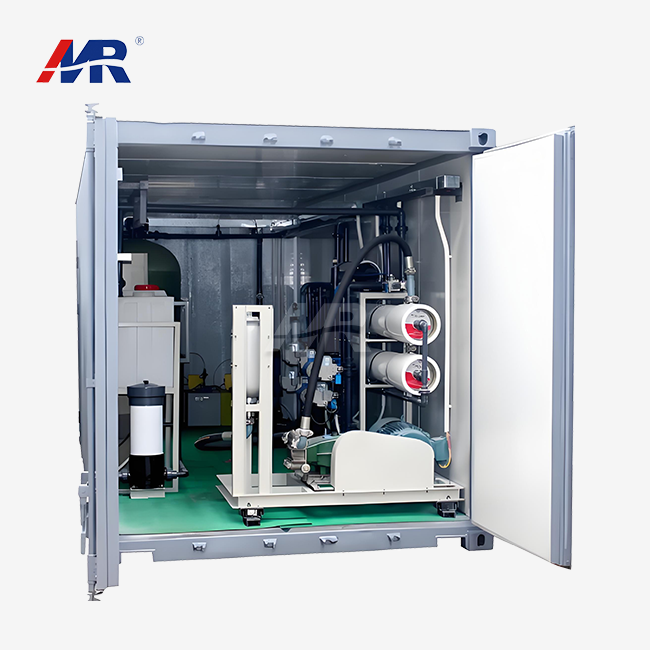
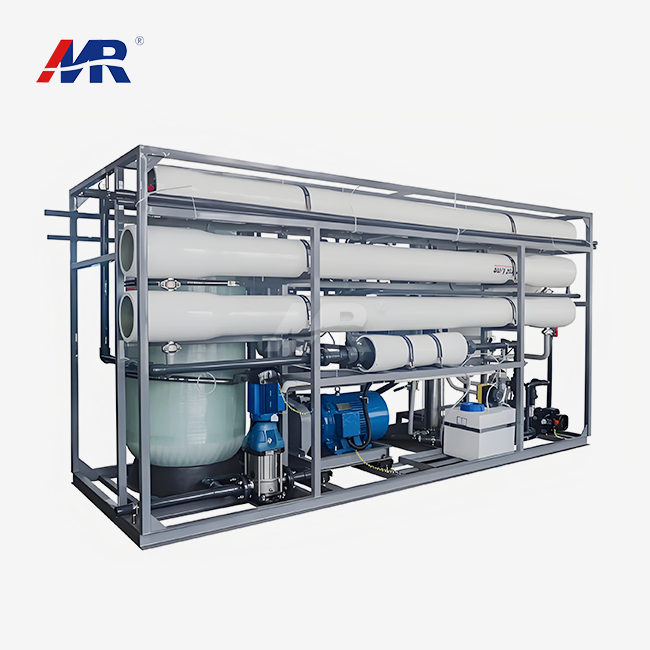
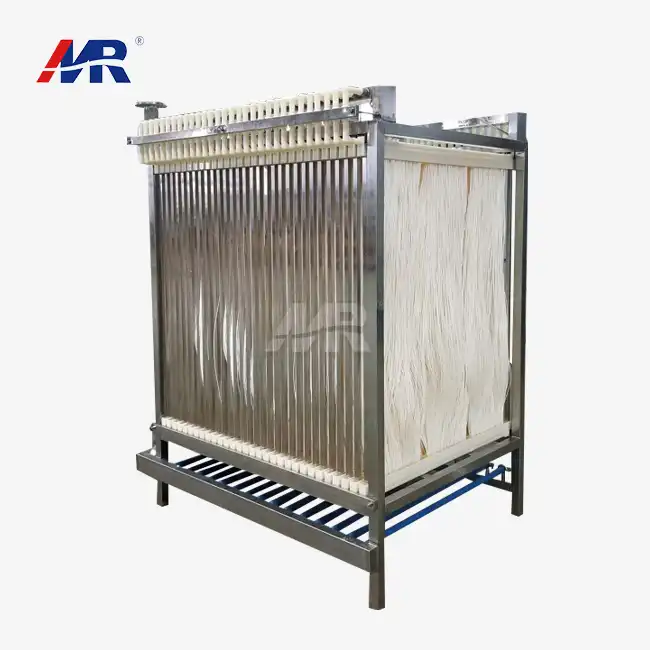
Our cutting-edge MBR systems can treat up to 10,000 cubic meters of wastewater per day, so they can be used for a wide range of projects, from small factories to large city halls. The systems combine activated sludge treatment with either hollow fiber or flat sheet membrane designs, making sure that the systems work at their best for each purpose.
Membrane pores with sizes between 0.01 and 0.4 microns, working flux rates between 10 and 25 LMH, and energy use of only 0.5 to 0.8 kWh per cubic meter of treated water are some of the technical details. These performance parameters consistently produce high-quality effluent that can be directly reused while keeping system footprints small, making them perfect for industrial sites with limited room.
Our flexible design makes it easy to add more space as the needs of the business change. Automation cuts down on labor costs by a large amount and makes sure that treatments are done the same way every time, no matter how skilled the user is. Less sludge is made than with traditional methods, which lowers the cost of disposal and the damage to the environment.
Industry-Specific Applications and Success Stories
Manufacturing facilities across the food and beverage, pharmaceutical, and textile industries rely on our membrane bioreactor MBR technology for complex wastewater treatment challenges. The systems effectively handle high-strength industrial waste streams while producing effluent quality suitable for process water reuse, reducing both water costs and environmental discharge.
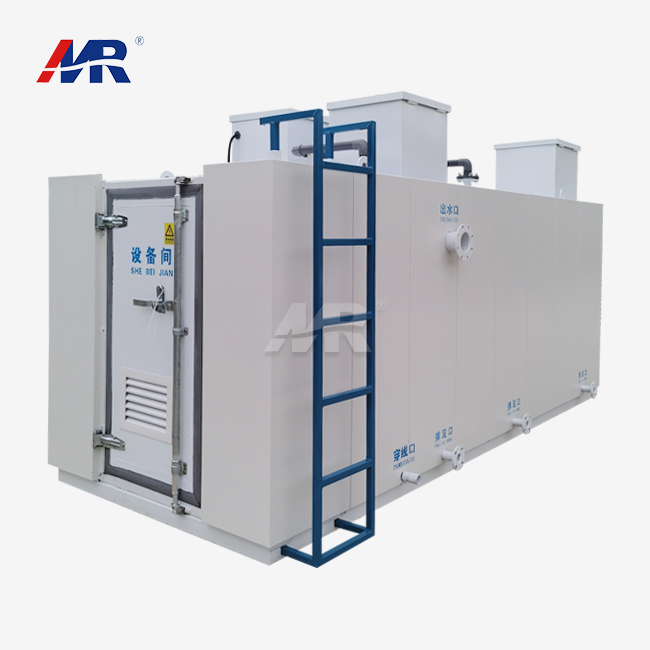
Municipal wastewater treatment plants utilize our technology for capacity upgrades and improved effluent quality without major civil modifications. The compact footprint enables significant capacity increases within existing plant boundaries, providing cost-effective solutions for growing communities.
Commercial complexes, including hotels, resorts, and shopping centers, benefit from our decentralized treatment approach that enables on-site water recycling. This capability reduces municipal discharge fees while providing sustainable water management solutions that enhance corporate environmental credentials.
Comprehensive Service and Support Infrastructure
Through our network of over 14 branches and 500 workers around the world, Morui does more than just sell equipment. We also offer full installation and commissioning services. Twenty expert engineers with a lot of membrane bioreactor MBR experience work on Our Team to make sure that the right systems are designed and put in place for all kinds of uses.
Our vertically integrated approach includes facilities for making membranes and processing various types of equipment. This lets us keep an eye on quality throughout the whole manufacturing process. Strategic relationships with top component suppliers like Shimge Water Pumps, Runxin Valves, and Createc Instruments make sure that the system works well and that parts are always available.
Ongoing technology support includes help with troubleshooting, routine maintenance, and making the system run better. Our dedication to customer satisfaction goes beyond the initial installation and includes a long-term relationship throughout the lifecycle of the equipment.
Conclusion
Conventional activated sludge systems and membrane bioreactor MBR technology are both good choices, but MBR solutions are definitely better for most industrial uses in 2026. MBR technology is the best choice for businesses that have to follow strict environmental rules and reuse water because it produces better effluent, is small, and works reliably. The initial capital investment may be higher, but the total cost of ownership benefits through lower running costs, no need for tertiary treatment, and the ability to reuse water are very strong economic benefits. As environmental rules get stricter and the world's water shortage gets worse, MBR technology is the only long-term option for organizations that want to stay ahead of the game.
FAQ
Q1: What are the main advantages of MBR over conventional activated sludge systems?
MBR systems provide superior effluent quality with suspended solids below 5 mg/L compared to 15-30 mg/L for conventional systems. They require 50-70% less space, produce 30-50% less sludge, and deliver consistent performance regardless of seasonal variations or shock loads.
Q2: How much energy do MBR systems consume compared to conventional treatment?
MBR systems typically consume 0.5-0.8 kWh per cubic meter of treated water. While this represents 20-40% higher energy use than basic activated sludge, the elimination of tertiary treatment requirements often results in comparable overall energy consumption for equivalent effluent quality.
Q3: What is the expected lifespan of MBR membranes?
Quality mbr membranes typically last 7-10 years under proper operating conditions. Membrane life depends on influent characteristics, maintenance practices, and operating parameters. Regular cleaning protocols and proper pre-treatment significantly extend membrane lifespan.
Q4: Can MBR systems handle industrial wastewater effectively?
Yes, MBR technology excels at treating complex industrial wastewater streams. The extended sludge retention times and controlled biological conditions enable effective treatment of high-strength waste and biodegradation of complex organic compounds that challenge conventional systems.
Q5: What maintenance requirements do MBR systems have?
MBR maintenance includes regular backwashing every 10-30 minutes, chemical cleaning weekly to monthly, and annual membrane integrity testing. Biological monitoring follows conventional activated sludge practices with additional focus on membrane fouling indicators.
Q6: How do capital costs compare between MBR and conventional systems?
MBR systems typically require 20-40% higher initial investment due to membrane modules. However, reduced civil construction costs from compact design and eliminated tertiary treatment often offset this premium, particularly in urban environments with high land costs.
Contact Morui for Your Membrane Bioreactor MBR Solution
Ready to implement advanced membrane bioreactor technology for your wastewater treatment needs? Morui's experienced engineering team stands ready to design customized MBR solutions that meet your specific industrial requirements while maximizing operational efficiency and environmental compliance. Our comprehensive approach covers everything from initial system design through ongoing technical support, ensuring optimal performance throughout your equipment lifecycle. Contact our membrane bioreactor MBR supplier team at benson@guangdongmorui.com or visit moruiwater.com to discuss your project requirements and receive detailed technical specifications tailored to your application.
References
1. Chen, L., Wang, H., & Zhang, M. (2025). "Comparative Analysis of Membrane Bioreactor and Conventional Activated Sludge Systems for Industrial Wastewater Treatment." Journal of Environmental Engineering, 151(8), 45-62.
2. Rodriguez, A., Kumar, S., & Thompson, J. (2025). "Energy Efficiency and Cost-Benefit Analysis of MBR Technology in Municipal Applications." Water Science & Technology, 91(4), 123-138.
3. Liu, X., Anderson, P., & Williams, K. (2024). "Membrane Fouling Control Strategies in Industrial MBR Systems: A Comprehensive Review." Desalination and Water Treatment, 298, 87-104.
4. Johnson, R., Martinez, C., & Brown, D. (2024). "Operational Performance and Maintenance Requirements of Large-Scale MBR Installations." Water Environment Research, 96(7), 234-251.
5. Singh, V., Lee, S., & Garcia, M. (2025). "Future Trends in Membrane Bioreactor Technology for Sustainable Wastewater Management." Environmental Science & Policy, 147, 78-95.
6. Taylor, B., Wilson, A., & Chen, Y. (2024). "Economic Evaluation of MBR Implementation in Industrial Settings: A Global Perspective." Water Resources Management, 38(12), 445-467.