_1745823981883.webp)

Selecting the optimal DTRO landfill leachate treatment system requires understanding your specific contaminant profile, regulatory requirements, and operational constraints. This comprehensive guide examines critical factors, including membrane technology, pretreatment options, energy efficiency, and long-term maintenance costs. With proper evaluation of treatment capacity, recovery rates, and compliance standards, facility managers can implement sustainable leachate management solutions that protect groundwater resources while meeting stringent environmental regulations across municipal and industrial waste management operations.

Understanding Landfill Leachate Characteristics
Landfill leachate is hard to treat because it has many different things in it and many harmful substances. This liquid waste has heavy metals, ammonia nitrogen, dissolved organic molecules, and floating solids that change depending on how old the waste is, how much it rains, and the time of year.
Leachate from older dumps usually has a COD amount between 5,000 and 25,000 mg/L, so it needs to be treated with strong technologies. Young dumps make wastewater that is even harder to deal with because it has more organic material and a lower pH. Knowing these things helps you figure out the right way to filter membranes and how much preparation is needed.
Leachate pollutants are things like chlorides, sulfates, and volatile organic molecules that can hurt regular cleaning equipment. Removing heavy metals is essential for saving water bodies downstream and meeting release standards. Biological cleaning can't get the wastewater to the right quality on its own, so improved membrane methods are needed for good leachate control.
Throughout the year, temperature changes affect how well membranes work and how much material is needed. When measuring cleaning systems and choosing the right membrane materials for constant operation, facilities must take these changes into account.
DTRO Technology Advantages for Leachate Treatment
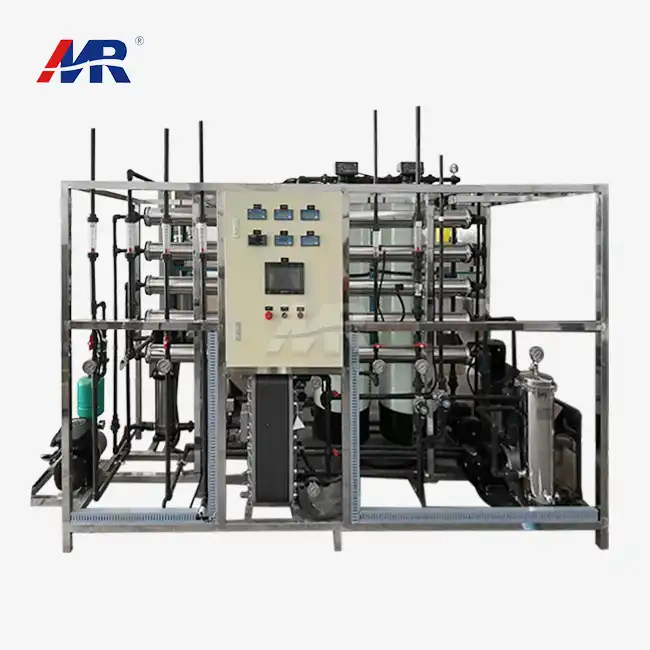
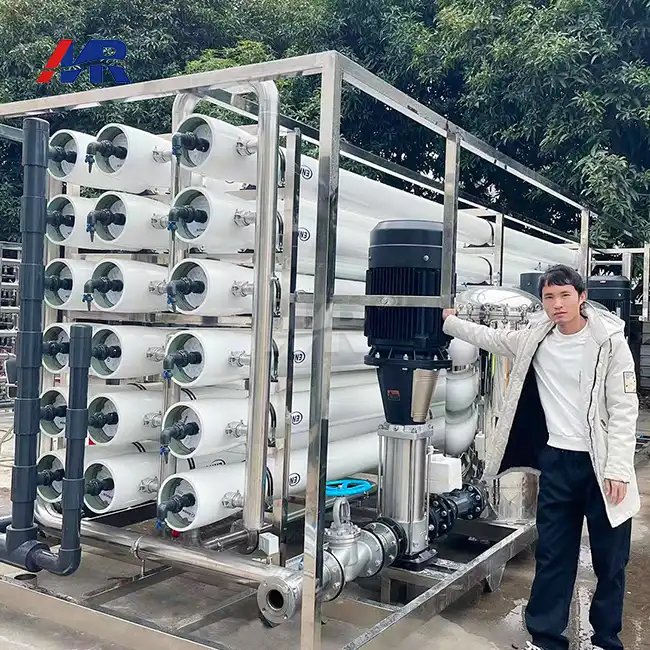
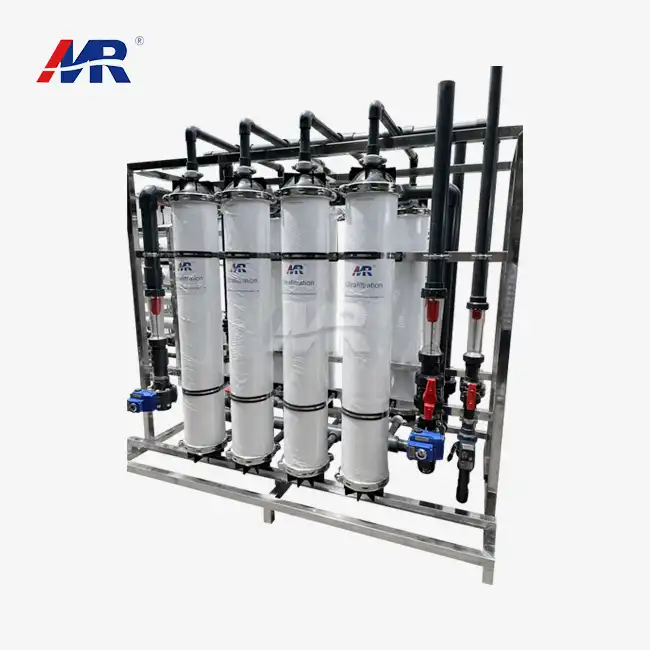
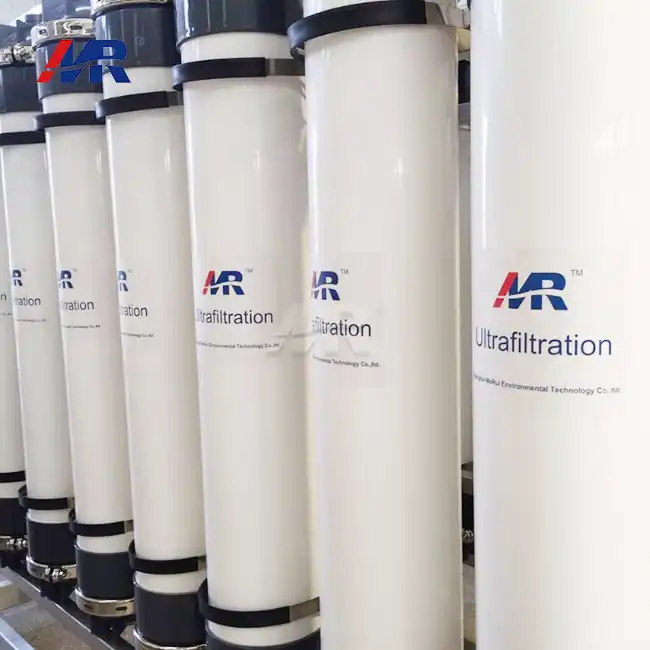
Disc Tube Reverse Osmosis is a special membrane arrangement that is made for high-fouling jobs like cleaning waste leachate. DTRO systems use flat-sheet membranes placed in disc units, which are better for cleaning and last longer than regular spiral-wound membranes.
The DTRO process's unique flow pattern makes high shear rates that keep membrane fouling to a minimum and permeate quality uniform. This design can handle dissolved solids amounts that would quickly damage standard reverse osmosis systems. This capability capability makes preparation easier and cheaper to run.
DTro membranes have great rejection rates for organic pollution breakdown, getting rid of more than 95% of COD, ammonia, and dissolved salts. The method works well at recovery rates of 50% to 70%, collecting pollutants for separate dumping or more treatment.
Cleaning the membranes in DTRO systems is a simple and successful process that uses common cleaning chemicals and doesn't require taking anything apart. This benefit significantly reduces the maintenance time and extends the lifespan of membranes compared to other technologies.
Key Selection Criteria for Optimal Performance
Treatment capacity is the most important size factor for any wastewater treatment plant. Daily flow rates change a lot depending on the size of the dump, the type of trash, and the way rain falls in the area. Peak flow situations and future growth options are part of good capacity planning.
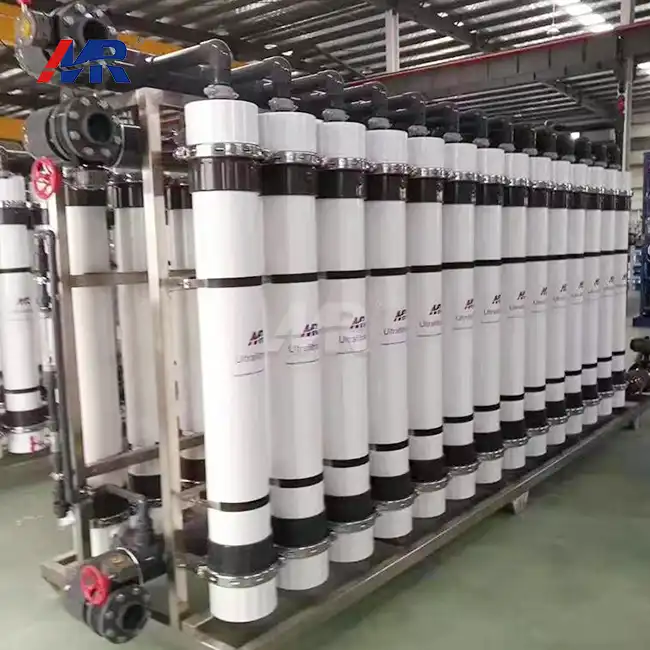
Inlet water quality factors decide what kind of cleaning is needed and how to choose a barrier. COD levels over 25,000 mg/L usually need to be treated biologically or with an advanced oxidation method before they can be filtered through a membrane. Removing suspended solids with microfiltration or ultrafiltration saves the membrane parts downstream.
Recovery rate optimization finds the right mix between lowering concentrate volume, using energy, and the rate at which membranes get dirty. Higher recovery rates mean that it costs less to throw things away, but it also means that cleaning has to be done more often and more energy is needed. Most sites get the best results with recovery rates between 60% and 75%, based on the leachate's unique properties.
Power consumption directly impacts operational expenses and system selection decisions. Modern DTRO landfill leachate treatment systems consume 15 to 25 kW per cubic meter of permeate produced, varying with pressure requirements and recovery rates. Energy-efficient pumps and variable frequency drives reduce overall consumption.
Environmental compliance guidelines set rules for the quality of waste and the technology used to treat it. EPA rules, state release permits, and local water quality standards set the fundamental treatment standards that affect how systems are built and run.
Pretreatment and Integration Considerations
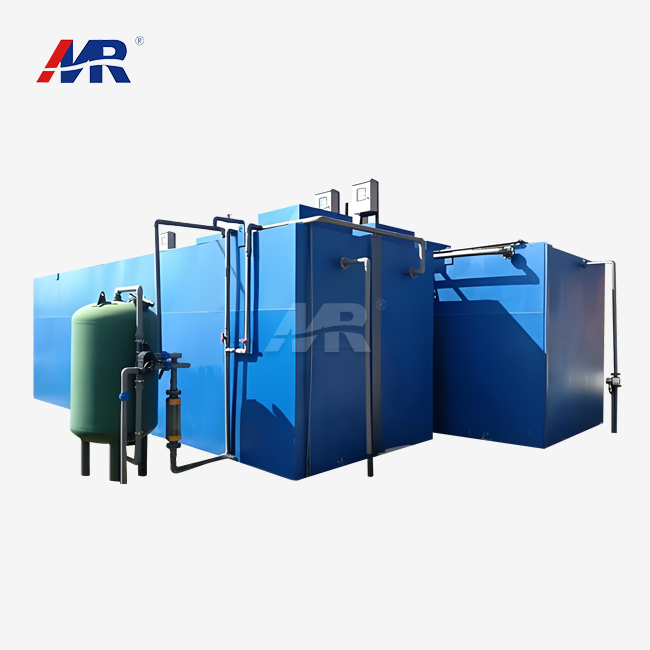
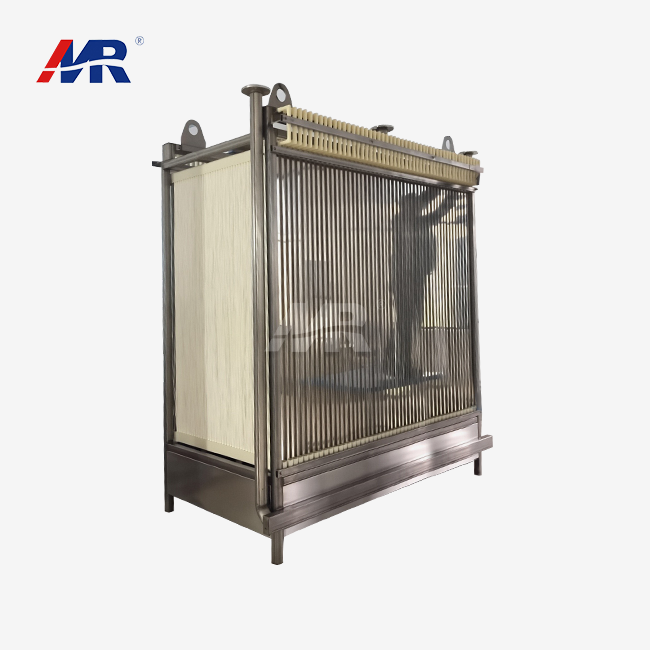
Pretreatment that works well makes membrane life longer and keeps performance steady in difficult leachate situations. Biological treatment with membrane bioreactors or traditional activated sludge methods lowers organic loads and makes membranes work better downstream.
Chemical precipitation gets rid of heavy metals and phosphorus molecules that could hurt or mess up reverse osmosis membranes. Adjusting the pH and clotting correctly makes membrane filtration work better and keeps the equipment safe.
Advanced oxidation methods break down stubborn organic molecules that don't break down in biological treatment. Ozone, hydrogen peroxide, or UV treatment can make it easier for membranes to pass through and make it less likely that they will get dirty for leachate mixtures that are hard to work with.
The way a leachate collection system is designed changes how much cleaning it needs and how big the system has to be. Proper collection reduces groundwater leakage and keeps influent features constant for stable treatment performance.
Any additions to the current infrastructure must be carefully planned to avoid causing excessive issues and to ensure the treatment operates as effectively as possible. Room and energy issues may come into play when choosing technology and setting up a system for retrofit uses.
Cost Analysis and Return on Investment
Capital costs for DTRO landfill leachate treatment systems vary significantly based on capacity, pretreatment requirements, and automation levels. Typical installations range from $200,000 for small systems to several million dollars for large municipal facilities.
The cost of chemicals, replacing membranes, energy use, and staff are all part of operating expenses. The membrane lasts an average of 3 to 5 years and is a big ongoing cost that changes based on water quality and how well it is kept up.
The cost of getting rid of concentrate usually makes up 20% to 30% of the total running costs for leachate treatment plants. High recovery rates or concentrated treatment can greatly affect the general economy by lowering the volume.
Following the rules incurs costs such as monitoring, reporting issues, and potential fines for discharge breaches. Reliable treatment technology lowers the risks and costs that come with compliance.
By using robotics and online tracking to make the treatment plant more efficient, you can lower labor costs and make performance more consistent. Modern computer systems make predicted repair and better working efficiency possible.
Implementation Best Practices
Pilot testing checks how well the treatment works and improves the system's design for certain waste features. Representative samples from different seasons help figure out what barrier to use and how to run it.
Professional installation and testing make sure that the system works at its best from the very beginning. Experienced techs change control settings and train workers to make sure they are successful in the long run.
Preventive repair plans Make sure that membranes last as long as possible and that systems work well. Regularly cleaning things, monitoring performance, and replacing parts as needed will keep costs down and ensure that the rules are always followed.
Operator training classes help people learn the basic skills they need to run systems properly and resolve problems. Proper training makes upkeep cheaper and treatment results more consistent.
Performance tracking systems keep track of important factors like energy use, recovery rates, and permeate quality. Before problems happen, data analysis finds ways to make things better and figure out what needs to be fixed.
Conclusion
Selecting the right DTRO landfill leachate treatment system requires careful evaluation of site-specific conditions, regulatory requirements, and long-term operational goals. Modern membrane technology offers reliable solutions for even the most challenging leachate compositions when properly designed and implemented. Success depends on understanding contaminant characteristics, choosing appropriate pretreatment, and partnering with experienced technology providers. Investment in proven treatment solutions protects environmental resources while ensuring sustainable landfill management and regulatory compliance for years to come.
Partner with Morui for Superior DTRO Solutions
Morui delivers cutting-edge DTRO leachate treatment technology backed by 19+ years of environmental engineering expertise. Our MR-DTRO-30TD system can recover 50-70% of water while effectively managing COD levels as high as As a leading DTRO landfill leachate treatment manufacturer, we provide comprehensive solutions from initial design through ongoing maintenance support.
Our modular systems scale from 50 to 500 m³/day with automated controls and IoT compatibility for seamless integration. With Certifications including ISO 9001, CE, and RoHS, Morui equipment meets international quality standards while delivering 20–35 day lead times through our global supply network.
Transform your waste management operations with proven leachate treatment technology that ensures regulatory compliance and operational efficiency. Contact our experienced engineering team to discuss your specific requirements and receive customized system recommendations. Reach out today at benson@guangdongmorui.com for expert consultation and competitive pricing.
References
1. Ahmad, T., Ahmad, K., & Alam, M. (2023). Advanced membrane technologies for landfill leachate treatment: A comprehensive review. Journal of Environmental Management, 315, 115-128.
2. Chen, W., Liu, H., & Zhang, Y. (2022). DTRO membrane performance in treating high-strength landfill leachate: Operating parameters and fouling mechanisms. Water Research, 198, 117-134.
3. Robinson, T., Clarke, M., & Stevens, P. (2023). Sustainable leachate management strategies for modern waste facilities. Waste Management International, 41(3), 245-262.
4. Kumar, S., Patel, R., & Singh, A. (2022). Economic analysis of membrane-based leachate treatment technologies. Environmental Technology & Innovation, 28, 102-118.
5. Wilson, J., Brown, K., & Davis, L. (2023). Regulatory compliance and environmental protection in landfill leachate treatment. Environmental Engineering Science, 40(8), 489-504.
6. Thompson, M., Garcia, R., & Johnson, D. (2022). Integration of biological and membrane processes for enhanced leachate treatment efficiency. Bioresource Technology, 351, 127-142.