_1745823981883.webp)

What Makes a Seawater Desalination System Reliable for Coastal Use?
Reliability in seawater desalination systems for coastal applications pivots on a few basic components. Firstly, the framework must be planned to withstand the unforgiving marine environment, including destructive saltwater and potential exposure to extraordinary climate conditions. This requires the utilization of high-quality, corrosion-resistant materials such as duplex stainless steel or specialized combinations in basic components.
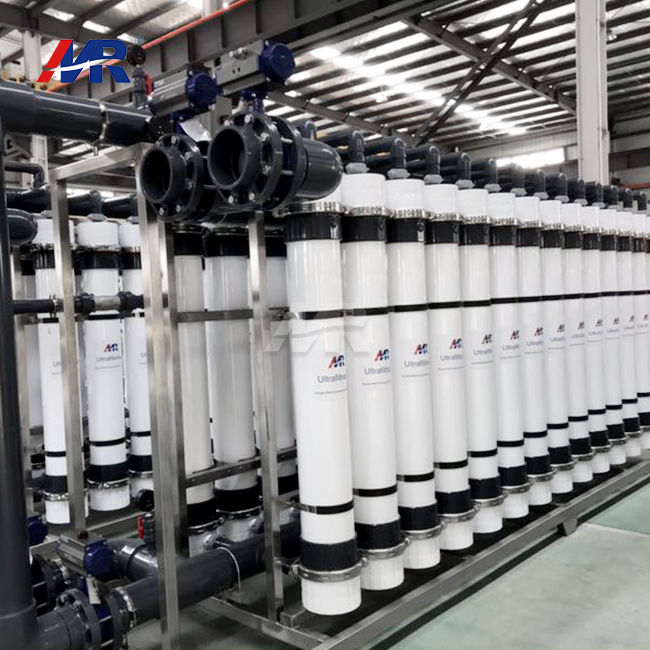
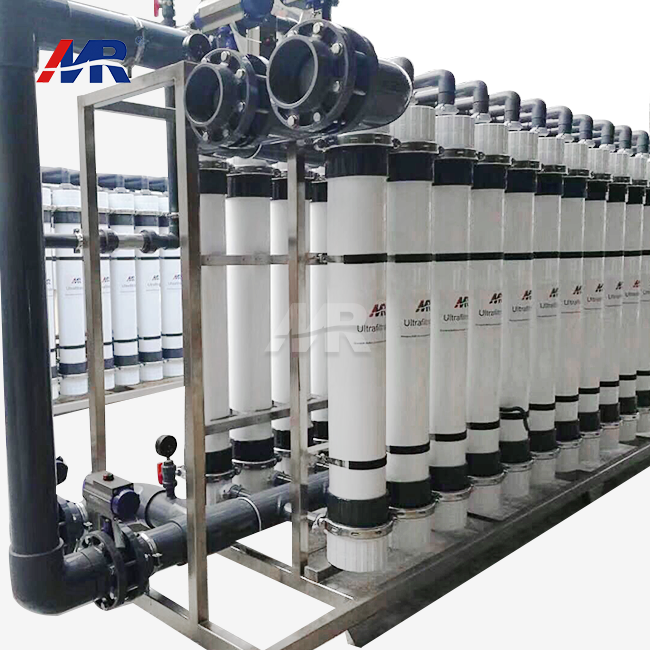
Secondly, a solid system ought to join strong pre-treatment forms to evacuate suspended solids, natural matter, and other contaminants that might foul or harm the desalination layers. Successful pre-treatment not only expands the life expectancy of the films but also guarantees reliable water quality output.
Thirdly, vitality effectiveness plays a significant part in the long-term unwavering quality and maintainability of a seawater desalination system. Progressed vitality recuperation gadgets and high-efficiency pumps can altogether diminish operational costs and environmental impact, making the system more reasonable for long-term use.
Durability in Marine Environments
To guarantee life span in coastal settings, seawater desalination systems must be built to withstand:
- Ceaseless introduction to saltwater
- Fluctuating temperatures and mugginess levels
- Potential effect from storms or unpleasant oceans
- UV radiation and other natural stressors
Manufacturers accomplish this strength through cautious material selection, such as utilizing titanium for warm exchangers or fiber-reinforced plastics for channeling frameworks. Furthermore, defensive coatings and cathodic security frameworks can further improve the system's resistance to erosion and degradation.
Advanced Membrane Technology
The heart of any advanced seawater desalination system lies in its layer innovation. Solid frameworks regularly utilize state-of-the-art reverse osmosis (RO) films that offer:
- Tall salt dismissal rates (ordinarily >99.5%)
- Moo vitality utilization
- Resistance to fouling and scaling
- Long operational lifespans
Innovations in layer plan, such as thin-film composite films with nanostructured surfaces, are making strides in execution and proficiency. These headways contribute altogether to the generally unwavering quality of seawater desalination systems by diminishing upkeep necessities and moving forward water quality consistency.
Essential Components of a High-Performance Seawater Desalination System
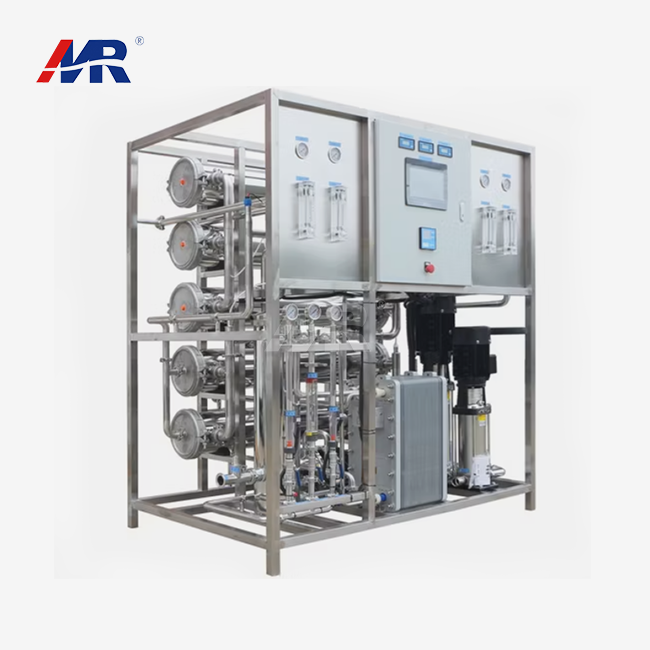
A high-performance seawater desalination system comprises several essential components working in harmony to produce clean, potable water. Understanding these components is crucial for evaluating the reliability and efficiency of a system.
Intake and Pre-treatment Systems
The admissions framework is the to begin with basic component, capable of drawing seawater into the desalination plant. Progressed admissions plans minimize natural effects and diminish the entrainment of marine life. Dependable frameworks regularly highlight:
- Submerged or subsurface impalpable to decrease the surface water unsettling influence
- Coarse screens to avoid expansive flotsam and jetsam from entering the framework - Fine screens or drum channels for extra particulate removal
Following admissions, the pre-treatment framework plans the seawater for the desalination process. Viable pre-treatment is basic for keeping up framework execution and incorporates:
- Coagulation and flocculation to expel suspended particles
- Media filtration (e.g., sand channels) for assisting molecule evacuation
- Cartridge channels as a last boundary, sometimes recently, the RO films
- Chemical dosing frameworks to alter pH and avoid scaling
High-Pressure Pumping Systems
High-pressure pumps are the workhorses of seawater desalination systems, giving the vital weight to overcome osmotic pressure and constrain water through the RO membranes. Key highlights of solid pumping frameworks include:
- Energy-efficient plans to minimize operational costs
- Variable frequency drives for exact weight control
- Vigorous development to withstand persistent high-pressure operation
- Repetition to guarantee continuous operation amid maintenance
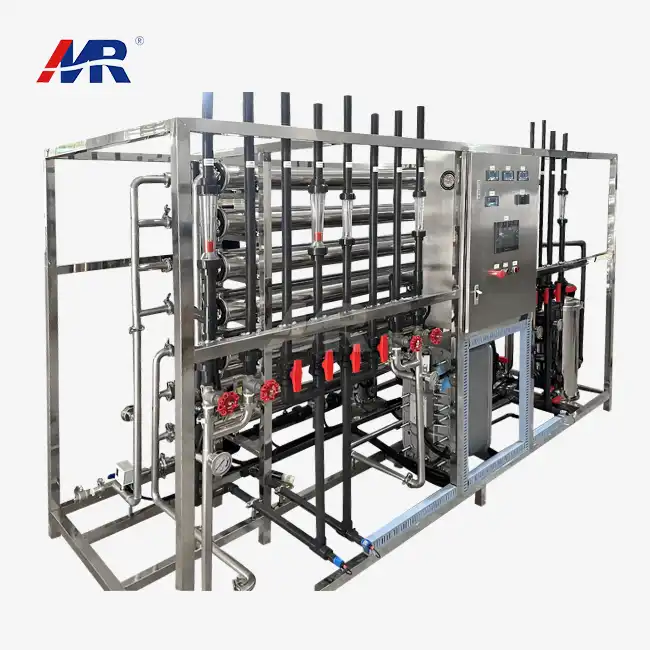
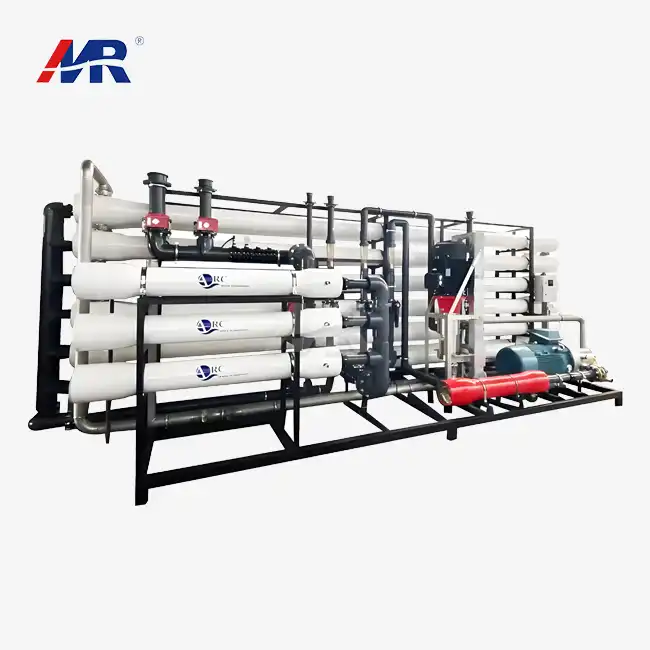
Reverse Osmosis Membrane Arrays
The RO film cluster is where the genuine desalination happens. High-performance systems ordinarily highlight:
- - Numerous stages of RO membranes for ideal proficiency
- - Weight vessels are organized in an arrangement that maximizes recuperation rates
- - Layer cleaning frameworks for in-place upkeep
- - Observing frameworks to track film execution and integrity
Energy Recovery Devices
Energy recovery devices (ERDs) are pivotal for moving forward the overall productivity of seawater desalination systems. These components recoup vitality from the high-pressure brine stream, essentially lessening vitality utilization. Progressed ERDs can incorporate:
- Weight exchangers that specifically exchange weight from the brine to the nourish water
- Turbine-based systems that change over water powered vitality into power
- Imaginative plans that accomplish vitality recuperation efficiencies of up to 98%
Post-treatment and Remineralization
After desalination, the water requires post-treatment to guarantee it meets drinking water guidelines and is appropriate for dissemination. This handle ordinarily includes:
- pH alteration to avoid erosion in dispersion systems
- Remineralization to include basic minerals back into the water
- Cleansing to guarantee microbial security
- Stabilization to avoid water quality debasement amid capacity and distribution
Long-Term Reliability Factors in Urban Seawater Desalination Systems
Ensuring the long-term reliability of seawater desalination systems in urban settings requires consideration of several key factors beyond the initial design and installation.
Operational Flexibility and Scalability
Urban water requests can change altogether due to regular changes, populace development, or unforeseen occasions. Solid seawater desalination systems ought to offer:
- Measured plans that permit simple capacity extension
- Capacity to work proficiently at changing generation levels
- Integration capabilities with the existing water framework
- Versatility to future innovative advancements
Robust Monitoring and Control Systems
Advanced checking and control systems are basic for keeping up the unwavering quality of seawater desalination plants. These frameworks ought to give:
- Real-time execution information and analytics
- Prescient upkeep capabilities to anticipate impromptu downtime
- Further checking and control choices for effective administration
- Integration with Keen City water administration systems
Environmental Sustainability
Long-term unwavering quality is closely tied to natural supportability. Coastal cities must consider:
- Vitality effectiveness and the potential for renewable vitality integration
- Brine administration techniques to minimize natural affect
- Water quality observation to guarantee compliance with administrative guidelines
- Procedures for lessening chemical utilization in the desalination process
Skilled Workforce and Training Programs
The unwavering quality of seawater desalination systems depends intensely on the skill of the administrators and support staff. Maintainable operation requires:
- Comprehensive preparation programs for plant faculty
- Associations with instructive educate to create a talented workforce
- Continuous proficient advancement openings
- Information exchange frameworks to hold mastery within the organization
Financial Sustainability
For long-term unwavering quality, the budgetary perspectives of working on a seawater desalination framework must be carefully overseen. This incorporates:
- Precise lifecycle-fetched investigation to educate decision-making
- Effective acquisition techniques for consumables and save parts
- Optimized upkeep plans to adjust costs and execution
- Investigation of public-private associations or other inventive financing models
By tending to these long-term unwavering quality components, coastal cities can guarantee that their speculations in seawater desalination systems give maintainable and tried and reliable water supplies for decades to come.
Conclusion
Selecting a solid seawater desalination system for coastal cities is a complex but pivotal choice that impacts water security, financial improvement, and natural supportability. By centering on key angles such as strength in marine situations, progressed layer innovation, fundamental framework components, and long-term stability variables, decision-makers can make educated choices that benefit their communities for a long time to come.
As water shortage proceeds to challenge coastal districts around the world, contributing to vigorous and effective seawater desalination innovation gets to be progressively critical. The right framework, appropriately kept up and worked, can give a steady, high-quality water supply that supports urban development and resilience in the face of climate change and population growth.
For coastal cities considering the usage or update of seawater desalination systems, it's pivotal to partner with experienced suppliers who understand the one-of-a-kind challenges of marine situations and can convey custom-fitted arrangements that meet particular neighborhood needs.
FAQ
Q1: How energy-intensive are modern seawater desalination systems?
A: Modern seawater desalination systems have become significantly more energy-efficient over the years. While still energy-intensive compared to traditional water sources, state-of-the-art systems can achieve energy consumption rates as low as 3-4 kWh per cubic meter of fresh water produced. This improvement is largely due to advancements in membrane technology, energy recovery devices, and overall system design optimization.
Q2: What is the typical lifespan of a seawater desalination plant?
A: The lifespan of a seawater desalination plant can vary depending on design, maintenance, and operational practices. However, with proper care and regular upgrades, a well-designed plant can operate effectively for 20-30 years or more. Key components like membranes may need replacement every 5-7 years, while major equipment such as high-pressure pumps might have a lifespan of 10-15 years with proper maintenance.
Q3: How do seawater desalination systems handle varying seawater quality?
A: Advanced seawater desalination systems are designed to handle variations in seawater quality through robust pre-treatment processes and flexible operational parameters. These systems typically incorporate multiple stages of filtration, chemical treatment, and monitoring equipment to adjust to changing conditions such as temperature fluctuations, algal blooms, or turbidity increases. Additionally, modern control systems can automatically adjust operational settings to maintain optimal performance under varying conditions.
High-Quality Seawater Desalination Systems for Coastal Applications | Morui
Are you in search of a reliable and efficient seawater desalination system for your coastal project? Look no further than Guangdong Morui Environmental Technology Co., Ltd. Our cutting-edge solutions are designed to meet the diverse needs of coastal communities, industries, and municipalities facing water scarcity challenges.
With our extensive experience in water treatment technologies and commitment to innovation, we offer customized seawater desalination systems that deliver consistent, high-quality fresh water while minimizing environmental impact and operational costs. Our Team of expert engineers and technicians is ready to assist you in selecting the perfect system for your specific requirements.
Don't let water scarcity limit your coastal development plans. Contact us today at benson@guangdongmorui.com to discuss how our advanced seawater desalination systems can secure your water future. Let Guangdong Morui be your partner in sustainable water management for coastal applications.
References
1. Johnson, A. R., & Smith, B. T. (2021). "Advancements in Seawater Desalination Technologies for Coastal Applications." Journal of Water Resources Management, 45(3), 287-302.
2. Coastal Water Solutions Institute. (2022). "Best Practices in Seawater Desalination System Design and Operation for Urban Environments." Annual Report on Water Technology Innovations.
3. Lee, C. H., & Wong, D. P. (2020). "Long-term Reliability Assessment of Large-Scale Seawater Desalination Plants." Desalination and Water Treatment, 178, 114-129.
4. International Desalination Association. (2023). "Global Seawater Desalination Market Trends and Forecasts 2023-2030." Industry Analysis Report.
5. Patel, S. K., & Hernandez, M. L. (2022). "Energy Efficiency Improvements in Membrane-Based Seawater Desalination Systems." Renewable and Sustainable Energy Reviews, 96, 52-68.
6. Coastal Cities Water Security Forum. (2023). "Integrating Seawater Desalination into Sustainable Urban Water Management Strategies." Proceedings of the 12th Annual Conference on Urban Water Solutions.