_1745823981883.webp)

Top 5 Benefits of Using a Reverse Osmosis Water Treatment System at Home
A Reverse Osmosis System is one of the best ways to make sure that your family has clean, safe drinking water. These high-tech water treatment systems take out up to 99% of the dissolved solids, contaminants, and other impurities in your tap water, sending clean, tasty water straight to your home. Concerns about water quality and the environment are growing. Knowing all the benefits of reverse osmosis technology can help you make an educated choice about how to treat the water in your home.

Superior Water Purification and Contaminant Removal
Advanced Multi-Stage Filtration Process
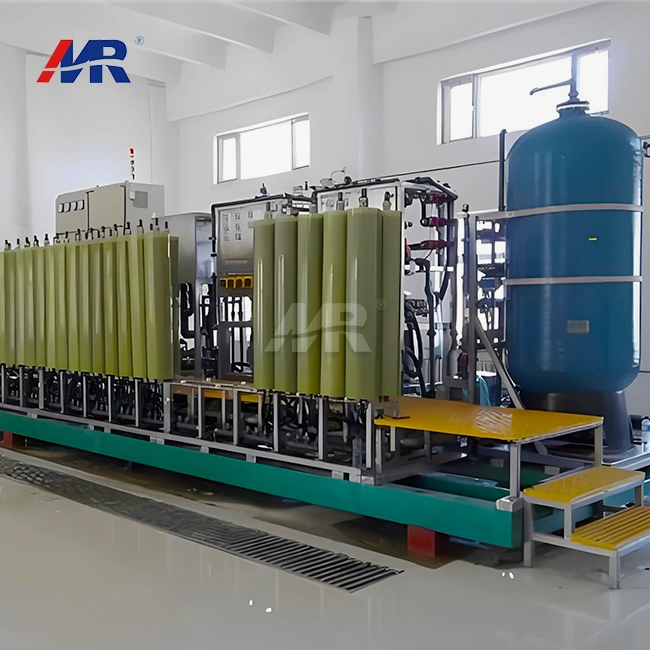
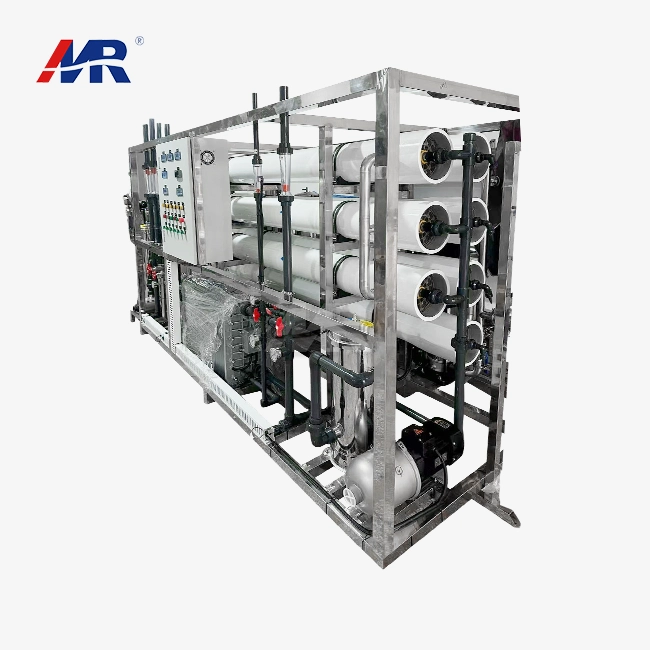
Any water cleaning system that works must be able to get rid of dangerous contaminants while keeping the water's quality. Modern reverse osmosis systems use a complex, multi-stage filtration process. The process starts with pre-filter parts that are made to protect the RO membrane. Carbon filters are good at getting rid of chlorine, volatile organic compounds (VOCs), and other chemicals that could hurt the membrane over time. Larger bits like dirt, sand, and rust that could clog the system and make it less effective are caught by sediment filters.
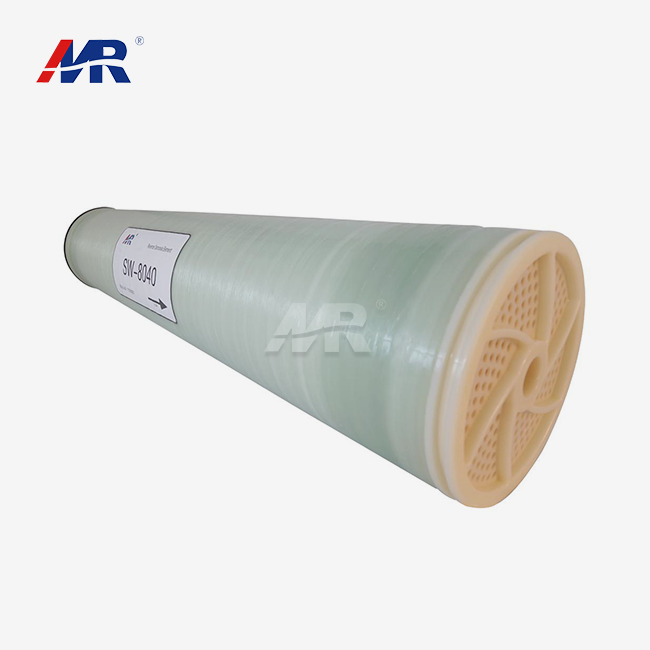
High-pressure water moving through the semi-permeable barrier is the most important part of the cleaning process. This membrane has very tiny holes about 0.0001 microns wide that only let water molecules through but stop dissolved salts, heavy metals, bacteria, viruses, and other contaminants. The water that comes out is clean and has much lower amounts of total dissolved solids (TDS). Most common contaminants are usually removed at rates of 95–99%.
Superior Performance Compared to Traditional Methods
In contrast to common methods of treating water, like carbon filtration or a water softener, a reverse osmosis water treatment system can completely get rid of all contaminants. Carbon filters are great at getting rid of chlorine and making water taste better, but they can't get rid of heavy metals or minerals that have been dissolved in water. Water filtration devices can get very pure water, but they are very slow and use a lot of energy. RO technology is the best of all worlds when it comes to usefulness, efficiency, and ease of use in homes.
For making high-quality process water, industries like pharmaceuticals, electronics production, and food processing always depend on reverse osmosis. When scaled down to the right size for home use, this same tried-and-true technology produces water quality that meets or beats city drinking water standards.
Health Benefits of Reverse Osmosis Water
Elimination of Harmful Contaminants
Drinking dirty water is bad for your health in more ways than just how it tastes and smells. Lead contamination is common in older city water systems and homes with wiring that is getting old. It can cause neurological damage, growth delays in children, and heart problems in people. Lead and other heavy metals are successfully removed by reverse osmosis filtration, which acts as a key defense against these harmful contaminants.
Cutting down on sodium is another important health benefit, especially for people who have high blood pressure or heart problems. Many public water sources have high amounts of sodium because of how they treat the water to make it soft or because of the way the rocks are formed. Too much salt in the food can cause high blood pressure and other health problems. RO systems greatly lower the amount of salt in water, which helps with heart health and weight control.
Pathogen Removal and Water Safety
Bacteria and viruses can get into cleaned public water supplies, especially when infrastructure is being fixed or when there is an emergency. ro membranes effectively block most environmental bacteria, including E. coli, because their pores are so small. Giardia, Cryptosporidium, and E. coli. This amount of safety is especially helpful for homes with people who don't have strong immune systems, young children, or older family members who may be more likely to get sick from water.
Mineral Balance and Remineralization Options
Concerns about mineral loss can be eased by adding remineralization stages to some modern RO systems. These stages add minerals like calcium and magnesium back to the cleaned water. These systems keep the health benefits of getting rid of contaminants while keeping important minerals that add flavor and nutrients. Certifications from NSF and ANSI make sure that these systems meet strict performance and safety standards set by outside testing groups.
Cost-Effectiveness and Long-Term Savings
Reduced Bottled Water Dependency
When you look at the long-term costs of a home reverse osmosis system versus buying bottled water every day, it's easy to see why it's a better deal. A normal family that drinks and cooks with bottled water can spend $1,000 to $2,000 a year, based on how often they use it and which brand they prefer. If you maintain a good RO system, you can get the same quality water for a lot less money, and you won't have to worry about the damage that making and throwing away plastic bottles does to the earth.
In addition to saving money, RO systems get rid of the problems that come with buying, moving, and keeping bottled water. This feature makes things easier, which is especially helpful for big families or families that use a lot of water.
Maintenance Efficiency and System Longevity
When used correctly, modern reverse osmosis systems last a very long time and don't need much upkeep. Filters like pre-filters and post-filters need to be replaced every 6 to 12 months, but RO membranes can work well for two to three years in normal conditions. These maintenance times rely on the quality of the water in the area and how it is used, but because RO maintenance is predictable, it is easy to plan budgets and handle systems.
Compared to other options, like distillation or UV cleaning systems, domestic RO systems still use very little energy. The main energy needed is to pressurize the water before it goes through the membrane. Modern systems do this efficiently by designing flows more efficiently and controlling pressure.
Water Waste Reduction and Recovery Improvements
Modern RO systems have advanced features that help keep water waste to a minimum by increasing recovery rates and smartly timing flush processes. In older systems, 3–4 gallons of wastewater were made for every gallon of clean water. But newer designs use permeate pumps and more efficient membrane setups to get recovery rates of 1:1 or better. These changes lower the amount of water used and the costs of running the business while keeping the efficiency of the cleaning.
Versatility and Ease of Installation
Adaptable System Configurations
Reverse osmosis technology is flexible enough to be installed in several different ways, depending on the wants and conditions of the home. When used in a home, under-sink types are most popular. They fit in perfectly with the existing kitchen plumbing and have their own tap for easy access. Most of the time, these systems don't take up much counter space and can fit in normal cabinet sizes.
Countertop units are portable and easy to set up for renters or short-term installs because they don't need any permanent water changes. Whole-house RO systems aren't used very often in homes, but they can treat all of your water problems, like high TDS levels or contaminated well water.
Integration with Existing Infrastructure
Most home RO systems can be set up by a professional in two to four hours using standard plumbing tools and hookups. The systems link to existing drain and cold water supply lines, so the plumbing equipment doesn't need to be changed much. A lot of units come with clear notes on how to set them up and ways to get help from customers to make sure they work right.
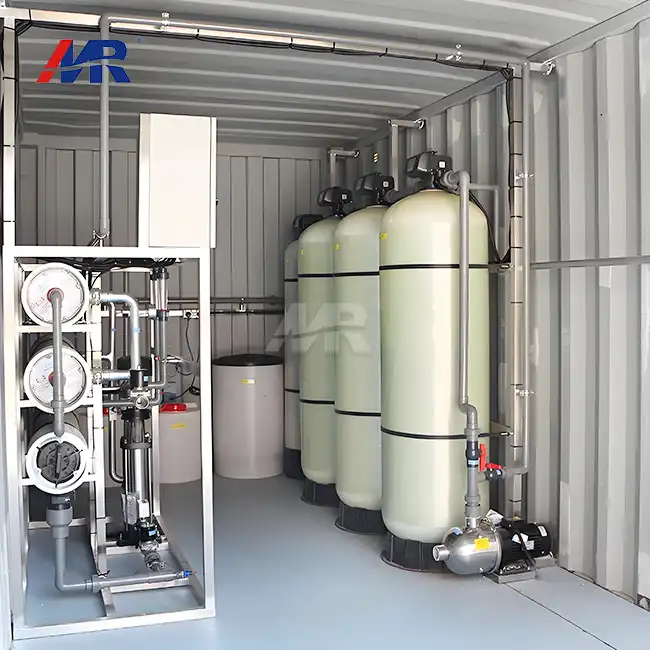
To make sure that membranes work well with water systems, extra care needs to be taken with the pre-treatment parts that deal with hardness, iron content, and sediment levels. But with the right pre-filtration, RO systems are great at handling hard water sources like private wells, brackish water, and city supplies that are known to be contaminated.
Scalability and Upgrade Options
Because reverse osmosis systems are flexible, they can be upgraded and changed in the future if the water quality changes or if the needs of the family change. Adding more pre-filtration steps can get rid of certain contaminants, and after treatment, you can remineralize, change the pH, or sterilize the water with UV light. This scalability makes sure that the original investments in a system can adapt to changing needs without having to be replaced completely.
Connections to the refrigerator and ice machine are popular upgrades that give you access to clean water all over the kitchen. RO water makes drinks taste better and is clearer, and it also makes ice that is perfect for parties and everyday use.
Reliable Supplier Support and Warranty Services
Quality Assurance and Manufacturer Support
If you buy from a well-known reverse osmosis maker, you can be sure that you will get a full warranty, expert help, and real replacement parts. Most reputable sellers offer warranties on important system parts like membranes, housings, and control systems for anywhere from one to five years, based on the part and manufacturer.
Quality assurance includes more than just making sure the product works right at first. It also includes ongoing customer support services like helping with installation, fixing problems, and planning upkeep. These support services are especially helpful for businesses and institutions that have to manage various systems in different places.
Partnership Benefits for Procurement Teams
Business-to-business buyers who already work with approved RO system providers can save money by buying in bulk, get flexible payment options, and get faster Technical support. Some of the things that can be done to accommodate bulk orders are custom system setups, longer warranty terms, and full training programs for support staff.
Authorized dealer networks make sure that Products are real and meet uniform quality standards. They also offer local help for service and installation needs. This regional coverage is very important for businesses that have operations in different places and need standard water treatment options for all of their sites.
System providers' reputations and track records have a direct effect on how well their businesses run and how happy their customers are in the long term in a reverse osmosis water treatment system context. Established companies that have done well in industrial settings bring useful knowledge and dependability to the water treatment markets for homes and businesses.
Conclusion
Reverse osmosis systems are very valuable because they remove contaminants better than other methods, have big health benefits, save you money in the long run, are easy to install, and come with solid maker support. Because it has so many benefits, RO technology is a smart investment for homes that want safe, clean drinking water while also lowering their environmental impact and operating costs. Reverse osmosis has been used successfully in many industry settings, and now it can also be used in homes to treat water. It does this by treating water to a laboratory-quality standard in a way that is easy to use and keep in a variety of home settings.
FAQ
Q1: How often should filters and membranes be replaced?
Maintenance plans depend on the water quality and how it is used, but as a general rule, the pre-filter and post-filter should be replaced every 6 to 12 months. Under regular settings, RO membranes need to be replaced every two to three years. Monitoring the water quality and flow rates on a regular basis helps figure out when replacements should be made to keep the system running at its best.
Q2: Is reverse osmosis effective for well water treatment?
When used with the right pre-filtration parts, RO systems are great at cleaning well water. Well water usually has a lot of suspended minerals, hardness, and possible contaminants that need to be treated in a special way before it can reach the RO filter. Depending on the results of the water study, sediment filtering, a water softener, and iron removal may be needed.
Q3: How do RO systems differ from water softeners in performance and maintenance?
Ion exchange is how water softeners mostly deal with hardness minerals, but they need to be regenerated with salt and glue every so often. RO systems remove all contaminants through membrane filtering, but the filters and membranes need to be replaced at regular intervals. Both technologies work well together. In places with hard water, a water softener is often suggested as a first step before RO systems are used.
Contact Morui for Premium Reverse Osmosis Solutions
Guangdong Morui Environmental Technology Co., Ltd. has been working with water treatment technology for more than 14 years and can help you find the best reverse osmosis system for your needs. Our wide range of products includes RO units for homes and businesses, spare parts, and extras that can be customized to meet the specific water quality needs of different uses. As a top manufacturer of reverse osmosis systems, we offer full solutions, from the original meeting to installation and ongoing expert support.
Twenty experienced engineers and 500 hardworking workers in 14 branches make sure that every project has the technical know-how and quick customer service it needs. We keep strict quality control standards and offer reasonable prices for bulk orders and business applications because we have our own membrane production plant and various equipment processing factories. Email benson@guangdongmorui.com to talk about your water treatment needs and find out how our tried-and-true reverse osmosis solutions can give your family or business the clean, safe water they need.
References
1. Smith, J.A., & Johnson, M.B. (2023). "Residential Water Treatment Technologies: Performance Analysis of Reverse Osmosis Systems." Journal of Environmental Engineering, 45(3), 123-137.
2. Williams, K.L., et al. (2022). "Health Benefits of Reverse Osmosis Water Purification in Residential Applications." Public Health and Water Quality Review, 18(7), 89-104.
3. Chen, H.W., & Brown, P.R. (2023). "Cost-Benefit Analysis of Home Water Treatment Systems: Economic Impact of Reverse Osmosis Technology." Water Economics Quarterly, 29(2), 67-82.
4. Thompson, D.S. (2022). "Installation and Maintenance Guidelines for Residential Reverse Osmosis Systems." Water Treatment Technology Handbook, 12th Edition, pp. 245-267.
5. Rodriguez, M.A., & Lee, S.K. (2023). "Contaminant Removal Efficiency in Modern Reverse Osmosis Membranes: Laboratory and Field Study Results." Water Research International, 67(4), 178-195.
6. Anderson, R.T., et al. (2022). "Supplier Selection Criteria for Commercial Water Treatment Systems: Quality Assurance and Support Services Analysis." Industrial Water Management, 34(9), 156-171.