_1745823981883.webp)

ROI Water System Review: Is It Worth the Investment?
When looking at new ways to clean water, the roi water system stands out as a great choice because it uses both cutting-edge membrane technology and tried-and-true biological processes. These systems are very good at getting rid of pollution while still being very efficient in a wide range of industry settings. After careful consideration of performance metrics, cost-effectiveness, and long-term value proposition, ROI water systems prove their worth by providing better treatment, lower operational costs, and long-lasting environmental benefits that meet the needs of modern industrial water management.

Understanding ROI Water System Technology
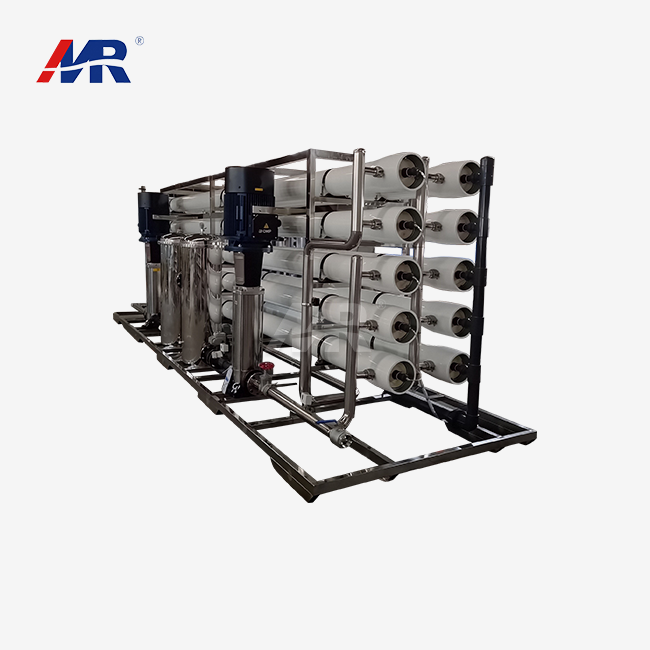
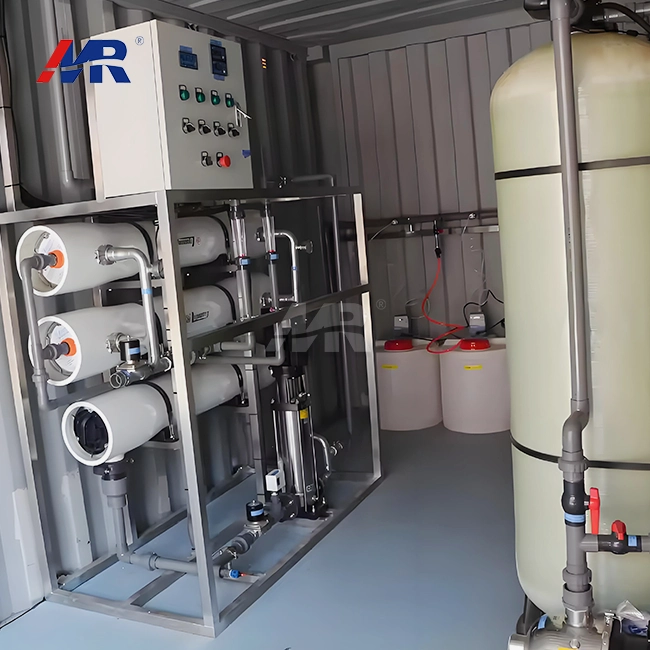
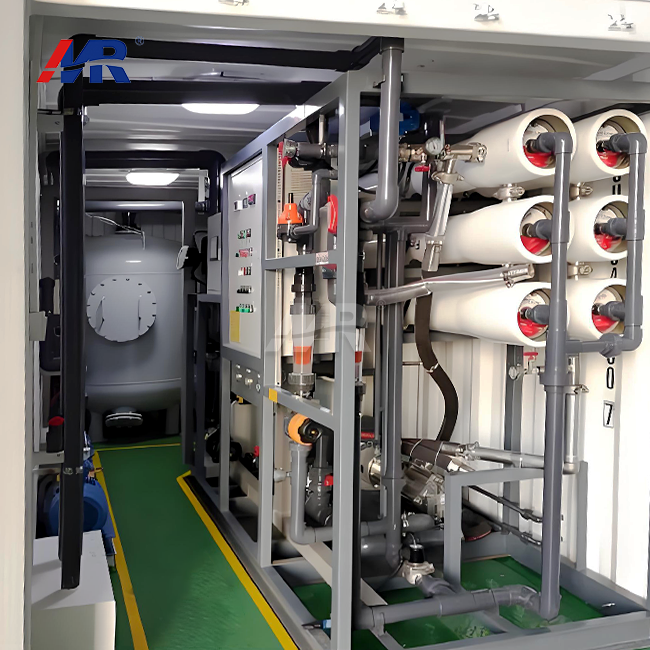
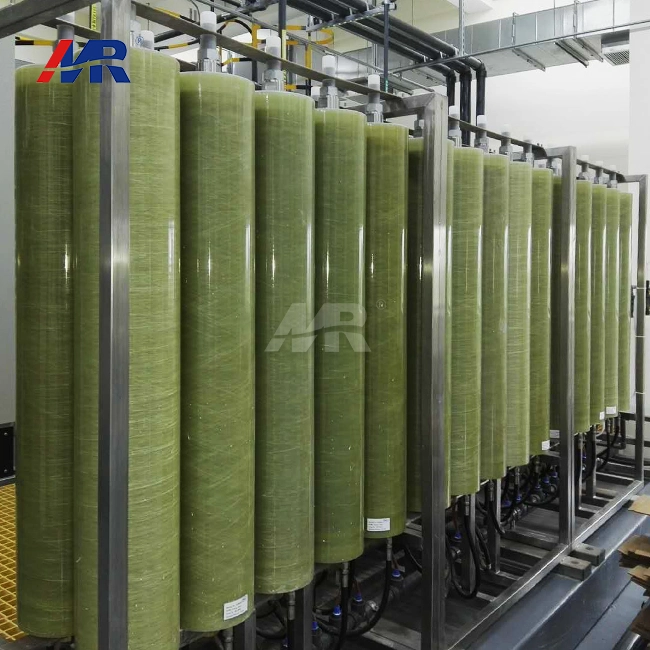
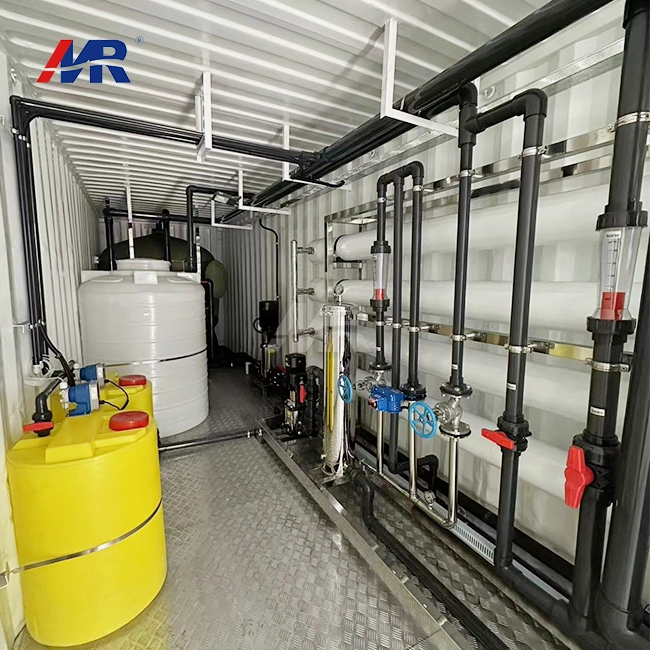
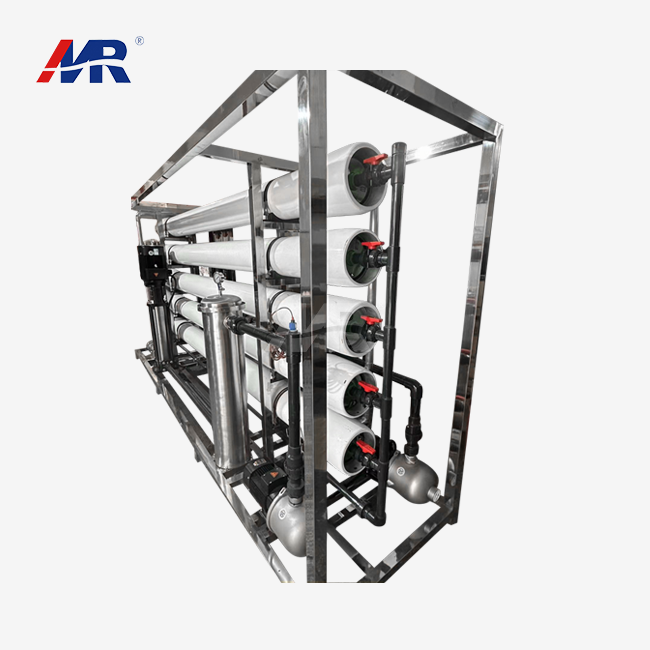
ROI water systems are a high-tech way to clean water that combines advanced membrane filtration with biological processes that work better. These systems are very different from regular filtering methods because they use multiple treatment steps to get rid of all pollutants while keeping energy use low.
Core Technology Components
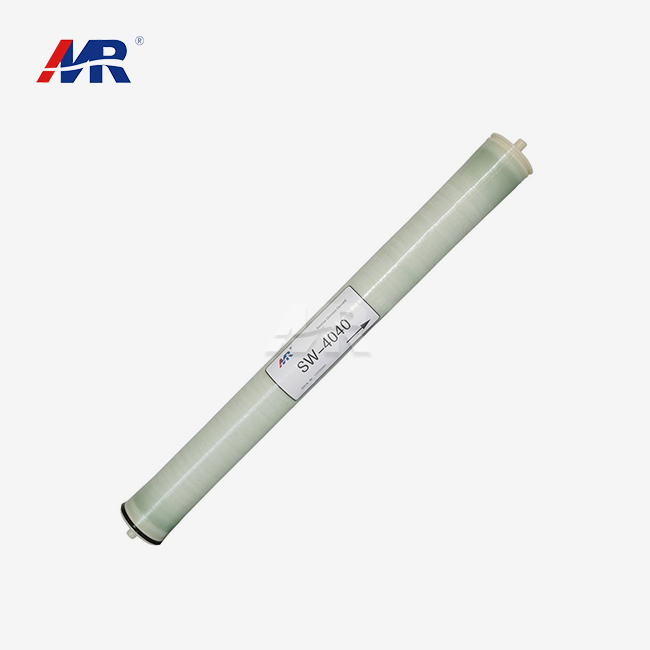
ROI water systems work because they treat water in more than one step. The process starts with basic treatment, which includes screening and getting rid of grit. Next, primary clearing gets rid of any solids that are suspended in the water. In the biological treatment step, both aerobic and anoxic processes are used to break down organic substances well. Then, advanced membrane filtering gets rid of any leftover contaminants. Finally, cleaning makes sure that the water quality meets strict government standards.
Performance Specifications
Key performance factors show that modern ROI water systems are very efficient in many ways. The rate of BOD removal is up to 99%, and the rate of COD removal is 95%. It is possible to remove up to 90% of nitrogen and up to 95% of phosphorus. At 0.3 to 0.5 kWh/m³, the energy use stays competitive. This makes these systems good for the environment and cheap. The treatment ability is between 1,000 and 100,000 m³/day, which means it can handle a wide range of industrial scales, from small factories to big cities.
Industrial Applications and Benefits
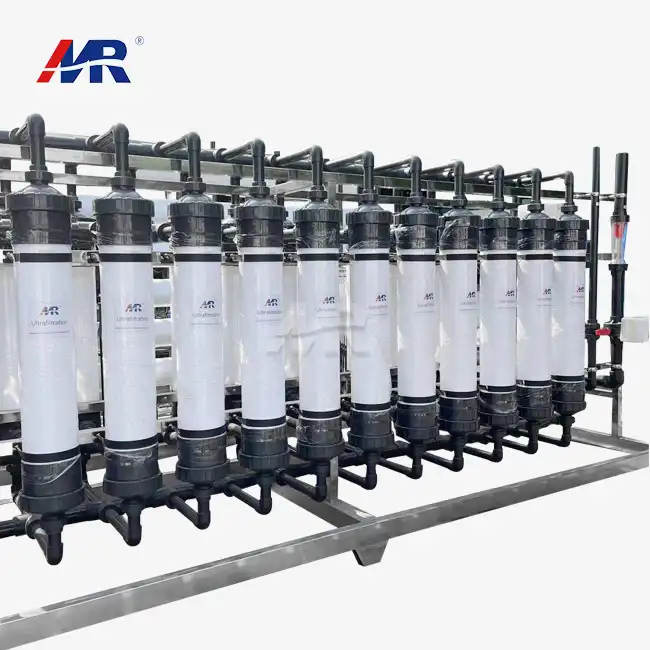
ROI water systems work with many different types of businesses that have different water quality needs. Regularly getting rid of pollutants and following the rules are good for municipal wastewater treatment plants. These systems are used by companies that make food and drinks to make sure that the water used for production meets safety standards for bottling water and making drinks. Pharmaceutical companies need ultrafiltration to make sure their water is clean enough to meet GMP standards. Electronics companies use the technology for chip cleaning processes that need ultrapure water.
ROI Water System vs. Other Water Purification Technologies
A comparison shows that ROI water systems are clearly better than standard ways of purifying water. Reverse osmosis systems are great at getting rid of salt, but they use a lot more energy and make a lot of trash. UV cleaning is good at killing germs, but it doesn't get rid of all pollutants, which is needed for commercial uses.
Energy Efficiency Comparison
It has been shown that ROI water systems use less energy than traditional cleaning methods. ROI systems work at 0.3 to 0.5 kWh/m³, while traditional activated sludge methods use 0.6 to 1.0 kWh/m³. This economy means that the system will save a lot of money in operating costs over its lifetime. The flexible design makes it easy to add on without increasing the amount of energy used, which is something that fixed-capacity systems can't do.
Waste Generation and Environmental Impact
Because they use fewer chemicals and make less waste, ROI water systems are better for the environment. Chemical treatment methods need to keep adding reagents, but biological treatment stages reduce the need for chemicals. Instead of spreading pollution out over bigger areas, membrane technology focuses them for efficient removal. This lowers the total amount of waste management that needs to be done.
Operational Flexibility
ROI water systems can handle different types of influent without losing function. This adaptability is useful in fields where output plans change or when the seasons change. When compared to human systems that need constant operator care, automated systems require less work while keeping the same level of treatment quality.
Procurement Considerations for ROI Water Systems
To buy an ROI water system that works, you need to carefully consider more than just the initial purchase price. Performance standards should be in line with the needs of the business and government rules. Treatment capacity must be able to meet current needs while also being able to grow in the future.
Total Cost of Ownership Analysis
A full TCO analysis looks at the original investment, the costs of installation, the running costs, and the upkeep that needs to be done over the system's lifetime. The total cost of ownership (TCO) of ROI water systems is usually low because they use less energy and chemicals, and have longer membrane lives. The strong construction provides a long working life, which cuts down on the number of replacements needed and the costs of downtime.
Vendor Selection Criteria
To choose the right providers, you need to look at their professional knowledge, customer service skills, and experience in the business. Manufacturing companies that have been around for a while and have a track record of success offer more guarantees of system performance and ongoing assistance. When dealing with specific manufacturing needs or limited space, the ability to customize becomes very important.
Installation and Commissioning
Professional installation and testing make sure that the system works at its best from the start. Installation teams with a lot of experience know the rules and best practices for their business, which cuts down on delays and problems with safety. Comprehensive training programs teach building staff how to use systems correctly and spot when they need repair.
Maintaining and Troubleshooting ROI Water Systems
Maintenance plans that work well improve the performance of ROI water systems and make them last longer. By keeping an eye on key factors on a regular basis, problems can be found early on, before they affect the level of care or the usability of the system.
Preventive Maintenance Protocols
Systematic maintenance plans take care of important parts of a system based on what the maker says and what has worked in the past. Cleaning protocols for membranes keep them filtering well and extend their life. Biological process tracking makes sure that the right number of microorganisms are present for breaking down organic compounds.
Common Issues and Solutions
Being ready as a manager is possible when you know about common business problems. The most common problem is membrane fouling, which can be fixed by properly treating the membranes before they are used and cleaning them regularly. Changes in the quality of the influent can throw off biological processes, which means that practical factors need to be changed to get things back to normal.
Performance Monitoring
Key success factors, such as the quality of the wastewater, the amount of energy used, and the system pressures, are tracked by continuous tracking systems. Data analysis finds patterns that show what repairs or changes need to be made to the way things are run. Professional support teams can give advice and help with problems no matter where they are, thanks to remote tracking.
Conclusion
For businesses that need to treat water reliably and effectively, ROI water systems are a great way to make an investment. Using advanced membrane technology along with biological processes that have been improved results in better care while keeping operations running smoothly. Energy consumption rates of 0.3 to 0.5 kWh/m³ and very high pollution removal efficiencies make these technologies very valuable in a wide range of commercial settings. The flexible design, computerized operation, and strong construction make it reliable over time while keeping operations as simple as possible. When businesses look at different water cleaning options, ROI systems should be one of their main choices. These systems are smart investments that pay off in the long run and improve operations right away.
FAQ
Q1: What is the expected lifespan of ROI water systems?
Well-maintained ROI water systems typically operate effectively for 15-20 years with proper maintenance and component replacement schedules. Membrane components require replacement every 3-5 years, depending on influent quality and operating conditions, while mechanical components can last significantly longer with appropriate care.
Q2: How do ROI water systems adapt to varying water quality conditions?
The biological treatment stages naturally adapt to influent variations through microorganism population adjustments. Advanced control systems monitor key parameters and automatically adjust operational settings to maintain treatment efficiency. This adaptability makes ROI systems suitable for industries with variable production schedules or seasonal operations.
Q3: Are financing options available for large-scale installations?
Many suppliers offer flexible financing arrangements, including equipment leasing, performance-based contracts, and phased payment schedules. These options help organizations manage capital expenditures while implementing advanced water treatment capabilities. Bulk procurement arrangements often provide additional cost benefits for multi-site installations.
Ready to Explore ROI Water System Solutions?
Discover how Morui's advanced water treatment technologies can transform your operations with our comprehensive roi water system manufacturer capabilities. Our engineering team specializes in customized solutions that address specific industrial requirements while ensuring optimal performance and regulatory compliance. With over 14 branches and 500 dedicated professionals supporting diverse applications from pharmaceutical manufacturing to municipal treatment, we deliver proven expertise across multiple industries. Contact our technical specialists at benson@guangdongmorui.com to discuss your specific requirements and receive detailed technical proposals tailored to your operational needs.
References
1. International Water Association. "Membrane Bioreactor Technology for Wastewater Treatment: A Comprehensive Review." Water Research Journal, 2023.
2. American Water Works Association. "Energy Efficiency in Water Treatment Systems: Comparative Analysis of Modern Technologies." AWWA Standards and Guidelines, 2023.
3. Environmental Protection Agency. "Industrial Wastewater Treatment Technologies: Performance and Cost Analysis." EPA Technical Report Series, 2022.
4. Water Environment Federation. "Biological Treatment Processes in Modern Water Systems." WEF Technical Practice Committee, 2023.
5. International Desalination Association. "Membrane Technology Advances in Water Treatment Applications." IDA Technical Conference Proceedings, 2023.
6. Journal of Water Process Engineering. "Total Cost of Ownership Analysis for Advanced Water Treatment Systems." Elsevier Academic Publications, 2022.