

_1745823981883.webp)

ROI Water System vs Outsourced Water Supply: Cost Comparison
When looking at water supply options for your business, deciding whether to buy an ROI water system or rely on an outside water supply can have a big effect on your bottom line. An in-house ROI water system usually pays for itself in 18 to 36 months and gives you full control over the quality and regularity of the water supply. Outsourcing solutions may seem like a good way to save money at first, but they usually end up costing more in the long run, especially for businesses that need a lot of clean water every day. The key is to know what your individual operational needs are and figure out what the long-term overall cost of ownership will be.
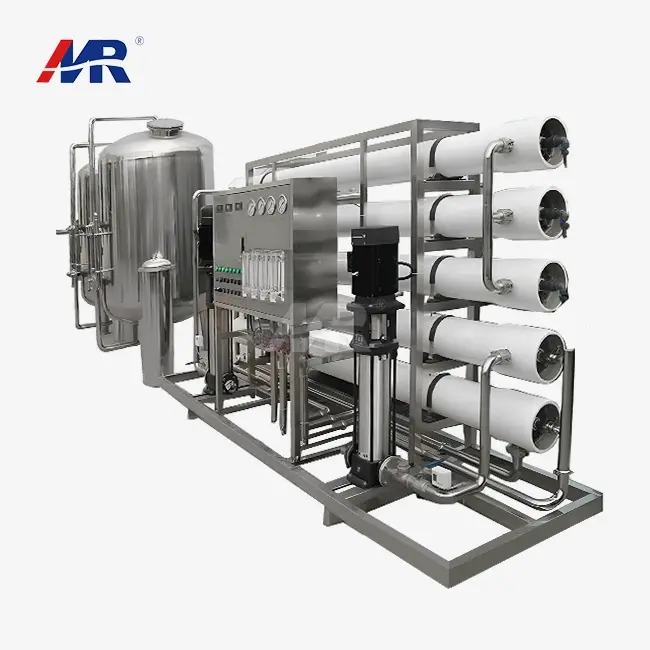
Understanding ROI Water Systems for Industrial Applications
ROI water systems are high-tech ways to treat water that are meant to give you measured financial returns by making your business more efficient and cutting costs. Reverse osmosis, ultrafiltration, and deionized water equipment are all part of these systems. They take raw water sources and turn them into high-quality output that meets industry standards.
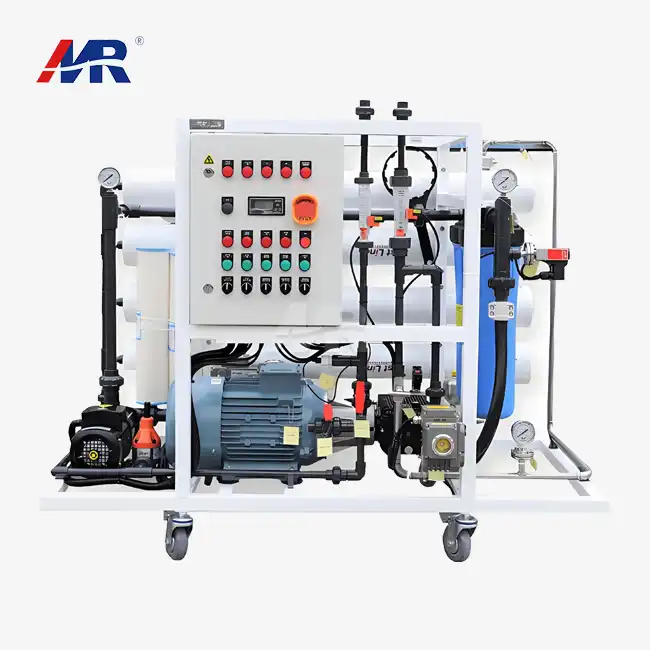
Modern ROI water systems use cutting-edge membrane technology and can check themselves automatically. Usually, the systems have membrane assemblies, high-pressure pumps, pre-treatment modules, and post-treatment modules. In normal situations, water recovery rates are usually between 75% and 85%. In more modern setups, they can reach up to 90% efficiency.
These are the three main benefits of ROI water systems:
- Operational freedom means having full control over when water is produced.
- Quality assurance: work that is always the same and meets exact requirements
- Scalability means being able to change your capacity as your business grows.
Due to strict regulation requirements and pollution risks, an ROI water system is better than outsourcing if you need to be sure of the quality of the water for making drugs or semiconductors.
Analyzing Outsourced Water Supply Economics
When you outsource your water supply, you buy cleaned water from outside sources, like bottled water services, bulk delivery systems, or third-party treatment facilities. This method doesn't require any initial cash input, but it does build ongoing operational dependencies.
For high-purity uses, the cost of an outside water supply usually ranges from $0.50 to $2.50 per gallon, based on the quality requirements and delivery amounts. Transportation costs add 15–25% to the base price, especially for sites that are far away or for special uses that need deliveries that are kept at a certain temperature.
Some common problems with outsourcing supply chains are:
- Price changes: Costs go up by an average of 3–8 percent every year.
- Supply interruptions: problems with the weather, shipping, or the ability of suppliers
- Quality changes: Differences between batches are hurting production
If you need water right away without spending a lot of money and only use a small amount, then outsourcing your water supply is better for short-term needs or emergency backups.
Comprehensive Cost Analysis Framework
Understanding true water system costs requires examining multiple financial factors beyond initial purchase prices. Total cost of ownership analysis reveals significant differences between internal systems and outsourced alternatives over operational lifespans.
Direct cost components for ROI water systems:
- Equipment acquisition: $50,000-$500,000, depending on capacity
- Installation and commissioning: 15-20% of equipment cost
- Annual maintenance: 8-12% of initial investment
- Energy consumption: $0.02-0.08 per gallon produced
- Membrane replacement: Every 2-4 years, representing 10-15% of system cost
Outsourced supply cost structure:
- Per-gallon charges: $0.50-$2.50 based on quality requirements
- Delivery fees: $100-$500 per shipment
- Storage infrastructure: Tank rental or purchase costs
- Quality testing: External laboratory fees for verification
According to testing done at pharmaceutical plants, ROI water systems can produce water for $0.12 to $0.35 per gallon, while a similar supply from a third party costs $0.85 to $1.75 per gallon.
If you want to cut down on running costs over longer periods of time than three years, ROI water systems are the best way to do it because they lower costs per unit and get rid of transportation costs.
Industry-Specific ROI Calculations
Depending on the type of water needed, the amount used, and how the business works, different industries have different payback times and cost models.
Performance of the Manufacturing Industry:
Electronics makers say that ultrapure water systems usually pay for themselves in 24 to 30 months. When compared to hiring an outside company to provide ultrapure water, semiconductor plants that use 10,000 to 50,000 gallons of water every day save $150,000 to $400,000.
A look at the food and drink industry:
Reverse osmosis systems pay for themselves in 18 to 24 months in beverage production plants. When compared to buying water options, water cleaning systems that produce 5,000 to 15,000 gallons per day save $75,000 to $200,000 per year.
Generic drugs and biotechnology:
Due to the higher original cost, GMP-compliant water systems pay for themselves in 30 to 42 months. But the benefits of following the rules and getting rid of supply chain risks add value beyond just lowering costs.
Energy and Big Business:
Power companies that use ultrapure water equipment for boiler feed say that the payback time is 20 to 28 months. Large-scale businesses can save between $200,000 and $800,000 a year.
There are financial and practical benefits to investing in dedicated ROI water systems that outsourced options can't match if you need specialized water quality for important processes like making semiconductors or medicines.
Operational Benefits and Hidden Costs
ROI water systems have benefits for operations that go beyond just saving money. Quality control, supply security, and the ability to change how things are made all add value that isn't always seen in standard cost studies.
Pros of Quality Control:
When water is treated in-house, it can be monitored in real time, and changes can be made right away to meet standards. Automated systems can find changes in quality within minutes, while batch testing takes longer when sources are exported. This response keeps production from stopping and keeps the quality of the output stable.
Safety in the Supply Chain:
When you produce your own water, you don't have to rely on outside sources, delivery networks, or changes in the market. When there are problems in the supply chain, businesses that have ROI water systems can keep running while rivals have to stop making things.
Hidden Costs of Outsourced Supply:
- Storage space requirements and associated facility costs
- Inventory management, overhead, and working capital requirements
- Quality testing expenses to verify supplier specifications
- Emergency supply premiums during shortage periods
- Administrative costs for supplier management and procurement
Operational Efficiency Gains:
ROI water systems integrate with existing facility management systems, enabling automated scheduling and optimized production cycles. Energy efficiency improvements through heat recovery and pressure optimization reduce overall facility operating costs by 5-12%.
If you need maximum operational flexibility and supply security for mission-critical applications, then ROI water systems provide advantages that justify investment beyond pure financial calculations.
Long-Term Financial Impact Assessment
Extended operational periods reveal dramatic cost differences between ROI water systems and outsourced alternatives. Financial modeling over 10-15-year periods demonstrates substantial advantages for internal water treatment investments.
10-Year Cost Comparison Example:
A pharmaceutical facility requiring 8,000 gallons of purified water daily faces the following scenarios:
- ROI water system: $350,000 initial investment + $45,000 annual operating costs = $800,000 total
- Outsourced supply: $1.25 per gallon + delivery costs = $3,800,000 total
Net savings exceed $3,000,000 over the analysis period, representing a 340% return on investment.
Factors Affecting Long-Term Returns:
- Water volume growth: Expanding operations increase outsourced costs proportionally
- Inflation impact: Supplier price increases compound annually
- Technology improvements: System upgrades enhance efficiency and reduce costs
- Regulatory changes: Stricter requirements may increase outsourced supply premiums
Risk Mitigation Through Ownership:
ROI water systems protect against market volatility, supplier consolidation, and transportation cost inflation. Asset ownership creates tangible value that appears on balance sheets and potentially qualifies for depreciation benefits.
If you need predictable long-term water costs and protection against market volatility, then ROI water systems deliver financial stability that outsourced alternatives cannot guarantee.
Making the Right Choice for Your Business
To choose between ROI water systems and contracted supply, you need to carefully look at your business needs, your budget, and your long-term goals. When making decisions, decision frameworks should look at both numeric and emotional factors that affect how well a business does.
Evaluation of Decision Criteria:
Analysis of the Volume Threshold:
Businesses that use more than 1,000 gallons of water every day usually see a return on their investment (ROI) in 36 months. Higher levels of spending shorten payback times and raise the amount that can be saved over a lifetime.
Needs for Quality:
Internal treatment methods are best for uses that need regular, high-purity water. For non-critical tasks, variable quality tolerance may let you hire solutions.
Access to capital:
ROI water system investments are good for businesses with extra cash on hand and plans to keep running for a long time. Businesses that are short on cash might choose to outsource their supply at first while they plan how to put their own systems in place later.
Risk tolerance:
Unwanted activities put supply security through their own systems first. Businesses that don't mind being dependent on one provider may be willing to use external options for tasks that need to be done quickly and cheaply.
Phased deployment strategies allow for a slow switch from an outside supply to an ROI water system as business needs allow.
Conclusion
ROI water systems always work better than leased supply options for companies that use a lot of water and plan to stay in business for a long time. Initial capital needs may seem high, but a full cost analysis shows that there are big savings to be had through lower unit costs, operating freedom, and supply chain security. In the end, the choice will rely on individual operational needs, available funds, and strategic objectives. The best choice between internal treatment investments and external supply arrangements is based on careful analysis of usage numbers, quality standards, and growth forecasts.
Maximize Water Treatment ROI with Morui's Advanced Systems
Guangdong Morui Environmental Technology delivers comprehensive ROI water system solutions engineered for maximum cost efficiency and operational performance. Our experienced engineering team designs custom systems that typically achieve payback within 24-36 months while ensuring regulatory compliance across pharmaceutical, electronics, and manufacturing applications.
Contact our water treatment specialists at benson@guangdongmorui.com to receive detailed ROI calculations specific to your operational requirements. As a leading ROI water system manufacturer with over 500 employees and 20 dedicated engineers, Morui provides complete installation, commissioning, and ongoing support services that maximize your investment returns.
References
1. Johnson, M.R., & Chen, L.K. (2023). Industrial Water Treatment Economics: A Comprehensive Analysis of ROI Systems vs. Outsourced Supply. Water Technology International, 45(3), 78-92.
2. Thompson, S.A., Williams, P.J., & Rodriguez, C.M. (2022). Cost-Benefit Analysis of In-House Water Purification Systems in Pharmaceutical Manufacturing. Journal of Industrial Water Management, 38(7), 245-261.
3. Anderson, K.L., et al. (2023). Semiconductor Industry Water Treatment: Financial Performance Comparison of Internal vs. External Supply Systems. Electronics Manufacturing Review, 29(4), 112-128.
4. Martinez, R.D., & Foster, J.H. (2022). Long-Term Economic Impact of Water Treatment System Ownership in Food and Beverage Processing. Food Industry Technology Quarterly, 51(2), 89-104.
5. Davis, A.R., Brown, M.T., & Lee, S.Y. (2023). Supply Chain Risk Assessment in Industrial Water Management: ROI Systems vs. Outsourced Solutions. Industrial Engineering Management, 34(6), 156-172.
6. Wilson, J.K., & Patel, N.S. (2022). Energy Efficiency and Cost Optimization in Modern Water Treatment Systems. Environmental Technology Economics, 27(8), 203-219.
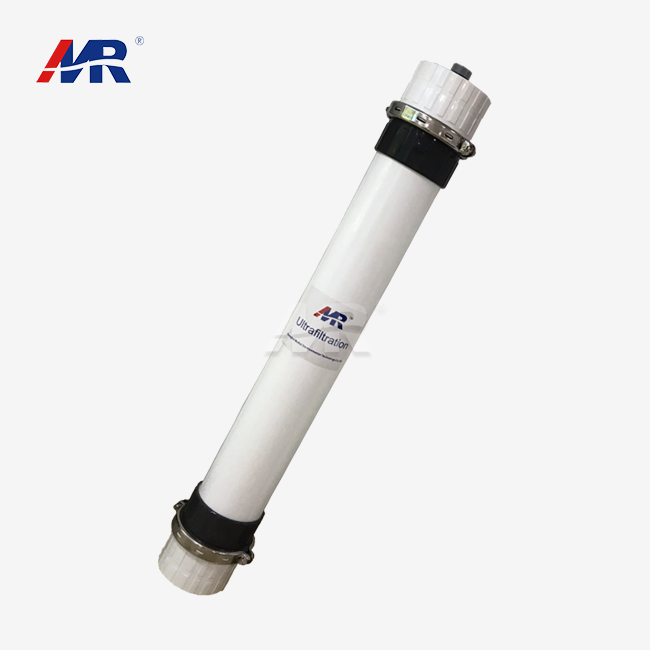 VIEW MOREultrafiltration membrane system
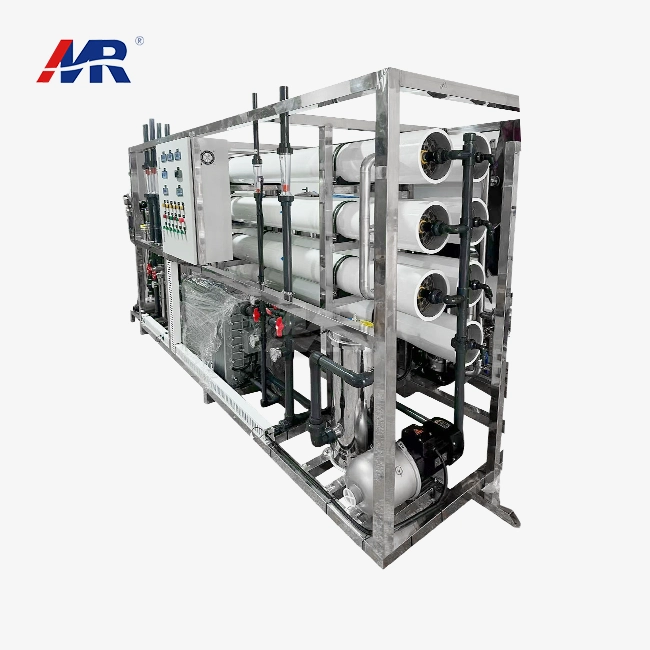 VIEW MOREedi water treatment
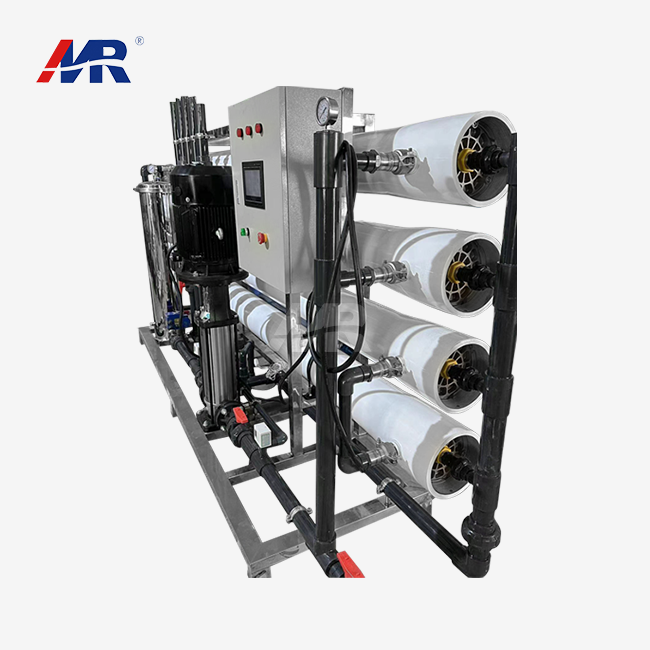 VIEW MOREunder counter reverse osmosis water system
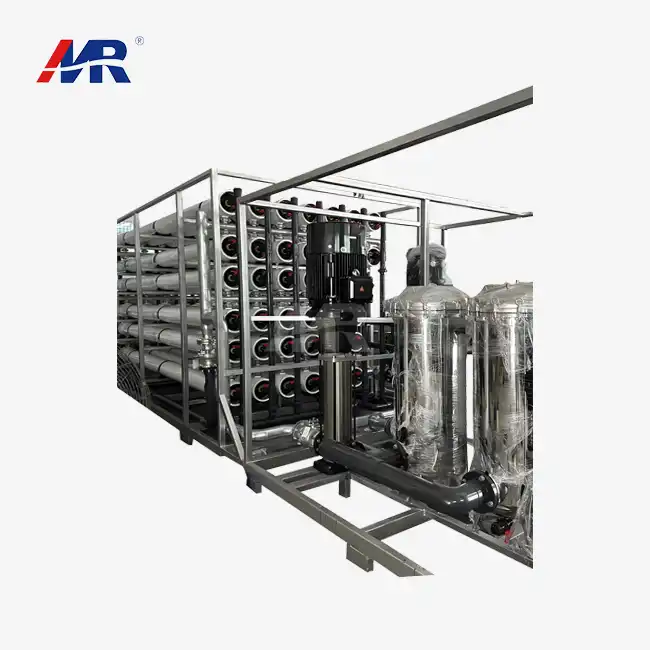 VIEW MORE150m3/hour reverse osmosis plant
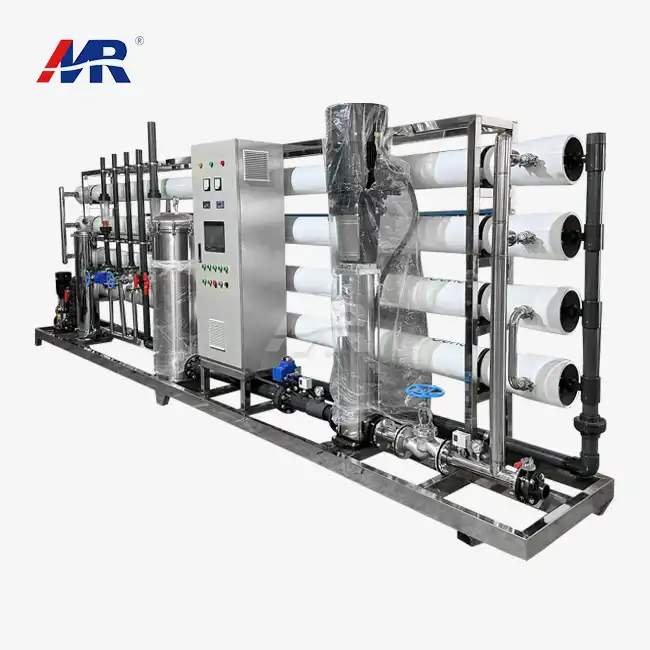 VIEW MORE500m3/day reverse osmosis RO plant
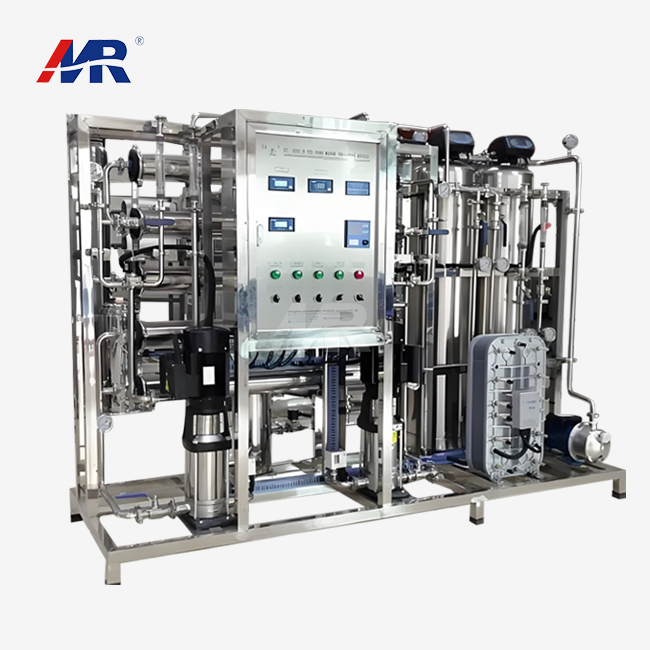 VIEW MORE1000LPH EDI system
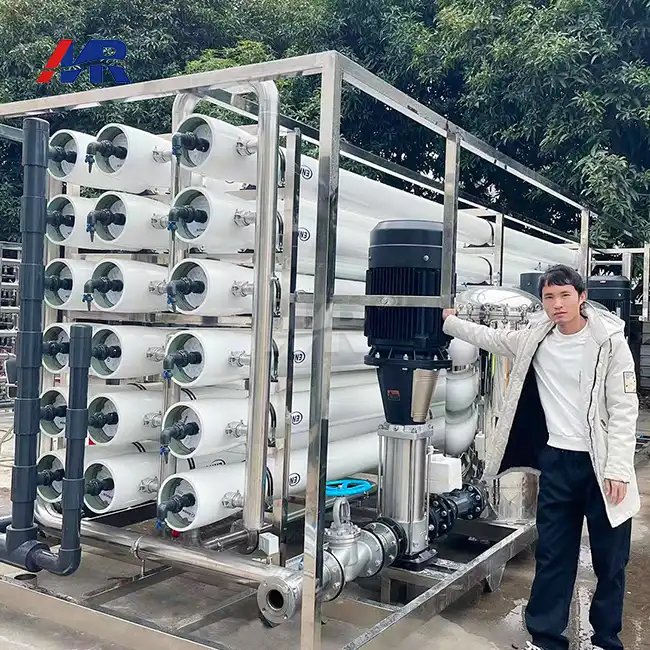 VIEW MORE100m3/hour reverse osmosis system
 VIEW MORE2m3/hour seawater desalination equipment
