

_1745823981883.webp)

How to Maintain Your Reverse Osmosis System for Optimal Performance
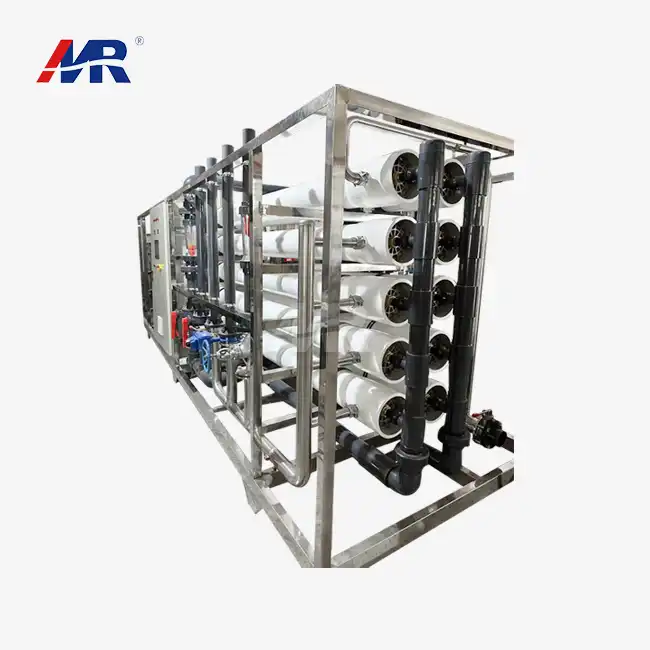
Maintaining a Reverse Osmosis System properly requires systematic attention to filter replacement schedules, membrane cleaning protocols, and water quality monitoring. Regular maintenance ensures consistent water purity, prevents costly system failures, and maximizes equipment lifespan across industrial applications. Proper care involves pre-filter changes every 6-12 months, membrane sanitization procedures, pressure monitoring, and proactive troubleshooting to maintain peak performance standards that meet GMP requirements and operational efficiency goals.
Introduction
Reverse osmosis devices are extremely important for cleaning water in many industries, ranging from making medicines to making semiconductors. These complex filtration networks need planned upkeep methods that have a direct effect on prices, quality of Products, and machine life. There is more and more pressure on procurement managers and technical decision-makers to improve system performance while keeping upkeep costs low and making sure that production plans don't get messed up.
Being aware of the upkeep needed for Reverse Osmosis Systems is very important when thinking about the big investment these units represent. A system that is well taken care of can work well for decades, but equipment that isn't used may need to be replaced early or need expensive emergency repairs. Modern industrial water treatment needs are more complicated than just changing filters. They also include managing membrane chemistry, optimizing pressure, and coming up with ways to keep water from getting contaminated.
This detailed guide is designed to meet the special needs of procurement workers who have to balance strict technical requirements with limited budgets. The tips in this article will help you get the most out of your water treatment investment and make sure that the quality of the output always meets or beats industry standards, whether you're in charge of a municipal water treatment plant, a pharmaceutical production line, or equipment used to make semiconductors.
Understanding Common Problems in Reverse Osmosis Systems
Industrial Reverse Osmosis Systems have to deal with a lot of problems that can have a big effect on how well and how efficiently they produce water. One of the most common problems is membrane clogging, which happens when contaminants build up on membrane surfaces and slow down the flow of permeate. This fouling can happen because of biological growth, scale buildup, or layers of organic compounds that make the system less effective over time and require higher operating pressures.
Membrane Fouling and Scale Formation
There are different types of membrane fouling that need different ways to be fixed. Biological fouling happens when bacteria stick to membrane surfaces and make biofilms that stop water from moving through and can damage the membrane's structure. When minerals that are dissolved in water settle on membranes, they make scale. This can happen when there are a lot of dissolved solids or when the pre-treatment systems aren't good enough. Organic clogging happens when natural or man-made organic matter sticks to membrane surfaces and makes filtering less effective.
Pressure Drop Issues and Flow Rate Reduction
When the pressure in an RO system drops, it means that there may be a blockage or that the membrane is breaking down, which needs instant attention. If the intake pressure goes up but the permeate output goes down, it's likely that the system is having fouling or scaling problems that make it work less well. These changes in pressure can put stress on system parts, make them use more energy, and eventually cause the membrane to fail if they are not fixed quickly with the right cleaning procedures.
Pre-Treatment System Failures
Problems with RO systems are often caused by not treating the water properly before it is used, especially in industry settings where the water chemistry is complicated. High amounts of particles can be too much for sediment filters to handle, and carbon filters can get to a point where chlorine or organic chemicals can damage membranes further down the line. When water softener systems don't work right, hardness minerals can get to the RO filters and cause them to scale quickly, which makes the system less effective.
The goal of preventive maintenance is to find and fix problems early on, before they get worse and cost a lot to fix. Monitoring the water quality, pressure, and flow rate regularly gives important information for planning repairs and improving performance. These ways of keeping an eye on things help procurement teams plan for repair needs, set aside money for replacements, and cut down on unplanned breaks that can throw off production schedules.
Essential Maintenance Tips for Reverse Osmosis Systems
To maintain a RO system effectively, you need to use a methodical approach that takes care of all of its parts while keeping operations running. Filter replacement plans should be based on real water quality conditions, not just random dates. This is because feed water that is highly contaminated may need to be changed more often, while water that comes from clean sources can go longer between replacements.
Filter and Membrane Replacement Protocols
When to change the pre-filter depends on how clean the water is and how much pressure difference there is between each filter step. When the pressure goes below 15 PSI or when a visual check shows a lot of contamination, sediment filters usually need to be replaced. Manufacturers list exact limits for each type of filter media, so carbon filters should be changed when chlorine levels rise or after processing a certain amount of water.
To decide whether to replace a membrane, you need to carefully look at the quality of the permeate, the rejection rates, and baseline data that takes temperature and pressure changes into account. If the average permeate flow drops by 10-15% or the salt rejection drops below what is considered reasonable, the membrane needs to be replaced to keep the system running well. These factors are very different for different industry uses. For example, pharmaceutical facilities need tighter performance standards than general manufacturing uses.
Cleaning and Sanitization Procedures
To get the best results without hurting the membrane materials, cleaning procedures must match the type of fouling. Acidic cleaners break down scale layers and mineral buildups, while alkaline cleaners get rid of organic fouling and biological contamination. To choose the right cleaning products, you need to know the manufacturer's standards and the compatibility requirements that keep the membrane from breaking down too quickly.
Using approved biocides in sanitation methods gets rid of bacterial contamination and stops biofilm formation, both of which can hurt the quality of water. In these processes, sanitizing solutions are usually pumped through the whole system, including storage tanks and distribution pipes. This is done after a full flushing to get rid of any chemicals that are still there. Keeping records of sanitization actions is important for quality assurance and legal compliance programs.
Water Quality Monitoring and Testing
Total Dissolved Solids (TDS) meters tell you about the performance of a system in real time and help you spot dropping rejection rates before they affect the quality of the production. By measuring conductivity across different membrane stages, we can see differences in performance that show what care is needed or if the membrane might fail. Regular lab tests and samples check TDS readings and find contaminants that devices in the field can't measure.
Bacteria should be tested as part of monitoring programs, especially for systems that make water for medicinal or food processing uses. Testing for endotoxins, bioburden, and specific pathogens makes sure that business norms and government rules are followed. To get accurate results that support quality assurance programs, these testing processes need to work together with approved labs and use the right sampling methods.
Comparing Reverse Osmosis Maintenance Needs with Other Water Treatment Systems
Compared to other filter technologies, Reverse Osmosis Systems need more frequent upkeep. However, they are better at getting rid of contaminants, so the extra care is worth it. Understanding these changes in upkeep helps procurement teams choose the right technology and figure out the long-term costs that affect the total cost of ownership.
Maintenance Frequency and Complexity
Salt needs to be added to water softening systems once a month, and the plastic bed needs to be cleaned every so often. On the other hand, carbon filters need to be changed every 6 to 12 months, based on how often they are used. RO systems need more regular maintenance. The pre-filter needs to be changed every 3 to 6 months, the membrane needs to be cleaned every 1 to 3 months, and the whole system needs to be sanitized every three to six months.
RO maintenance is more difficult than maintenance for simpler treatment technologies. Trained workers who know about membrane chemistry, cleaning routines, and system diagnostics are needed. This technical help comes at an extra cost that needs to be thought about when buying something, especially for places that have never treated water before or don't have Technical support available.
Complementary System Integration
Combining RO systems with upstream cleaning technologies that lower upkeep needs and increase membrane life is useful in many industrial settings. Multimedia filtration, water softener, and activated carbon treatment are some of the pre-treatment systems that get rid of contaminants that would otherwise get stuck on ro membranes and make cleaning them more often necessary.
Post-treatment systems like cleaning, filtration, degasification, or UV sanitizing take care of certain water quality needs while making RO membranes' jobs easier. These combined methods improve the overall performance of the system while spreading the need for maintenance across several system parts. This could lower the overall cost of maintenance and make the system more reliable.
Scale-Based Maintenance Considerations
Point-of-use RO systems usually need less upkeep because they have smaller capabilities and don't have to deal with as many complicated water chemistry issues. A lot of the time, these systems are built around cartridges, which make it easy to change the filters and don't require a lot of technical knowledge for regular upkeep.
Due to their higher flow rates, multiple membrane tanks, and complicated control systems, whole-house and industrial Reverse Osmosis Systems need more advanced ways to be maintained. These bigger systems have automated tracking, centralized cleaning systems, and predictive maintenance tools that make them work better while reducing downtime and maintenance costs.
Procurement Insights: Choosing and Maintaining RO Systems for Business Use
When Reverse Osmosis Systems are bought strategically, the costs that come up over their lifetime must be taken into account, in addition to the initial purchase price. upkeep needs, energy use, availability of replacement parts, and the quality of expert support all have a big effect on the total cost of ownership over the life of the equipment, which can be anywhere from 10 to 20 years based on the conditions of use and the quality of upkeep.
Evaluating Long-term Maintenance Costs
The lifespan of filters varies a lot depending on the brand and type of membrane used. Some high-end membranes can last up to three years with proper care, while cheaper choices may need to be replaced after only one to two years. When added to the costs of cleaning chemicals and labor, these replacement costs can have a big effect on business budgets and should be carefully thought through during the buying process.
Another important cost factor that changes depending on the system design and working pressure is the amount of energy used. It's possible that high-efficiency membranes need lower working pressures, which could lower energy costs but possibly raise the cost of replacing the membrane. Energy recovery devices can cut operational costs for bigger systems by a large amount, but they are more complicated and need more upkeep, which must be taken into account when buying them.
Vendor Selection and Support Considerations
The level of technical help is very important for keeping the system running smoothly and minimizing downtime during maintenance. In many situations, vendors with extensive service networks, easy access to new parts, and helpful customer service offer a lot of value that explains higher prices.
Manufacturers of equipment offer training programs that help facility staff learn the skills they need for regular repair and spot situations that need professional service. By making sure that proper maintenance methods are followed and problems are found early, these training tools lower long-term operating costs and improve system reliability.
Sourcing Genuine Parts and Services
Fake filters and membranes can seriously hurt the performance of a system and may even cancel the warranty on the equipment. They could also make the water less safe to drink. By working with approved distributors, you can be sure of getting real replacement parts that meet maker standards and keep the system's integrity throughout the lifecycle of the equipment.
Professional service agreements protect capital investments and make sure that regulations are followed by providing planned repair, emergency reaction, and performance guarantees. These service contracts can cut down on the amount of work that needs to be done by internal staff while giving access to specialized knowledge that improves system performance and extends the life of equipment.
Conclusion
For a reverse osmosis system repair to work well, it needs organized methods that balance improving performance with keeping costs low. This can only be done by planning and carrying out the work correctly. By learning about common issues, putting preventative maintenance plans into action, and working with qualified service providers, you can keep the water quality stable while protecting your investments and limiting business disruptions.
Modern RO systems are very complicated, so they need technical know-how and high-quality parts that will last for a long time and work well. When making a purchase choice, the total cost of ownership, the vendor's support capabilities, and the maintenance needs that are in line with quality standards and operating skills must all be taken into account. Strategic relationships with experienced water treatment providers give you access to specialized knowledge and resources that help you get the most out of your system for as long as the equipment lasts.
FAQ
Q1: How often should filters be replaced in industrial RO systems?
How often the filter needs to be replaced varies depending on the quality of the feed water, how full the system is, and the needs of the application. Pre-filters need to be replaced every three to six months, while RO membranes can last between two and five years with proper care. Instead of using set plans, it's better to keep an eye on pressure differences, permeability quality, and flow rates to figure out when to change things.
Q2: What are the warning signs that indicate urgent maintenance needs?
Important warning signs include sudden rises in pressure, big drops in permeate flow, readings of water quality going down, strange tastes or smells, and obvious contamination in filter housings. These signs usually mean that the membrane is getting clogged, scaling, or biologically contaminated and needs to be cleaned or replaced right away to keep the system from breaking down and to meet water quality standards being met.
Q3: Should businesses handle RO maintenance internally or use professional services?
The choice will rely on how complicated the system is, how technically skilled the team is, and how much it will cost. Routine jobs like changing the pre-filter can usually be done by employees who have been trained properly. However, professional help is usually needed for cleaning the membrane, sanitizing the system, and fixing performance problems. This is because professionals can get the best results and avoid making mistakes that cost a lot of money.
Partner with Morui for Advanced Reverse Osmosis System Solutions
Morui Environmental Technology offers complete RO system options for industrial and business uses that improve performance while reducing the amount of work that needs to be done on them. Because we can make a lot of different products, have a large professional service network, and care about our customers' success, we are the best reverse osmosis system provider for companies that want reliable water treatment solutions with full support services.
Whether you need a unique system designed, installation services, an upkeep contract, or replacement parts, our experienced team has the skills and tools to help you get the most out of your water treatment investment. Get in touch with our technical experts at benson@guangdongmorui.com to talk about your specific needs and find out how our tried-and-true solutions can improve your business while lowering long-term maintenance costs and making sure that the water quality always meets your production standards.
References
1. American Water Works Association. "Reverse Osmosis and Nanofiltration Manual of Practice." Denver: AWWA Press, 2022.
2. Membrane Technology Research Institute. "Industrial Membrane Maintenance and Performance Optimization Guidelines." Journal of Water Treatment Technology, 2023.
3. International Desalination Association. "Best Practices for Reverse Osmosis System Operation and Maintenance in Industrial Applications." Global Water Treatment Review, 2023.
4. Water Quality Association. "Commercial and Industrial RO System Maintenance Standards and Protocols." WQA Technical Bulletin, 2022.
5. Environmental Protection Agency. "Guidelines for Water Treatment System Maintenance in Commercial and Industrial Settings." EPA Water Treatment Handbook, 2023.
6. World Health Organization. "Water Treatment Technology Assessment: Maintenance Requirements and Performance Standards for Industrial Applications." WHO Technical Report Series, 2022.
 VIEW MOREsewage treatment plant MBR system
 VIEW MOREwaste water treatment plant
 VIEW MOREultrafiltration equipment
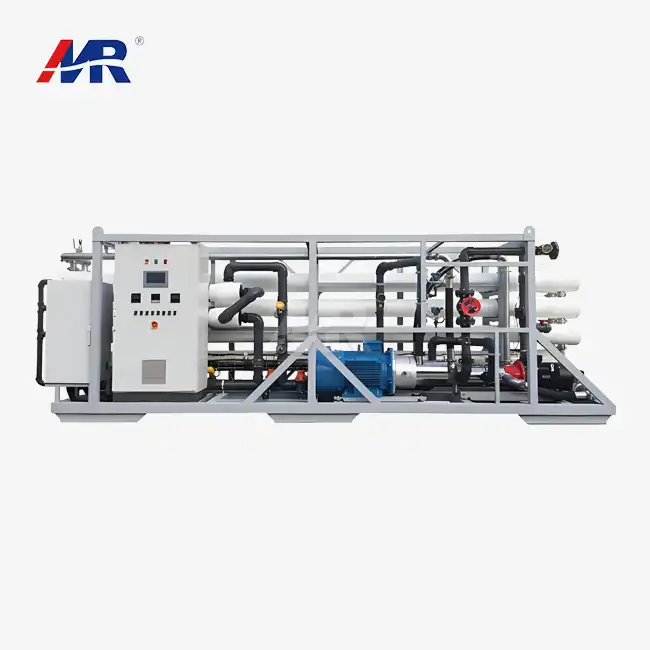 VIEW MORE15m3/hour seawater desalination system
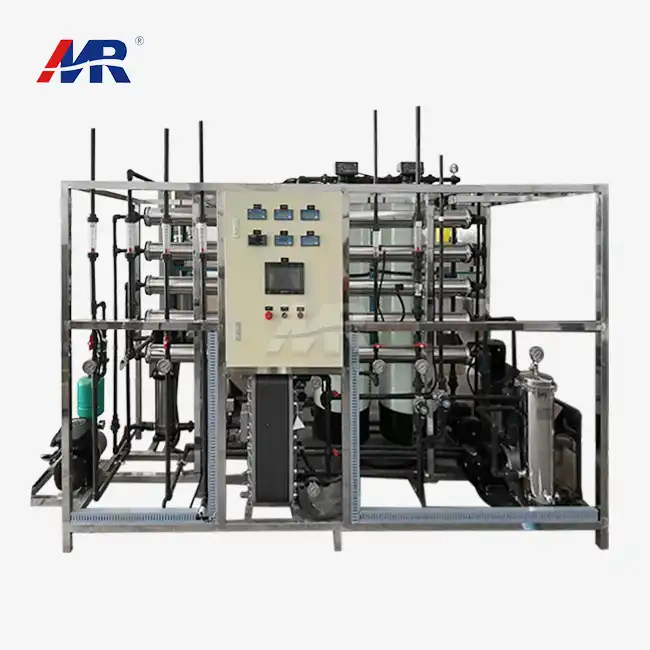 VIEW MOREedi water purification system
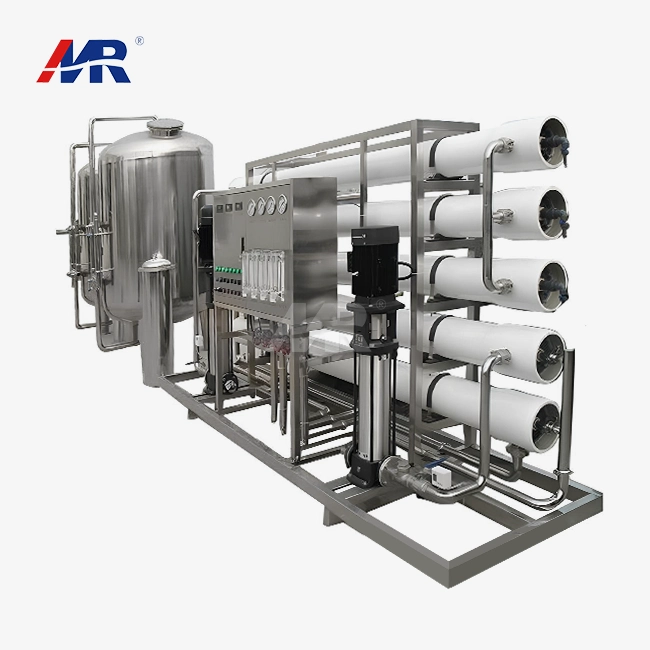 VIEW MOREbrackish water reverse osmosis
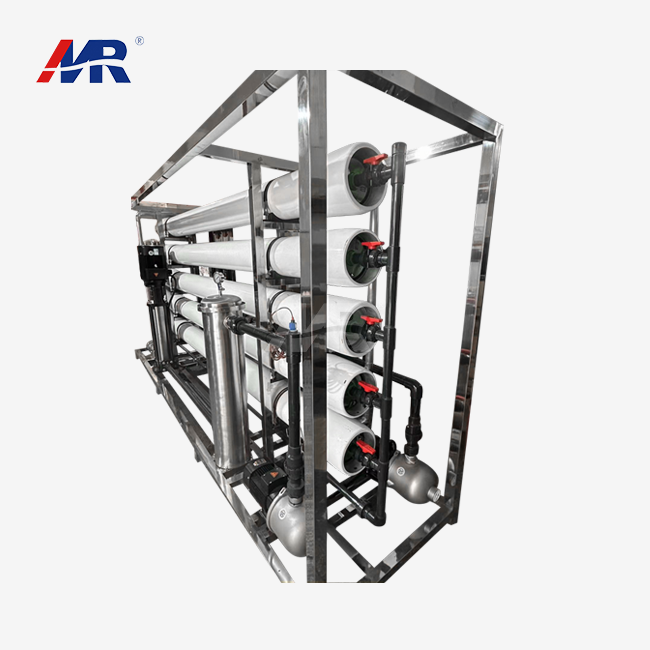 VIEW MOREreverse osmosis water treatment equipment
 VIEW MORE50m3/hour reverse osmosis equipment
