_1745823981883.webp)

Is Reverse Osmosis Safe for Drinking Water? Myths and Facts Explained
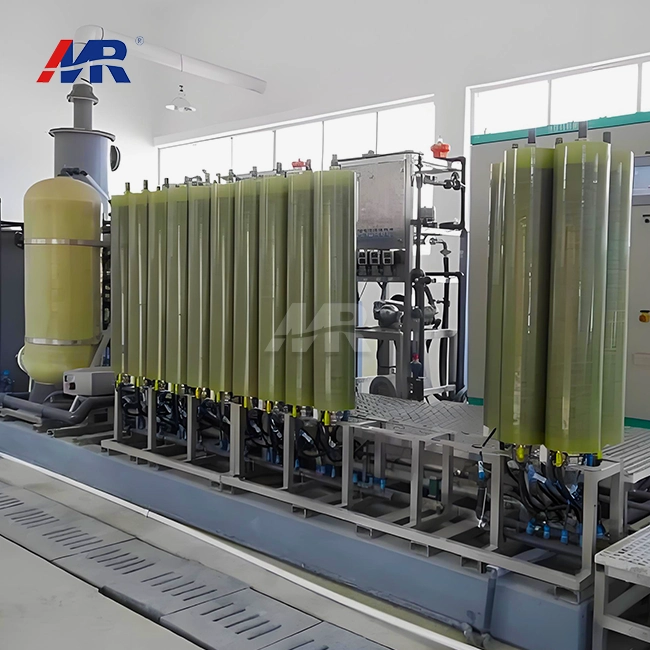
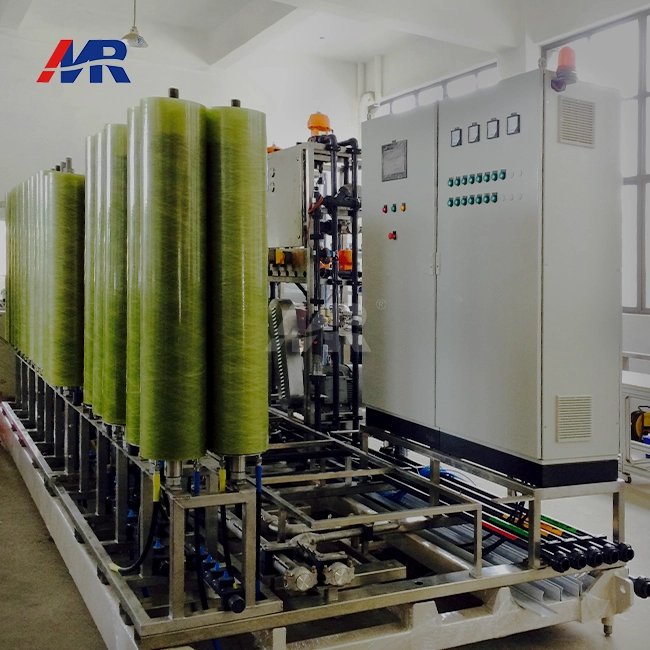
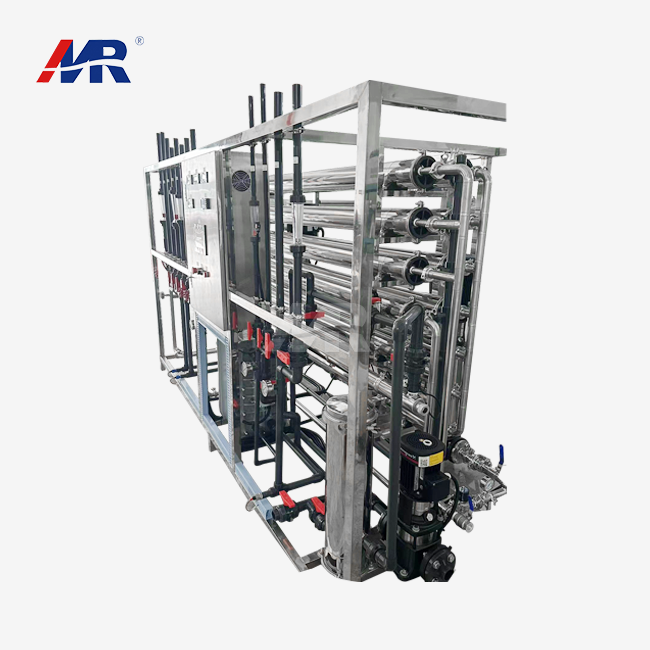
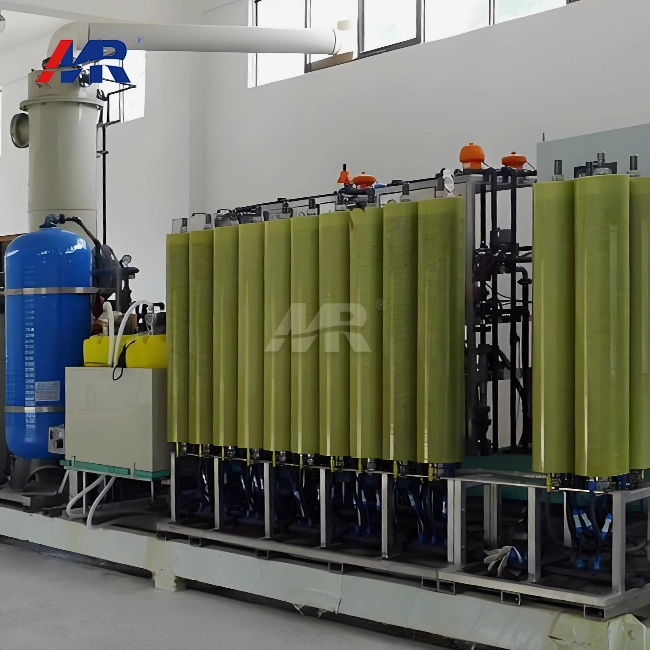
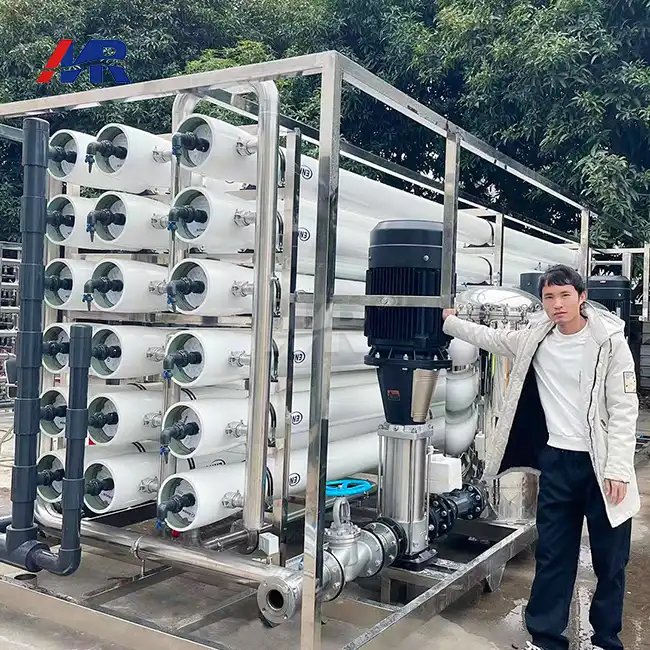
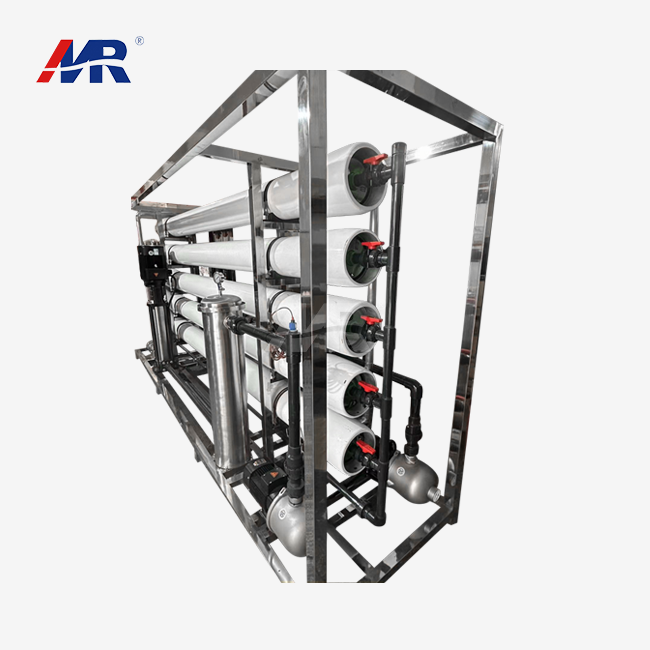
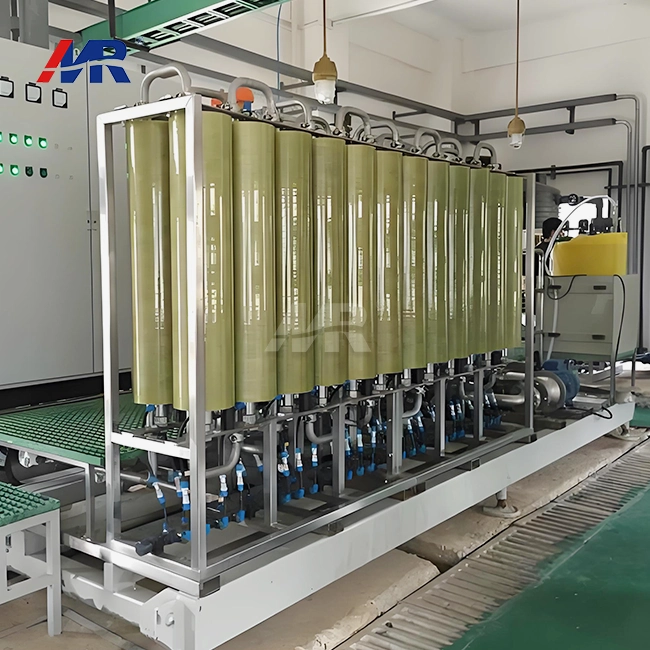
Reverse osmosis is completely safe for drinking water when properly installed and maintained. A quality Reverse Osmosis Machine removes up to 99% of harmful contaminants, including bacteria, viruses, heavy metals, and chemical pollutants, while producing clean, pure water that meets strict safety standards. The technology has been extensively tested and certified by regulatory agencies worldwide, making it one of the most reliable water purification methods available for both residential and industrial applications.
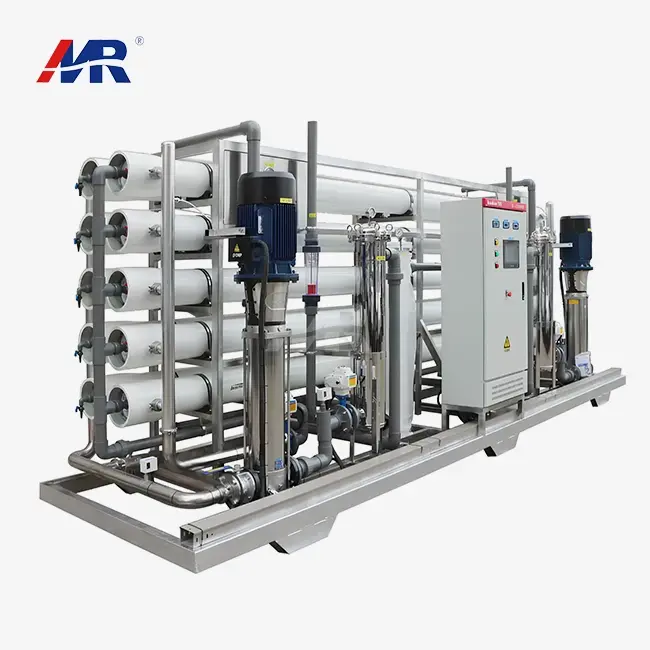
Understanding Reverse Osmosis and Its Safety Profile
Reverse osmosis is one of the most efficient ways to clean water on the market today. Its semi-permeable screens remove contaminants at the molecular level. To make this better method work, pressure is used to force water molecules through very small holes that are only 0.0001 microns wide. Dissolved salts, chemicals, germs, and other dangerous substances can't get through these holes.
How Reverse Osmosis Systems Ensure Water Safety
There are several steps in the filtration process. The first step is pre-treatment, which protects the sensitive RO membrane from damage. Sediment screens get rid of bigger things like dirt and sand. On the other hand, carbon filters get rid of chlorine, volatile organic compounds (VOCs), and other chemicals that could mess up the membrane. It is the ro membrane's job to clean the water by letting only pure water molecules through and keeping out other things that aren't water.
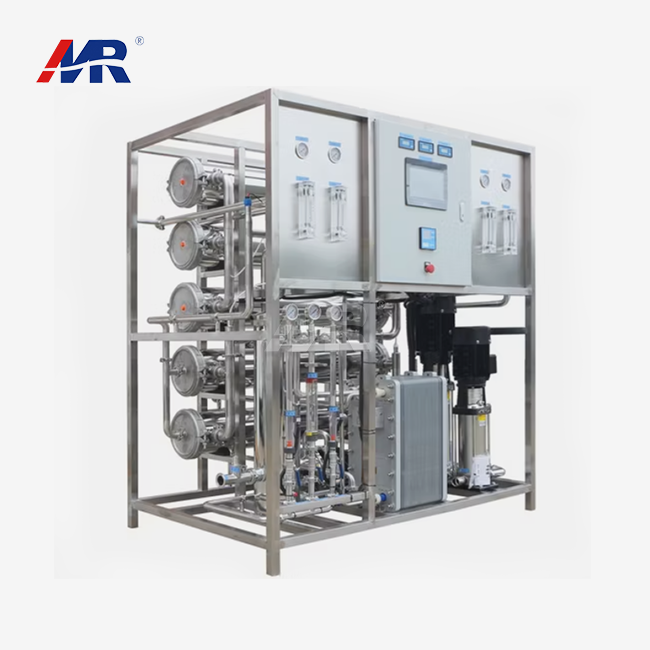
There are a lot of safety features in modern reverse osmosis plants that keep the water quality fixed. It has flow restrictors that decide how much water can move through the membrane and pressure gauges that show how well the system is working. The water is put in a clean tank and cleaned. It then goes through post-filters to get rid of any smells or tastes that are still there.
Debunking Common Safety Myths
A lot of people still don't understand how safe water from a Reverse Osmosis Machine is, and experts need to explain it. Some of what the lie says about reverse osmosis is partly true. It does remove some minerals along with pollution. The World Health Organization says that the small amounts that are taken out do not pose any health risks. However, the most important minerals are found in food, not water.
A different popular myth is that RO water turns into dangerously sour water. RO water is safe to drink and won't hurt your health, even though its pH is a little lower than tap water. The body's natural processes for sorting things out can easily fix these small changes in pH.
Comparing Reverse Osmosis with Other Water Purification Methods
Why is RO technology better than other ways to clean? This information helps people who work in buying make smart decisions based on safety standards and business needs.
Reverse Osmosis Versus Carbon Filtration
Carbon filtration gets rid of chlorine and organic chemicals and makes the water taste and smell better, but it can't get rid of all the bad stuff like reverse osmosis systems can. Carbon filters can get rid of some chemicals, but they can't get rid of heavy metals, bacteria, or salts that dissolve. RO membranes are better at that. Many industry places need very clean water, and carbon filters alone can't do the job. That's why RO technology is used.
RO Technology Compared to UV Purification
They are a great way to clean because they don't add chemicals to the water and kill bacteria, viruses, and other germs. UV systems can get rid of heavy metals and contaminants that have been dissolved in water, but they can't make water taste better. That's where reverse osmosis really shines. Both methods are often used together in the best solutions for treating industrial water. To get rid of all bacteria in the water, they use UV light to kill them.
The Value of Post-Treatment Remineralization
A lot of corporate RO systems have steps that add good minerals back into the water, which makes it taste better. Concerns about mineral loss can be eased with this method, which keeps the safety and cleanliness benefits of reverse osmosis treatment. For businesses that make food and drinks, remineralization is especially helpful because the taste of water affects the quality of the goods they make.
Addressing Common Concerns and Maintenance for Optimal Safety
The most important thing to do to keep a reverse osmosis system safe and running well is to keep it in good shape. If you don't take care of your devices properly, even the best ones can stop working well after a while. The water might not be as safe, and the system might not last as long.
Essential Maintenance Practices for Industrial RO Systems
Contaminants that could get past the filter layer don't build up because the membranes are checked and replaced regularly. The rules in the industry say that industrial membranes should be changed every two to three years. However, systems that are used a lot might need to be repaired more often. It's just as important to take care of the pre-filter. Sediment and carbon filters usually need to be changed every 6 to 12 months, but this depends on how good the water source is.
System sanitization protocols help keep germs from growing in storage tanks and transport lines. When you clean the system once a month with approved disinfectants, germs can't grow, and the water is safe throughout the whole system. The pressure is checked to make sure the membrane works well, and the flow rate is measured to see when it needs to be fixed.
Troubleshooting Common Operational Challenges
Most problems that corporate RO systems have to deal with are caused by membrane fouling. This happens when the rejected contaminants build up on the membrane surface. This makes the membrane less effective and could put the water quality at risk. When you backwash regularly and use the right pre-treatment, fouling is kept to a minimum, and membranes last longer.
Most of the time, pre-filters get stuck because the source water has a lot of Silt in it. By putting in sediment screens that are the right size and regularly changing them, this issue won't spread to parts further downstream. A system that finds leaks lets repair teams know about possible issues early on, so they can fix them before they make the water unsafe or the system stops working properly.
Procurement Guide for Safe and Reliable Reverse Osmosis Systems
When picking out the right RO equipment, you should think about more than just how much it costs at first. Quality security, certification compliance, supplier image, and the ability to offer long-term help all affect the total cost of ownership and the reliability of operations.
Critical Evaluation Criteria for Commercial RO Systems
Performance approvals for the Reverse Osmosis Machine from well-known testing groups give a fair look at how safe and useful the system is. A lot of attention goes into testing tools by NSF International, the Water Quality Association (WQA), and other groups to make sure it meets the standards that are set. These documents are very important in regulated areas like medicine and food preparation, where the water quality has a direct impact on the safety of the goods.
It means that the company that made the product trusts that it will work well and will pay for repairs if it breaks down early. The fact that the company backs up all of its Products with full warranties for membranes, pumps, and computer controls shows that it wants to make good products and keep costs low in the long run.
Supplier Evaluation and Support Services
To keep systems running at their best and fix technical problems, you need reliable expert help. Helpful suppliers who are available 24 hours a day, seven days a week, thorough training programs, and new parts that are easy to find all help keep things going easily and cut down on costly downtime.
When you hire installation services, they make sure the system is set up right and works well right away. Some of the most important things that professional assembly teams know are the right pre-treatment, the right membrane housing, and the right system size. These things have a direct impact on safety and efficiency. These services are especially useful for business sites that are hard to set up correctly because a mistake could damage the water quality or break expensive equipment.
Case Studies and Industry Applications Demonstrating RO Safety
In real life, reverse osmosis has been used in a lot of different fields and has been proven to be safe and effective even in tough situations.
Manufacturing Sector Success Stories
A big electronics company in California set up a lot of RO machines to make very clean water that can be used to make chips. The method got rid of heavy metals and dissolved organics that used to damage goods. It also met strict cleanliness standards in the industry. Through five years of running, tests by a third party showed that the water quality didn't change. The system was safe and trustworthy now that this was shown.
Healthcare and Pharmaceutical Applications
Health care facilities use RO technology to do many important things, like making drugs and treatment water. Medical-grade RO systems that got rid of germs and chemicals left over from old systems made a well-known research hospital say that patient safety went up a lot. During its three years of use, the building had no safety problems related to water and met all government standards.
These uses show how reverse osmosis technology can make tough business settings safer and more productive when it is used properly. A business that cares about water quality and safety should use RO because it works well even when things go wrong.
Morui Water Treatment Solutions: Your Trusted RO Technology Partner
One of the best companies that cleans water is Guangdong Morui Environmental Technology Co., Ltd. Their main business is making high-tech reverse osmosis systems that are used in many business and industry settings. We know how to handle garbage from factories, homes, and seawater that needs to be desalinated in order to make drinking water. We can also provide all the tools you need and set it up for you.
Comprehensive Manufacturing and Service Capabilities
Our business is very big and technical because it has 14 main branches. Over 500 people work there, and 20 of them are expert engineers with a lot of experience developing and improving water treatment systems. Our infrastructure is very strong, which lets us offer customized solutions that meet the needs of each client while still being of the best quality.
Our joint method includes places where we make our own membranes and places where a lot of different kinds of tools are processed. This makes sure that quality control is kept up during the whole process of making the product. We also sell genuine parts from well-known brands such as Shimge Water pumps, Runxin valves, and Createc instruments. This lets our users get tried-and-true parts that make their systems work better and last longer.
Industry-Leading Technical Support and Service Excellence
Companies that want to work with us on a stable, long-term basis to treat water should buy our Reverse Osmosis Machines because we know how to make them and provide full service. Our professional team handles the whole project, from the first meeting to setting up the system and keeping it running. During its whole life, they make sure the equipment works well and meets all safety standards.
Conclusion
It is safe and successful to clean water with reverse osmosis technology if it is used and stored the right way. There is a lot of scientific evidence and real-world use in many fields that show RO is good at getting rid of harmful contaminants and making top-notch drinking water. Myths about sour water and mineral loss are not based on fact. But regular maintenance keeps things safe and working right. Companies that need reliable water treatment options have found that investing in certified RO systems pays off in terms of running success and following the rules.
FAQ
Q1: Is reverse osmosis water completely safe for long-term consumption?
This kind of water is safe to drink for a long time. A lot of research and government agencies around the world have shown that RO-treated water is as safe as or safer than drinking water. Once the process is done, the water is clean enough to drink every day without worrying about getting sick.
Q2: How often should RO system components be replaced to maintain safety?
When it comes to commercial systems, membranes should be changed every two to three years, and pre-filters should be changed every six to twelve months, depending on how good the source water is. Regularly checking the system's performance indicators helps you figure out when to replace parts to keep the water safe and the system running at its best.
Q3: Can reverse osmosis systems handle industrial-scale water treatment safely?
Of course. Industrial RO systems are made to handle a lot of water while still meeting high standards for quality and safety. The system is safe as long as it is well-designed, well-maintained, and tracked properly. This is true even in tough business environments like those in manufacturing, food processing, and medicine.
Partner with Morui for Your Water Treatment Needs
Are you ready to give your company safe and dependable reverse osmosis technology? For cleaning water, Morui is the best company to work with because we have done it many times before and been successful. Our engineers have a lot of experience and can come up with unique ideas that work for your business and follow all the rules. Please email our technical experts right away at benson@guangdongmorui.com for full advice and fair quotes. We have many ways to treat water, and our Reverse Osmosis Machine technology can help your business run more easily and meet better water safety standards.
References
1. World Health Organization. "Health Risks from Drinking Demineralised Water." Geneva: WHO Press, 2021.
2. National Sanitation Foundation International. "Standards and Certification for Reverse Osmosis Systems." NSF International, 2023.
3. American Water Works Association. "Membrane Treatment Processes for Drinking Water Applications." AWWA Manual M46, 2022.
4. Environmental Protection Agency. "Point-of-Use and Point-of-Entry Treatment Options for Small Drinking Water Systems." EPA Office of Water, 2021.
5. Water Quality Association. "Reverse Osmosis Technology Assessment and Performance Standards." WQA Technical Bulletin, 2023.
6. International Desalination Association. "Industrial Applications of Reverse Osmosis Technology: Safety and Performance Analysis." IDA Global Water Intelligence, 2022.