

_1745823981883.webp)

Desalination Plants: Turning Seawater into Drinking Water
A lack of water affects billions of people around the world, forcing businesses and governments to come up with new ways to make sure everyone has access to clean water. Through advanced filter processes, a seawater desalination plant turns the large amount of water in the ocean into clean water that can be drunk. With reverse osmosis filters and high-pressure pumping, these high-tech systems get rid of salt and other impurities in water, leaving clean water for use in businesses, factories, and cities. Modern desalination technology has come a long way. It now offers energy-efficient ways to make thousands of gallons of water every day while still meeting strict quality standards for many businesses.
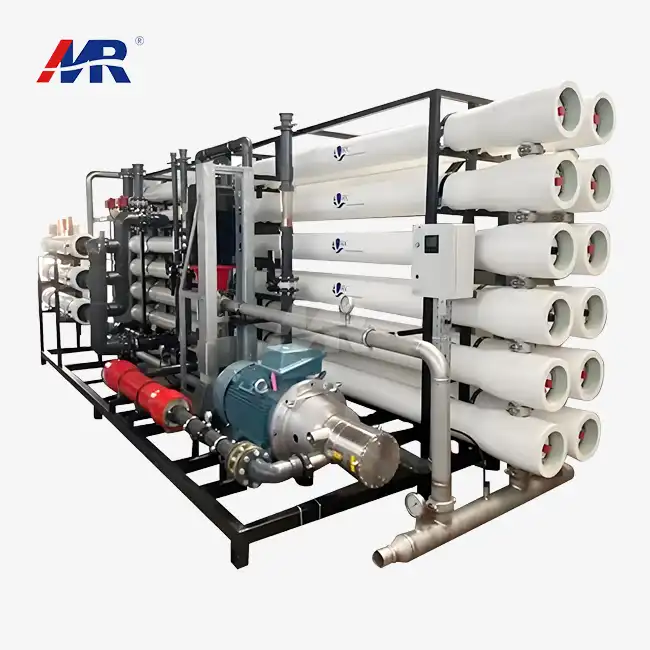
Understanding Seawater Desalination: Process and Technologies
Using complex technical methods, seawater can be turned into drinkable water. These methods have changed the way water is treated in many businesses. Modern distillation technology uses two main methods that have been shown to work well for making a lot of water.
Reverse Osmosis Technology
Today, reverse osmosis is the most common way that water treatment plants clean water. A lot of pressure, usually between 800 and 1,000 PSI, pushes seawater through semi-permeable barriers in this process. The barrier technology stops salt particles, minerals, and other pollutants from getting through, only letting water molecules through. High-pressure pumps create the force needed to overcome osmotic pressure, which makes separation work well. The amazing thing about modern RO systems is that they can remove more than 99.5% of the salt, which means they can be used to make medicines, electronics, and food.
Thermal Desalination Methods
Thermal methods are used to clean seawater, such as multi-stage flash distillation and multi-effect distillation. These methods heat seawater to make steam, which then turns into freshwater by condensing while leaving behind salt concentrates. Thermal ways are still useful in places that can get waste heat from power plants or factories, even though they use a lot of energy. Adding green energy sources to thermal desalination has made it more environmentally friendly, especially in coastal places with lots of sunlight.
Environmental Impact Management
Managing brine outflow is an important part of running responsible desalination operations. Modern facilities use special ventilation systems to mix concentrated saltwater with natural seawater before sending it into the ocean. This keeps the damage to marine environments to a minimum. Modern plants use brine crystallization systems and technologies that don't release any fluids into the environment to leave even smaller marks on the world while still getting useful minerals from waste streams.
Comparing Desalination Plants with Alternative Water Treatment Solutions
Professionals in procurement have to look at a number of different water treatment options in order to make smart investment choices that meet operating needs and stay within budget. There are different benefits to each technology that depend on the purpose and the location.
Energy Consumption Analysis
Most seawater desalination plant systems use only 3.5 to 4 kWh of electricity per cubic meter of water they create. This is a lot less than older heating methods, which needed 10-15 kWh per cubic meter. At 0.5 to 1.5 kWh per cubic meter, freshwater treatment plants use a lot less energy than wastewater treatment plants, which use 1.0 to 2.5 kWh per cubic meter. Desalination, on the other hand, makes sure that there is always water, even when weather trends and yearly changes make freshwater scarce.
Cost-Effectiveness Evaluation
Capital costs for desalination plants vary from $1,500 to $3,000 per daily capacity of cubic meters and depend on the size of the plant and the method chosen. Costs of doing business include replacing the membrane every 3–7 years, using chemicals for cleaning, and paying for energy. Lifecycle return on investment estimates show that as groundwater sources become less common and shipping costs rise, desalination becomes more cost-effective.
Application-Specific Considerations
Different businesses have different standards for water quality that affect the choice of technology. Ultrapure water with a conductivity below 1 µS/cm is needed in the pharmaceutical and technology industries. This can be achieved by combining RO with electrodeionization. For making food and drinks, the quality must always meet FDA standards. However, partly cleaned brackish water can be used for watering in agriculture. Applications from cities put an emphasis on dependability and the ability to produce a lot of things to meet the wants of a wide range of people.
Enhancing Desalination Plant Performance and Efficiency
To be operationally excellent in desalination, you need to deal with typical problems and use cutting-edge technologies that improve performance and lower costs over the whole lifespan. By understanding these factors, you can make better decisions about buying and ensure long-term business success.
Addressing Operational Challenges
Membrane fouling is the main operating issue that affects how well the plant works and how much it costs to maintain. Biological pollution happens when microorganisms stick to the surface of membranes, and scaling happens when minerals like calcium carbonate and others build up. These problems can be avoided by using pretreatment systems that include multimedia filtration, activated carbon, and antiscalant doses. Cleaning the membrane regularly with approved chemicals restores function without harming the membrane's structure.
Energy consumption optimization involves implementing pressure recovery systems that take energy from brine streams, reducing overall power requirements by 20-30%. Variable frequency drives on pumps allow precise flow control while minimizing energy waste during low-demand periods. Smart control systems monitor performance parameters continuously, adjusting operations automatically to maintain optimal efficiency.
Maintenance Best Practices
Preventive repair plans make sure that equipment lasts a long time and that the water quality stays the same. Some important practices are checking high-pressure pumps on a daily basis, keeping track of when membranes need to be replaced, and calibrating chemical pumping systems. Using sound analysis and thermal images, predictive maintenance technologies find problems with equipment before they stop production. When you handle your spare parts collection well, you can avoid long periods of downtime while replacing important parts.
Renewable Energy Integration
Adding solar power has become a real possibility for lowering costs and protecting the Earth. Photovoltaic systems can provide 40 to 60% of the energy needed during the day, and battery storage systems make sure that the system stays running during times of high demand. Wind power works well in seaside areas where the wind blows in the same direction all the time. Hybrid green systems that use more than one energy source to make electricity are stable and leave much smaller carbon traces.
Procurement Insights: Choosing the Right Desalination Plant Supplier and Solution
To choose the right equipment providers for a seawater desalination plant, you need to carefully look at their professional skills, customer service, and the possibility of a long-term relationship. Procurement tactics that work rely on full-service providers that know what the needs of the business are.
Supplier Evaluation Criteria
Leading manufacturers show that they have a good track record by using case studies and customer examples from a wide range of businesses. Technical knowledge includes membrane technology, the ability to integrate systems, and unique building services. Manufacturing quality standards, such as ISO 9001 approval and following international rules on water quality, make sure that equipment works reliably. Response times for technical help and emergency fixes are affected by where the service is provided.
Turnkey Solution Benefits
Full turnkey solutions include designing the system, supplying the tools, supervising the installation, and completing the system. This method makes project management easier and makes sure that all system parts work together. Single-point responsibility makes it easier to coordinate and makes it clear who is responsible for meeting performance promises. Training programs for operating staff make sure that the system is run and maintained correctly from the start.
Technology Innovation Leadership
Advanced seawater desalination plant makers put a lot of money into research and development to make their machines work better and cost less. New inventions include high-rejection membranes that work at lower pressures, materials that don't rust and make tools last longer, and smart tracking systems that help improve performance in real time. Smart control algorithms and energy recovery devices are cutting-edge innovations that have a big effect on practical costs.
Future Trends and Strategic Considerations in Desalination
The desalination business is always changing because of new technologies and shifting market needs caused by worries about water shortages and environmental rules. To make sure that investments are worth it in the long run, strategic buying choices need to take these new trends into account.
Emerging Technologies
Using natural osmotic pressure differences to lower energy needs is a hopeful new idea called forward osmosis. Membrane distillation uses both heat and membrane methods to deal with difficult feedwater. Traditional RO systems use more energy than electrodialysis systems, which means they might not work well with salty water. In the coming years, these changes should make things much more efficient and cut costs by a lot.
Market Dynamics and Regulations
More strict rules about the environment mean that we need to get better at managing salt and using energy more efficiently. Standards for water quality are always changing, and for commercial uses, they need higher amounts of purity. Sustainable desalination projects can be made possible by government rewards for using green energy. When it comes to choosing a provider, international trade laws affect how much equipment costs and how technology is shared.
Investment Strategy Recommendations
When making long-term investments, flexible systems that can be expanded as demand rises should be given top priority. Because plants can use different types of feedwater, they can handle seawater, brackish water, or wastewater, based on what is available and how much it costs. Smart infrastructure investments, like remote tracking and predictive analytics, make things more reliable and lower running costs at the same time. Partnership deals with tech companies make sure that you can get the newest Products and ongoing expert help.
Modern seawater desalination plant options, like Morui's 8 m³/hour system, show that small, effective designs can be used in a wide range of settings, from offshore bases to beach vacations. With a capacity of 8 cubic meters per hour, a power consumption of 3.5 to 4.0 kWh/m³, and a salinity removal rate of over 99.5%, these systems reliably produce water for a wide range of urban and commercial uses.
Conclusion
Modern desalination technology has turned seawater into a reliable source of freshwater for businesses all over the world. This is a result of advanced technical answers to important water security problems. The change from heating methods that used a lot of energy to reverse osmosis systems that use little energy shows how far technology has come. Choosing the right suppliers, focused on tried-and-true brands with full support services, is the key to a good project and long-term business success. As the world's water shortage gets worse, more and more money is being put into seawater treatment plants. These systems are important for long-term growth. Companies that make strategic decisions about what to buy by looking at future technology trends and government rules can continue to be successful in a world that is running out of water.
FAQ
1. What is the typical lifespan of a seawater desalination plant?
Modern desalination plants can work well for 20 to 25 years if they get regular repair and have their equipment updated. Major parts, like membranes, need to be replaced every 3 to 7 years. Pumps and control systems, on the other hand, can last for 10 to 15 years. Regular upkeep and replacing parts when they break down make sure that the plant works well for as long as it is operating.
2. How much space is required for a commercial desalination system?
Space needs are very different depending on how much is being made and how the system is set up. Including the pretreatment tools, small modular units that can make 8 m³/hour usually need 20 to 40 square meters. For full facilities like intake towers, treatment buildings, and holding tanks, larger city systems may need several acres.
3. What water quality standards can desalination plants achieve?
With total dissolved solids below 500 mg/L, modern reverse osmosis systems always make water that meets WHO standards for drinking water. Through extra cleaning steps, advanced systems get to a level of purity that is good enough for medicinal use, with conductivity below 10 µS/cm. Industrial users can set their own quality standards based on the needs of the process.
Contact Morui for Your Seawater Desalination Plant Needs
With our cutting-edge seawater desalination plant options, Morui Environmental Technology is ready to help you with your water treatment problems. Our 8m³/hour system is made to be strong and use little energy. It is used on offshore platforms, seaside sites, and city projects all over the world. With more than 500 trained workers, 20 experienced engineers, and a wide range of manufacturing skills, we offer complete solutions, from the initial design to ongoing maintenance. Our flexible design makes it easy to set up and add on in the future, and our advanced membrane technology makes sure that the output is always of high quality. Get in touch with us at benson@guangdongmorui.com to talk about your needs and find out why top companies trust Morui as their provider of seawater desalination plants.
References
1. Global Water Intelligence. "Desalination Market Analysis: Technology Trends and Regional Development." Water Technology Journal, 2023.
2. International Desalination Association. "Energy Efficiency Guidelines for Seawater Reverse Osmosis Plants." Technical Report Series, 2024.
3. Environmental Protection Agency. "Guidelines for Environmental Impact Assessment of Desalination Facilities." Federal Register Documentation, 2023.
4. American Water Works Association. "Membrane Technology Standards for Municipal Water Treatment." Technical Standards Manual, 2024.
5. World Health Organization. "Water Quality Guidelines for Desalinated Water Systems." Public Health Report, 2023.
6. Journal of Membrane Science. "Advances in Reverse Osmosis Membrane Technology for Industrial Applications." Academic Research Publication, 2024.
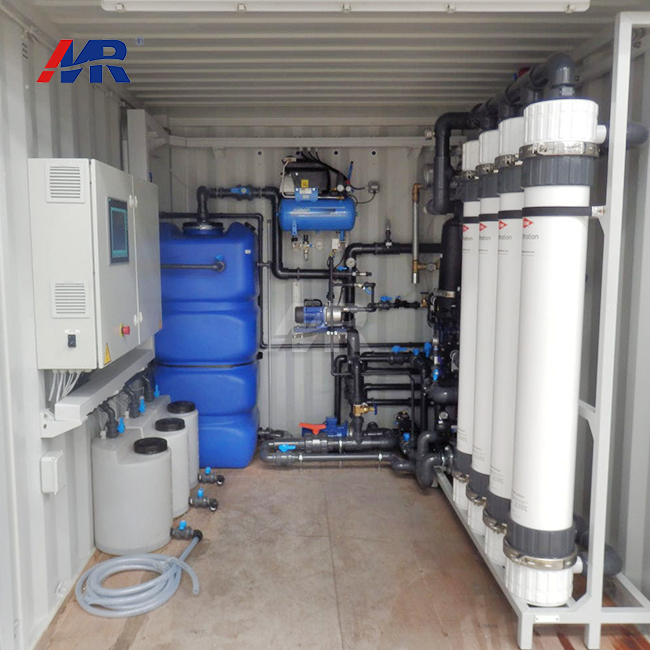 VIEW MOREcontainerized ultrafiltration equipment
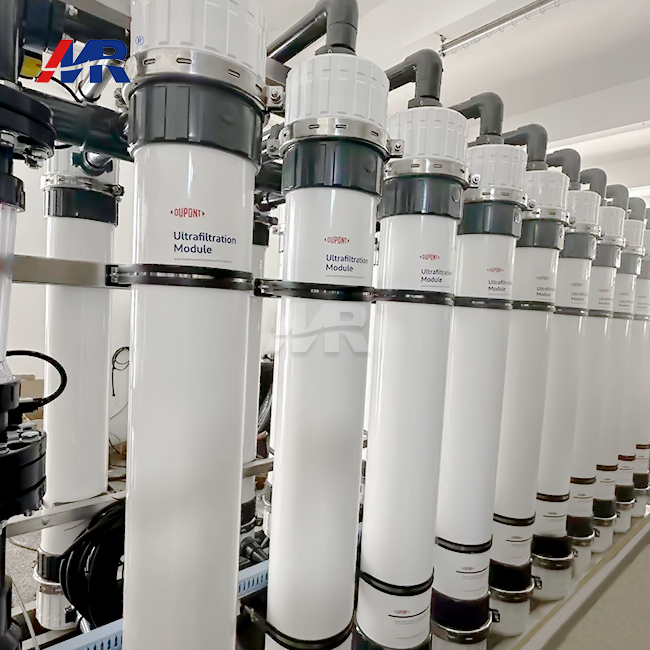 VIEW MOREultrafiltration water treatment system
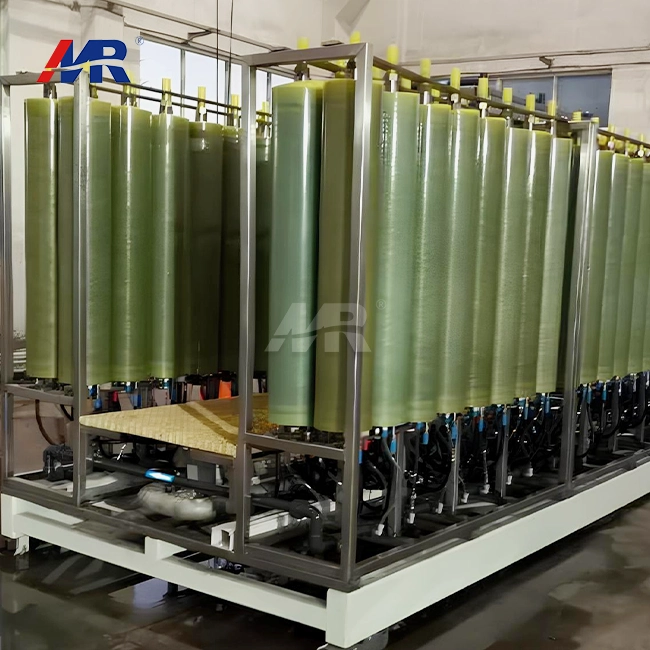 VIEW MOREDTRO for Wastewater Treatment
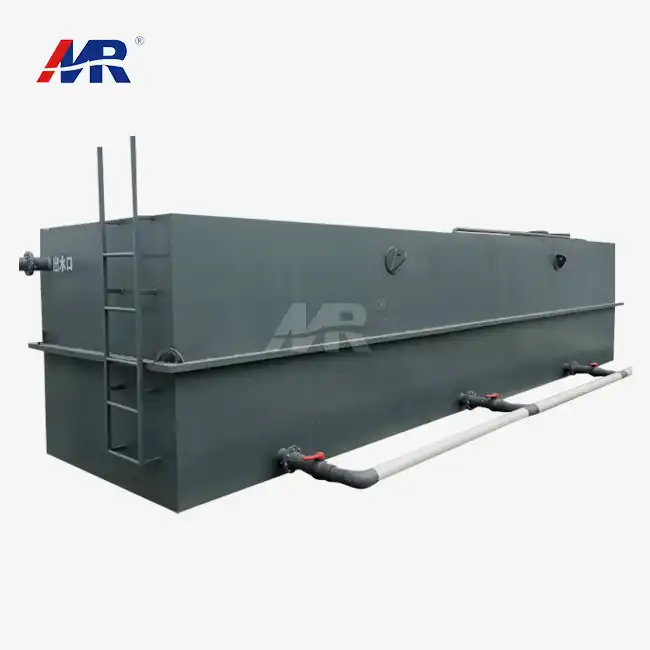 VIEW MOREportable wastewater treatment plant
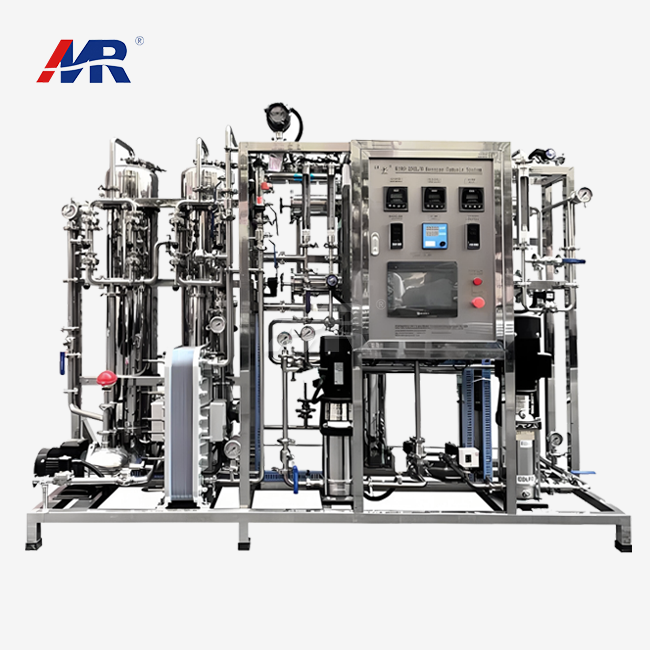 VIEW MORE1000LPH EDI plant
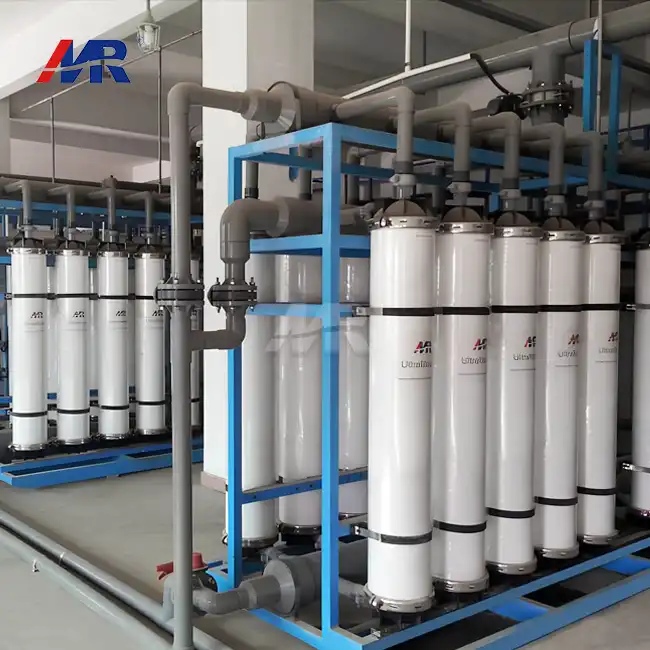 VIEW MORE20m3/hour ultrafiltration equipment
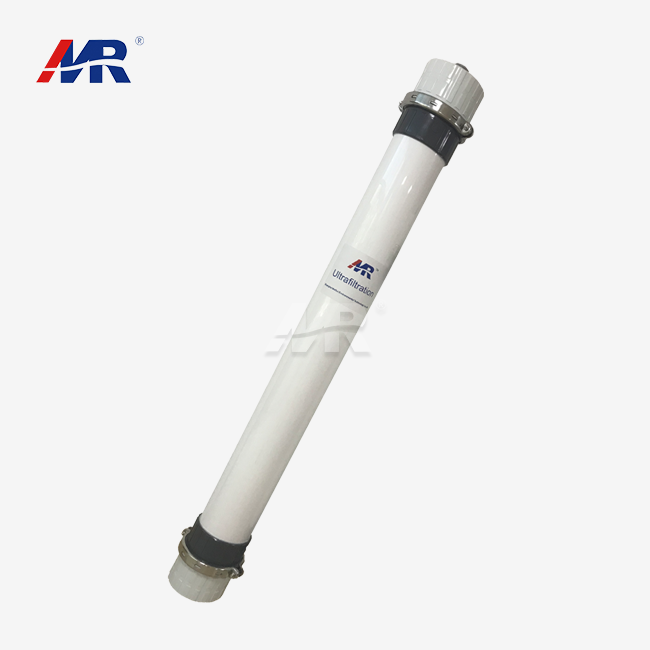 VIEW MOREultrafiltration membrane for wastewater treatment
 VIEW MORE200m3/hour ultrafiltration equipment
