_1745823981883.webp)

What is the process of desalination?
The desalination process transforms saline water into fresh, potable water through advanced separation technologies. This critical water treatment method removes dissolved salts and minerals from seawater or brackish water, producing clean water suitable for drinking, industrial applications, and agricultural use. The process typically involves five main stages: seawater intake, pre-treatment, membrane filtration or thermal distillation, post-treatment, and brine management. Understanding these fundamental steps helps procurement professionals evaluate equipment specifications and operational requirements for their specific industrial needs.
Understanding the Desalination Process
Desalination technology is more important for business, government, and industry because more than 2 billion people around the world don't have enough water. During the desalination process, salty water is separated from minerals, and other impurities and dissolved salts are removed. This leaves behind fresh water that can be used.
Sequential Stages of Water Desalination
The steps taken to turn salty water into drinking water are carefully thought out. Fresh water from ocean sources is brought into seawater entry systems. These systems are usually at least five meters deep to keep the water clean at the top. It has about 37,000 milligrams of salt, which is the same amount of salt as one teaspoon in a glass of water.
During pre-treatment, particles, dissolving solids, and living things that could harm equipment further down the line are taken out. So that the water is better before it goes into the main process, different kinds of filters are used in this step. These include sand filters, capsule filters, and chemical treatment systems.
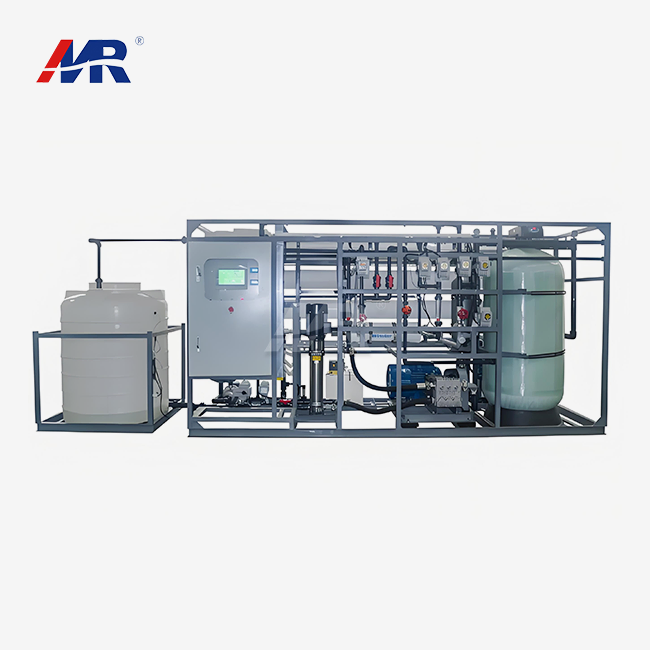
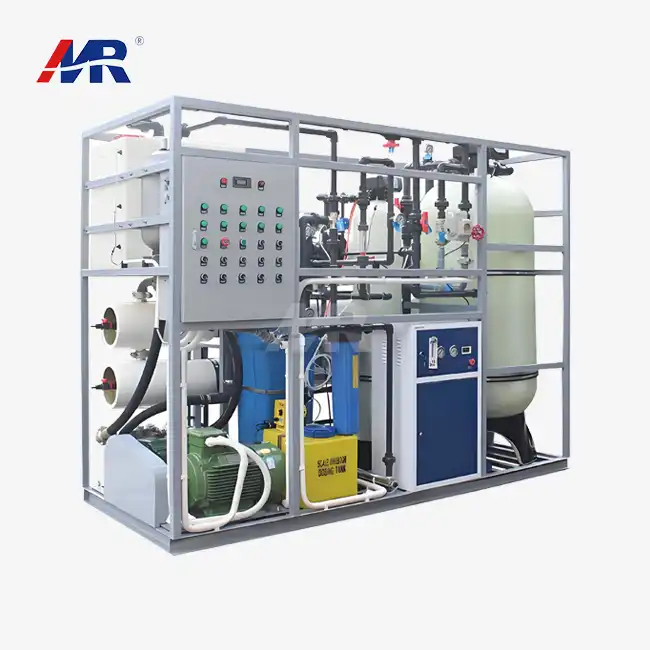
In the core separation step, either membrane technology or steam distillation is used to get the fresh water out of the salty solution. Water that has already been cleaned is pushed down by high-tech pumps. In this way, it gets through walls that only let water molecules through but not salt ions or other toxins.
Seawater versus Brackish Water Treatment
Ocean water has more salts than fresh water (35,000 to 45,000 parts per million total dissolved solids), so it takes more work to use. Pressures must reach 800 to 1,000 pounds per square inch in order to get past the osmotic pressure and get good water collection rates.
Brackish water can be used to clean water with a lower salt level, usually between 1,000 and 10,000 parts per million. This means that not as much work and energy is needed. This difference makes a big difference in how people who buy tools pick them, how much energy they need, and how much it costs to run them.
Key Desalination Technologies and How They Work?
Water treatment today mostly comes in two main types: systems that use membranes and systems that use heat to separate the water in the desalination process. Each way has its own pros and cons, depending on what the plant needs, how much energy is available, and how good the water is.
Reverse Osmosis Membrane Technology
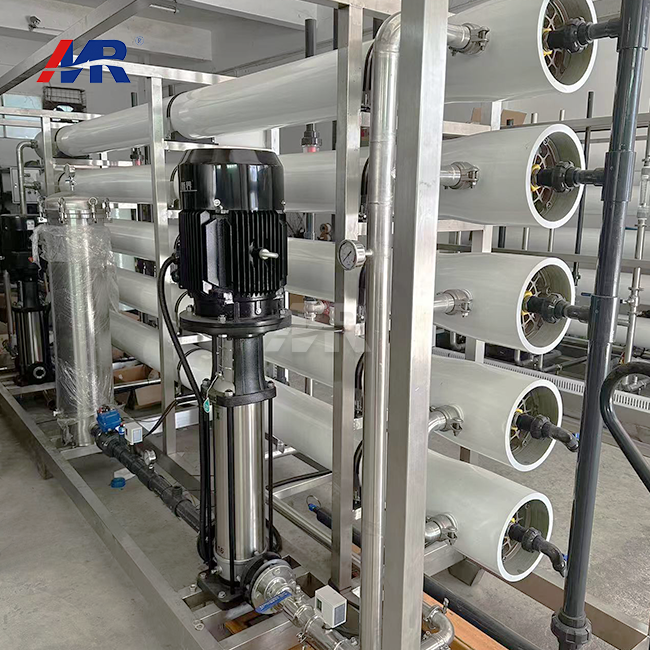
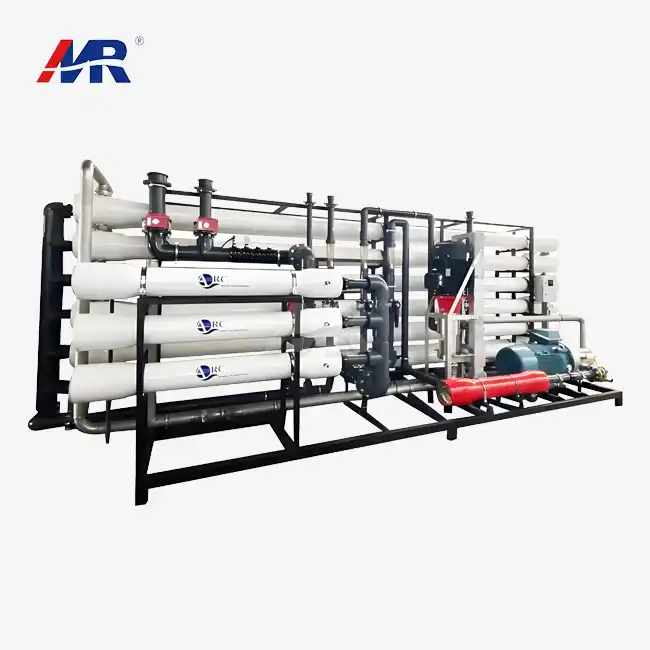
Most of the time, reverse osmosis is used to clean ocean and salty water with membranes. Under pressure, the device forces water through barriers that are only partly permeable and have holes about 0.0001 microns wide. Molecules of salt can't get through the membranes, but water can.
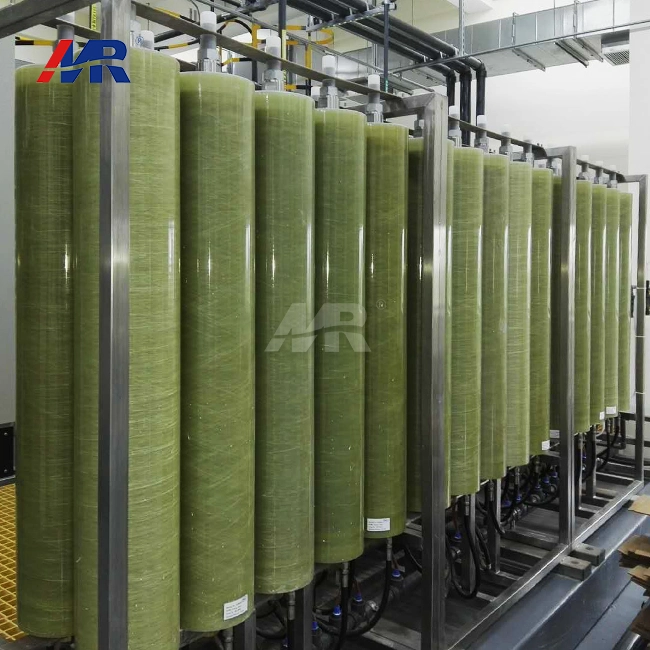
For ocean use, osmotic pressure needs to be between 55 and 70 bar. High-pressure pumps are needed to get past this. These days' membrane materials, such as polyamide thin-film composites, can keep out more than 99.5% of salt while still being able to withstand strong pulling forces.
There are gadgets that use pressure energy from the concentrate stream to cut down on the total amount of power used by 35 to 60%. Some of the parts of these systems that make them work much better are pressure exchanges, turbochargers, and energy return engines.
Thermal Distillation Methods
Different amounts of heat are used in multi-stage flash distilling to get rid of seawater. To make flash evaporation happen, the pressure is lowered in a number of rooms after the seawater is boiled to about 120°C. So, the air changes back into fresh water, leaving behind a lot of salt.
This type of distillation works at lower temperatures, as the gas from the previous stage heats the next stage. This swirling method is great for places with a lot of waste heat or steam sources because it makes the best use of heat.
Emerging Innovation Technologies
For forward osmosis to work, strong draw solutions are used to move water across membranes instead of hydraulic pressure. It takes less energy, and dirt doesn't stick to the membrane as much with this method, but it's still not widely used in industry because it's hard to get back the drawn solution.
Solar heat, photovoltaic, and wind power can all be mixed with desalination devices to make it possible. In rural places where grid power is hard to get or costs a lot, these combination setups save money and reduce pollution.
Comparing Desalination with Other Water Treatment Methods
Different types of water treatment are used for different things based on the cost, the goals of the treatment, and the quality of the well water. When buying, teams know the difference between these types of choices, they can pick the best ones for their business.
Conventional Filtration versus Desalination
Salt filtration, activated carbon adsorption, and chlorination are some old methods for cleaning water that are still good at getting rid of bacteria, chemicals, and solids in the water. On the other hand, these technologies can't handle minerals and salts that break down in salty water.
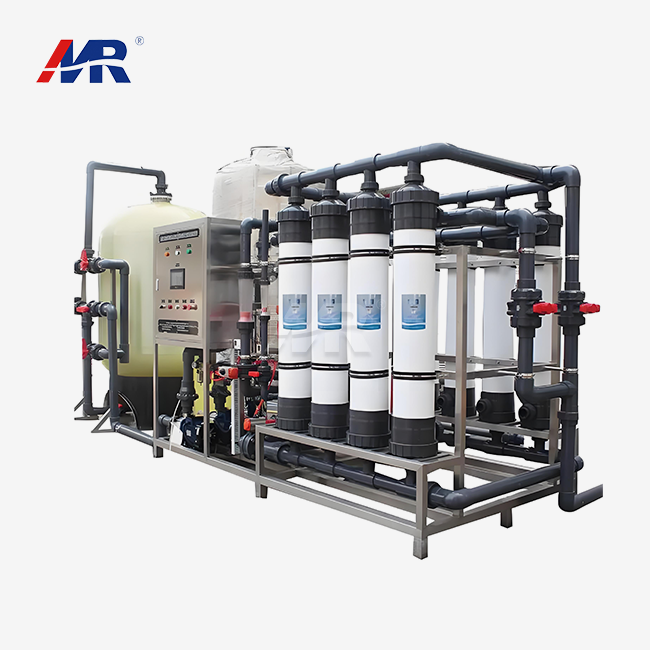
Both ultrafiltration and microfiltration screens clean the water by getting rid of germs, viruses, and particles. However, they let salts that have been dissolved pass through. These technologies aren't usually used on their own to deal with salty water. Instead, they are used as the first steps in bigger systems that treat water.
Some ions are taken out of water by ion exchange resins, but they can't be used in places with a lot of salt because they need to be renewed often, which uses a lot of chemicals. This is the reason why ion exchange can't be used to clean saltwater.
Energy Consumption and Operational Cost Analysis
The desalination process through reverse osmosis normally needs 3 to 4 kWh per cubic meter of generated water for saltwater-related tasks. If the systems are well put together, high-tech energy recovery systems and pumps can lower this use to as little as 2.5 kWh/m³.
It takes 50 to 80 kWh per cubic meter of power to heat thermal distillation, which makes it less energy-efficient than membrane systems. Thermal processes can compete, though, if they can get cheap steam or heat that has been used up in factories or power plants.
Selection Criteria for Industrial Applications
How much power the company needs has a big impact on the technology that is chosen. Because it is cheap and simple to use, thermal distillation is often picked for big city projects that need more than 50,000 m³/day. When used by a small business, modular reverse osmosis systems that can be expanded in different ways tend to work best.
Based on the standards for water quality, the right amounts of cleaning are found. Companies that work with technology and drugs need water that is very clean and has a conductivity of less than 1 µS/cm. This means that purification alone isn't enough to make the water better; extra steps are needed. The main goal of projects to give water to cities is to keep prices as low as possible while still meeting standards for drinking water.
Procurement Insights: Choosing the Right Desalination Equipment and Partners
To buy tools successfully, you need to pay close attention to the technical details, the skills of the seller, and their long-term support claims. It is easier to make a choice when you know the important performance factors and the skills of the providers. This also ensures that the project gets the best results.
Critical Equipment Specifications
Which membrane you use makes a big difference in how well the system works and how much it costs to run. They can be used in most business settings because they have a lot of surface area for how small they are. It is possible for hollow fiber forms to be very strong, but they need specific rules for keeping them from sticking.
The amount of product water made is balanced with the cost of getting rid of the concentrate through recovery rate optimization. The rate of healing in systems with seawater is usually between 40 and 45%. Recovery rates in brackish water systems can be anywhere from 75% to 88%, depending on the feed water quality and the rules for releasing the concentrate.
How much something costs to run over its whole life is directly related to how much energy it uses. For systems that work with salt water, look for ones that use less than 3.5 kWh/m³ of energy. For systems that work with fresh water, look for ones that use less than 1.5 kWh/m³.
Modular Design and Scalability Considerations
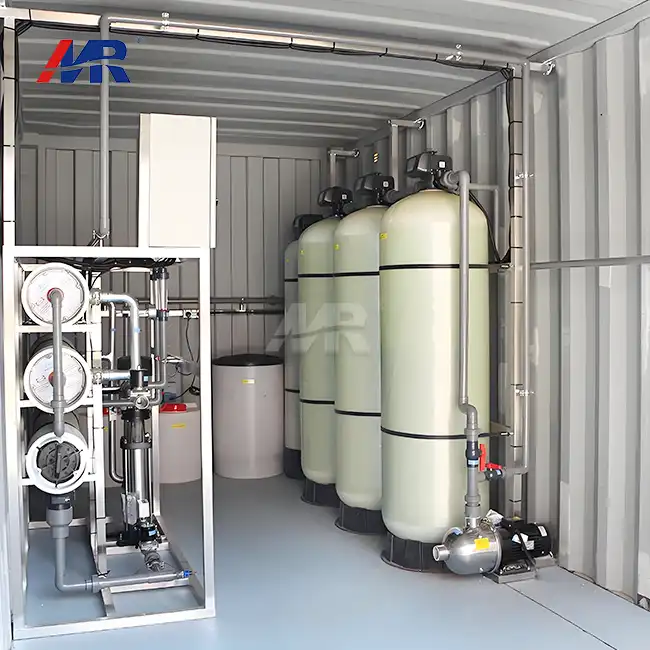
Because it is a flexible device, the capacity can grow in stages to meet the needs of more water. Standard containerized units that can hold 100 to 5,000 m³/day make it simple to set up quickly and grow in the future without having to make big changes to the infrastructure.
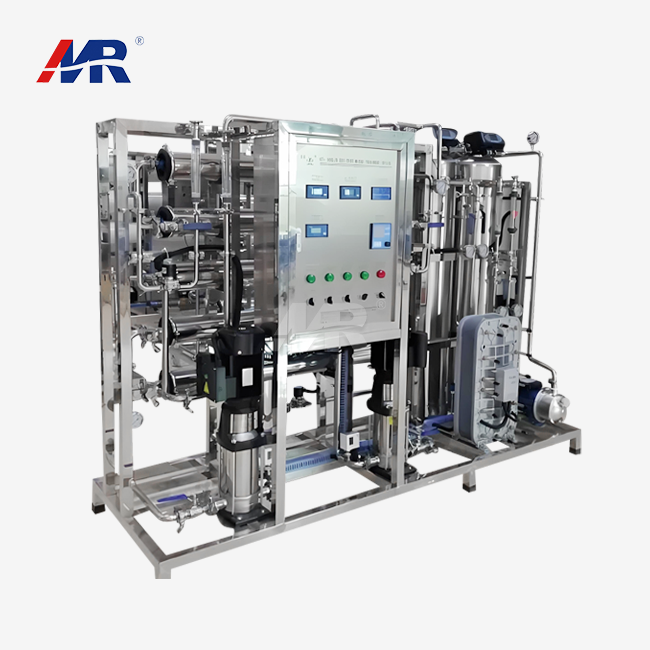
Automated control systems simplify tasks and cut down on the need for staff. Modern process control programs figure out how to clean membranes, get energy back, and give chemicals in the best way to keep equipment in good shape and make it last longer.
With remote tracking, you can keep an eye on many sets from one place. This makes the system more stable and saves money on repairs. Tools in the cloud let sites that are spread out plan ahead for repairs and make things run more smoothly.
Cost Structure and Budget Planning
The costs of getting tools, setting them up, and turning them on are all part of capital spending. Seawater desalination plants usually need between $1,000 and $3,000 per m³/day of capacity. This depends on the spot, the quality of the water that needs to be desalinated, and the level of technology that is needed.
Things like changing filters, using chemicals, and doing maintenance work are all part of operating costs. Energy costs make up 40 to 60 percent of all running costs, so designs that use less energy are necessary for the economy to stay alive in the long term.
Turnkey project delivery makes it easier to buy things by putting together planning, supply, installation, and testing all in one contract. This method makes it clear to the end user what the costs and duties are, and it also cuts down on the project management work they need to do.
Why Trust Leading Brands for Your Desalination Solutions?
Top makers always come up with new ideas, keep an eye on quality, and offer expert support to support their market positions. Research and development is where new technologies, such as the desalination process, that work better and last longer come from. Big brands spend a lot of money on this.
Proven Technology and Performance Track Record
The best membrane manufacturers have tested their Products in tens of thousands of locations around the world to get a lot of information about how they work and make sure they do a good job. Now that we know this, we can make better goods that work better in the real world and fix problems.
The membranes' quality and efficiency are always the same because they are tested in a lot of different ways. There aren't many mistakes in modern workplaces because they have quality control systems and automatic production lines that make sure standard limits are met, even when a lot of things are being made.
Third-party approval from organizations such as NSF International and the Water Quality Association gives you peace of mind about a product's safety and performance. In many ways, these certificates show that you follow the rules and guidelines set by your company.
Innovation and Future-Proofing Capabilities
It's always being looked into how to make membranes last longer, use less power, and get clogged up less often. One new idea is low-pressure screens, which still reject a lot of salt but use 15 to 20 percent less energy than older versions.
Nanotechnology and ideas that are based on how biological systems work are used to make new barrier materials. These new developments should make things work better and make them less likely to break down chemically or get clogged with bacteria.
As part of attempts to digitize, methods for artificial intelligence and machine learning are built into the way systems work and are fixed. With predictive analytics, you can plan and improve maintenance ahead of time because problems are found before they hurt performance.
Comprehensive Support and Service Networks
Global service networks ensure quick response times and expert help in the area, no matter where the installation is based. Authorized service partners train workers who can do both regular maintenance and fixes in case of an emergency. They also keep extra parts on hand.
Facility managers go through training programs that teach them the information and skills they need to run the system well. You can learn the basics of the process, how to fix problems, and the best ways to take care of tools so that they work well and last as long as possible in a full course.
Technical consulting services help plan for system growth, make the system more efficient, and make it work better all around. Throughout the life of a product, experienced engineers give it help to make sure it keeps working well and find ways to make it even better.
Conclusion
Businesses, towns, and industries are all affected by worries about not having enough water. One important thing that can help is the desalination process. Modern technologies like reverse osmosis and steam distillation can consistently turn salty water into high-quality fresh water. To get the best performance and reliability over time, it's important to think carefully about the technology options, equipment specs, and skills of the seller when buying something. People can make smart choices that balance business needs with economic goals when they know how much energy is used, how quickly it is restored, and how it can be scaled up or down.
FAQ
1. How energy-efficient is modern desalination technology?
These days, reverse osmosis systems can use as little as 2.5 to 3.5 kWh of energy per cubic meter of product water. This is possible with better energy recovery devices and high-efficiency pumps. Thermophysical methods need a lot more power if you don't have access to sources of waste heat. Energy recovery systems are able to get back up to 95% of the pressure energy in concentrate streams. This cuts down on the power needed by a lot.
2. What factors influence desalination technology selection?
Some of the most important things to think about when making a choice are the source of water, salt, the quality of the water that is needed, the plant's capacity, the cost of energy, and the rules that protect the environment. Because it uses less energy, reverse osmosis is generally better for saltwater. Thermal methods, on the other hand, work better in places where there is a lot of waste heat. When a business wants to grow, modular designs are helpful because they let the business grow in stages.
3. How do environmental considerations affect system design?
Brine removal rules shape how systems are built and how much they cost to run in a big way. By using concentrated release, local rules about salt, temperature, and chemical make-up must be met. Though zero liquid release systems get rid of the need to dump brine, they are more difficult to clean and use more power. Carbon emissions go down when you use more green energy, and your long-term costs might go down too.
4. What maintenance requirements should be expected?
Every 5 to 7 years, depending on the quality of the feedwater and how the system is used, the membranes should be changed. Membranes work well between fixes as long as they are cleaned regularly with chemicals that are safe. Preventive maintenance includes things like checking the pumps, fixing the valves, and fine-tuning the control system. Automated systems keep an eye on key performance indicators and let workers know about any issues before they harm production.
Partner with Morui for Advanced Desalination Process Solutions
Guangdong Morui Environmental Technology brings over 14 years of expertise in water treatment engineering, specializing in comprehensive desalination process solutions for industrial and municipal applications. Our advanced reverse osmosis systems deliver capacities from 1,000 to 100,000 m³/day with energy consumption as low as 3 kWh/m³ and recovery rates up to 45%. With 20 experienced engineers, our own membrane manufacturing facility, and partnerships with leading brands, we provide complete turnkey solutions, including consultation, custom design, installation, and ongoing maintenance support. Contact our desalination process supplier team at benson@guangdongmorui.com.
References
1. Al-Karaghouli, A., & Kazmerski, L. L. (2013). Energy consumption and water production cost of conventional and renewable-energy-powered desalination processes. Renewable and Sustainable Energy Reviews, 24, 343-356.
2. Elimelech, M., & Phillip, W. A. (2011). The future of seawater desalination: energy, technology, and the environment. Science, 333(6043), 712-717.
3. Jones, E., Qadir, M., van Vliet, M. T., Smakhtin, V., & Kang, S. M. (2019). The state of desalination and brine production: A global outlook. Science of the Total Environment, 657, 1343-1356.
4. Qasim, M., Badrelzaman, M., Darwish, N. N., Darwish, N. A., & Hilal, N. (2019). Reverse osmosis desalination: A state-of-the-art review. Desalination, 459, 59-104.
5. Panagopoulos, A., Haralambous, K. J., & Loizidou, M. (2019). Desalination brine disposal methods and treatment technologies - A review. Science of the Total Environment, 693, 133545.
6. Voutchkov, N. (2018). Energy use for membrane seawater desalination - current status and trends. Desalination, 431, 2-14.