_1745823981883.webp)

Sustainable Landfill Leachate Treatment Using Advanced Membranes
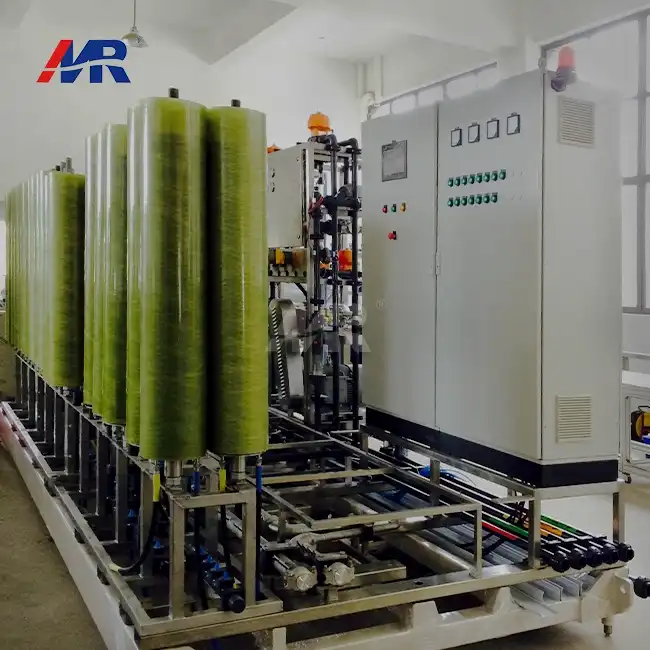
Sustainable landfill leachate treatment represents one of the most complex environmental challenges facing modern waste management facilities. Traditional treatment methods often fall short when dealing with the intricate mixture of organic compounds, heavy metals, and ammonia found in landfill runoff. Advanced membrane technologies, particularly those integrated into modern Landfill Leachate Treatment Plant systems, offer revolutionary solutions that achieve superior pollutant removal while enabling water reuse and significantly reducing environmental impact. These sophisticated systems utilize membrane bioreactors (MBR), ultrafiltration, and reverse osmosis to transform contaminated leachate into compliant, reusable water that meets stringent regulatory standards.
Understanding Landfill Leachate and Its Environmental Impact
Leachate from landfills is one of the most difficult natural pollutants to deal with in garbage management. This dirty liquid is made when rainwater soaks through trash that is breaking down. It contains a lot of different pollutants that are both dissolved and floating and are very harmful to groundwater systems and the ecosystems around them.
Chemical Composition and Contamination Challenges
Leachate from landfills has a very different make-up depending on how old the trash is, the weather, and how the dump is built. Leachate from new dumps usually has a lot of organic compounds in it, while effluent from older landfills is mostly ammonia and organic chemicals that are hard to break down. Levels of chemical oxygen demand (COD) often go above 25,000 mg/L, and heavy metals like lead, mercury, and cadmium that are hard to treat are present.
Municipal solid waste dumps release runoff that mixes with groundwater and contains volatile organic compounds, medicine leftovers, and chemicals that mess with hormones. Studies show that runoff that isn't handled can pollute groundwater sources up to several kilometers away. This can affect the drinking water supplies of thousands of people living downstream.
Regulatory Framework and Compliance Requirements
Global governing systems are putting more and more strict limits on how much waste leachate can be released. The US Environmental Protection Agency says that most urban uses must have COD discharge levels below 100 mg/L. In the EU, guidelines say that concentrations of nitrogen compounds and heavy metals must be closely watched. Because of these rules, there is a high demand for advanced treatment methods that can work reliably in a range of operating situations.
The Resource Conservation and Recovery Act sets specific standards for tracking groundwater, which means that proactive leachate control plans are needed. If facilities don't meet these standards, they could be fined a lot or even be shut down, which shows how important it is to have effective treatment equipment.
Advanced Membrane Technologies in Landfill Leachate Treatment
Modern membrane technologies change the way leachate is treated at a landfill leachate treatment plant by mixing complex filtering systems with organic processes. With these combined systems, removal rates are higher than with traditional treatment methods, and the systems have small footprints that make them useful in a variety of operating settings.
Membrane Bioreactor Integration and Performance
Advanced leachate treatment relies on membrane bioreactors, which combine active sludge processes with ultrafiltration membranes to break down biological matter and separate it physically at the same time. This technology makes it possible for the quality of the runoff to stay the same even if the influent changes. This keeps operations stable even when leachate production changes with the seasons.
The biological part uses specific microbe communities that are well-suited to treating strong wastewater, and under ideal conditions, it can remove more than 95% of the organic matter. After biological treatment, membrane filtering gets rid of the suspended solids and bacteria while concentrating the biomass to make it more biologically active. This two-step process guarantees solid performance in a wide range of leachate types and operating problems.
Multi-Stage Membrane Filtration Processes
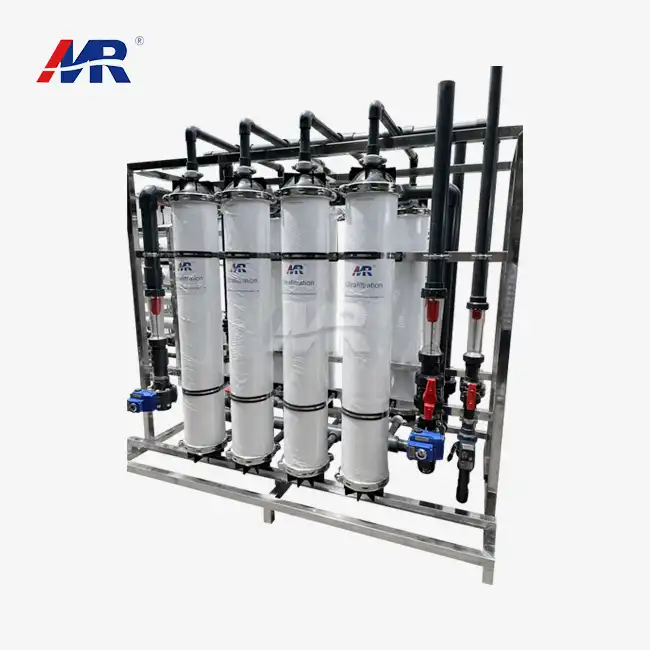
Sequential membrane technologies are used in advanced cleaning systems to deal with specific environmental problems. Ultrafiltration filters get rid of macromolecules and dissolved solids, making the feed water ready for reverse osmosis treatment further down the line. This method of pretreatment makes membranes last longer while keeping the quality of the permeate constant.
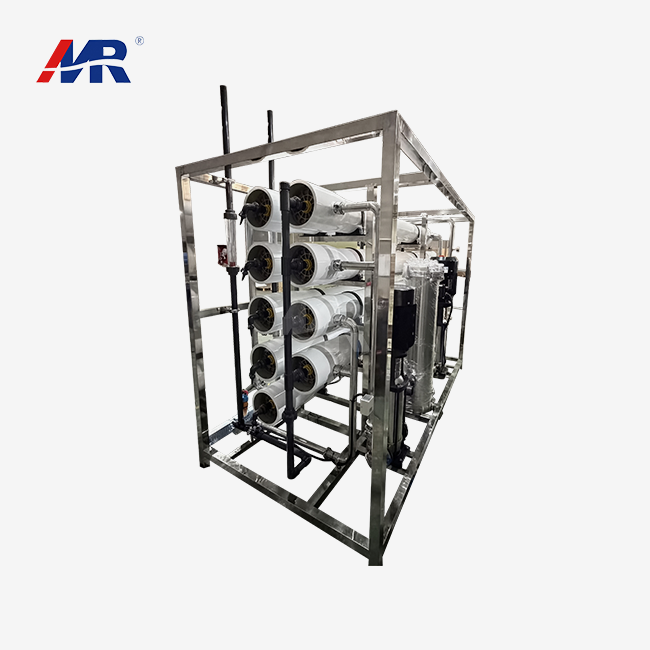
Reverse osmosis systems are very good at getting rid of dissolved contaminants, like heavy metals and organics that are hard for living things to break down. Modern landfill leachate treatment plant designs get recovery rates of 50 to 70%, which reduces the amount of concentrate and increases the amount of water that can be used again.
Evaluating and Selecting the Right Landfill Leachate Treatment Plant
To choose the right leachate treatment system, you need to look at a lot of factors, such as technical performance, practical needs, and long-term sustainability. Procurement pros have to find a balance between the urgent needs for care and the changing needs of regulations and operating flexibility.
Technical Performance Criteria and System Scalability
Effective methods for treating runoff work the same way, no matter what the conditions of the influent are, and they are easy to use. Key success factors include how well COD is removed, how fast it is recovered, how much energy it uses, and how resistant it is to membrane fouling. Systems that can handle COD levels of up to 25,000 mg/L give landfills the operating freedom they need for a wide range of tasks.
Modular system designs let you increase the system's capacity without making major changes to the infrastructure. This can be done to accommodate rising waste production or changes in the rules. Pre-assembled treatment skids make installation easier and make sure quality control is always in place by testing and approving them in the plant.
Operational Reliability and Maintenance Considerations
Modern treatment systems have automatic settings that change how they work based on tracking the water quality in real time. These smart systems make the best use of energy while keeping the quality of the waste high, which makes operations easier for people on site. Predictive maintenance can find problems before they happen, which cuts down on system downtime and upkeep costs.
Energy economy is a very important factor in the decision process. Modern systems can use as little as 2.8 kWh/m³ of energy thanks to their optimized hydraulic design and variable frequency drives. This efficiency means big financial savings over the lifetime of the machine and less damage to the environment.
Cost Analysis and Financial Considerations
Before putting money into a more advanced landfill leachate treatment plant, you should carefully consider the total cost of ownership, which includes the cost of the equipment, the cost of installation, and the long-term needs for operation. Schedules for replacing membranes and patterns of energy use have a big effect on daily budgets, so a full lifetime cost study is needed.
Facilities can get access to new technologies while keeping their cash flow in check with financing choices like leasing tools and performance-based contracts. A lot of the time, these deals include full support packages that make sure the system works well and give technical risk to service providers with a lot of experience.
Integrating Sustainable Practices and Compliance into Procurement
Along with meeting instant compliance requirements, sustainable buying methods focus on long-term environmental benefits. Modern technologies for treating leachate allow water to be used again in ways that lessen the need for freshwater while making useful leftovers from waste streams.
Environmental Impact Reduction and Resource Recovery
Advanced membrane technologies make it possible to collect all kinds of resources from sewage streams. This changes waste management from getting rid of trash to making resources. Producing clean water helps with on-site irrigation and commercial uses, which lowers the cost of water for the building and shows care for the environment.
The concentrated waste streams from membrane processes have useful nutrients that can be used to make fertilizer after the right cleaning. This circular economy method fits with companies' goals for sustainability and makes more money from trash byProducts.
Supplier Selection and Partnership Development
For leachate treatment projects to be successful, they need suppliers who have a lot of knowledge of difficult wastewater applications. When evaluating a vendor, you should look at their scientific knowledge, their ability to make things, and their full range of support services, such as training for operators and long-term repair support.
Performance promises that are part of partnership methods give investors in key infrastructure even more peace of mind. These agreements make sure that vendors are rewarded for business success and that customers can always get professional help throughout the lifecycle of a system.
Case Studies and Performance Verification of Advanced Membrane Systems
Real-world performance data shows that improved membrane technologies work well in a variety of waste settings. These case studies are very helpful because they show how the system works, what problems it faces, and the best ways to make it work.
Municipal Landfill Treatment Success Stories
A large urban dump set up a full dump Landfill Leachate Treatment Plant system using membrane bioreactor technology to handle 500 m³/day of strong leachate. The system consistently removed more than 98% of the COD, and the effluent quality was good enough to send to local wastewater treatment plants.
Over three years of operations, data showed that the system was very reliable, with uptime levels above 95% even when the input conditions were tough. The average amount of energy used was 3.2 kWh/m³, which is a lot less than other cleaning methods, while still producing better waste.
Industrial Waste Management Applications
Chemical factories make waste that is very complicated and needs special ways to be treated. Advanced membrane systems did a great job of getting rid of stubborn organics and heavy metals, meeting standards for direct release into the environment.
With recovery rates of 65%, the cost of getting rid of concentrates dropped a lot, and clean water was made that could be used again on-site. Within 18 months of starting up, this method of recovering resources showed a good return on investment.
Performance Optimization and Continuous Improvement
Installations that go well show how important it is to give operators thorough training and ongoing expert help. Systems that can be monitored from afar make it possible to plan preventative maintenance and improve performance by analyzing data in real time.
Continuous tracking systems keep an eye on how well membranes are working over time. This lets repair plans be planned ahead of time, which keeps operations running as smoothly as possible. These methods are based on data and find the best ways to use chemicals and energy while also making membranes last longer by setting them up in the best way.
Conclusion
Advanced membrane technologies are the way of the future for treating leachate from landfills in a way that is sustainable and effective, while also protecting the environment and recovering resources. Modern landfill leachate treatment plant methods are very good at getting rid of a wide range of contaminants while keeping things simple, which is important for long-term dependability. When membrane bioreactors, ultrafiltration, and reverse osmosis are all used together, they make complete treatment systems that can keep up with changing regulations and turn waste streams into useful products. When you invest in these technologies, you get instant safety benefits as well as long-term practical benefits like lower waste costs and the chance to reuse water.
FAQ
1. How do membrane bioreactors compare to traditional treatment methods?
When compared to regular activated sludge processes, membrane bioreactors are more efficient at treating wastewater because they keep higher biomass amounts and don't need to clarify the wastewater again. This technology produces consistent effluent quality even when the influent changes, and it does so in a small space, making it useful for uses that are limited in area.
2. What factors influence leachate treatment plant investment costs?
Complexity of the equipment, treatment capacity, amount of automation, and site-specific needs all have a big effect on capital investments. Ongoing operating costs include things like the amount of energy used, the frequency of membrane replacements, the chemicals used, and the need for repairs. A full lifecycle cost study helps people make the best financial choices and makes sure that the business will be able to keep running for a long time.
3. Can membrane systems be retrofitted into existing landfill facilities?
Modern membrane technologies have great promise for upgrading because they are made in flexible pieces that can be easily put together with existing infrastructure. Pre-assembled treatment skids make installation easier and allow for staged application methods that keep operations running while the system is being upgraded.
Transform Your Leachate Management with Morui's Advanced Treatment Solutions
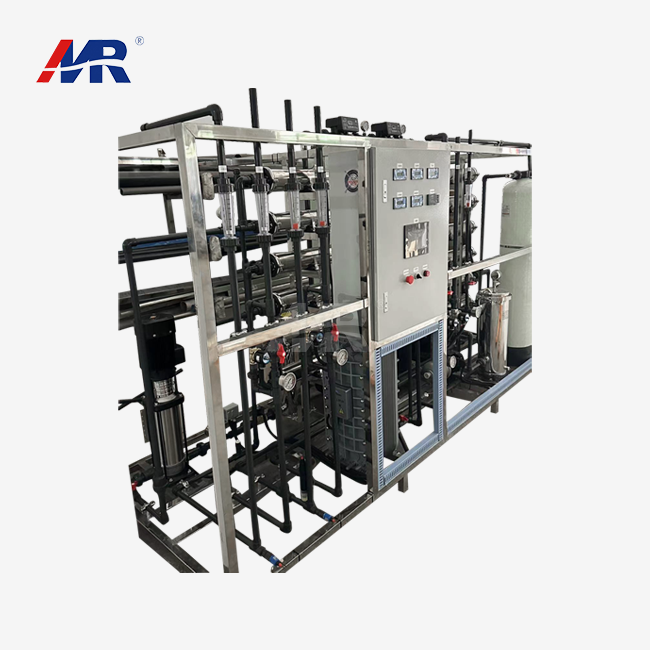
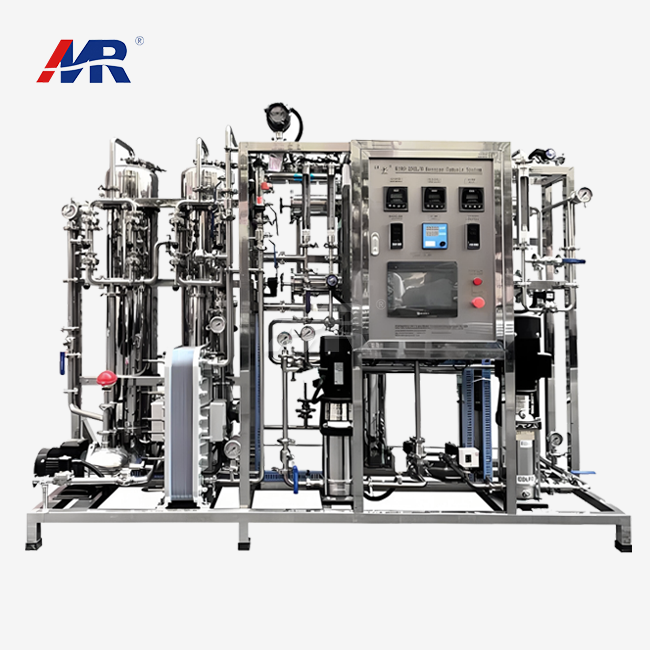
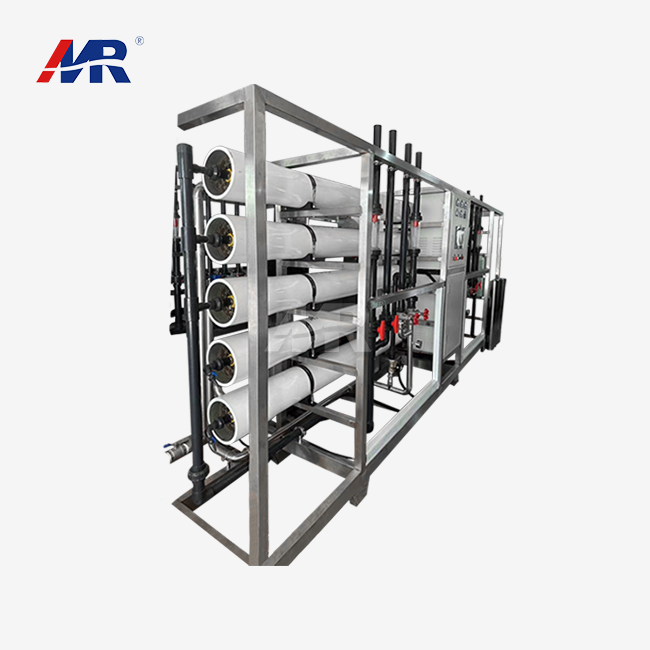
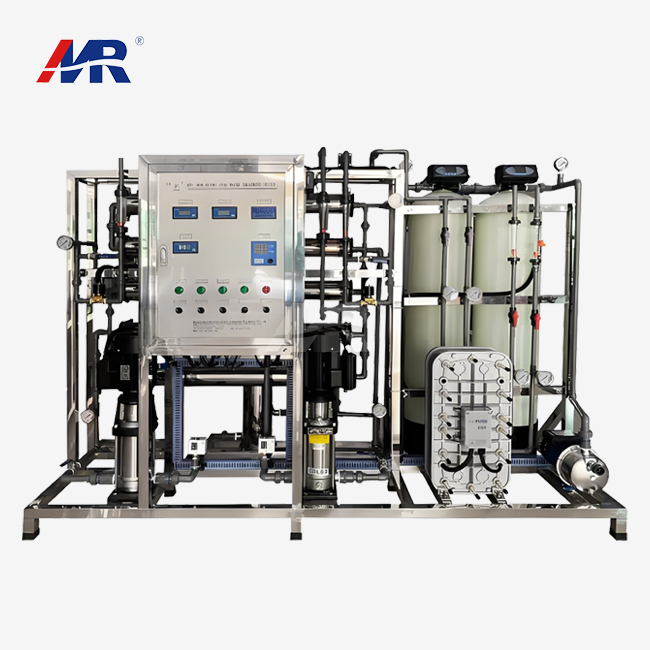
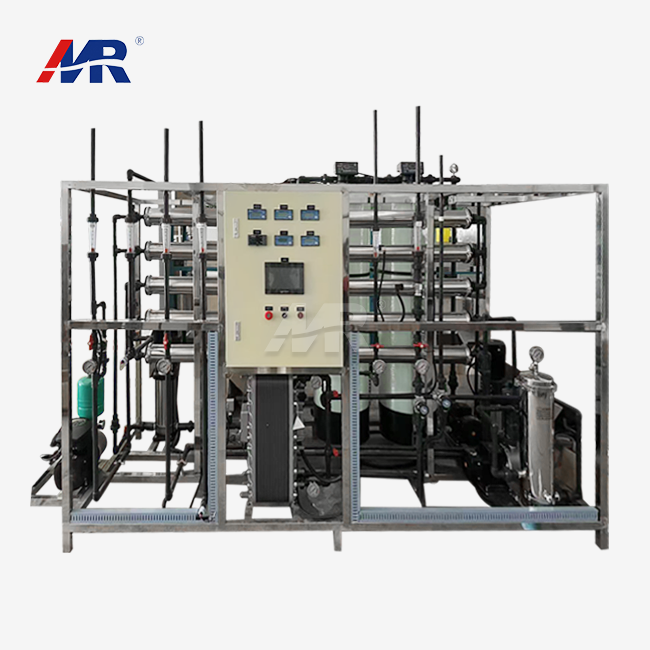
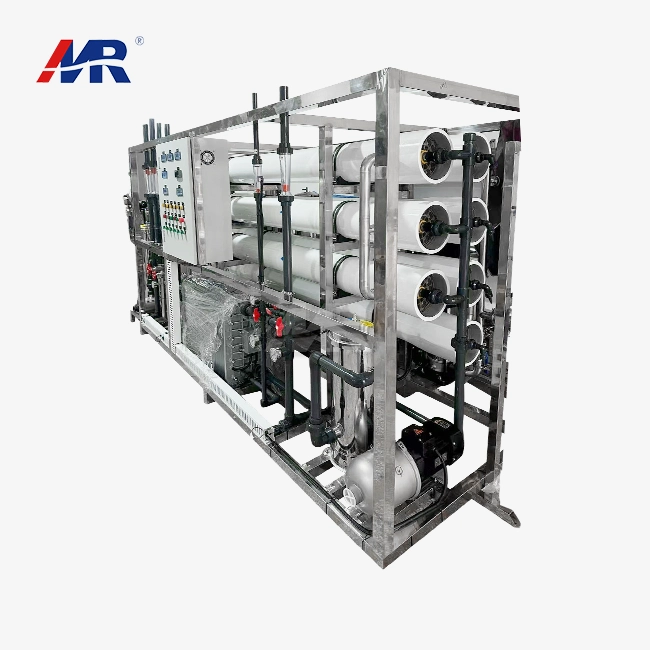
Guangdong Morui Environmental Technology can completely change the way you handle leachate by using cutting-edge membrane technologies that have been successfully used in many different industries. Our MR-DTRO-100TD Landfill Leachate Treatment Plant works very well, using only 75kW of power and recovering 50–70% of the energy it uses. It can handle COD levels of up to 25,000 mg/L very well. As a reliable company that makes waste leachate treatment plants, we offer complete solutions, from the initial inspection to long-term Technical support, to make sure that systems work at their best throughout their entire lifetimes. Our skilled engineering team can make designs that are special to your business needs and the rules that you have to follow. Email at benson@guangdongmorui.com to learn how our tried-and-true technologies can change the way you handle trash and help you reach your green goals.
References
1. Chen, W., Westerhoff, P., Leenheer, J.A., & Booksh, K. (2003). Fluorescence excitation-emission matrix regional integration to quantify spectra for dissolved organic matter. Environmental Science & Technology, 37(24), 5701-5710.
2. Renou, S., Givaudan, J.G., Poulain, S., Dirassouyan, F., & Moulin, P. (2008). Landfill leachate treatment: Review and opportunity. Journal of Hazardous Materials, 150(3), 468-493.
3. Torretta, V., Ferronato, N., Katsoyiannis, I.A., Tolkou, A.K., & Airoldi, M. (2017). Novel and conventional technologies for landfill leachates treatment: A review. Sustainability, 9(1), 9.
4. Wiszniowski, J., Robert, D., Surmacz-Gorska, J., Miksch, K., & Weber, J.V. (2006). Landfill leachate treatment methods: A review. Environmental Chemistry Letters, 4(1), 51-61.
5. Zhao, R., Gupta, A., Novak, J.T., Goldsmith, C.D., & Driskill, N. (2013). Characterization and treatment of organic constituents in landfill leachates that influence the UV disinfection in the publicly owned treatment works (POTWs). Journal of Hazardous Materials, 258, 1-9.
6. Zouboulis, A.I., Chai, X.L., & Katsoyiannis, I.A. (2004). The application of bioflocculant for the removal of humic acids from stabilized landfill leachates. Journal of Environmental Management, 70(1), 35-41.