

_1745823981883.webp)

Maintenance Tips for Most Efficient Reverse Osmosis Systems to Maximize Performance
To get the most out of your reverse osmosis system, you need to know that these complex water purification systems need to be taken care of in a certain way every time so they always give you good results. RO systems must be well taken care of in order for industrial and business buildings in the manufacturing, pharmaceutical, food processing, and local sectors to meet strict water quality standards. Regular maintenance tasks like replacing filters, cleaning membranes, and checking the pressure have a direct effect on how well and how long your water treatment investment works. This keeps it running smoothly and reduces the costs of unplanned downtime.
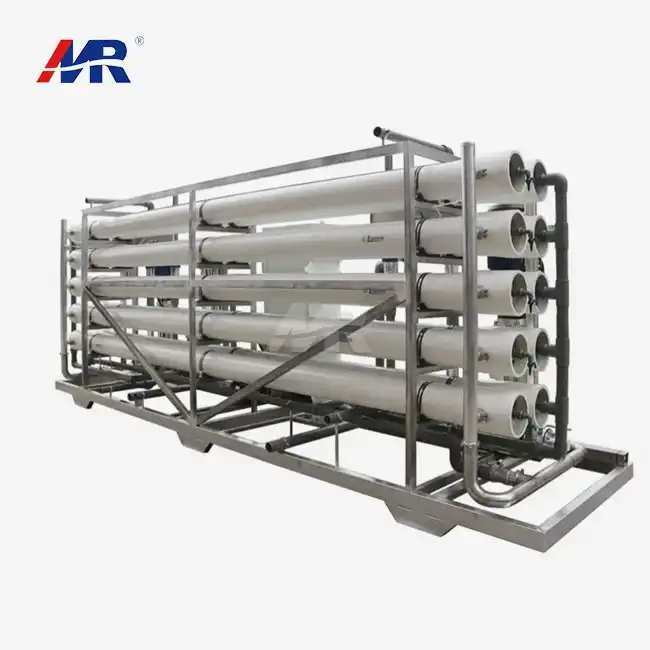
Understanding Reverse Osmosis Systems and Their Maintenance Needs
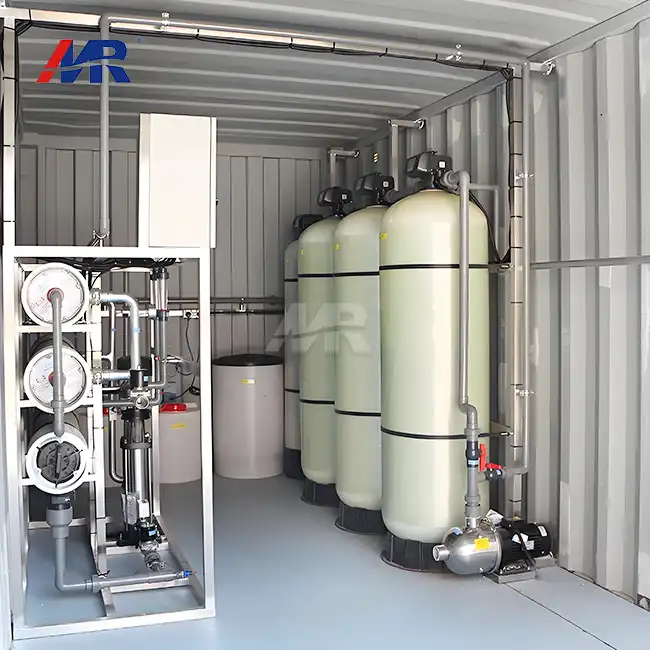
Modern reverse osmosis technology uses a filter method with several steps that need careful attention to each part. Sediment and carbon filters are used in the first part of the system to protect the semipermeable barrier from chlorine, particles, and organic chemicals. The water is then pushed through the ro membrane, where contaminants are sorted and taken out. After filtration, the process is finished with cleaning and storage in tanks under pressure.
Core Components and Filtration Stages
In the pre-filtration stage, sediment filters are used to get rid of particles bigger than 5 microns. Next, carbon block filters get rid of chlorine and volatile organic compounds. This step of preparation is very important because chlorine can damage RO membranes forever, and sediment buildup causes them to plug up early, which slows down the flow.
The semipermeable membrane, which has tiny holes about 0.0001 microns in width, is what makes a RO system work. Salts that have been dissolved, heavy metals, germs, and viruses can't get through this layer, but pure water molecules can. After filtration, the water is usually polished with carbon to get rid of any tastes or smells that are still there before it goes into the holding tank.
Common Maintenance Challenges in Industrial Applications
Industrial settings have their own problems that affect the upkeep plans and processes for RO systems. The biggest problem is membrane fouling, which happens when contaminants build up on the membrane's surface and stop permeate flow. For biological waste like bacteria and algae growth, you need to follow sanitization practices. For mineral scaling, like hard water, you need to use certain cleaning agents.
When feed water conditions change in an industrial setting in reverse osmosis systems, tracking the quality of the water becomes very important. Temperature changes, high total dissolved solids, and chemical exposure can all speed up the breakdown of membranes. Knowing about these factors helps maintenance teams come up with proactive plans that stop expensive system breakdowns and make sure that production standards are met.
Key Maintenance Tips to Maximize RO System Efficiency
A structured repair schedule greatly improves the performance of an RO system and increases its useful life. These techniques take care of the most common performance problems that come up in business and industry settings.
Regular Filter Replacement Schedules
Pre-filter upkeep is the most important part of taking care of a reverse osmosis system. Depending on the quality of the feed water and the amount of use, sediment filters usually need to be replaced every 6 to 12 months. Most carbon pre-filters need to be replaced every 6 to 9 months, but water sources that are high in chlorine may need to be replaced more often.
The best security is achieved by setting replacement plans based on real working conditions instead of just following what the maker says. Monitoring the differences in pressure between filter housings is a reliable way to tell when to change them. When pressure drops more than 10 to 15 PSI from the starting point, the filter needs to be replaced to keep the flow rates normal and protect the parts further down the line.
Membrane Cleaning and Sanitization Protocols
For membrane upkeep, you need to use specific cleaning methods for each type of fouling. Acidic treatments break down mineral scale and metal oxides, while alkaline cleaners get rid of organic buildup and biological growth. Cleaning is usually done once every month to three months, but it varies depending on the quality of the feed water and the working conditions.
To keep the membranes from getting damaged, cleaning liquids should be circulated at a lower pressure. Controlling the temperature while cleaning is very important, since too much heat can damage the membrane. After cleaning, a full flush gets rid of any chemicals that might still be in the water or affect how well the system works.
Water Pressure and Flow Rate Monitoring
Keeping the operating pressure at the right level guarantees steady permeate output and membrane life. Depending on the type of membrane and the needs of the product, most industrial reverse osmosis systems work at 150 to 400 PSI. To find problems early, pressure tracking should include readings of feed pressure, concentrate pressure, and seep pressure.
Monitoring the flow rate gives you more information about how healthy a system is. Less permeate flow often means that the membrane is getting clogged or scaled, and more concentrated flow could mean that the membrane is damaged. Setting up standard measures during commissioning makes it possible to accurately track performance and plan maintenance ahead of time.
Comparison of Maintenance Requirements Across Different RO System Types
Understanding the changes in upkeep between the different RO setups helps procurement teams choose systems that fit the needs of operations and the resources they have available. There are different things to think about when maintaining each type of system, which affects the long-term prices and complexity of operations.
Point-of-Use versus Point-of-Entry Systems
Point-of-use systems, which are usually put under sinks or in separate equipment rooms, are easier to maintain because they are smaller and run in controlled circumstances. These systems usually need their filters changed every three months and their membranes replaced once a year. This makes them good for places that don't have a lot of support staff.
Point-of-entry systems that serve whole buildings need more thorough repair procedures. These bigger systems usually have a lot of membrane tanks, complicated controls, and chemical feed systems that need to be maintained by people who know a lot about them. The higher level of complexity allows for more treatment, but it needs specialized support staff or service contracts.
Commercial versus Industrial System Considerations
Commercial reverse osmosis systems made for office buildings, restaurants, and small factories focus on standard parts and making upkeep as easy as possible. Most of the time, these systems have filter cartridges that are ready to use right away and automatic cleaning processes that cut down on the need for human work.
More advanced repair methods are needed for industrial systems that serve power plants, chip factories, and drug factories. In these situations, you usually need special membrane materials, treatment trains with multiple stages, and strict paperwork rules that follow government rules. It gets harder to maintain systems that are more complicated or that have to follow strict rules.
Procurement Insights: Selecting RO Systems with Optimal Maintenance Support
Long-term maintenance costs and working dependability are greatly affected by strategic choices about purchases. By judging possible providers based on their ability to provide maintenance support, you can be sure that the system will work well from the start and continue to work well over time.
Evaluating Manufacturer Support and Service Networks
Technical training, upkeep manuals, and quick service networks are all parts of full manufacturer support. Leading makers help in-house maintenance teams by giving them thorough maintenance manuals, video training materials, and expert hotlines. Having access to local support is important for keeping downtime to a minimum during emergencies or complicated repair tasks.
Equipment and performance promises should both be covered by warranties to protect against early breakdowns and poor treatment performance. Options for longer warranties often offer cost-effective safety for important uses where system downtime has big effects on operations.
Total Cost of Ownership Considerations
Upkeep costs usually make up 15 to 25 percent of the total cost of a system over its lifetime. Because of this, upkeep needs to be taken into account when buying a system. The initial costs of the equipment must be weighed against the ongoing costs of things like chemicals, labor, service contracts, and filter refills.
Using less energy has a direct effect on running costs, especially for big industry and business reverse osmosis systems. Energy regeneration devices and high-efficiency membranes cut down on power use while keeping treatment performance. These improvements in efficiency usually make up for higher starting costs by saving money on running costs over the life of the system.
Conclusion
Effective upkeep practices are the key to making sure that all industrial and business reverse osmosis systems work well. The step-by-step method explained in this guide gives procurement workers and building managers useful tips for making systems work better while keeping costs low. Regular repair plans, following the right cleaning methods, and thorough tracking programs all work together to keep the water quality stable and increase the life of equipment.
The money spent on proper maintenance methods returns many times over in the form of higher efficiency, less downtime, and longer membrane life. Regulations about water quality are always changing, and production needs are rising. Well-maintained RO systems are the key to long-term success in many businesses.
FAQ
Q1: How often should RO membrane replacement occur in commercial systems?
Under regular settings, commercial RO membranes need to be replaced every two to three years. But the time of replacement varies a lot on the quality of the feed water, how full the system is, and how well it is maintained. The membranes in systems that treat high-quality city water may last for three to four years, but membranes in systems that treat hard water sources may need to be replaced every year.
Q2: What indicators suggest RO system maintenance needs?
Key success signs include falling permeate flow rates, rising pressure differences across membranes, rising concentrate flow rates, and worsening water quality. Normalized permeate flow drops by 10–15% from baseline measures usually mean that the system needs to be cleaned, while quality problems mean that the membrane is damaged or there is a way around the system.
Q3: Can maintenance procedures be performed by facility staff?
Trained building staff can do basic upkeep tasks like replacing filters, cleaning the system, and keeping an eye on things regularly. But replacing the membrane, cleaning it with chemicals, and making major repairs need specialized knowledge and should only be done by trained techs to keep the warranty valid and prevent damage to the system.
Transform Your Water Treatment Operations with Morui's Expert RO Solutions
Are you ready to get the most out of your reverse osmosis system by getting professional care and the latest technology? Morui Environmental Technology has been in the water treatment business for decades and offers a wide range of services to make sure that your investment is well spent. Our engineers and techs can make repair plans just for you, help you with technical issues right away, and make sure you can always get real replacement parts. Get in touch with benson@guangdongmorui.com right away to talk about your unique needs and find out how our experience as a reverse osmosis system manufacturer can help you run your business more efficiently while cutting costs over time through smart maintenance partnerships.
References
1. Johnson, Michael K. "Industrial Reverse Osmosis Maintenance Best Practices." Water Treatment Engineering Quarterly, vol. 45, no. 3, 2023, pp. 78-94.
2. Chen, Sarah L., and Robert Thompson. "Membrane Fouling Prevention in Commercial RO Systems." Journal of Water Purification Technology, vol. 28, no. 2, 2023, pp. 156-172.
3. Williams, David P. "Cost-Effective Maintenance Strategies for Large-Scale Reverse Osmosis Applications." Industrial Water Management Review, vol. 12, no. 4, 2023, pp. 203-219.
4. Martinez, Elena R. "Performance Optimization Through Predictive Maintenance in Water Treatment Systems." Environmental Engineering Science, vol. 67, no. 8, 2023, pp. 445-461.
5. Anderson, James M., et al. "Comparative Analysis of RO System Maintenance Requirements Across Industrial Sectors." Water Technology International, vol. 39, no. 7, 2023, pp. 334-350.
6. Brown, Susan K. "Procurement Guidelines for Commercial Reverse Osmosis Systems with Enhanced Maintenance Support." Facility Management Water Systems, vol. 21, no. 1, 2024, pp. 89-105.
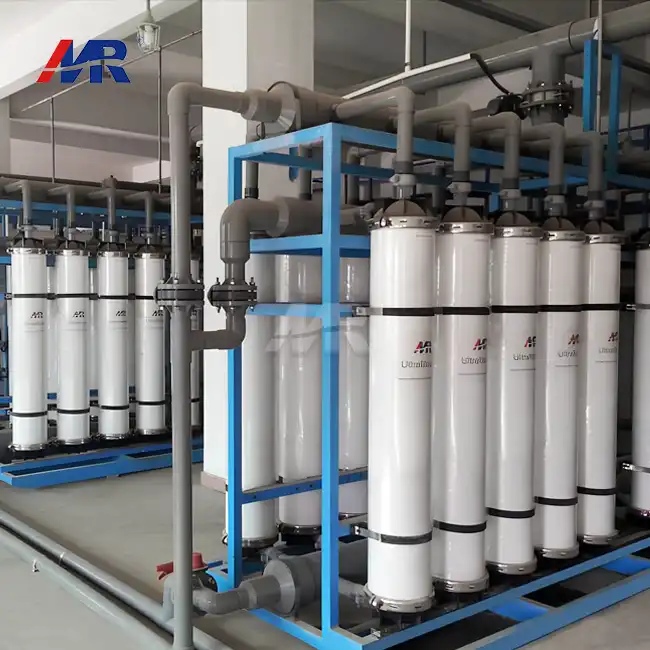 VIEW MORE20m3/hour ultrafiltration equipment
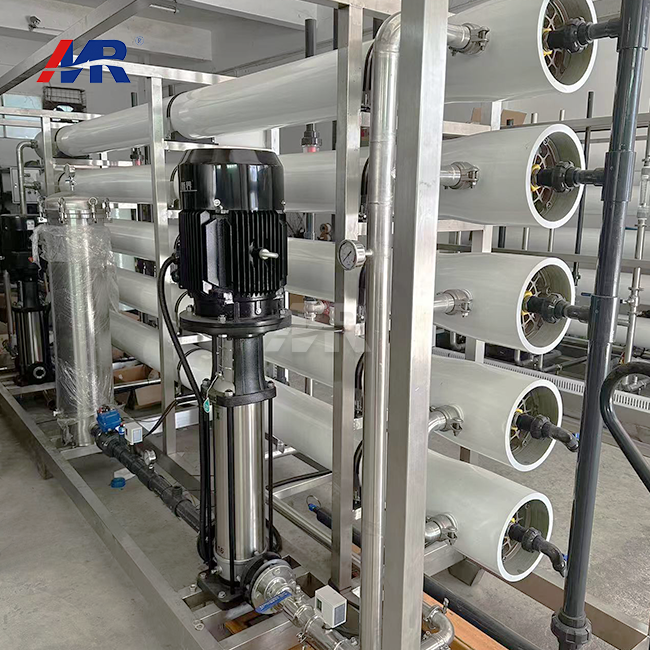 VIEW MOREosmosis water purification system
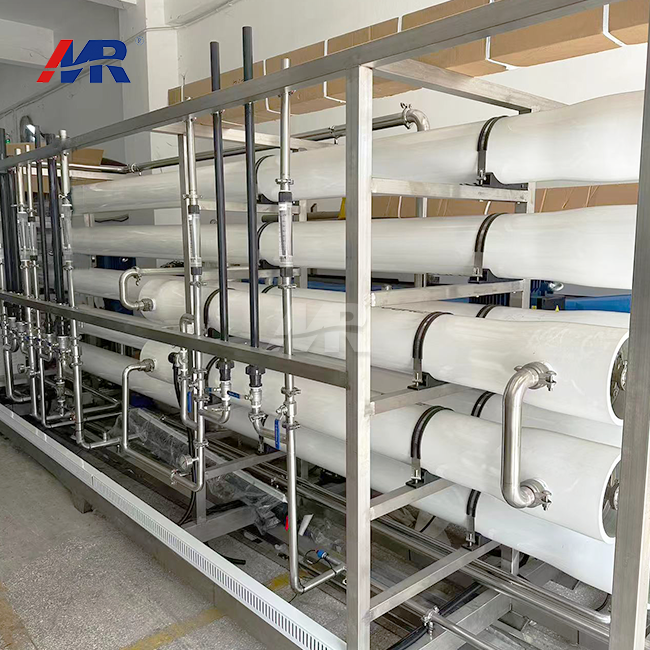 VIEW MOREosmosis drinking water system
 VIEW MOREultrafiltration membrane system
 VIEW MOREDTRO plant
 VIEW MORE100m3/hour reverse osmosis system
 VIEW MOREmembrane bioreactor mbr
 VIEW MOREcontainer type 3m3/hour RO equipment
