_1745823981883.webp)

A Comprehensive Guide to Industrial Reverse Osmosis Providers: What You Need to Know
How well your water treatment operations go in factory, pharmaceutical, food processing, and local settings depends on which industrial reverse osmosis system provider you choose. This detailed guide looks at important things like technology capabilities, service quality, regulatory compliance, and long-term partnership value to help people make choices about which providers will give them reliable, efficient, and cost-effective water purification solutions that are made to fit their specific needs.
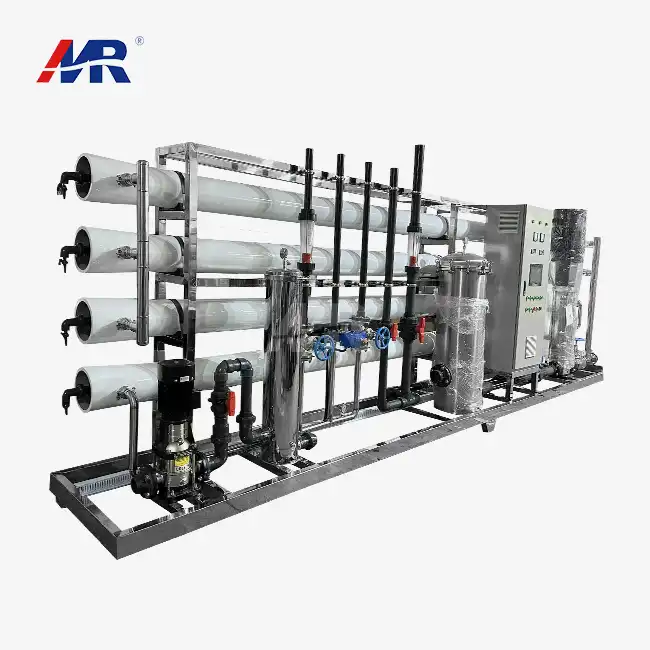
Understanding Industrial Reverse Osmosis Technology
Advanced membrane technology is used in industrial reverse osmosis systems to get rid of dissolved salts, chemicals, and other pollutants in water. High pressure is used in the process to push water molecules through membranes that are only partially transparent and have pores that are about 0.0001 microns wide.
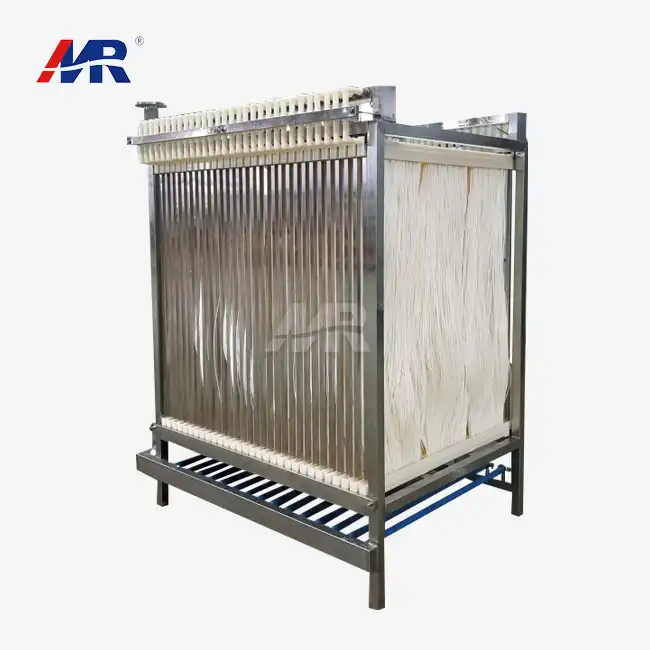
As the main part of the filter system, the industrial ro membrane does its job. There are silt filters and carbon filters in the pre-treatment steps that keep the membrane from getting damaged. Water goes through several stages of treatment. First, pre-filtration gets rid of bigger particles and chlorine. Next, the RO membrane gets rid of dissolved contaminants. Finally, post-treatment makes the water quality smooth.
Recovery rates for modern systems are between 75% and 85%, which means that most of the water that goes into them is turned into a clean product instead of waste. How well an industrial RO system works depends on how well the water is pretreated, which membrane is chosen, and how the system is run. Monitoring systems that are more advanced keep track of performance measures and change working conditions automatically.
Key Applications Across Industries
For output processes, manufacturing activities need water that is always of good quality. Industrial RO systems are used in many different fields, each with its own needs. Companies that make food and drinks use these methods to make sure their Products are safe and taste the same every time. Pharmaceutical companies depend on them to meet USP water guidelines for making drugs.
Ultrapure water is needed to clean chips and make semiconductors in electronics and semiconductor factories. Reverse osmosis and electrodeionization (EDI) are often used together in industrial RO systems for these uses to get resistance values higher than 18 megohm-cm.
Power companies and reverse osmosis companies use these systems to clean the water that goes into boilers by getting rid of minerals that can dissolve and cause scale to form. Process water and wastewater streams are treated in petrochemical plants. Municipal water treatment plants improve the quality of drinking water and deal with difficult source water circumstances.
For example, treating salty water for watering in dry areas is an agricultural use. Filtration systems are used in aquaculture to keep the water quality high in circulation systems. Medical buildings need clean water for things like dialysis, lab tests, and cleaning.
Essential Provider Evaluation Criteria
Installing and running an industrial RO system correctly depends on having the right technical knowledge. Providers should show that they have knowledge of the needs and problems of your business when it comes to contaminants. Engineering skills include choosing the right membranes, system sizes, and how to connect them to the current infrastructure.
Quality of manufacture changes efficiency and costs over time. Look for service companies that keep their ISO Certifications and quality control systems up to date. Getting parts from reputable membrane makers guarantees consistent performance and insurance support.
In addition to supplying tools, service options include setting it up, teaching staff, and providing ongoing support. To maintain an industrial RO system, you need to know a lot about it and have extra parts on hand. How quickly technical help is available has a direct effect on the continuation of production.
Financial health and project examples show that you can trust the provider. Ask for case studies from similar applications and get in touch with sources to check the claims of performance. Coverage areas affect how quickly services respond and how much local help is available.
System Components and Design Considerations
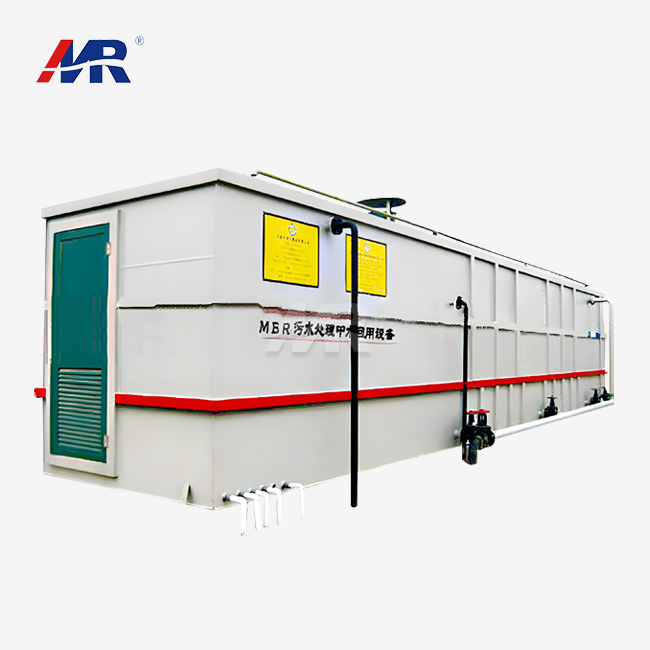
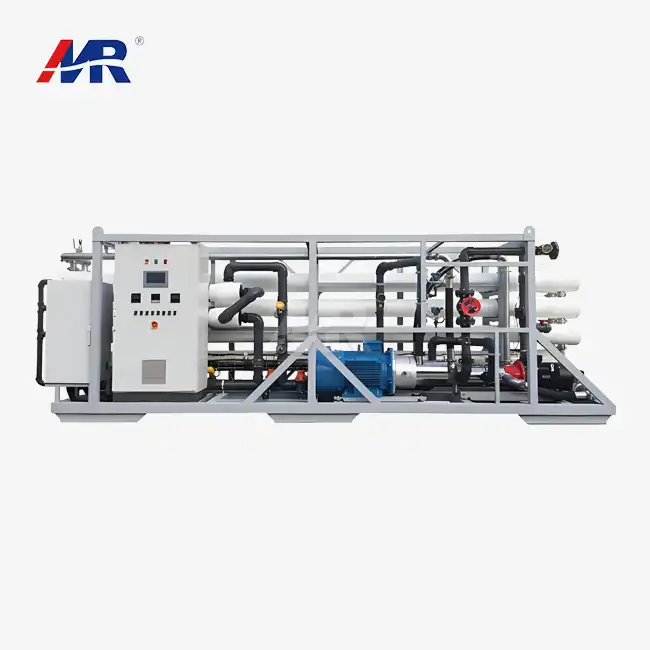
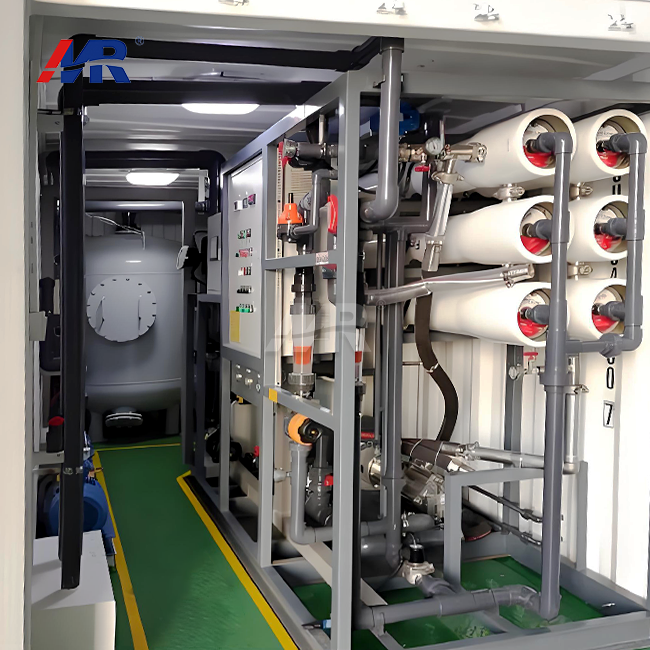
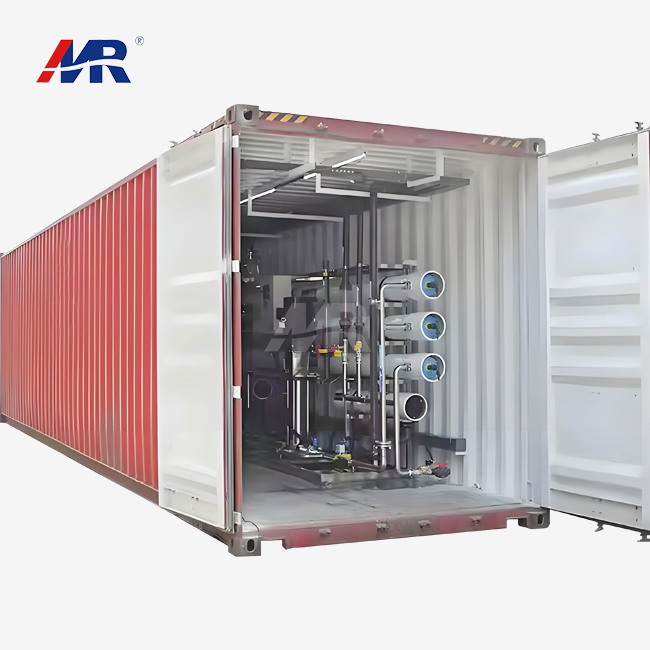
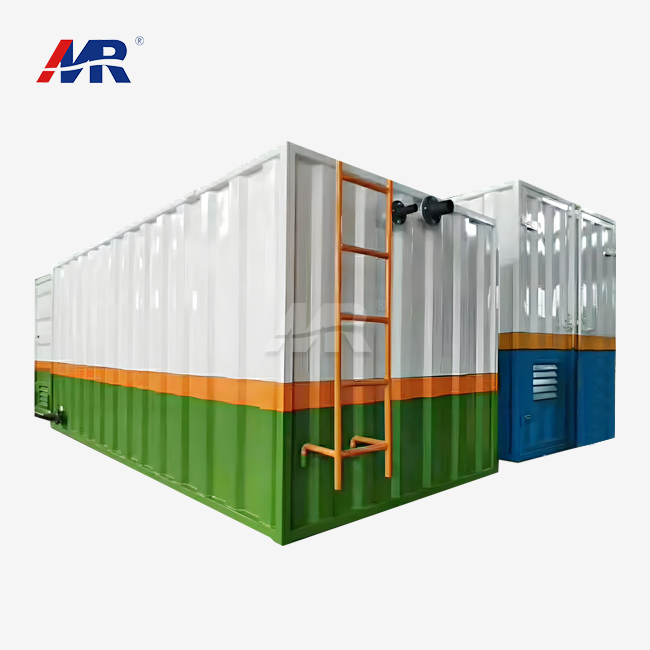
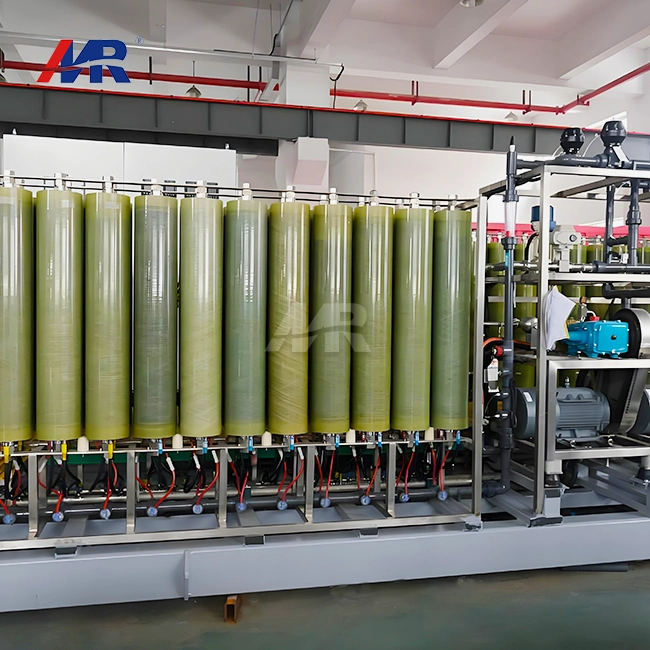
Feed pumps, pretreatment tools, membrane tanks, and control systems are all parts of an industrial RO system. For membrane filtration to work, high-pressure pumps are needed. Large-scale tasks are usually handled by multistage centrifugal pumps, while smaller tasks are better suited to positive displacement pumps.
Membranes are kept clean and safe by pretreatment tools. Activated carbon gets rid of chlorine and organic chemicals, while multimedia filtration gets rid of dissolved solids. Softening the water stops scale from forming on the sides of membranes. Chemical treatment devices add chemicals that lower the pH and stop scaling.
The filter elements are kept in pressure-resistant containers by membrane tubes. The shape of the vessel affects how the flow is distributed and how well it cleans. End options include standard threaded closures and designs that open quickly to cut down on upkeep time.
Control systems keep an eye on the factors of operations and handle regular tasks. Modern systems keep track of how well the membrane is working, guess when it will need repair, and find the best settings for operation. Remote tracking makes it possible to provide proactive help and fix problems before they happen.
Performance Optimization and Monitoring
The success of an industrial RO system depends on how well it is operated and maintained. The permeate flow rate, the salt rejection percentage, and the pressure drop across membranes are some of the most important success metrics. Performance trends and repair needs can be found through regular tracking.
Membrane fouling slowly lowers the system's ability to work and its effectiveness. Some types of fouling are bacterial growth, scale formation, and particle buildup. Industrial reverse osmosis system cleaning procedures get rid of these buildups and get the system working again. How often you clean depends on the quality of the feed water and the conditions of the operation.
Finding the best recovery rate matches the amount of water made with the membrane's useful life. Higher recovery rates cut down on waste but make fouling more likely. System automation changes the working settings to keep the equipment safe and running at its best.
Programmable logic controllers (PLCs) are used in industrial RO systems to control how pumps work, how valves are sequenced, and how often they need to be cleaned. Human-machine interfaces (HMIs) let workers see and handle machines in real time. Data logging systems keep track of patterns in performance and help with finding problems.
Maintenance and Troubleshooting Strategies
Preventive repair keeps things working well and makes them last longer. Industrial RO system upkeep includes replacing consumables, cleaning the membrane, and inspecting the parts. Maintenance plans change depending on how the system is being used and the quality of the water.
Some common operating problems are low permeate flow, high pressure drop, and higher salt passage. To fix problems with an industrial RO system, you need to look at the working data and check the system physically. Testing the stability of a membrane finds broken parts that need to be replaced.
The cost and time of upkeep are affected by how readily available spare parts are. Membranes, seals, pumps, and sensors are all important parts. Having local parts on hand cuts down on downtime during emergency fixes. Standardized parts that are used in various systems make upkeep easier.
Training programs make sure that workers know how the system works and how to fix simple problems. Full training includes regular tasks, keeping an eye on performance, and knowing what to do in an emergency. Staff members stay up to date on new technology and best practices through ongoing training.
Cost Analysis and ROI Considerations
Costs for industrial RO systems include capital tools, installation, and continued costs for running the system. The initial costs depend on the size of the system, the amount of automation, and the needs of the place. Standardized designs are often less expensive than unique setups.
Costs of doing business include things like electricity, supplies, and repairs. Long-term prices go down when energy efficiency is improved. Variable frequency drives on pumps make the best use of energy based on how much is needed. Pressure energy from concentrated streams is collected by energy recovery devices.
The rising cost of water is pushing more people to use RO systems. In many areas, high-quality process water costs more than lower-quality water. The cost of treating wastewater drives apps that recycle water. Managing wastewater from an industrial RO system lowers the cost of removal while recovering important water resources.
When figuring out the return on investment for reverse osmosis companies, you should include the costs of finding other water sources, using fewer chemicals, and making the product better. Environmental benefits might be able to get tax breaks or other rewards from the government. Less responsibility and better compliance with regulations are examples of risk reduction value.
Technology Innovations and Future Trends
More advanced barrier materials make rejection and fouling protection better. Thin-film hybrid membranes with better surface qualities don't let biological fouling stick to them. Certain pollutants, such as boron, silica, and organic substances, are targeted by special barriers.
Intelligent tracking systems that can guess when repair is needed are one example of new technology in industrial RO systems. Artificial intelligence programs look at success data to find the best ways to run a business. Predictive analytics find problems that might happen before they affect production.
Hybrid cleaning systems work better because they blend RO with other technologies. For high-salinity uses, forward osmosis lowers the amount of energy needed. Membrane distillation can handle tough wastewaters. Electrochemical methods offer more advanced ways to oxidize.
Water recycling and zero liquid runoff uses are driven by efforts to be more environmentally friendly. Closed-loop methods use the least amount of fresh water possible. Advanced cleaning makes it possible to reuse it directly for drinkable purposes. Concentrate management methods get back important minerals with as little waste as possible.
Conclusion
To find the best industrial reverse osmosis company, you need to carefully consider their technical skills, the quality of their service, and the value of a long-term relationship. Implementations that go well rely on a well-designed system, high-quality parts, and full support services. As technology keeps getting better, it gets more efficient, and it can be used in more ways while also lowering costs. Providers who have technical knowledge, the ability to make things, and a history of good service are good for decision makers. Putting money into good tools and trustworthy relationships guarantees the best water treatment results and legal compliance in a wide range of industrial settings.
Ready to Optimize Your Industrial Water Treatment? Partner with Morui Today
Morui delivers comprehensive industrial reverse osmosis system solutions backed by advanced membrane manufacturing capabilities and extensive engineering expertise. With 14 branches, 500 dedicated employees, and specialized water treatment engineers, we serve manufacturers, pharmaceutical companies, and municipal facilities across diverse applications. Contact benson@guangdongmorui.com to discuss your specific requirements with our experienced industrial reverse osmosis system manufacturer team.
References
1. American Water Works Association. "Reverse Osmosis and Nanofiltration Manual of Water Supply Practices." 3rd Edition, 2018.
2. Nicolaisen, B. "Developments in Membrane Technology for Water Treatment." Industrial Water Treatment Handbook, 2019.
3. Greenlee, L.F., et al. "Reverse Osmosis Desalination: Water Sources, Technology, and Today's Challenges." Water Research Journal, Vol. 43, 2020.
4. International Desalination Association. "Industrial Membrane Applications: Design and Performance Guidelines." Technical Report Series, 2021.
5. Chen, K.L., and M. Elimelech. "Membrane Fouling in Industrial Water Treatment: Mechanisms and Control Strategies." Environmental Engineering Science, 2022.
6. World Health Organization. "Water Treatment and Pathogen Control: Process Efficiency in Achieving Safe Drinking Water." Geneva Publications, 2021.