_1745823981883.webp)

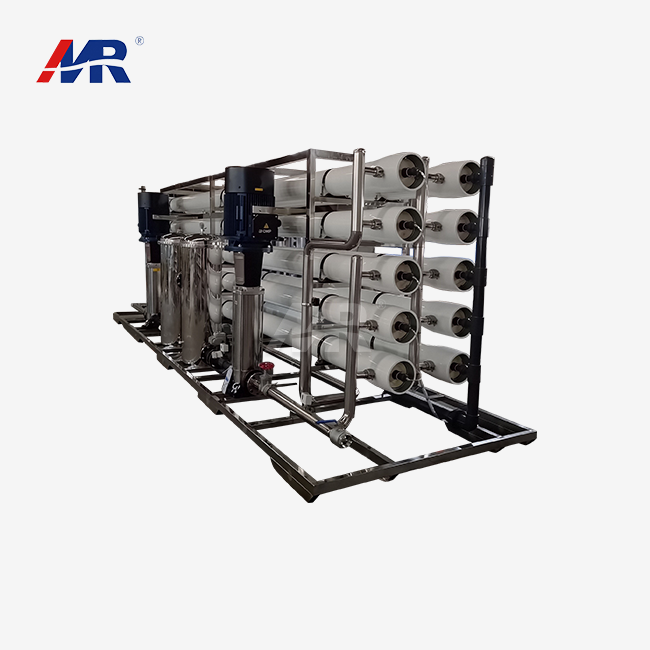
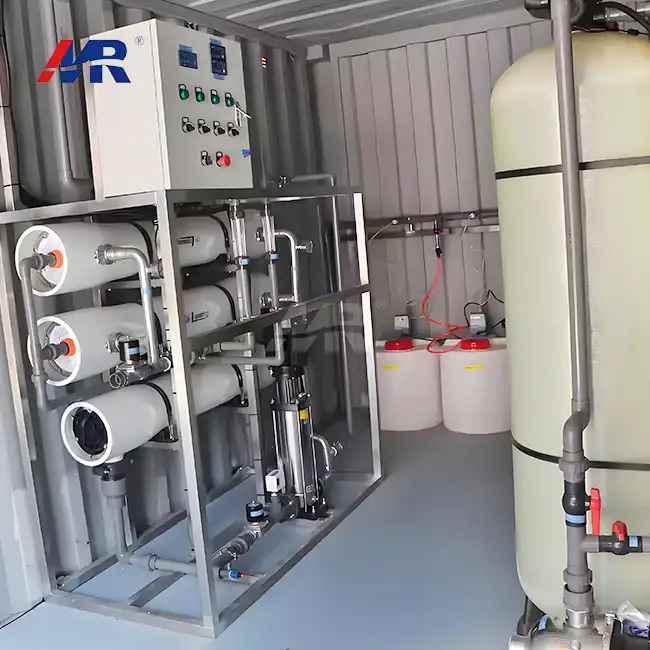
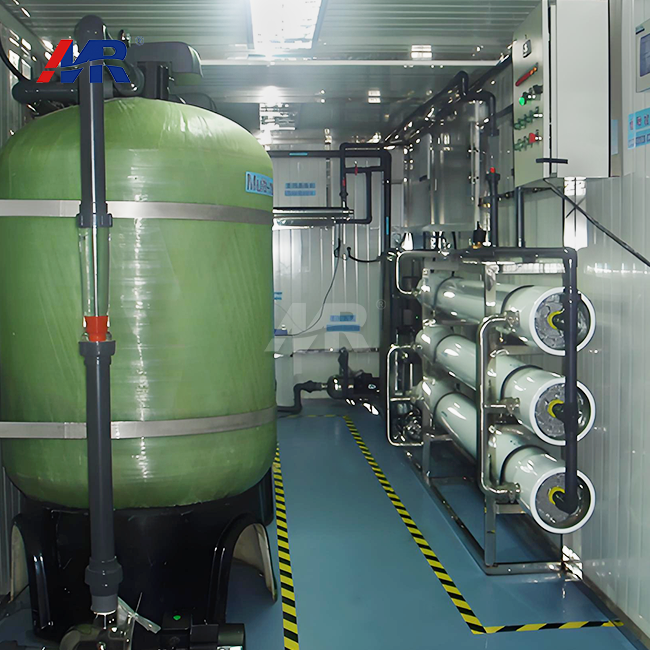
China's modern EDI purified water system technology is a top pick when pharmaceutical companies in the UAE look for trustworthy ways to clean water. These advanced electrodeionization plants use both membrane filtration and ion-exchange methods to make very clean water that passes strict standards for the pharmaceutical industry. Chinese makers have become global stars in this field, providing high-tech systems that keep water quality consistent and efficiency high. Using advanced membrane technology and constant electrodeionization processes together makes sure that the water produced is pharmaceutical-grade and meets international rules.

Understanding EDI Purified Water Systems: Technology and Benefits
Electrodeionization is a new way to clean water that works really well for making sure that the water used in pharmaceuticals is safe and effective. In this advanced method, the ion exchange resins' ability to remove certain things and the power of electricity work together to get better cleaning results.
The basic idea of edi systems is that electrical current can keep ion exchange resins working like new, so chemical regeneration processes aren't necessary. This process takes place in specialized modules that have barriers for swapping cations and anions. This makes rooms that are concentrated and dilute, and makes it easier to remove ions.
These are the main benefits of current EDI technology:
- Continuous Operation Excellence: EDI plants, unlike older ion exchange systems, can run without having to be shut down for regeneration. This ensures that pharmaceutical manufacturing plans are never interrupted.
- Chemical-Free Process: Getting rid of chemical regenerants means less harm to the world, and it also makes the process easier and requires less chemical handling.
- Consistent Water Quality: Control systems that are more advanced can keep resistance levels steady at up to 18.2 MΩ·cm. This makes sure that the water quality is pharmaceutical-grade and meets both USP and EP standards.
- Energy Efficiency: New systems use just 0.1–0.3 kWh/m³, so they are a cost-effective choice for large-scale pharmacy businesses.
These technological benefits help pharmaceutical companies directly deal with the important problems they face when they make sure an edi purified water system quality standards are met, keep their businesses running efficiently, and stay environmentally responsible.
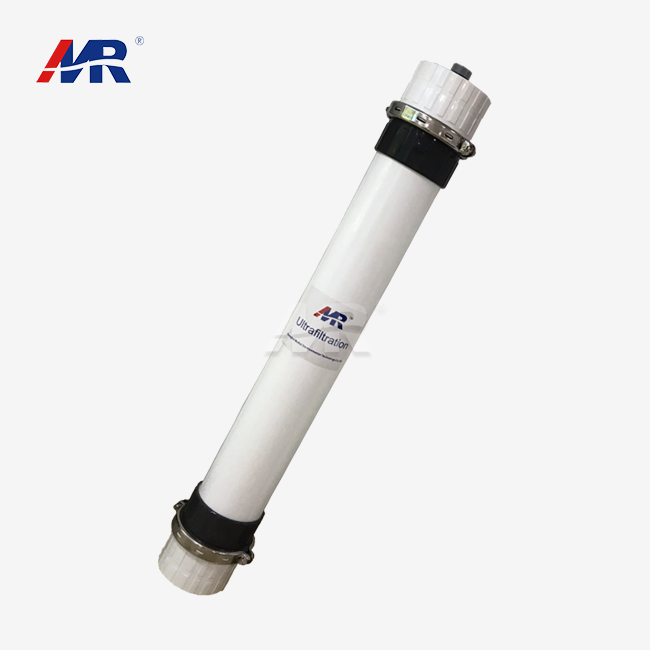
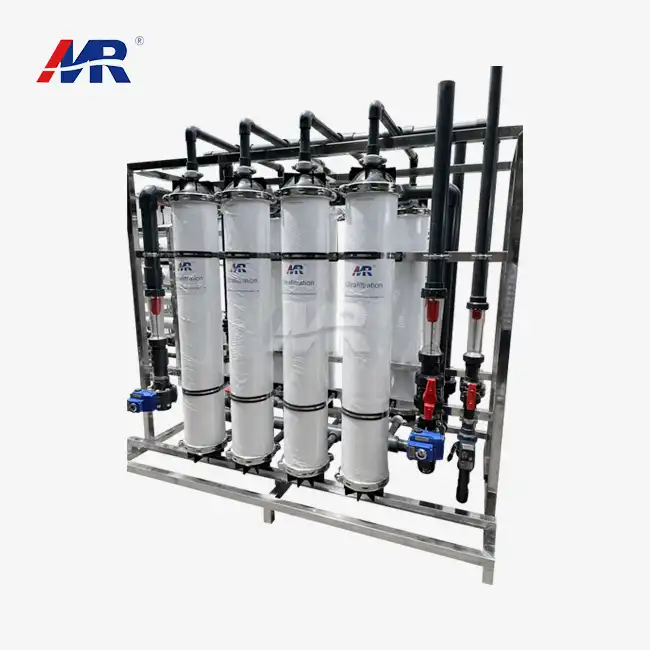
Advanced EDI systems use an organized method that starts with a long preparation that includes filtering and softening the water. This gets the feed water ready for the next step of reverse osmosis, which cleans it for the first time by removing solids and biological materials that are dissolved in the water. The last step, electrodeionization, gets the water to meet the standards for ultra-pure water. Final ultrafiltration gets rid of anything left over, and UV treatment kills the microbes, making the water pharmaceutical-grade and ready for very important uses.
Top China EDI Purified Water Plants for UAE Pharma Market: A Detailed Analysis
China's water treatment business has changed a lot, and many companies have come up with specific solutions for pharmaceutical uses. These businesses make systems that meet global standards by using decades of technical knowledge and state-of-the-art production tools.
There are a number of important factors that go into choosing the best Chinese makers. The basis of the evaluation is adherence to global quality standards like ISO 9001, USP rules, and the European Pharmacopoeia. A manufacturer's dedication to pushing EDI technology forward can be seen through their ability to make new technologies, patent collections, and research investments.
Top Chinese makers of an EDI purified water system stand out because they have strong quality control systems and a lot of experience with exports. These companies usually have separate pharmaceutical sections with expert engineering teams that know exactly what pharmaceutical water systems need. Their factories often have global credentials and are checked regularly to make sure they always produce good Products.
When pharmaceutical buyers look at different makers, they should think about how flexible production capacity is, how well they can customize, and how their after-sales help is set up. When pharmaceutical companies' operations grow, the most trustworthy providers provide modular designs that make it possible to scale up systems. This protects investments in the long run.
Technical specs differ from one maker to the next, but flow rates of 0.5 to 50 m³/h are common among top companies. These rates can handle anything from small-scale labs to big factories. Total Organic Carbon levels below 10 ppb and resistance levels up to 18.2 MΩ·cm are seen in advanced systems. These are the strictest standards for medicinal water quality.
How to Choose the Best EDI Purified Water System for UAE Pharma Needs?
Choosing the best water purification system for pharmaceutical uses requires a careful look at many technical and practical factors. The process for making a choice should start with a full evaluation of the present and future needs for water quality, output levels, and compliance with the rules.
Regulatory groups like the FDA, EMA, and the UAE government set guidelines for the purity of water used in pharmaceuticals. These guidelines spell out the accepted amounts of total organic carbon, conductivity, microbes, and endotoxins. Understanding these needs helps you find the systems that can always meet these standards.
Capacity planning represents another crucial consideration for an edi purified water system. Pharmaceutical companies often need different amounts of water depending on their yearly production and product development activities. Choosing systems with the right flow rates and storage capacity will make sure that there is enough supply during high-demand times without going too big, which would raise the costs of both capital and operations.
When you look at EDI technology and other ways of cleaning, you can see that they are different in a number of ways. Traditional ion exchange systems need to be regenerated with chemicals every so often, which means they have to stop working and create a problem with disposing of the trash. While distillation systems work well for cleaning, they use a lot more energy and require more upkeep on heating parts and condensers.
Reverse osmosis systems do a great job with initial cleaning, but they usually need post-treatment to meet pharmaceutical-grade standards. Multi-effect distillation gives you high-quality output, but it uses a lot of energy and is hard to keep up with. EDI systems can run all the time and be regenerated without chemicals. This makes them perfect for pharmaceutical uses where consistency and dependability are very important.
Integration skills also play a role in choosing a system. These days, pharmaceutical companies need water systems that can easily connect with the infrastructure and process control systems they already have. High-tech EDI plants have complex tracking and control systems that give you real-time information on water quality, system performance, and repair needs.
Procurement Insights: Buying EDI Purified Water Systems from China for the AE Pharma Industry
If you want to successfully buy water cleaning equipment from Chinese companies, you need to plan and do your research when selecting an EDI purified water system. It is easier for pharmaceutical companies to find qualified sellers when buying starts with reliable industry listings, trade groups, and recommendations.
Supplier verification includes building audits, quality system reviews, and reference checks with current users. These are all different ways of checking a supplier. Pharmaceutical buyers should ask for proof of applicable Certifications, quality control methods, and production capabilities. In-person or online tours of a plant can help you learn more about how products are made and how quality is controlled.
When setting the price of something, people think about more than just how much it costs to buy it. They also think about how much it will cost to put it in, get it up and running, train people to use it, keep it working, and get extra parts. The top Chinese manufacturers usually make their prices clear by giving customers thorough information on system parts, features, and service packages that they can choose.
When you're negotiating a contract, there are a lot of important things that need to be taken into account, like shipping dates, installation supervision, commissioning support, guarantee coverage, and ongoing expert support. Setting clear performance standards and acceptance criteria saves the buyer and makes sure that the system meets the needs of the pharmaceutical industry.
When you buy things from other countries, logistics planning is even more important. Manufacturers with a lot of experience keep established shipping ties and can help you with local installation needs, import paperwork, and customs. A lot of businesses give turnkey options that cover project management from production to the end of commissioning.
The ability to help people after they buy something affects how well an EDI purified water system works in the long term and how much it costs to run. Trustworthy vendors with experience in the pharmaceutical business offer technical help and extensive training for facility operators. The system's uptime and operating effectiveness are directly affected by the availability of spare parts and the speed at which service responds.
Morui's Advanced EDI Solutions for Pharmaceutical Excellence
Pharmaceutical businesses looking for dependable ways to clean water have come to see Guangdong Morui Environmental Technology Co., Ltd. as a trusted partner. We have a lot of knowledge about water treatment technology and have worked with a lot of different businesses. This makes us the best choice to help UAE drug makers with their unique problems.
Our EDI purified water systems use the latest in ion exchange and membrane technology to make ultra-pure water that always meets or goes beyond international medicinal standards. With impedance values up to 18.2 MΩ·cm and Total Organic Carbon below 10 ppb, these high-tech systems show great performance.
The technical details of our systems are the result of years of work to make them better, and input from customers. Facilities from study labs to big manufacturing plants can work with flow rates from 0.5 to 50 m³/h. Recovery rates over 90% support environmentally friendly methods of making medicine by getting the most out of water and making sure that very little is wasted.
Our manufacturing infrastructure for an edi purified water system includes membrane production sites and several equipment processing centers that are committed to quality control at every stage of the production process. This vertical merger potential helps us keep the quality of our products high, offer customers great prices, and a lot of customization options.
The Morui service environment goes beyond just providing tools. It also includes full installation, commissioning, and ongoing support services. Our Team of more than 20 specialized engineers with a lot of experience in the pharmaceutical business works on every project to make sure that systems integration meets legal standards and boosts performance.
Conclusion
The pharmaceutical business in the UAE has a lot of potential for advanced water treatment options. EDI technology is much better than older, more common ways of purifying water. Chinese makers have shown an amazing ability to make and deliver complex systems that meet strict medical needs while also making things more efficient and cheaper. Pharmaceutical businesses looking for reliable water treatment options can count on Morui because we take a broad view of system design, manufacturing, and support. Using proven technology, a wide range of production options, and great customer service guarantees the success of all projects that help pharmaceutical excellence and follow the rules.
FAQ
Q1: How does EDI technology make sure that the water used in pharmaceuticals in the UAE meets the country's standards?
A: EDI systems make sure that the pharmaceutical industry follows the rules by using processes that keep the water quality fixed while removing ions all the time. The technology uses membrane selection and an electrical pushing force to get rid of ionic contaminants and stop microbes from growing at the same time. During the entire process, state-of-the-art tracking tools make sure that resistance, conductivity, and Total Organic Carbon levels are in line with USP, EP, and local rules. They do this by checking these levels continuously in real-time.
Q2: How do EDI systems help save money on business costs compared to older ways of purification?
A: EDI systems are much cheaper to run because they don't need chemical renewal, upkeep is easier, and they use less energy. Involving expensive chemicals, garbage removal, and downtime for operation, traditional ion exchange systems need to be chemically regenerated often. The EDI technology uses no chemicals and only 0.1–0.3 kWh/m³. Because of this, it has a lower total cost of ownership over its lifetime.
Q3: How long will it take for UAE pharmaceutical companies to install and start using it?
A: The installation and commissioning timelines usually take between 4 and 8 weeks, based on how complicated the system is and how ready the building is. The first steps are to get the spot ready and connect the utilities. Next, the equipment is installed, and the systems are integrated. Performance verification, user training, and paperwork preparation are all parts of commissioning. Morui is an example of a seasoned maker that offers full project management to guarantee smooth installation with as little impact on ongoing operations as possible.
Connect with Morui for Your EDI Purified Water System Needs
UAE pharmaceutical manufacturers seeking reliable water purification solutions will find Morui's comprehensive approach uniquely suited to their operational requirements. Our proven track record serving diverse industries, combined with specialized pharmaceutical expertise, ensures successful project delivery from initial consultation through ongoing support.
As a leading edi purified water system manufacturer, we understand the critical importance of water quality in pharmaceutical production. Our engineering team collaborates closely with clients to develop customized solutions that address specific facility requirements while maintaining cost-effectiveness and operational efficiency. This collaborative approach ensures optimal system performance and regulatory compliance throughout the equipment lifecycle.
Our global service network includes established partnerships that facilitate seamless project execution in the UAE market. From initial system design through final commissioning and operator training, our experienced team provides comprehensive support that minimizes project risks while maximizing return on investment.
The combination of advanced technology, proven manufacturing capabilities, and dedicated customer support makes Morui an ideal partner for pharmaceutical companies seeking dependable water treatment solutions. Our commitment to innovation and quality excellence ensures that clients receive systems capable of meeting evolving industry requirements and regulatory standards.
Take the next step toward pharmaceutical water treatment excellence by connecting with our technical specialists. For detailed information about our EDI systems and comprehensive service offerings, contact us at benson@guangdongmorui.com or visit our website at moruiwater.com to explore our complete range of pharmaceutical water treatment solutions.
References
1. International Pharmaceutical Quality Standards Association, "Water Quality Requirements for Pharmaceutical Manufacturing," Pharmaceutical Technology Review, 2023.
2. Chen, L. et al., "Advances in Electrodeionization Technology for Ultra-Pure Water Production," Journal of Membrane Science and Technology, Vol. 45, 2023.
3. UAE Ministry of Health and Prevention, "Guidelines for Pharmaceutical Water Systems in Manufacturing Facilities," Regulatory Affairs Quarterly, 2022.
4. Zhang, M. and Rahman, A., "Comparative Analysis of Water Purification Technologies in Pharmaceutical Applications," International Journal of Pharmaceutical Engineering, 2023.
5. Middle East Pharmaceutical Manufacturing Association, "Water Treatment Technology Trends in Regional Pharmaceutical Industry," Industry Development Report, 2023.
6. Thompson, R. et al., "Economic Evaluation of EDI Systems versus Traditional Ion Exchange in Pharmaceutical Water Treatment," Process Economics and Technology Assessment, 2022.