_1745823981883.webp)

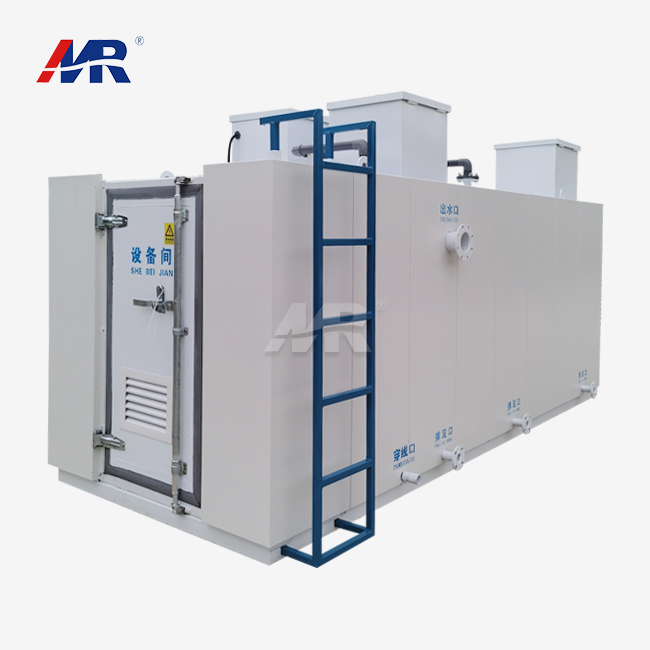
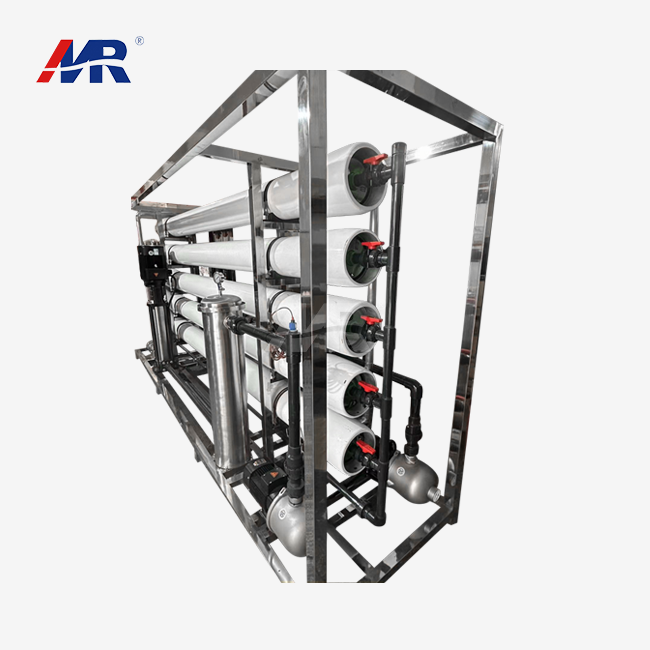
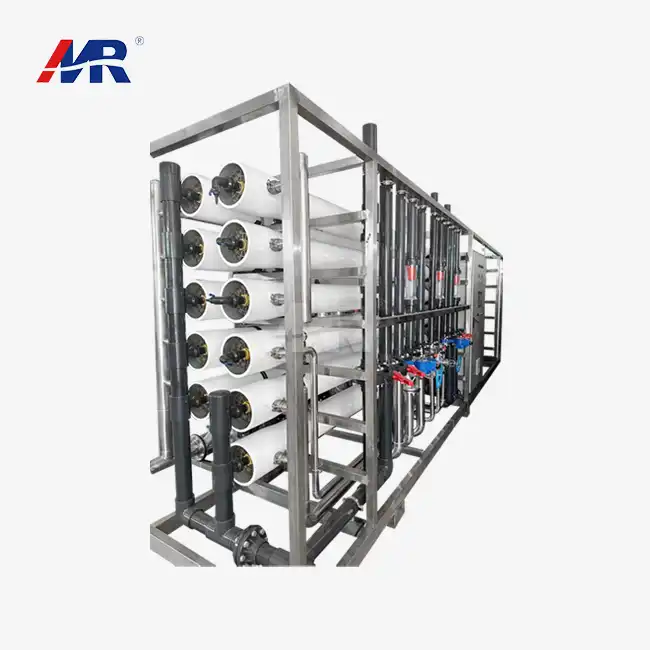
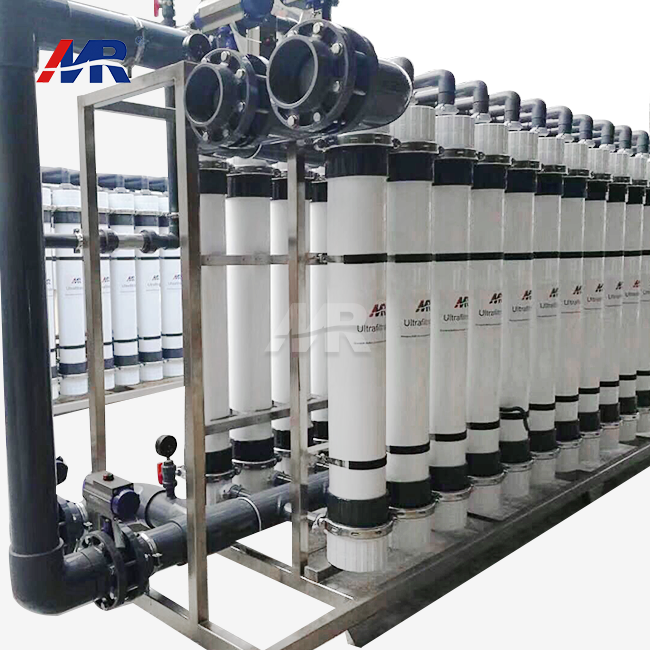
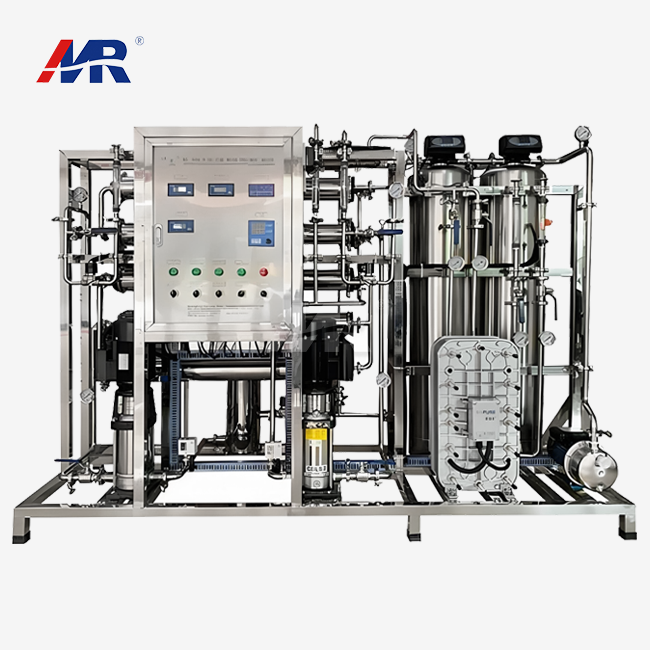
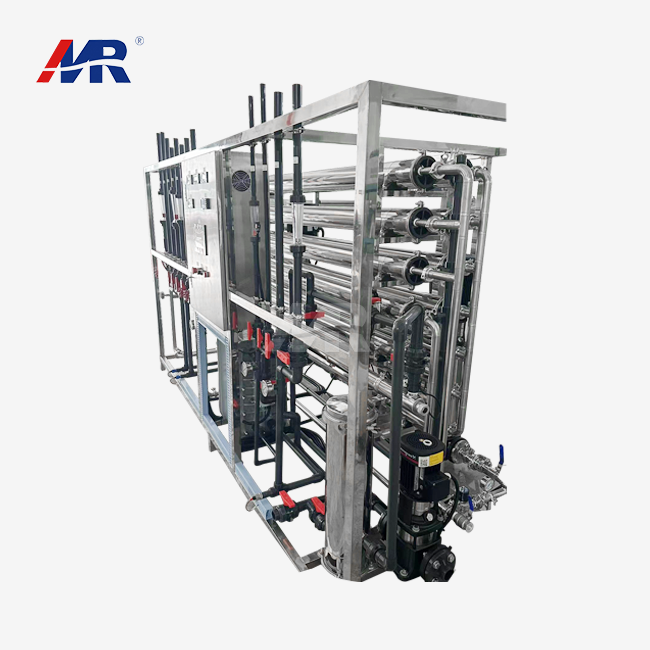
Chinese makers offer high-quality 2m³/hour edi systems that are technologically advanced and help South African wholesalers save money on water purification. These electrodeionization systems provide great value because they use advanced membranes, stable electrical control systems, and improved module designs that make sure high-purity water is always being made. Distributors can stay price-competitive in local markets with good profit margins by offering fair prices. This is possible through competitive pricing, which relies on large-scale production and quick, efficient supply lines. At the same time, dependable performance standards make sure that the systems meet the needs of businesses around the world in areas like making drugs, generating power, electronics, and food preparation. Chinese makers have become top providers of EDI technology by putting money into research and development, managing quality carefully, and constantly improving Products. Because of this, distributors in South Africa get modern water treatment technologies that have a long service life, low cost, and stable output quality. These technologies are still reliable, efficient, and work well in the long run.

Understanding the 2m³/h EDI System Technology
Chinese manufacturers offer high-quality 2m³/hour EDI systems that South African distributors looking for affordable ways to purify water are increasingly buying. These suppliers use advanced technology and offer great prices, which is hard to find in other markets around the world. By using advanced membranes, stable electrical control systems, and well-thought-out module designs that make sure high-purity water is always being made, these electrodeionization systems provide excellent value. Distributors can stay price-competitive in local markets with good profit margins and the ability to quickly respond to customer requests, thanks to competitive pricing, which is made possible by large-scale manufacturing and highly efficient supply chains. At the same time, dependable performance standards make sure that the systems meet the needs of businesses around the world in fields like making drugs, generating power, electronics, and food processing. In these areas, where water quality stability is important for safety and compliance, performance standards make sure that systems meet the needs of the industry. Chinese companies have become top providers of EDI technology by spending a lot of money on research and development, enforcing strict quality management systems, and continually optimizing products to make them more efficient, durable, and easy to maintain. Also, because they've worked on so many different projects around the world, they can provide equipment that works well in a range of situations and with different types of feedwater. This way, South African distributors get their hands on new ways to treat water that have a long service life, low operating costs, and stable output quality. These don't compromise on reliability, efficiency, or long-term operational performance, which makes them more competitive in a range of areas of the industry.
Comparing 2m³/h EDI Systems with Alternative Water Purification Methods
When looking at technologies for cleaning water, EDI systems, such as 2m³/hour EDI systems, have clear benefits over older methods like just reverse osmosis or standard ion exchange resins. Electrodeionization upholds high standards for water quality while also cutting down on environmental impact and running costs because it doesn't need chemical regeneration.
In traditional reverse osmosis systems, membranes have to be replaced often, and chemicals have to be used to clean them. This makes servicing more expensive, and the system has to be offline more often. On the other hand, EDI technology allows renewal processes to run without having to stop. By not using chemicals, the operation gets rid of dangerous renewal chemicals that people would have to handle and store. This makes the workplace safer and also makes following the rules easier.
Ion exchange resins need to be regenerated with acids and bases from time to time. This creates waste streams that need to be treated and thrown away. These problems are solved by EDI systems, which also provide better water purity levels all the time. The system's ability to do very little upkeep means that it can be used in a wider range of settings, from factories to oil rigs.
Procurement Guide for South African Distributors
When you want to buy EDI systems, you need to make sure that suppliers are capable, products meet requirements, and long-term help is available. Distributors in South Africa should focus on makers that have a history of success in water treatment technology and quality management.
Key evaluation criteria include manufacturing Certifications such as ISO 9001, CE marking, and compliance with international water quality standards for 2m³/hour EDI systems. An estimate of production capacity makes sure that suppliers can meet the needs of distributor networks in terms of both supply time and quantity. The quality of after-sales help becomes very important for keeping customers happy and building long-term business relationships.
These are the most important things for wholesalers to think about when they buy things:
- Total Cost of Ownership Analysis: Don't just think about the cost of the equipment itself. You should also think about the cost of installing it, shipping it, insurance coverage, and the upkeep that will need to be done regularly. A full study of the costs shows the real value of the investment and helps set the right prices for customers.
- Shipping from China to South Africa usually takes 3 to 4 weeks by boat. If you need to ship something quickly, you can also ship it by air. Proper planning takes into account customs clearance processes and makes sure that deliveries to customer places are on time.
- Technical Support and Training: Good providers offer detailed technical information, help with installation, and training for operators. With remote help, you can fix problems quickly and keep important apps running.
These procurement factors help make sure that distributors choose providers who can produce good products with a lot of support. This helps build the bases for successful long-term relationships.
Trusted Brands and Suppliers of 2m³/h EDI Systems from China
China's water treatment industry has built world-class manufacturing skills and makes EDI systems that compete well with well-known foreign names. Top Chinese makers put a lot of money into research and development so that system performance and dependability can be improved with the use of new materials and technologies.
Chinese factories have to meet foreign standards for quality control for 2m³/hour EDI systems. Before they are shipped, systems have to pass very strict tests to show that they meet the required performance standards. Many companies keep global shipping networks with service centers in each country. This lets them give responsive technical help and make sure that dealers can get the parts they need.
Customers always talk about how Chinese-made EDI systems are durable and work well in a wide range of industries. Chinese suppliers offer thorough help and use advanced technology while keeping prices low. This makes them the best choice for South African distributors who want to grow their businesses.
Conclusion
There are big chances in the South African market for treating water for wholesalers who work with well-known Chinese companies that make this kind of technology. Quality 2m³/h EDI systems from China offer great value through modern technology, low prices, and great customer support. Morui's promise to make great goods and provide great customer service means that distributors get items they can count on, as well as professional knowledge and support. The South African water treatment market is growing. It is based on making people happy with proven technology, low prices, and good service.
FAQ
Q1: What water purity levels can a 2m³/h EDI system achieve?
A: Our EDI systems consistently produce water with conductivity levels below 0.1 µS/cm from feed water with conductivity less than 20 µS/cm. This purity level meets pharmaceutical, semiconductor, and laboratory grade requirements while maintaining stable performance throughout extended operational periods.
Q2: How does energy consumption compare to traditional water treatment methods?
A: EDI systems consume less than 0.1 kWh per cubic meter of treated water, significantly lower than conventional ion exchange systems requiring energy-intensive regeneration cycles. The continuous operation eliminates energy spikes associated with batch regeneration processes, resulting in predictable operational costs.
Q3: What maintenance requirements should distributors expect for EDI systems?
A: EDI technology requires minimal maintenance compared to traditional systems. Regular monitoring of conductivity levels, periodic inspection of membrane condition, and routine cleaning of pretreatment components constitute primary maintenance activities. The absence of chemical regeneration eliminates handling and storage requirements for hazardous materials.
Partner with Morui for Premium EDI System Solutions
Distributors seeking reliable 2m3/hour EDI system solutions will find exceptional value through partnership with Morui's comprehensive manufacturing and support capabilities. Our proven track record in water treatment technology, combined with extensive industry experience, positions us as the ideal EDI system supplier for South African market requirements.
Our technical expertise spans decades of innovation in electrodeionization technology, ensuring distributors receive cutting-edge solutions that exceed customer expectations. The combination of our manufacturing capabilities, quality control processes, and comprehensive support services creates competitive advantages for distributor networks across diverse industrial sectors.
We invite qualified distributors to explore partnership opportunities and discover how our EDI systems can enhance their product portfolios while delivering exceptional value to end customers. Our Team stands ready to provide detailed technical consultations, competitive quotations, and customized solutions tailored to specific market requirements.
Contact us at benson@guangdongmorui.com to discuss your EDI system requirements and learn more about our distributor support programs. Visit our website at moruiwater.com for comprehensive product information and technical specifications.
References
1. Industrial Water Treatment Technology Assessment: Electrodeionization Systems Performance Analysis, Water Treatment International, 2023
2. South African Water Quality Standards and Industrial Purification Requirements, Department of Water and Sanitation, 2023
3. Comparative Study of Water Purification Technologies in Manufacturing Industries, Journal of Industrial Water Treatment, 2023
4. Energy Efficiency Evaluation of EDI Systems versus Traditional Ion Exchange Methods, International Water Technology Review, 2023
5. Chinese Manufacturing Quality Standards in Water Treatment Equipment Export Markets, Global Water Technology Analysis, 2023
6. Cost-Benefit Analysis of EDI Technology Implementation in African Industrial Markets, African Water Treatment Industry Report, 2023