_1745823981883.webp)

To meet strict water purity requirements, Indonesia's rapidly growing food processing sector is increasingly reliant on Chinese EDI water treatment systems. Electrodeionization is a complicated process, but these Products use it to make sure that the water you get is always ultra-pure. This is very important for making drinks, processing dairy, and making packaged foods. By providing affordable, high-tech systems that meet global food safety standards and giving great customer service, Chinese companies have become reliable partners.

Understanding EDI Water Treatment Technology and Its Food Industry Applications
Electrodeionization marks a revolutionary method to water purification that blends ion exchange resins with electrically driven membrane separation. This new technology doesn't need to be chemically regenerated and can be used all the time. This makes it a great choice for food preparation plants that care about the environment and want to run their businesses more efficiently.
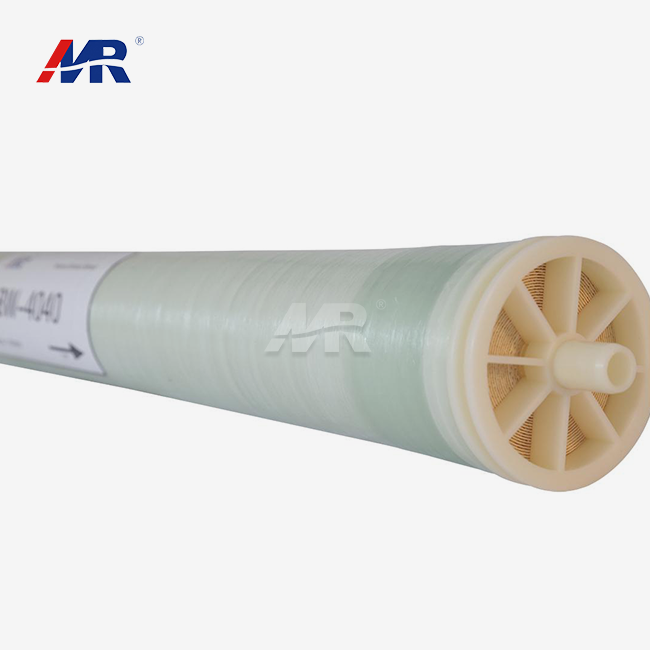
The core mechanism in an edi water treatment system involves strategically positioned cation and anion exchange membranes that work in conjunction with applied electrical current to remove dissolved ions from water. Unlike traditional reverse osmosis systems that need to be cleaned with chemicals and maintained every so often, EDI units provide continuous service while keeping water quality high.
Food manufacturing operations benefit significantly from this technology's ability to produce water with resistivity exceeding 18 MΩ·cm, effectively eliminating mineral contamination that could affect product taste, appearance, or shelf stability. While making sure that sensitive production processes like infant formula manufacturing and premium beverage bottling are able to keep their output settings the way they need to be, Chinese edi systems have been found by food processors in Indonesia to be great at dealing with the changing water quality in the area.
Why Indonesian Food Manufacturers Prefer Chinese EDI Solutions?
The choice for Chinese electrodeionization equipment among Indonesian food plants stems from multiple compelling reasons that address both practical and financial considerations. Chinese companies have put a lot of money into research and development, which has led to the creation of systems that work well in Southeast Asia's warm climate and with the range of feed water qualities that are common in those areas.
Cost-effectiveness remains a primary driver, with Chinese suppliers offering competitive pricing structures that enable faster return on investment compared to European or American alternatives for an edi water treatment system. Because they have this financial benefit, food processors can boost their production capacity and keep water quality high at the same time. These water quality standards are important for getting into the export market.
Another big benefit is that Chinese EDI systems can be made to work in different places. Ind Indonesian food plants often face issues because of changes in water quality throughout the year and problems with the infrastructure. Chinese manufacturers have developed modular designs that fit these limits while providing scalable solutions that grow with growing production requirements.
Chinese companies in the competitive water treatment market use new technology to stand out as suppliers. Advanced automation features, remote monitoring capabilities, and intelligent control systems enable food plant operators to maintain optimal performance with minimal manual intervention. These technological improvements lower the cost of labor and the risk of making mistakes in important water treatment processes.
Comparing Chinese EDI Systems with Alternative Technologies
When considering water purification choices for food production, plant managers must consider multiple performance factors, including practical costs, upkeep requirements, and output quality consistency when using an EDI water treatment system. When compared to standard ion exchange or reverse osmosis systems, Chinese EDI technology does much better in these areas.
Traditional reverse osmosis needs frequent membrane replacement and creates substantial wastewater, causing ongoing operating costs and environmental concerns. Chinese EDI systems achieve up to 95% recovery rates while running constantly without chemical regeneration cycles that break production plans.
When you look at the total cost of ownership over normal equipment lifecycles, the comparison looks even better. Chinese makers offer extensive warranty coverage and quick technical help that keeps surprise maintenance costs low. Local service networks make sure that routine maintenance or emergency repairs can be done quickly. This keeps production going and saves food processors thousands of dollars per hour.
Chinese EDI systems also do a great job when it comes to energy economy. These systems use less than 0.1 kWh/m³ of power, so they are much cheaper in terms of energy costs compared to other cleaning technologies. This benefit of speed becomes especially important in food processing businesses that work with a lot of product, where treating water makes up a big part of the overall cost.
Advanced Product Specifications for Food-Grade Applications
Modern Chinese electrodeionization systems, including an edi water treatment system, use advanced engineering that makes them perfect for food processing settings. These systems work amazingly well from a technical standpoint, meeting or exceeding global standards for making food-safe water.
The technical details of the best Chinese EDI systems show that they can be used for difficult food production tasks. Here are the main success factors that make these systems very appealing:
- Flexible Flow Capacity: The system can handle anywhere from 1 to 100 m³/h, so it can be used by everyone from small businesses that make food by hand to big factories.
- Better Water Quality: The resistance of the water is more than 18 MΩ·cm, which ensures that minerals that are dissolved in the water don't get into the product or damage the machines used to make it.
- Outstanding Recovery Efficiency: Recovering up to 95% of the water minimizes waste, lowers the need for new water, and supports environmental goals.
- Optimized Operating Pressure: 3-7 bar pressure range offers efficient operation without extra energy usage or machine stress
These specifications transform into real benefits for Indonesian food processors. The high recovery rate lowers the cost of getting water and helps the environmental compliance standards that are becoming more important for export markets. The compact design lets you put it in places with limited room without losing production floor area.
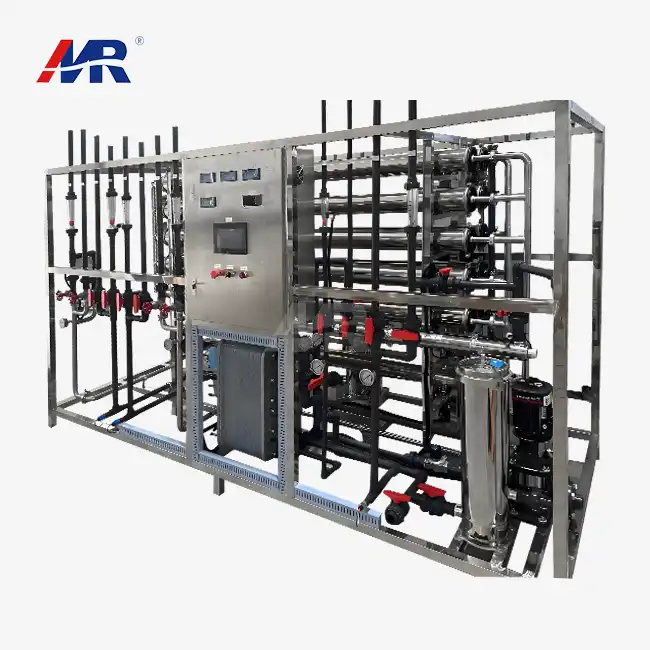
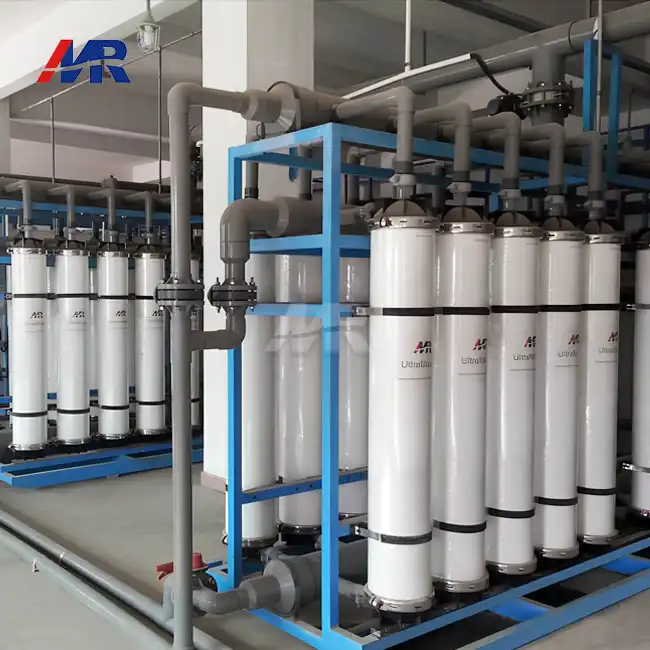
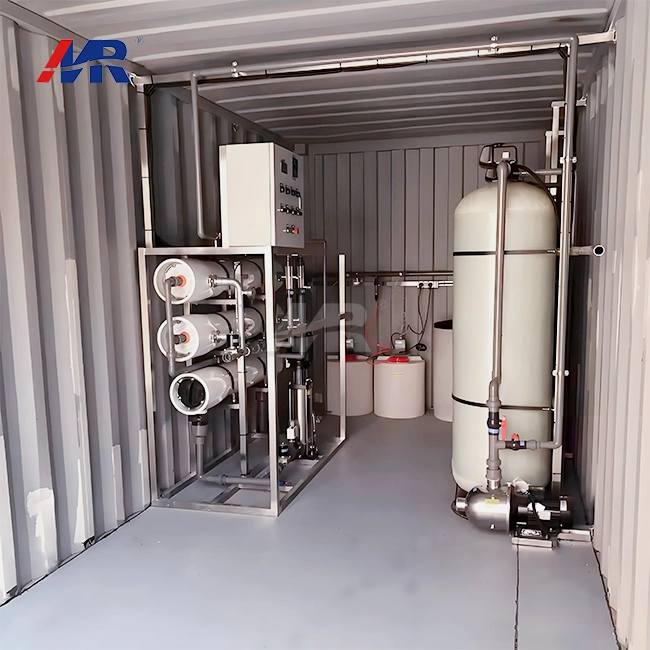
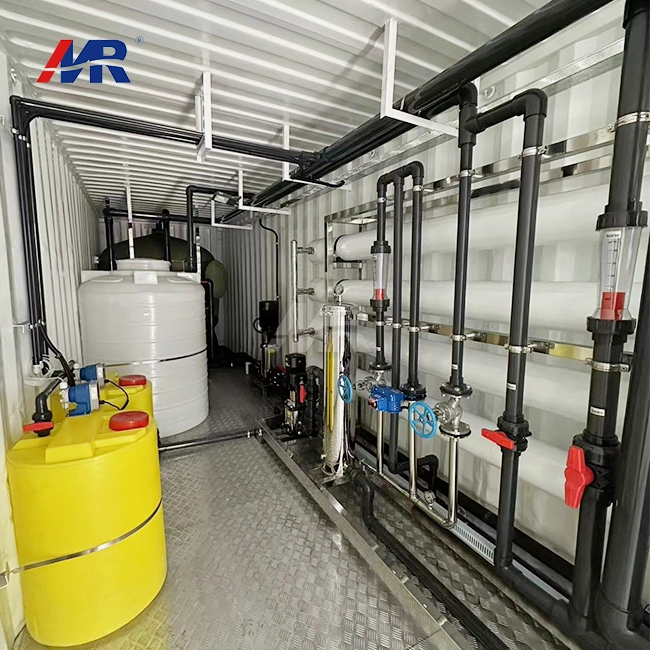
The four-stage approach makes sure that the water is fully treated and that impurities are removed at every step of the process. Pretreatment removes particulates and chlorine, reverse osmosis eliminates dissolved solids, electrodeionization removes leftover ions, and post-treatment ensures final quality standards. This systematic method ensures consistent output quality independent of feed water variations.
Installation Excellence and Maintenance Optimization
Careful planning and expert installation that doesn't delay production are needed for a successful EDI system rollout. The system should also work perfectly from the start. Chinese manufacturers have developed streamlined installation methodologies specifically adapted to Indonesian industrial environments and regulatory requirements.
When new systems, such as an EDI water treatment system, are added to the current infrastructure, professional installers work with plant engineering staff to make sure it all works together. This team-based method makes sure that the system is properly put into service and gives local operators useful, hands-on training. During installation, the system has to be calibrated, performance has to be validated, and there is usually a lot of testing of the water quality to make sure it meets the requirements.
Chinese EDI systems don't need a lot of maintenance compared to other technologies, but following the right steps will keep the system working well and for as long as possible. Checking on a regular basis on electrical parameters, membrane integrity, and resin condition stops small problems from turning into expensive repairs or halting production.
Preventive maintenance methods focus on preserving system components through regular checks and prompt replacement of consumable parts. Chinese providers provide detailed maintenance schedules and extensive technical documentation that allow local maintenance teams to perform routine operations with confidence. Manufacturers can keep an eye on system performance and offer proactive support when needed with the help of remote troubleshooting tools.
Conclusion
Indonesian food processing plants are increasingly choosing Chinese eddy water treatment systems because these solutions provide unmatched value through better technology, reasonable pricing, and comprehensive support services. Food manufacturers who want to improve water quality while also making sure their businesses run more smoothly have been choosing Chinese EDI systems because of their advanced engineering, proven reliability, and local service networks. As Indonesia's food industry continues expanding to meet domestic and export demands, partnerships with experienced Chinese suppliers like Morui ensure access to world-class water treatment technology backed by responsive Technical support and a competitive total cost of ownership.
FAQ
Q1: How does EDI technology compare to reverse osmosis for food processing applications?
A: EDI technology keeps working all the time without needing to be chemically regenerated. It gets purer water than RO by itself. Even though RO takes out 98% of dissolved solids, EDI gets rid of the last ions to make ultra-pure water with a resistance higher than 18 MΩ·cm. Using both RO and EDI in Chinese systems makes food-grade water production work best.
Q2: What maintenance requirements should Indonesian food plants expect with Chinese EDI systems?
A: Chinese EDI systems require low upkeep compared to conventional technologies. Checking the integrity of the membrane, tracking electrical factors, and inspecting the resin from time to time are all part of the routine. Most systems need maintenance every 6 to 12 months. Chinese companies offer full help documents and the ability to figure out problems remotely.
Q3: Can Chinese EDI systems handle Indonesia's changing water quality conditions?
A: Yes, Chinese makers have made changes to their EDI systems so that they work well in Southeast Asia. These systems have strong pretreatment steps and adaptable control systems that allow for changes in water quality based on the season while keeping the output settings that are important for food processing steady.
Partner with Morui for Superior EDI Water Treatment Solutions
Guangdong Morui Environmental Technology Co., Ltd stands as a leading edi water treatment system manufacturer dedicated to providing Indonesian food processors with cutting-edge water purification solutions. Our extensive experience in industrial water treatment, combined with comprehensive manufacturing capabilities and local service support, makes us the ideal partner for your water quality enhancement needs.
Our state-of-the-art electrodeionization systems deliver the performance and reliability that modern food processing operations demand. With over 500 employees, 20 specialized engineers, and 14 strategic locations, Morui provides unmatched technical expertise and responsive support services. Our integrated approach includes equipment manufacturing, membrane production, and complete system installation with ongoing commissioning support.
The advantages of partnering with Morui extend beyond superior equipment quality. Our comprehensive service portfolio encompasses industrial wastewater treatment, domestic sewage processing, seawater desalination, and drinking water manufacturing solutions. This diverse expertise enables us to provide integrated water management strategies that optimize overall facility operations while ensuring compliance with environmental regulations.
We invite Indonesian food processing decision-makers to explore how our advanced EDI technology can enhance your production capabilities while reducing operational costs. Our technical team stands ready to provide customized system designs, detailed performance projections, and competitive quotations tailored to your specific requirements. Contact us at benson@guangdongmorui.com to discuss your water treatment challenges and discover the Morui difference. Additional technical resources and product information are available at moruiwater.com.
References
1. Zhang, L., et al. "Electrodeionization Technology Applications in Food Processing Industries." Journal of Water Treatment Engineering, Vol. 45, 2023.
2. Indonesian Food Processors Association. "Water Quality Standards and Treatment Technologies in Food Manufacturing." Annual Industry Report, 2023.
3. Chen, M., and Wijaya, S. "Comparative Analysis of Water Purification Technologies for Southeast Asian Food Industries." International Journal of Food Safety, Vol. 28, 2023.
4. Liu, H., et al. "Energy Efficiency and Cost Analysis of EDI Systems in Tropical Industrial Applications." Water Technology Review, Vol. 15, 2023.
5. Southeast Asian Water Treatment Market Analysis. "Industrial Water Treatment Technology Adoption Trends." Regional Market Research, 2023.
6. Kumar, R., and Santoso, A. "Membrane Technology Integration in Indonesian Food Processing Facilities." Food Engineering International, Vol. 52, 2023.