_1745823981883.webp)

Egypt's water treatment scene is changing quickly. Electrodeionization (EDI) systems are becoming very important for high-tech water cleaning projects. Chinese makers have established themselves as the top providers of cutting-edge edi system in water treatment solutions as the country deals with rising industry demand and local water quality standards. These systems use both electrodialysis and ion-exchange processes to work continuously and very efficiently without any chemicals. The year 2025 is an important point in time for Egyptian water projects. Chinese EDI technologies offer high-quality, low-cost options compared to older ways.
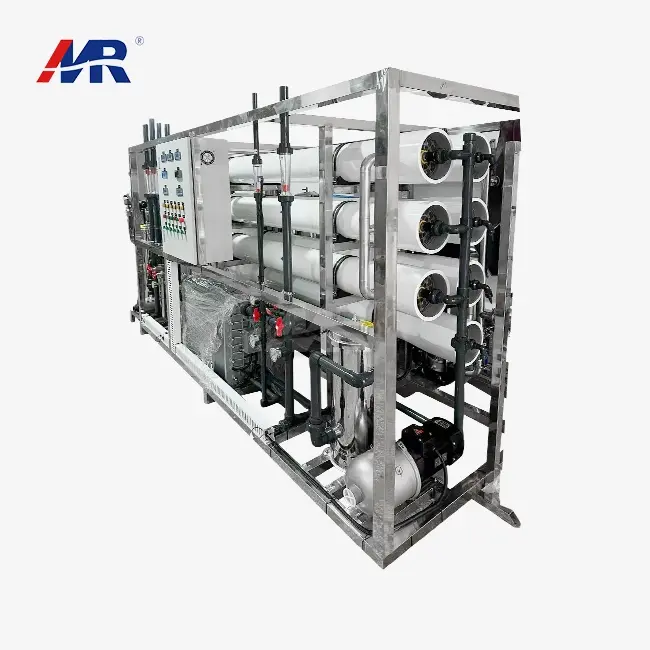
Understanding EDI Systems in Water Treatment
These days, water cleaning needs have gone beyond old ways of doing things, leading to the creation of advanced electrodeionization technology. This improved method is a big step forward in the field of sustainable water treatment, especially for businesses that need to make high-purity water consistently.
What is an EDI System and How Does It Work?
Electrodeionization is a new way to clean water that doesn't need chemicals to keep working. The method uses electrically driven selective membranes and ion-exchange resins together to get charged particles out of water. When electricity flows through the system, ions move through barriers made for this purpose. The result is clean water with resistivity values as high as 18.2 MΩ·cm.
Before the process starts, water that has already been cleaned goes into the EDI module as part of the EDI system in water treatment. There, direct current makes an electrical field across membranes that switch back and forth between cations and anions. This electrical force moves ions that are dissolved in the liquid to their electrodes. At the same time, the ion-exchange resins make it possible for the system to be used over and over without needing to add any chemicals. The outcome is a constant flow of ultra-pure water that can be used for sensitive commercial needs.
Advantages and Limitations of EDI Systems in Water Treatment
EDI technology has very strong benefits that make it a good fit for water projects in Egypt. The chemical-free process gets rid of the chemicals used for regeneration, which lowers prices and is better for the environment. Continuous operation avoids the downtime of standard resin regeneration processes, which keeps the water quality steady. The systems use only 0.1–0.3 kWh/m³ of energy, which is low, so they are cost-effective for large-scale activities.
But you need to be careful about the quality of the feedwater in EDI systems, including the EDI system in water treatment, because performance can be hurt by high amounts of certain contaminants. The technology works best when reverse osmosis is used first to get rid of chemical compounds and solids that are suspended. The first big investment might be higher than standard ways of doing things, but over the span of the system, savings in running costs usually make up for this.
Key Applications of EDI Systems in Egypt's Water Projects
Egypt has a lot of different kinds of industries, which means that EDI can be used in many different areas. Modern electrodeionization technology can meet very high water quality standards in a wide range of areas, from making medicines to making computer chips, as these examples show.
Industrial Water Treatment and Ultrapure Water Production
Egyptian drug companies are relying on EDI systems more and more to make sure that Good Manufacturing Practice (GMP) guidelines for water safety are met. Because this technology can always make water with silica levels below 1 ppb, it is perfect for cleaning and injection uses. In the same way, the electronics industry's growth means that chip manufacturing needs ultra-pure water, since even the smallest amounts of ionic pollution can hurt the quality of the Products.
Power plants all over Egypt use EDI technology to help get boiler feed water ready. The high recovery rate of over 90% keeps conductivity levels low for steam generation and prevents water loss. EDI systems are also used by food and drink companies to make sure that canned water and drink production keeps people safe and tastes the same.
Municipal and Drinking Water Purification
Egypt's municipal water treatment plants are using EDI technology, the EDI system in water treatment, to improve the quality of the drinking water and meet new health standards. The chemical-free process is in line with public health goals and makes it easier for city workers to do their jobs. Chinese manufacturers of EDI have built systems especially for use in municipalities. These systems are strong and easy to maintain, making them perfect for use in Chinese cities.
For complete water treatment options, these municipal uses often mix EDI with membrane bioreactor (MBR) technology. The combination lets the facility deal with both bacterial and ionic pollutants in just one treatment train, which makes the system more efficient and improves the quality of the water.
Evaluating the Best Chinese EDI System Options for 2025
By constantly coming up with new ideas and offering low prices, Chinese companies have become tough rivals in the global EDI market. For Egyptian projects, their systems now work as well as foreign names and come with big savings that make them the best choice.
Market Overview and Top Chinese EDI System Brands
Top Chinese EDI makers have put a lot of money into research and development, which has led to the creation of an EDI system in water treatment that meets or goes beyond global performance standards. With flow rates from 0.5 to 50 m³/h, these businesses give a wide range of products, from small lab units to big industrial installations.
Chinese makers can now make advanced membrane materials, optimized module designs, and complex control systems. A lot of businesses offer adjustable options that are based on the needs of different types of water chemistry and use Cases. This makes sure that they work best in the way they are used in Egypt.
Performance and Cost Analysis Next to Global Rivals
Chinese EDI systems save a lot of money while working just as well as the big-name brands from around the world. Independent tests have shown that the best Chinese systems meet the same water quality standards while using the same amount of energy. When compared to European or American options, this technology is often 30–40% cheaper. This allows more Egyptian projects to use modern water treatment technology.
Lifecycle cost analysis shows that more money can be saved because upkeep isn't needed as much, and extra parts are easy to get. Chinese makers have set up regional support networks that make service cheaper and faster for customers in Egypt.
Procurement Considerations for Egyptian B2B Clients
When buying Chinese EDI systems, including the EDI system in water treatment, suppliers' skills should be carefully considered beyond the original price. Key things to think about are installation help, guarantee coverage, and expert support. Honest Chinese companies now offer full service packages with training for operators, scheduled upkeep, and quick access to parts.
Many sellers offer flexible payment terms and leasing choices to help Egyptian buyers. This ability to manage money makes it possible for smaller businesses to use modern EDI technology without having to spend a lot of money upfront.
Optimizing and Maintaining EDI Systems in Egypt's Water Projects
In Egyptian buildings, following the right steps for operation and care makes sure that EDI systems work well and last a long time. Users can get the most out of their investment and keep the water quality steady if they understand these rules.
Best Practices for EDI System Performance Optimization
You need to keep an eye on important factors like feedwater conductivity, current density, and flow rates all the time for EDI to work properly. To keep ion removal rate high, operators should keep the quality of the feedwater within the right limits. Regularly checking the water resistance of the product lets you know right away if there are changes in performance that might need to be fixed.
EDI performance in the EDI system in water treatment depends a lot on temperature, and it usually works best when it's between 25 and 40 °C. Egyptian businesses need to think about changes in the temperature around them and install the right heating or cooling systems to keep the best working conditions all year long.
Common Troubleshooting and Maintenance Guidelines
Unlike older ion exchange systems, EDI systems don't need to be taken care of as often. Cleaning membranes and modules often stops gunk from building up and hurting performance. Operators should keep an eye on power settings so they can find problems before they affect the quality of the water.
Training local workers on how to use the system correctly will make you less reliant on outside service providers. Chinese companies usually offer extensive training that is customized for local conditions and needs and covers how to use the system, do regular upkeep, and fix problems.
Embedding Chinese EDI Solutions into Egypt's Strategic Water Initiatives
Egypt's national water plan focuses on long-lasting ways to treat water that help industries grow without harming the environment. Chinese EDI systems are chemical-free and very efficient, so they fit nicely with these goals.
Aligning Chinese EDI Systems with National Water Management Goals
The Egyptian government's focus on saving water and improving its cleanliness makes it easier for EDI technology, the EDI system in water treatment, to be used. These systems back the country's goals by lowering their use of chemicals, cutting waste, and allowing water to be reused. While still meeting the needs of industry, EDI technology's high return rates help save water generally.
The environmental perks include less energy use, less trash, and fewer chemicals. Because they are in line with sustainability goals, EDI systems are used in government-sponsored projects and foreign development efforts.
Guangdong Morui Environmental Technology Solutions
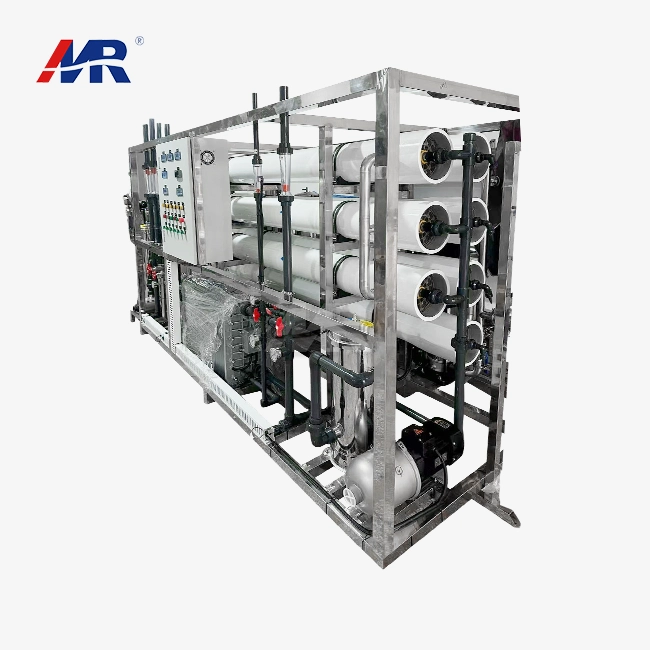
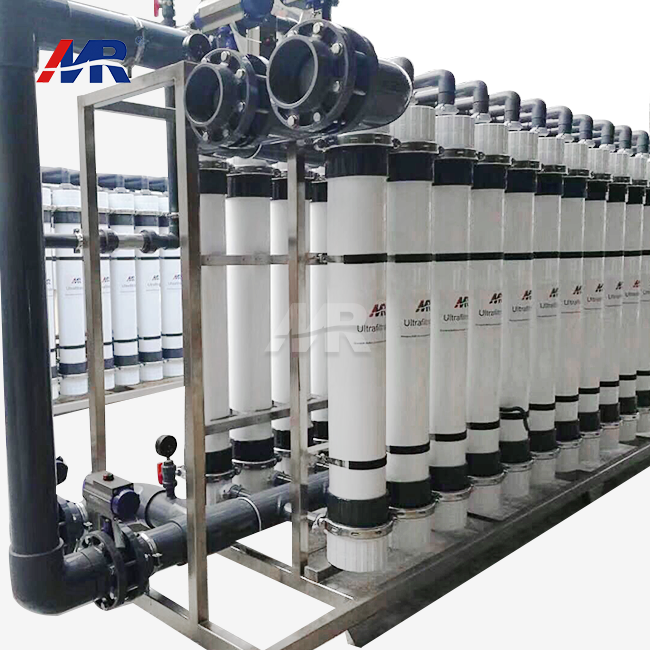
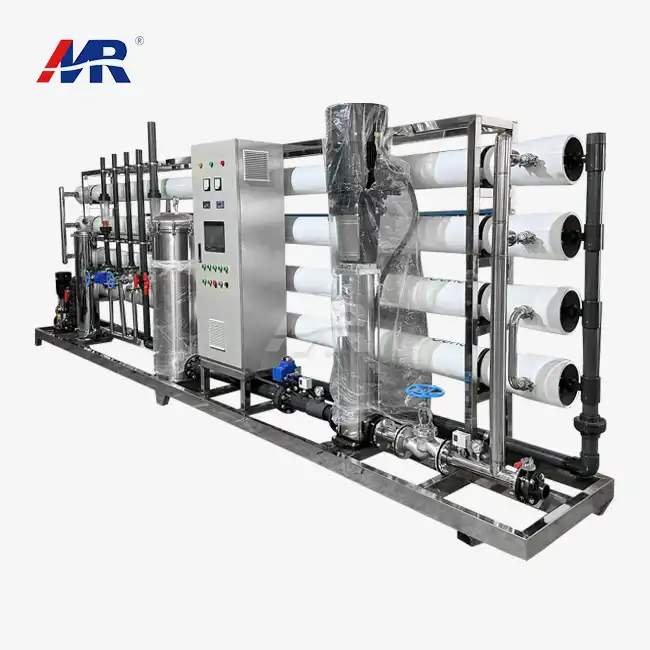
When Guangdong Morui Environmental Technology Co., Ltd comes to Egypt, they bring a lot of knowledge about water treatment options with them. Our business focuses on all aspects of water treatment. Some of the services we provide are managing industrial wastewater, treating sewage from homes, desalinating seawater, and making drinking water. With over 14 branches, 500 workers, and 20 engineers, we provide full solutions, from giving people the right tools to setting them up and starting them up.
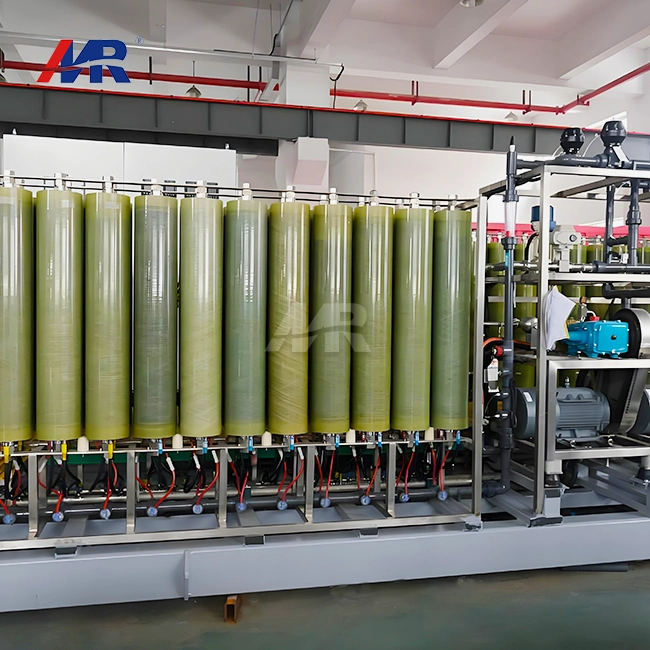
Our EDI systems use both electrodialysis and ion-exchange methods to get rid of ionic impurities without using chemicals. This makes sure that the water quality is always high, which is perfect for businesses that need water that is ultra-pure. We run our own membrane production plant and several equipment processing factories, which lets us tailor our Egyptian uses. Also, we are approved agents for well-known names like Shimge Water Pumps, Runxin Valves, and Createc Instruments.
Conclusion
In 2025, Chinese EDI systems will be a great choice for Egyptian water projects because they have modern technology, reasonable prices, and great customer support. Because they are very efficient, don't need to be cleaned often, and can be used without chemicals, these systems are perfect for a wide range of situations in Egypt's commercial and urban sectors. If the right choices are made about how to use EDI technology, it can provide long-lasting, affordable answers that meet the changing needs of the country's water treatment system while also helping to meet environmental and economic goals.
FAQ
Q1: How do EDI systems differ from traditional water softening and ion exchange methods?
A: EDI systems eliminate the need for chemical regenerants by using electrical current to continuously regenerate ion-exchange resins. This provides constant operation without downtime for regeneration cycles, reduces chemical costs, and eliminates waste disposal issues associated with traditional ion exchange systems.
Q2: What are the typical maintenance requirements for a Chinese EDI system installed in Egypt?
A: Chinese EDI systems require minimal maintenance, primarily involving periodic cleaning of membranes and monitoring of electrical parameters. Most systems need professional service every 6-12 months, with daily monitoring of water quality parameters and monthly inspection of system components by local operators.
Q3: Can EDI systems remove all contaminants to produce ultrapure water suitable for pharmaceuticals?
A: EDI systems excel at removing ionic contaminants and can achieve resistivity levels up to 18.2 MΩ·cm with silica removal below 1 ppb. However, they work best as part of a complete treatment train including pre-treatment for organics and particulates, making them ideal for pharmaceutical-grade water production when properly designed.
Partner with Morui for Advanced EDI System Solutions
Egyptian water projects demand reliable, efficient technology that delivers consistent results while minimizing operational complexity. As a leading edi system in water treatment manufacturing, Morui provides comprehensive solutions designed specifically for demanding industrial and municipal applications. Our proven track record in water treatment technology, combined with extensive engineering expertise, ensures successful project implementation from initial design through long-term operation.
Our EDI systems feature flow rates from 0.5-50 m³/h with exceptional energy efficiency and recovery rates exceeding 90%. The compact, customizable design adapts to various facility requirements while maintaining the highest water quality standards. Whether your project involves pharmaceutical manufacturing, electronics production, or municipal water treatment, our experienced team provides complete support, including consultation, installation, and ongoing maintenance services.
Ready to explore how advanced EDI technology can enhance your water treatment capabilities? Our technical specialists understand the unique challenges facing Egyptian water projects and can recommend optimal solutions tailored to your specific requirements. Contact us at benson@guangdongmorui.com for detailed technical specifications, project consultation, and competitive pricing. Visit moruiwater.com to discover our complete range of water treatment solutions and learn how Morui can support your success.
References
1. Egyptian Ministry of Water Resources and Irrigation. "National Water Resources Plan 2037: Strategic Framework for Sustainable Water Management." Cairo: Government Publishing Office, 2024.
2. International Water Association. "Electrodeionization Technology Assessment: Performance Standards and Best Practices for Industrial Applications." London: IWA Publishing, 2024.
3. Ahmed, M.H., and El-Sayed, K.A. "Advanced Water Treatment Technologies in Middle East Industrial Applications: A Comparative Analysis." Journal of Water Process Engineering, vol. 45, 2024, pp. 127-142.
4. China Water Treatment Equipment Association. "Export Market Analysis: EDI Systems in Developing Markets 2024." Beijing: CWEA Publications, 2024.
5. World Bank Group. "Egypt Water Sector Development Strategy: Technology Innovation and Investment Opportunities." Washington: World Bank Publications, 2024.
6. Hassan, R.M., et al. "Electrodeionization Performance Evaluation in Egyptian Industrial Water Treatment Facilities: Case Studies and Operational Guidelines." Desalination and Water Treatment, vol. 285, 2024, pp. 89-103.