_1745823981883.webp)

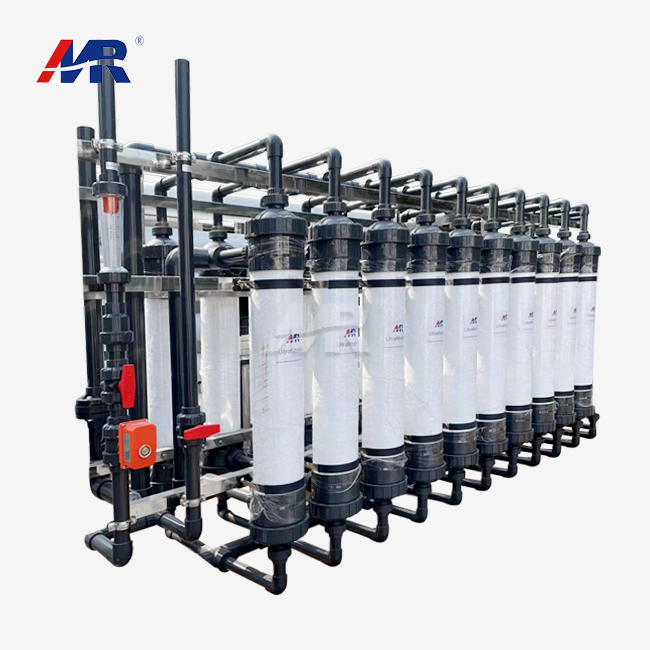
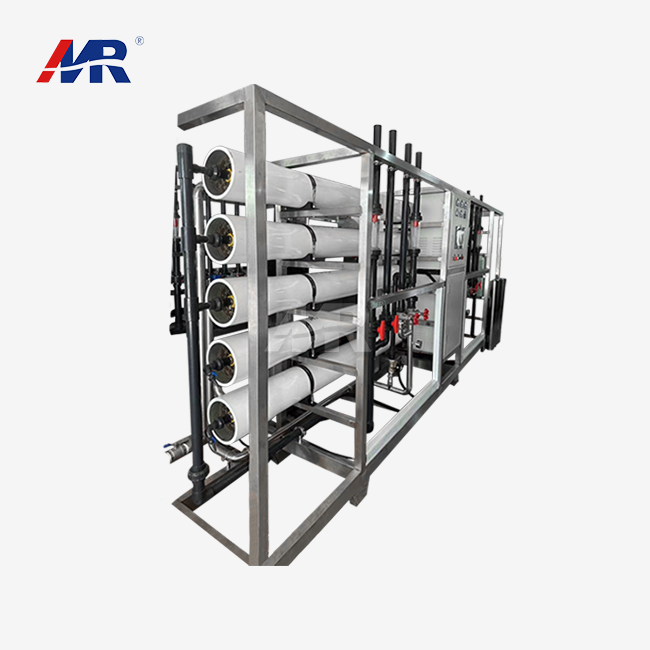
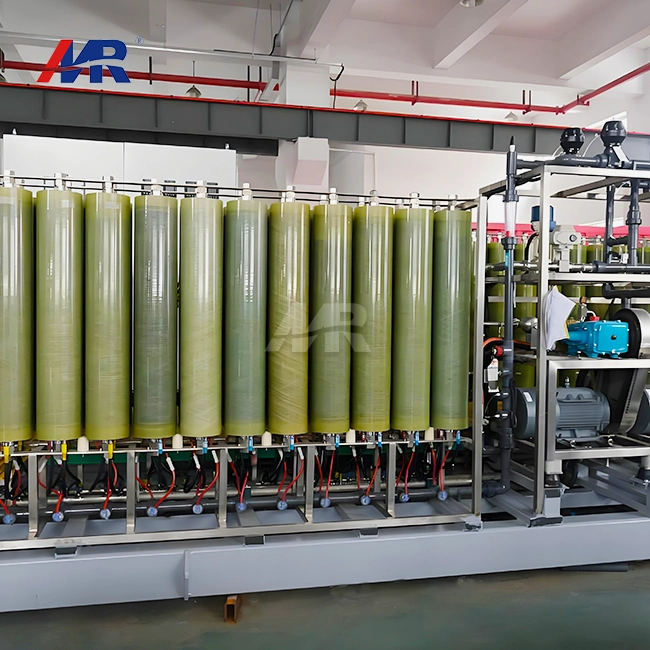
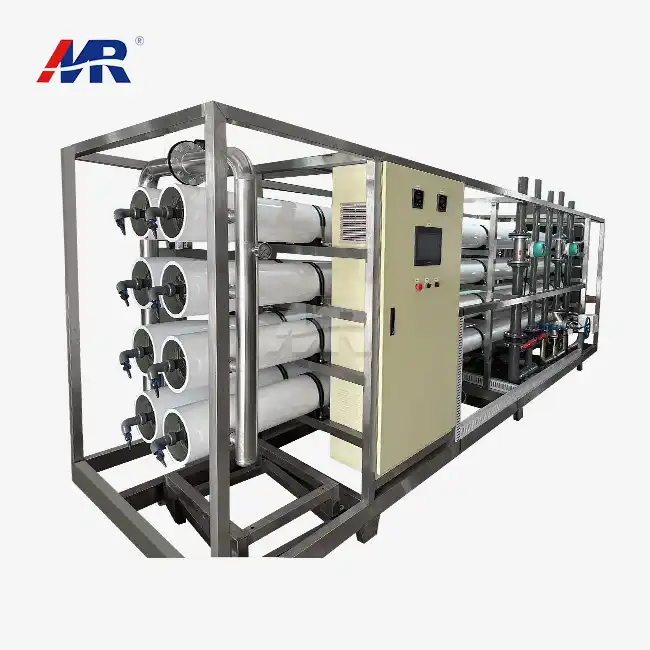
It is important to choose a 2m³/h edi system for Nigerian companies that has the right technical specs, a trustworthy provider, and low long-term costs. The 2m³/h EDI system is the best fit for medium-sized industrial processes. It makes ultra-pure water, and it doesn't need to be chemically regenerated. Chinese makers have become top providers in this field, offering goods at a low cost that meet high standards of quality and also take into account the unique needs of Nigerian industries like electronics, food processing, and pharmaceuticals.

Understanding 2m³/h EDI Systems: Principles and Benefits
Electrodeionization uses ion exchange materials and electric current to make water that is always ultra-pure. The 2m³/h capacity is the perfect mix between the amount of water produced and energy efficiency. This makes it a good choice for companies that need to keep water quality consistent without having to spend a lot on infrastructure.
The method includes four separate steps that make sure all the water is clean. In the pretreatment stage, filter systems get rid of big bits and organic waste. Reverse osmosis removes a lot of the minerals from the water in the first step and lowers the total dissolved solids. The 2m3/hour EDI system process then does the finishing cleaning to get ultrapure water, and post-treatment lets you change the pH and remineralize when needed.
Today's EDI units do a much better job than older deionization ways. These methods keep recovery rates over 90% while getting the water quality below 0.1 µS/cm conductivity. The 1200 x 800 x 1800 mm compact form makes it easy to fit into a plant setup since it doesn't take up a lot of space.
Nigerian water quality standards stress that system performance must be maintained by constant input parameters. To keep the membrane from breaking down too soon and to get the best results, the feed water conductivity must stay below 20 µS/cm. Modern electrodeionization tools for industry are a great match for this requirement.
Comparing 2m³/h EDI Systems: How to Evaluate Options from China
Looking at different capacity choices shows why a lot of Nigerian makers like the 2m³/h EDI system 2m³/h standard. Compared to smaller 1m³/h units, the larger one uses less power and is more cost-effective. The system's energy needs remain very low at under 0.1 kWh/m³, which greatly lowers the cost to run it over its lifetime.
Here are the main benefits that make good EDI systems better than older, more common options:
- Chemical-free operation: This feature gets rid of acids and other chemicals used for renewal. This simplifies the process, protects the environment, and lowers the costs and need for storage space for chemicals.
- Automated process control: advanced tracking systems automatically keep the water quality the same, which lowers the amount of work needed and the chance of making mistakes in important production steps.
- Needs very little upkeep: Strong design and high-quality parts make sure that operating times between service intervals are longer. This maximizes uptime and lowers maintenance costs.
- Consistent water quality output: The continuous deionization method maintains resistivity levels even when the feed water changes. This guarantees dependable production quality for sensitive industrial uses.
These benefits together help Nigerian companies with issues they often face, especially when it comes to cost control and reliable operations. The ability to run the machine without chemicals is especially useful in places where the supply line for chemicals can break down.
When looking at ultrapure water systems made by different companies in China, the recovery rate is an important thing to look at since it can show how the systems are different from each other. In places where people are worried about not having enough water, systems that get back more than 90% of the water they use are important because they reduce water waste. The working pressure range of 0.3 to 0.7 MPa makes sure that it works with normal industry water supply systems.
Procurement Essentials: Selecting and Ordering 2m³/h EDI Systems from China
Successful procurement starts with a close look at suppliers, focused on their ability to make Products and quality testing methods. Chinese makers of EDI systems usually offer agreement with ISO approval, which shows that they follow global standards for quality management. This approval gives you peace of mind about the reliability of the product and the consistency of the production process.
The ability to customize is another important thing to think about when choosing a 2m³/h EDI system source. Trustworthy makers can change the way that systems are set up so that they meet the needs of different industries. This can include changes like making the system able to handle more or less output, adding on to or integrating with current factory automation systems, or making sure that the system can be used to watch specific things. These changes make sure that the best performance is achieved in a range of different settings.
Understanding how prices are set helps buying teams make smart choices when they need to stick to a budget. The quality of the materials, the difficulty of the specifications, and the number of orders are all factors that affect the cost of the EDI system. A lot of Chinese sellers give bulk discounts for purchases of many units, which makes planning for growth more affordable.
Warranty terms and expert help after a sale have a big effect on long-term operational success. A full guarantee should cover replacing parts, getting expert help, and diagnosing problems from afar. Trustworthy vendors keep service networks or partnerships that can help people in the area when they need it. This cuts down on the time it takes to respond to important problems.
Installation tasks must be carefully planned so that the project can go as planned. Depending on the needs of special orders and the plan for production, lead times usually take between 4 and 8 weeks. To avoid delays and costs in installation, procurement teams should make sure that the time of the delivery works with the preparation of the building.
Technical Specifications and Maintenance for Long-Term Efficiency
Before making a buy, these important technical details must be checked first. The small size of 1200 x 800 x 1800 mm fits most plant layouts and gives enough space for upkeep to be done. Electrical needs usually include being able to work with a normal industrial power source, but voltage and frequency settings should fit with the infrastructure in the area.
The flow control features let you precisely handle the output to meet the needs of production. Advanced systems have variable flow features that change the rate of production based on demand signals from equipment that is linked to them. This ability to change ensures that enough water is available during the busiest production times while also using energy efficiently.
Proactive repair not only keeps systems running at top speed but also makes them last longer. Regular checkup plans should include checking the state of the membrane, the resin bed, and the electrical system. These checks find possible problems before they affect production, which saves money by avoiding downtime.
A very important way to keep parts from wearing out too early is to keep an eye on the quality of the feed water for the 2m3/hour EDI system. Ongoing conductivity tracking makes sure that the input specs stay within the right limits. If the quality of the feed water drops, preparation systems may need to be changed or improved so that the EDI parts downstream are protected.
Understanding the things that affect the lifespan of a system helps people make better estimates of the return on investment. If you take care of it, deionized water technology of a high quality usually works well for 10 to 15 years. But aggressive feed water conditions or too much capacity use may shorten operating life, so frequent checks are necessary.
Applications Across Nigerian Industrial Sectors
Because 2m³/h EDI systems can be used in many different ways, they can be used in a wide range of industries across Nigeria. Pharmaceutical manufacturing facilities need ultrapure water to make drugs and clean equipment. The uniform quality of the water affects both the safety of the drugs and compliance with regulations. The chemical-free process gets rid of the risks of pollution that come with renewal chemicals.
Electronics and semiconductors are made with very clean water using a 2m³/h EDI system so that the parts can be cleaned and the products can be made. Even small amounts of ionic contamination can cause problems with the product. This is why it is important to have effective water cleaning systems to keep up with production and product quality standards.
Food and drink making plants use EDI systems to get ingredients ready and clean equipment. The steady quality of the water makes sure that the food tastes good and is safe while also following food safety rules that are getting stricter all the time. The automatic process keeps safety paperwork in order and requires less manual work.
Power companies, especially nuclear and thermal ones, need ultra-pure water for boiler feedwater. The water's low conductivity stops both scale and corrosion from forming. This makes the tools last longer and improves the speed of operations. The dependable output from EDI systems serves the needs of ongoing power generation.
Conclusion
When choosing the right 2m³/h EDI system, technical details, supplier stability, and long-term operating needs must all be taken into account. Chinese makers offer great deals on proven options that are good for the Nigerian industry. With cutting-edge technology, low prices, and great customer support, these systems are perfect for companies that want to make sure they always get super clean water. A close look at the supplier's skills, technical specs, and upkeep needs makes sure that the process goes smoothly and keeps working benefits. Using good EDI technology helps with production speed, legal compliance, and long-term competitiveness in manufacturing markets where these factors are important.
FAQ
Q1: How long does it usually take to send 2m³/h EDI systems to Nigeria?
A: Standard delivery times rely on the current manufacturing plans and how much the order needs to be customized. Delivery times usually take between 4 and 8 weeks. We work closely with our transportation partners to make sure that goods are delivered on time, and we keep them updated regularly during the production and shipping process.
Q2: In what ways is EDI technology not the same as older methods that use reverse osmosis?
A: Electrical current is used with ion exchange resins in EDI systems to keep deionization going without having to chemically regenerate. EDI gives you better water quality and lower costs for maintenance and operations, while reverse osmosis just takes out dissolved solids through membrane filtering.
Q3: What do you need to do before an EDI system can work well?
A: Sediment filtering, activated carbon treatment, and reverse osmosis preconditioning are all good ways to pretreat water. To make sure the feed water conductivity stays below 20 µS/cm, membrane breakdown doesn't happen too soon, and the quality of the ultrapure water output is always the same, the feed water conductivity must stay below 20 µS/cm.
Partner with Morui for Superior 2m³/h EDI System Solutions
Guangdong Morui Environmental Technology Co., Ltd. has a lot of experience with water cleaning options that are made to be used in Nigerian industries. Our all-inclusive method joins state-of-the-art production with focused customer service. This guarantees the success of every step of a project, from the first meeting to its long-term use.
As a top provider of 2m³/h EDI systems, we uphold strict quality control standards in all of our manufacturing processes. Our plant makes high-performance systems that always meet the technical requirements needed for difficult commercial uses. In our systems, ion exchange and membrane separation technologies work together to make sure that ultrapure water is always made.
We offer more than just tools; we can also help with your entire job. We help with system design, oversee installations, teach operators, and offer ongoing support. This all-encompassing method lowers the chances of problems arising during execution and boosts efficiency from the very first day.
Our organization has the means to help with complicated projects and give quick customer service. With more than 14 branches and 500 employees, including 20 specialized engineers, we can get the job done. Our membrane production plant and several equipment preparation facilities make sure that products are always available at good prices.
We invite Nigerian factory managers and procurement professionals to explore our advanced EDI solutions. Our Team stands ready to provide detailed technical consultations and customized quotations tailored to your specific water purification requirements. Contact us at benson@guangdongmorui.com to discuss how our 2m³/h EDI systems can enhance your production capabilities and water quality management.
References
1. Industrial Water Treatment Association. "Electrodeionization Technology Guidelines for Manufacturing Applications." Technical Publication Series, 2023.
2. Nigerian Standards Organisation. "Water Quality Standards for Industrial Manufacturing Processes." NSO Publication WQ-2022-04.
3. International Water Association. "Membrane Technology Applications in Developing Industrial Markets." Global Water Technology Review, 2023.
4. Chemical Engineering Progress Magazine. "EDI System Performance Analysis in Tropical Climate Conditions." Process Technology Section, Vol. 119, 2023.
5. Water Technology International. "Cost-Benefit Analysis of Ultrapure Water Systems in African Manufacturing." Industrial Applications Quarterly, 2023.
6. Journal of Water Process Engineering. "Electrodeionization System Optimization for Medium-Scale Industrial Applications." Research Article Database, 2023.