

_1745823981883.webp)

Common Problems with ROI Water Systems and How to Fix Them Quickly
ROI Water Systems are important parts of modern industrial water treatment because they offer safe ways to clean water that get the best return on investment by making operations more efficient and lowering costs. But, like any complex piece of equipment, these systems can run into problems that lower their performance and make them less profitable. For keeping your system running at its best, reducing downtime, and protecting your investment, it's important to know how to fix common problems quickly. This complete guide talks about the most common problems that ROI Water System users have and gives them useful answers that they can use right away to get back to working at their best.
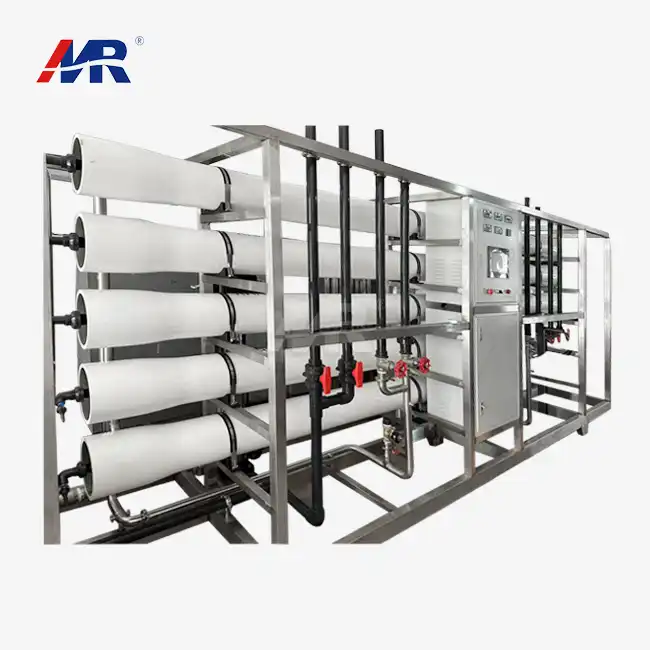
Common Problems Faced by ROI Water Systems
Membrane Fouling and Blockage Issues
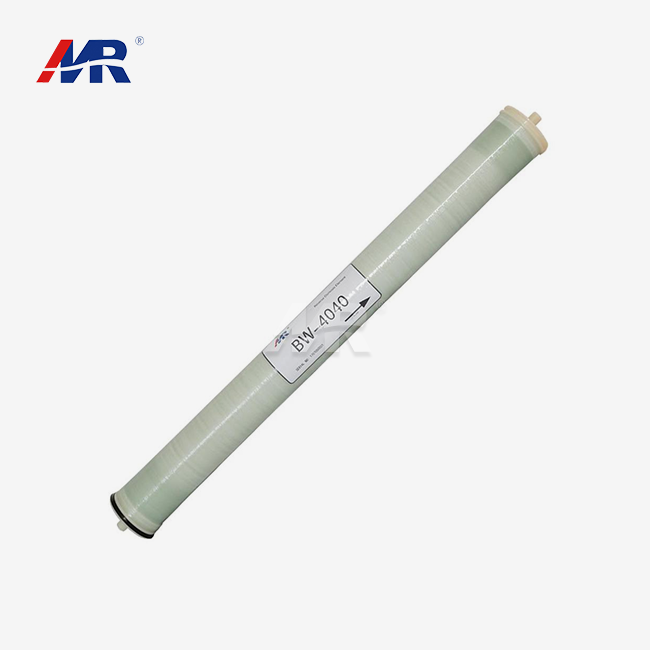
Problems with membrane fouling are one of the biggest problems in water treatment, especially with ultrafiltration and reverse osmosis methods. When contaminants build up on membrane surfaces, water flow slows down a lot. This makes pumps work harder and use more energy than they need to. This issue usually shows up as lower permeate flow rates, bigger pressure differences across membranes, and worsening water quality measurements.
Fouling on membranes is caused by not properly pretreating, not cleaning them on a regular basis, and water chemistry that doesn't work well together. Layers made of organic matter, minerals that break down, and biological growth make it harder for water to pass through the membrane holes. This problem happens more often in industries that process high-solids water sources, like food processing plants or pharmaceutical factories, because their feed water is more likely to be contaminated.
Pressure System Malfunctions
When water treatment systems in an ROI water system have problems with pressure, they set off a chain of events that lowers total performance and raises running costs. Low pressure usually means that the pump is worn out, a valve isn't working right, or there are limits in the pipeline. On the other hand, high pressure can damage sensitive membrane parts and shorten the life of the system. These changes throw off the careful balance that is needed for division to work at its best.
Monitoring the pressure is very important when systems are used in harsh conditions, like when making semiconductors, where ultrapure water needs to be controlled very precisely. Not controlling the pressure properly lowers the quality of the result, uses more energy, and speeds up the breakdown of parts. Monitoring the pressure on a regular basis and acting quickly can stop small problems from turning into expensive system breakdowns.
Water Quality Inconsistencies
Industries that need very pure water, like science, electronics, and pharmaceuticals, are at great risk when the quality of the output isn't constant. Quality changes often happen because of bad tracking, sensor drift, or pollution that gets through during times of high demand. These changes can hurt the quality of a product and make it harder to follow the rules.
Problems with water quality in an ROI water system often happen when systems are used beyond their intended limits or when repair schedules are not kept up to date, as recommended by the maker. Chemical dosing errors, filter breakthrough, and yearly changes in the features of the source water all cause quality problems that need to be fixed right away to keep production from stopping.
Effective Troubleshooting and Quick Fixes for ROI Water System Problems
Rapid Membrane Cleaning Protocols
By following organized cleaning steps for membranes, function can be restored in hours instead of days. Chemical cleaning includes running specially made solutions through the membranes to get rid of built-up contaminants without hurting the materials. How often it is cleaned depends on the quality of the feed water. Sources with a lot of dirt need to be cleaned once a week, while sources with less dirt can go up to once a month.
Finding the main way that fouling happens through a membrane autopsy or performance trending analysis is the first step in making cleaning methods that work. Mineral scaling needs acidic solutions with chelating agents, while organic fouling works well with alkaline cleaners that have surfactants in them. Biological fouling needs biocides and then a full clean to get rid of any leftover chemicals that could cause problems.
Air-water washing is an advanced method of cleaning that uses mechanical motion to loosen tough deposits. This method works especially well for getting rid of biofilms and crystalline particles that can't be removed with chemicals alone. Using the right cleaning steps can bring back permeate flow rates to the original design levels and greatly increase the service life of the membrane.
Pressure Balancing and Pump Optimization
The first step in fixing a pressure system problem in an ROI water system is to make a full pressure map of all the parts of the system. Adding more pressure gauges to key areas gives you real-time information about the hydraulics of the system and helps you quickly find places where flow is being slowed down. Variable frequency drives on pumps let you precisely control the pressure and use less energy when demand is low.
Instead of using the settings that were originally designed, pump optimization includes changing the working parameters to fit the current system conditions. As membranes get older and fouling patterns form, pump shapes need to be changed to keep the best performance. Regular upkeep on pumps, like checking the rotor and lubricating the bearings, keeps them from breaking down suddenly and stopping work.
Calibration of the pressure release valve protects the system and keeps it running efficiently. These safety devices need to be tested on a regular basis to make sure they are set correctly and to keep them from breaking during pressure spikes. Automated pressure control systems can respond quickly to changing circumstances and make the job of the user a lot easier.
Water Quality Monitoring Enhancement
Real-time tracking systems give instant feedback on aspects of water quality, so changes can be made quickly before they affect production processes. Conductivity, pH, turbidity, and total organic carbon can all be measured continuously by modern devices that can also automatically log data and sound a warning. These systems connect to plant control networks so that tracking and reaction planning can be done from one place.
Calibration procedures make sure that sensors are accurate and that the data used for making decisions is reliable. Calibration with approved reference standards once a month keeps the accuracy of measurements within acceptable limits. Scheduling sensor replacements based on what the maker says is best stops quality changes caused by drift that could affect product specs.
Grab sampling and lab analysis are part of quality assurance processes that check live sensor readings. Because it uses two checks, this method makes people more confident in automatic systems and gives them the tools they need to fix complicated quality problems.
Comparing ROI Water Systems Troubleshooting to Traditional Solutions
Advanced Diagnostic Capabilities
Modern water cleaning systems have advanced monitoring tools that are faster and more accurate than older ways of fixing problems. Automated tracking systems keep an eye on performance factors all the time and spot problems as they arise, before they become so bad that the system fails. When compared to reactive maintenance tactics, this predictive maintenance method cuts down on unplanned downtime by as much as 60%.
In the past, systems depended on manual tracking and regular performance checks, which meant that important warning signs were often missed until problems got really bad. The delay between when a problem started and when it was found often caused a lot of damage that needed major fixes or part replacement. Advanced systems send out instant alerts and troubleshooting instructions that let people act quickly.
Performance trends let workers spot small changes in how the system works that point to problems that are starting to form. These early warning systems make maintenance happen during planned shutdowns instead of causing fixes to happen when production is low. System upgrades are usually paid for within 12 to 18 months by the money saved by not having to deal with unplanned downtime.
Automated Response Systems
Automated control systems in an ROI water system can adapt to new situations more quickly than human processes, keeping performance at its best even when the load changes. Multiple sensors placed along the treatment train send real-time feedback that is used to change the chemical doses, pressure settings, and cleaning processes. The reaction time and accuracy are faster and more accurate than humans can achieve while requiring less work.
Integration with plant management systems lets responses be organized in a way that makes the whole building more efficient. Production tools and water treatment systems talk to each other so that capacity can be changed based on expected demand and product plans. This teamwork keeps energy use to a minimum and makes sure that all processes have enough water.
Expert help from equipment makers and service providers is possible thanks to remote tracking. This works no matter where the building is located. Using real-time data and video links, technical experts can figure out what's wrong and show local workers how to fix it. This help cuts down on the time needed to fix problems and greatly increases the success rates of repairs.
Installation and Operational Best Practices to Minimize Issues
Professional Installation Standards
Installing something correctly by qualified professionals sets the stage for long-term reliability and reduces the number of early problems that could affect how well the system works. The quality of the installation affects every part of the system, from how well the water flows to how long the membrane lasts. Certified fitters know how to follow maker instructions and local rules to make sure the job is done right and legally.
As part of the installation process, the system is fully tested to make sure that all of its parts work as intended before it is handed over to building staff. This process includes checking the pressure, making sure the flow is correct, calibrating the control system, and making sure it works by using real-life site conditions. While the guarantee is still in effect, thorough testing finds any problems that might arise.
Documentation packages include all the knowledge you need about a system, like how to use it, when to do upkeep, and how to fix problems. These tools help building staff keep systems in good shape and quickly figure out what services are needed. Operators stay up to date on best practices and new technology by getting training updates on a regular basis.
Preventive Maintenance Programs
Structured repair programs for an ROI water system keep small problems from getting worse and boost the performance and life of systems. These programs include regular checks, dates for replacing parts, and performance tracking rules that are made to fit particular working conditions. When compared to reactive methods, preventative maintenance cuts the cost of emergency repairs by as much as 75%.
Coordinating maintenance schedules with production needs keeps interruptions to a minimum and makes sure that systems get the care they need. Maintenance tasks that are planned to happen during planned downtimes or times of low demand keep the system available when it's needed the most. Planning ahead lets you get parts and schedule technicians, which cuts down on the time needed for repair.
Training programs give building workers the skills they need to do regular maintenance jobs in a safe and effective way. Hands-on training includes finding parts, fixing simple problems, and following safety rules that are specific to water treatment systems. Operators stay up to date on new technology and repair methods by continuing their education.
Conclusion
To fix common issues with ROI Water Systems, you need to know what's causing them and then use organized methods to get them back to working at their best quickly. The most common problems are membrane fouling, uneven pressure, and inconsistent water quality. These problems can be greatly reduced by using the right debugging methods and performing regular preventative maintenance. Modern systems can do more complex diagnostics and have automatic reactions that are faster and more effective than older methods. Professional installation and structured upkeep programs set the stage for effective long-term operation while increasing efficiency and lowering running costs to maximize return on investment.
FAQ
Q1: What are the most common signs that my water treatment system needs immediate attention?
Water quality measurement changes, decreasing permeate flow rates, and rising pressure differences across membranes are all signs that something needs to be fixed right away. Using more energy and pump spinning more often are both signs of problems that need to be fixed quickly to keep the system from getting damaged.
Q2: How often should membrane cleaning be performed in industrial applications?
How often the membrane is cleaned depends on the quality of the feed water and how the system is being used. Cleaning rounds usually happen once a week for sources that are very dirty and once a month for cleaner uses. Monitoring performance is the best way to figure out how to make cleaning plans work best based on how the system is actually working.
Q3: What preventive maintenance tasks can facility personnel perform safely?
Visual checks, readings from the pressure gauge, testing of the water quality, and filter replacement are all safe jobs that can be done by trained facility staff. To make sure safety and warranty compliance, only trained techs should do complicated tasks that involve chemicals or electrical parts.
Q4: How do I determine if my system requires an upgrade or replacement?
System age, how often it needs repairs, how energy-efficient it is, and compliance with regulations all affect the need for an update. Modern technology upgrades can often help systems that are more than 10 years old and whose upkeep costs are going up. These improvements make the systems more efficient and reliable while also lowering their operational costs.
Partner with Morui for Optimal Water Treatment Performance
Through cutting-edge technology and expert support services, Morui offers complete water cleaning options that boost operating efficiency while lowering long-term costs. Our skilled engineers work closely with clients to find out exactly what they need and then create custom systems that perform better than expected. As one of the biggest companies that makes ROI Water Systems, we have full control over the quality of our Products and when they are delivered.
Email our experts at benson@guangdongmorui.com to talk about your water cleaning problems and find out how our tried-and-true solutions can help your business run more smoothly.
References
1. Water Treatment Plant Design Manual, American Water Works Association, 5th Edition, 2019
2. Industrial Water Treatment: Principles and Practice, Chemical Engineering Progress Technical Manual, 2020
3. Membrane Technology in Water and Wastewater Treatment, Royal Society of Chemistry, 2018
4. Troubleshooting Industrial Water Systems: A Practical Guide, Water Quality Association, 2021
5. Best Practices for Water System Maintenance in Manufacturing, International Association of Plumbing and Mechanical Officials, 2019
6. Advanced Water Treatment Technologies: Performance and Optimization, American Chemical Society, 2020
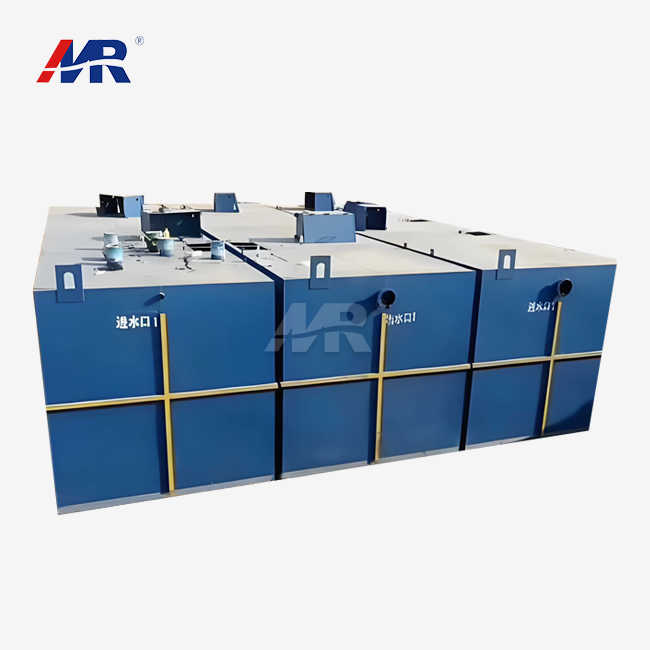 VIEW MOREcommercial sewage treatment plant
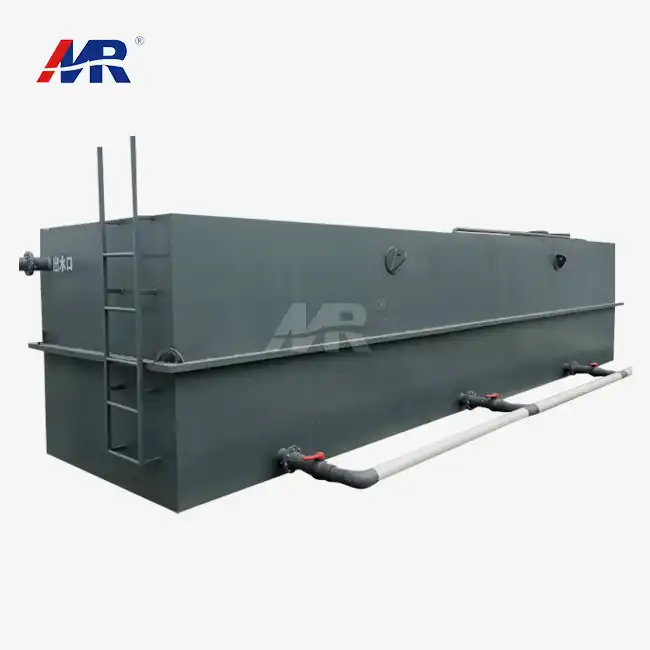 VIEW MOREportable wastewater treatment plant
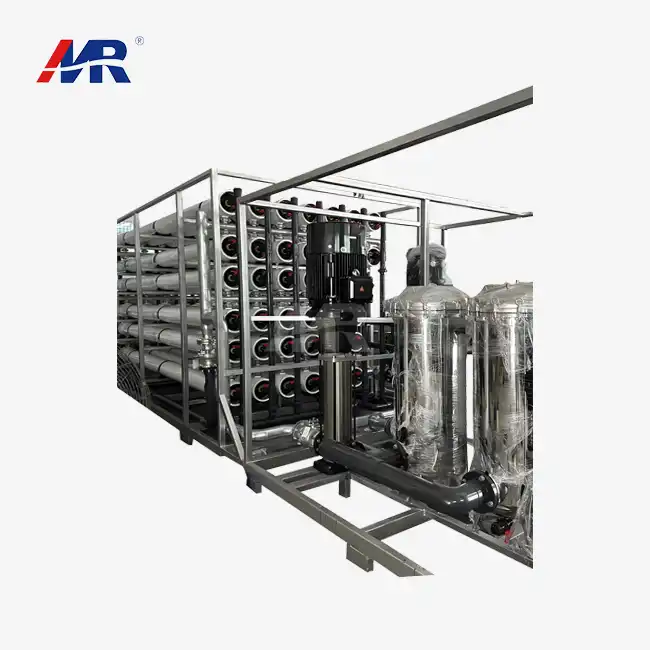 VIEW MORE150m3/hour reverse osmosis plant
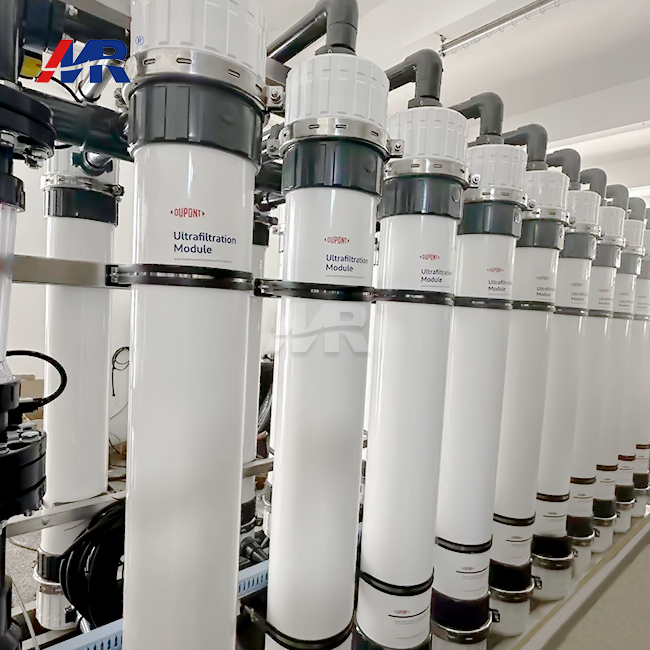 VIEW MOREultrafiltration water treatment system
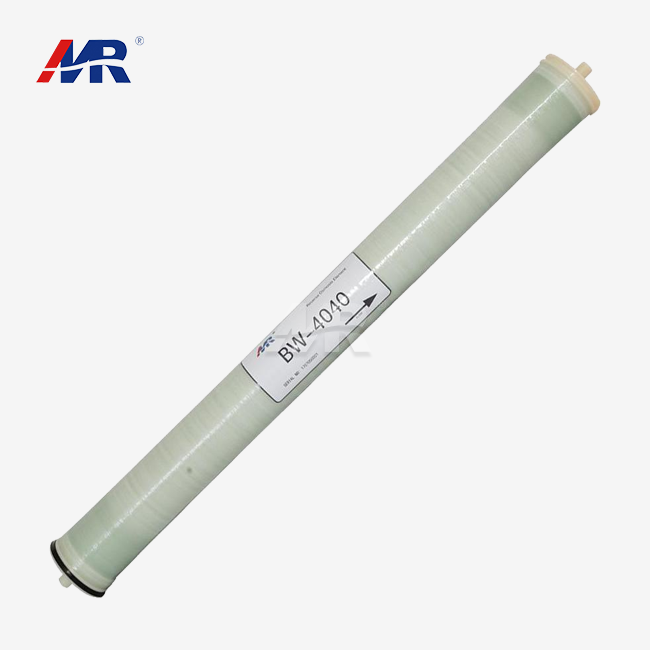 VIEW MORE4040 reverse osmosis membrane
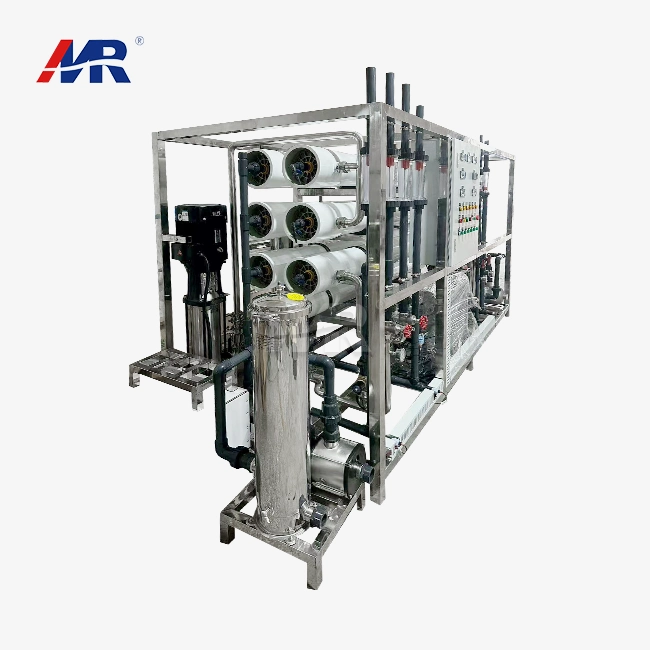 VIEW MOREedi module
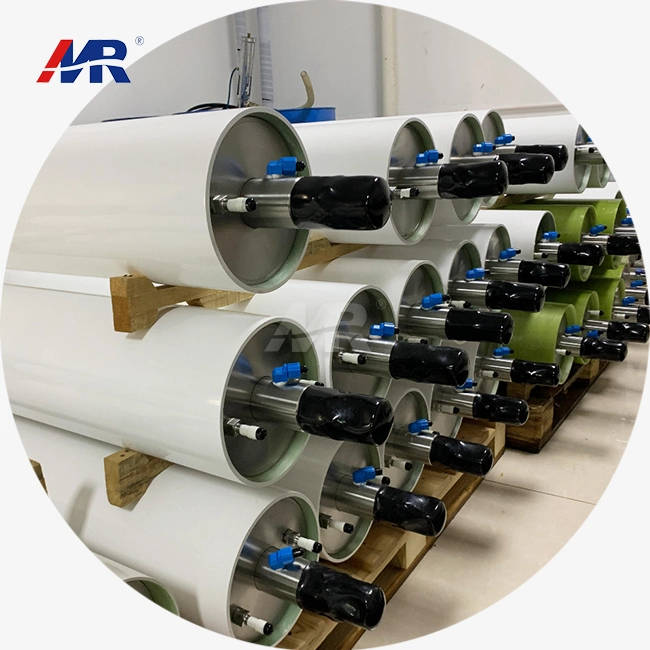 VIEW MORELandfill Leachate Treatment Plant
 VIEW MOREindustrial ro membrane
