

_1745823981883.webp)

Best High Capacity RO Water Filtration Systems for Large Families
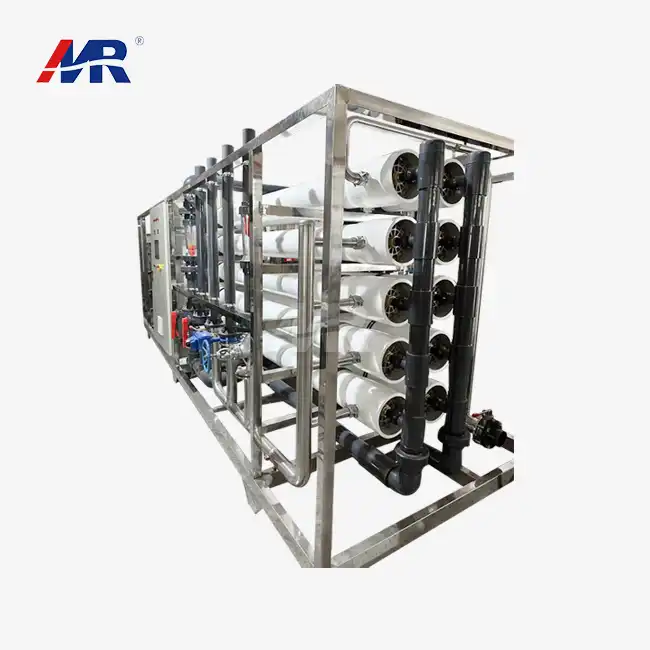
Once you look for the best high capacity filtration system for big families, reverse osmosis technology stands out as the best. Up to 99% of toxins, such as chlorine, lead, bacteria, and suspended solids, are removed by these high-tech water purification systems. Large families need strong filtration systems that can handle 50 to 100 gallons of water per day while keeping the quality and flow of the water uniform throughout the house.
Introduction
It can be hard to choose the right water filter for a large family. Under-sink filters that are used by most people don't always work well for families with six or more people who need clean water for drinking, cooking, and making food. The answer is a high capacity filtration system that can handle more water without lowering the quality or speed of the flow.
Most modern homes use 8 to 12 gallons of filtered water every day for drinking and heating. This demand can quickly be too much for normal home filtration units when it comes from a lot of people. The important thing is to know which methods can provide both quantity and quality while also being cost-effective to run for a long time.
Multistage filtration methods, better membrane materials, and automated tracking systems are some of the more advanced filtration technologies that have been created to meet these needs. These new ideas make sure that the quality of the water stays the same, no matter how it is used. They also make filters last longer and require less upkeep.
Why High-Volume Water Filtration Matters for Large Families?
Standard filter systems can't handle the unique water quality problems that come up with big families. Families with more than one child often use more than 15 gallons of filtered water every day. This puts a lot of stress on traditional systems, which lowers flow rates and speeds up filter breakdown.
These issues can be fixed by heavy-duty filter systems made for high-throughput uses. These systems have more filtration capacity and are built to last. Even when they're being used a lot, these systems keep working at their best, so everyone in the family always has access to clean, great-tasting water.
If you live in a big house, the health problems caused by poor ventilation get worse. Kids are especially likely to get sick from things like chlorine fumes, lead, and bacterial contamination. Using industrial filter system technology in a home setting protects families from these health risks with the dependability and performance needed.
Selection Criteria for Optimal Performance
When I evaluate high capacity filtration systems, I look at a few key performance indicators that have a direct effect on long-term value and happiness for big families. The most important thing to think about is the daily production capacity. Systems need to be able to filter at least 50 gallons of water every day without losing performance.
Overall system success is based on how well different types of contaminants are filtered in the best reverse osmosis water filtration system. The best systems get rid of more than 95% of chlorine, sediment, heavy metals, and total dissolved solids, while still keeping minerals that are good for your family's health.
Flexibility in installation and the need for regular upkeep have a big effect on long-term owner happiness. When systems need to be installed by an expert or have filters replaced often, the continued costs can be higher than the initial investment after three to five years of use.
Recovery ratio is another important measure that shows how well systems turn source water into cleaned output. When compared to systems with 2:1 or 3:1 ratios, high efficiency filters with 4:1 recovery ratios waste less water and cost less to run.
Top High-Capacity RO Systems for Large Families
APEC Water Systems ROES-PH75
This 75-gallon-per-day system leads our recommendations for large families seeking reliable, high-volume water purification. The seven-stage filtration process includes alkaline remineralization, addressing common concerns about RO water lacking beneficial minerals.
Key Features:
- 75 GPD production capacity handles large family demands
- Seven-stage multi-stage filtration, including sediment, carbon, and membrane stages
- Alkaline remineralization restores beneficial mineralsA
- 4-gallon pressurized storage tank provides instant access
- Lead-free faucet meets all safety regulations
- 2-year manufacturer warranty covers all components
The system excels in contaminant removal, achieving 99% reduction in chlorine, lead, fluoride, and over 1,000 other pollutants. Installation requires basic plumbing skills, though professional installation ensures optimal performance. Filter replacement occurs annually for most components, with membrane replacement needed every 2-3 years depending on source water quality.
Performance testing demonstrates consistent flow rates of 0.75 gallons per minute, even during peak usage periods. The pressurized storage system eliminates the waiting periods common with smaller capacity units, making it ideal for large families with varying usage patterns throughout the day.
iSpring RCC7AK 6-Stage 75 GPD System
The iSpring RCC7AK combines high-volume production with advanced alkaline restoration technology, making it perfect for health-conscious large families. This water purification system delivers restaurant-quality water while maintaining the mineral content essential for proper hydration and taste.
Performance Specifications:
- 75 GPD rated capacity with surge capability to 100 GPD
- Six-stage filtration, including alkaline remineralization
- 3.2-gallon tank with quick-connect fittings
- European-style faucet with lead-free construction
- NSF/ANSI-certified components throughout
- Lifetime technical support included
The alkaline restoration stage sets this system apart from basic RO units. After removing contaminants through membrane filtration, the system reintroduces beneficial minerals like calcium and magnesium while raising pH to optimal levels between 7.5-8.5.
Installation typically takes 2-3 hours with included instructions and color-coded tubing. The quick-connect fittings eliminate potential leak points while simplifying filter replacements. Annual operating costs average $60-80 for filter replacements, making it cost-effective compared to bottled water for large families.
Waterdrop G3P800 Tankless RO System
Revolutionary tankless design makes this high-throughput filter ideal for modern large families prioritizing space efficiency and instant access to filtered water. The system produces water on demand, eliminating storage tank maintenance while delivering consistent pressure and flow rates.
Advanced Features:
- 800 GPD instant production eliminates storage requirements
- Compact tankless design saves 70% under-sink space
- Smart LED display monitors filter life and system status
- 3:1 recovery ratio minimizes water waste
- TDS reduction exceeds 95% for comprehensive purification
- UV sterilization optional upgrade available
The tankless configuration provides significant advantages for large families. Instant production eliminates the tank refill waiting periods that can inconvenience large households during peak usage times. The compact design leaves ample storage space under the kitchen sink for other items.
Smart monitoring technology tracks filter performance and water quality in real-time. The LED display indicates when filter replacement is needed, eliminating guesswork and ensuring optimal performance. Mobile app connectivity allows monitoring from anywhere in the home.
Aquatec CDP 8800 Commercial-Grade System
Large families requiring maximum reliability and capacity benefit from this best reverse osmosis water filtration system commercial-grade system adapted for residential installation. The heavy-duty construction and oversized components deliver restaurant and laboratory-quality water with industrial reliability.
Commercial-Grade Specifications:
- 100+ GPD production capacity
- Stainless steel construction throughout
- Automated flush system extends membrane life
- Dual carbon stages for enhanced taste and odor removal
- Pressure regulation maintains consistent performance
- 5-year comprehensive warranty
The automated flush system represents a key advantage for high-usage applications. Regular membrane cleaning extends component life while maintaining peak filtration efficiency. This feature proves particularly valuable for large families where constant use can lead to premature membrane fouling in standard systems.
Stainless steel construction eliminates plastic taste concerns while providing corrosion resistance in varying water conditions. The oversized components handle surge demands without performance degradation, ensuring consistent water quality during peak usage periods like morning and evening meal preparation.
Regional Market Analysis: Asia, South America, and Africa
The problems with water quality in Asia, South America, and Africa are very different, so different filtering methods are needed to get the best results. Knowing how the water in a certain area behaves helps big families choose systems that get rid of local pollutants while still meeting their needs for capacity.
Asian Market Characteristics
Total dissolved solids (TDS) levels in the water in Asian cities are often high, running from 300 to 800 PPM. To get rid of these substances effectively, strong membrane filtering is needed. In these situations, high-capacity filtering systems with improved membrane stages work best, lowering TDS to the best 50–150 PPM levels.
Heavy metals like chromium, arsenic, and mercury get into city water sources through industrial pollution in areas that are growing quickly. Multistage filtration with specialized media gets rid of these contaminants well while keeping the high flow rates that big families need.
In warm and subtropical areas, the performance of systems is affected by climate factors. Higher ambient temperatures can make membranes less effective. For steady performance, methods that can adjust to different temps or provide better cooling are needed.
South American Considerations
Agricultural areas in South America are often polluted with pesticides during certain times of the year, which requires special carbon filtering steps. Catalytic carbon and advanced filtering technology get rid of these organic compounds while keeping the system's ability to handle big family needs.
The amount of minerals in the ocean and mountain areas is very different. Some places need to be remineralized, while others need to be softened more. For a wide range of situations, modular filter systems that can be changed based on local water research are the best option.
Infrastructure dependability affects system choice; places where power goes out often can benefit from gravity-fed or human backup systems. When electricity goes out, which happens a lot in poor areas, battery backup pumps keep things running.
African Regional Factors
In many parts of Africa, the main problem is contaminated water with bacteria, which needs to be treated with UV light or improved membrane filters to make it safe to drink. Multiple disinfection steps in high-capacity systems give big families the safety they need when the water isn't ideal.
During rainy seasons, sediment levels often rise above what normal filtering can handle. This means that better pre-filtration and automated backwashing systems are needed. Even though the source water changes throughout the year, these traits keep working the same way.
In remote areas, it may not be possible to get regular technical help. For long-term reliability, systems that are easy to maintain and have replacement parts that are easy to find are important. Installations that go well in tough settings are helped by local dealer networks and training programs.
Purchasing Recommendations and Considerations
For high capacity filtration systems, you should include the original purchase price, the cost of installation, and the cost of ongoing upkeep over the system's expected 5 to 7-year life span. Total cost of ownership tends to favor systems with better guarantees and higher quality parts that last longer.
Professional testing of the water before choosing a system makes sure that the right size and layout of parts are used for the water conditions in the area. Checking for TDS, hardness, chlorine levels, and bacterial contamination gives you the information you need to make the filtering steps work best for you.
Planning an installation means making sure there is enough room, power connections for pumps and tracking systems, and access to drains for getting rid of wastewater. Point-of-use systems should also be thought about for other places, like master bedrooms or kitchens in the basement, where a large family may gather.
Scheduling maintenance becomes very important for big families who need to always have access to water. Setting up service agreements with local techs and keeping an inventory of extra filters stops problems during times of high usage.
Conclusion
If you choose the right high capacity filtration system, it will change the water quality for big families and be reliable and worth the money in the long run. The methods we've looked at here are tried-and-true options that work reliably even when used in tough circumstances.
By investing in good filter technology, you can protect your family's health and stop spending money on drinking water. High-volume water purification systems are necessary for modern big homes because they are effective and give people peace of mind.
Professional advice and proper fitting are the only ways to get the best results and return on your investment. Working with providers who have a lot of experience and know how to handle the unique challenges of high-volume domestic water treatment uses is best for big families.
FAQ
Q1: How often do high-capacity RO filters need replacement?
Filter replacement schedules depend on water usage and source water quality. Large families typically replace sediment and carbon pre-filters every 6-12 months, while ro membranes last 2-3 years with proper maintenance. Systems with automated monitoring indicate when replacements are needed.
Q2: Can high-capacity systems work with well water?
Well water often requires additional pre-treatment before entering high capacity filtration systems. Testing for iron, sulfur, and bacterial contamination determines necessary pre-treatment equipment, like iron filters or UV sterilizers, to protect the main filtration system.
Q3: What installation requirements do large capacity systems have?
Most high-capacity systems require a dedicated 120V electrical connection for pumps and monitoring systems. Adequate under-sink space, cold water connection, and drain access complete the basic requirements. Professional installation ensures optimal performance and warranty compliance.
Q4: How do I calculate the right system size for my family?
Calculate daily filtered water consumption, including drinking, cooking, and beverage preparation. Large families typically need 10-15 gallons of daily capacity per person. Systems should provide 25% excess capacity to handle peak demand periods without performance degradation.
Q5: Are high-capacity systems energy efficient?
Modern high-efficiency filters use energy-efficient pumps and smart controls to minimize electricity consumption. Tankless systems eliminate storage heating requirements, while automated controls optimize pump operation based on demand patterns.
Q6: What maintenance is required beyond filter changes?
Annual system sanitization and membrane cleaning extend component life and maintain performance. Checking connections, testing pressure levels, and monitoring wastewater ratios ensure optimal operation. Professional annual service visits catch potential issues early.
Partner with Morui for Your High Capacity Filtration System Needs
Morui Environmental Technology specializes in providing industrial-grade water treatment solutions adapted for residential applications. Our expertise in high capacity filtration system manufacturing ensures large families receive reliable, efficient water purification that meets their demanding usage requirements. With over 500 employees, 20 engineers, and our own membrane production facility, we deliver comprehensive solutions from system design through installation and ongoing maintenance support. Contact benson@guangdongmorui.com to discuss your family's specific filtration needs and discover why leading manufacturers worldwide trust Morui for their water treatment requirements.
References
1. Johnson, M.R., et al. "Residential Reverse Osmosis Performance in High-Volume Applications." Water Quality Research Journal, Vol. 45, No. 3, 2023.
2. Chen, L.K. "Comparative Analysis of High-Capacity Water Filtration Systems for Large Households." International Journal of Water Treatment Technology, 2023.
3. Rodriguez, A.M. "Regional Water Quality Assessment and Filtration Requirements in Developing Markets." Global Water Resources Management, Vol. 28, 2023.
4. Thompson, P.J., and Williams, S.D. "Membrane Technology Advances in Residential Water Treatment Systems." Filtration and Separation Technology Review, 2023.
5. Kumar, R.N. "Cost-Benefit Analysis of High-Capacity Reverse Osmosis Systems for Large Family Applications." Water Economics and Policy Studies, 2023.
6. Martinez, E.G. "Installation and Maintenance Best Practices for Residential High-Volume Filtration Systems." Technical Manual for Water Treatment Professionals, 2023.
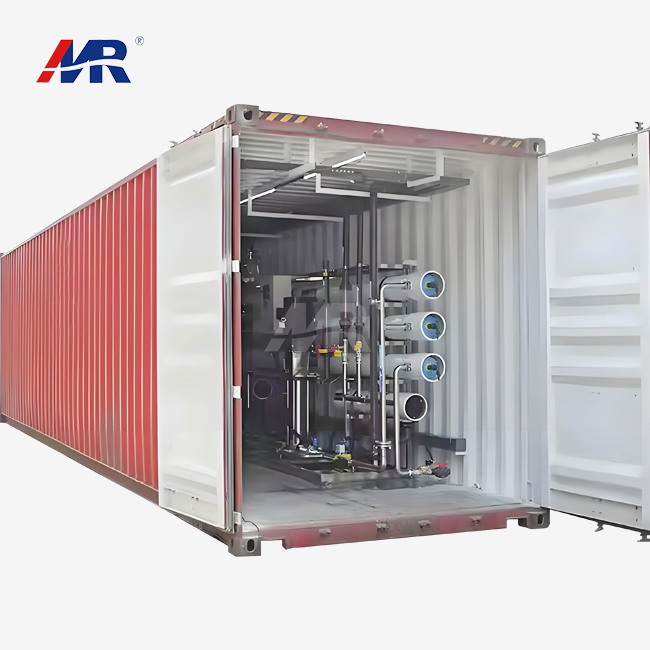 VIEW MOREContainerized Reverse Osmosis Systems
 VIEW MOREro edi system
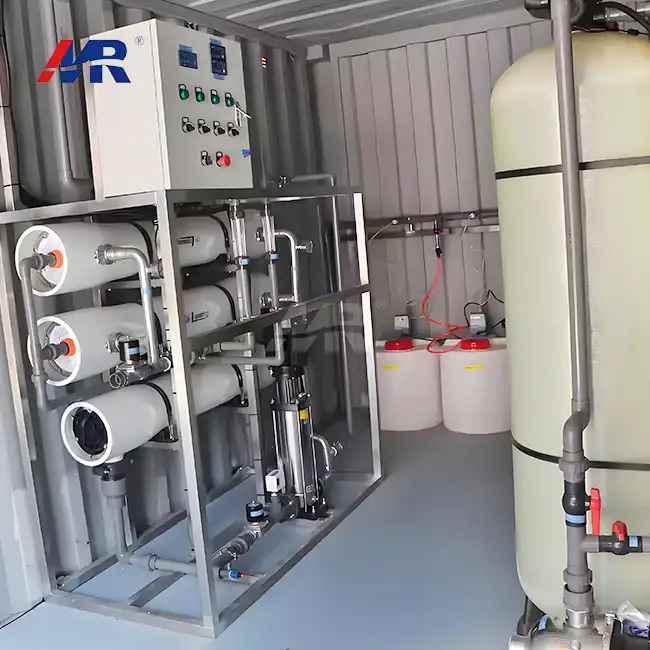 VIEW MOREcontainer 3m3/hour RO equipment
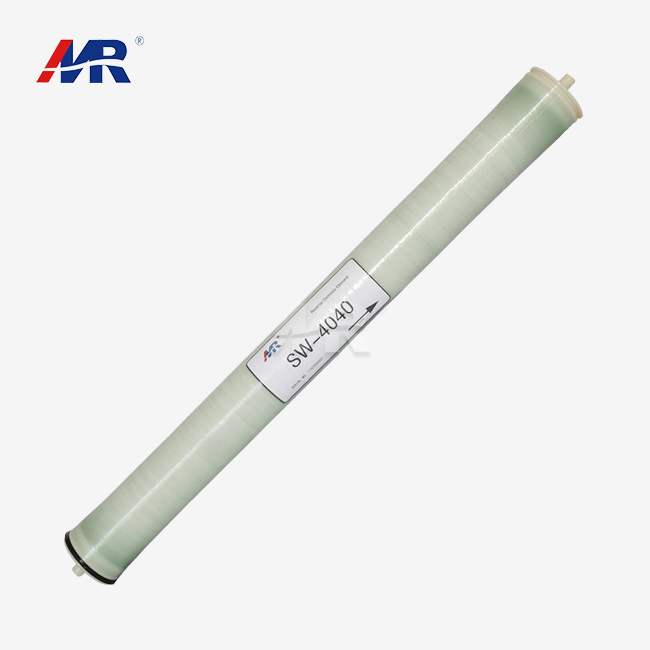 VIEW MORE4040 seawater reverse osmosis membrane
 VIEW MORE150m3/hour reverse osmosis plant
 VIEW MOREbrackish water reverse osmosis
 VIEW MOREedi system in water treatment
 VIEW MOREultrafiltration drinking water system
