_1745823981883.webp)

Environmental Benefits of Reverse Osmosis Water Purification Plants
Being able to make clean water in a way that doesn't harm the environment is a great thing about reverse osmosis plants and reverse osmosis water purification plants. A semi-permeable membrane is used by these high-tech systems to clean water sources of contaminants, dissolved solids, and other impurities. This is the best way to clean water while having the least impact on the environment. More people don't have to buy bottled water because of reverse osmosis water treatment plants. They also use less energy than older treatment methods. These plants are very important for keeping ecosystems safe and encouraging sustainable water management in many cities and industries. This is because they get rid of pollutants well without using harsh chemicals.
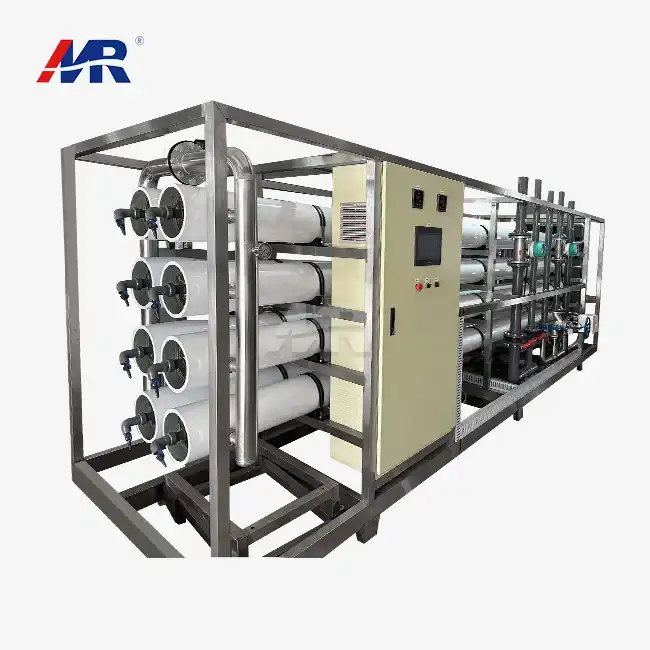
Keep ecosystems safe and cut down on water pollution
One of the best things about reverse osmosis water treatment plants for the environment is that they clean up polluted water and protect ecosystems that are already weak. Some of the things that these high-tech filtration systems get rid of are:
- Minerals and salts mixed
- Many metals
- Things found in nature
- Infectious agents and germs
- Killer bugs and farm runoff
Making clean, good water is what reverse osmosis plants do to help keep harmful pollutants out of rivers, lakes, and oceans. This is especially important in fields that make a lot of wastewater, like manufacturing, making food and drinks, and pharmaceuticals.
Protecting waterways and lakes
Reverse osmosis systems are good at getting rid of pollutants, which helps protect aquatic life and habitats. When these plants clean water and release it back into the environment, they lower the amount of pollutants in it. This helps keep ecosystems in balance. If you live near the coast or in a sensitive body of water, this is very important. This is because wastewater from factories or cities can really hurt the plants and animals that live there.
Using fewer chemicals
Some older ways of treating water use chemicals to get rid of contaminants, but reverse osmosis plants and reverse osmosis water purification plants use physical filtration to get rid of them. This method reduces the amount of harsh chemicals that are used to treat water. This makes it less likely that chemical residues will end up in the environment. In the end, there is a better way to clean water that is also better for the environment. This helps protect ecosystems on land and in the water.
Cut down on carbon emissions and save energy
Water treatment plants that use reverse osmosis are made to use very little energy. This is very good for the environment. Even though these systems need electricity to work, they use less than other ways to clean water when you look at how water is made and sent to people.
Something that uses less energy
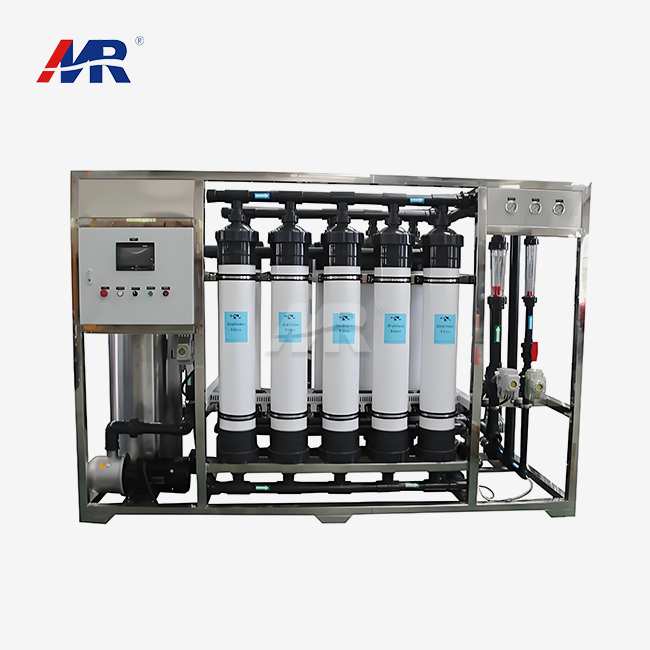
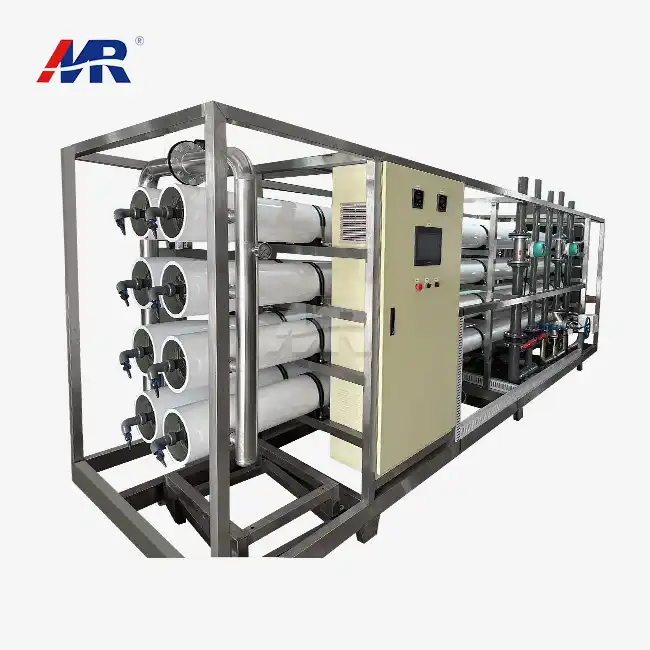
Energy recovery devices and high-efficiency pumps are used in new reverse osmosis water treatment plants to make them use less electricity. They help get energy back from the high-pressure reject stream so that it can be used again. In general, this makes the system use a lot less energy. One model, the MR-BWRO-25TH plant from Guangdong Morui Environmental Technology Co., Ltd., only needs 32kW/hour to run and can recover 55–65% of the water and get rid of 98% of the salt.
Getting rid of pollution from transportation
By making clean water close to where it is needed, reverse osmosis plants and reverse osmosis water purification plants cut down on the need to move water over long distances. In this way of localized production, water distribution leaves less of a carbon footprint because it takes less energy to pump and move water over long distances. This is also good for the environment because the clean water from these plants can be used instead of bottled water. Making and transporting bottled water in plastic is bad for the environment, too.
Making the process of treating water better
These days, reverse osmosis plants have better monitoring and control systems that help them work better and make better use of their resources. The parameters of treatment can be changed in real time by these smart systems. This makes sure that the process of purification makes good use of water and energy. As much control as possible helps cut down on waste and make the technology as eco-friendly as possible.
Getting people to take care of water in eco-friendly ways
Many places need reverse osmosis water treatment plants to help them take care of water in an eco-friendly way. You can count on these systems to give you clean water. This helps you save water and deal with problems caused by the world's lack of water.
Making it possible to use water over and over
Plants that use reverse osmosis to clean water are great because they can treat and clean water from many sources, like brackish water and wastewater. Cities and businesses can start programs to reuse and recycle water because of this. These plants reuse and clean wastewater, so they don't need as much freshwater and don't hurt the environment as much when they do.
Making sure that farming can keep going
Backward osmosis systems can clean salty water or water that has been used in the toilet so that it can be used to water crops for a reverse osmosis water purification plant. This method not only keeps crop yields safe, but it also keeps the soil from becoming too salty and fresh water supplies from running out. By always giving farms clean water to use for irrigation, these plants keep farms going and make sure there is enough food.
What to Do When There Isn't Enough Water on the Coast?
When there isn't enough fresh water near the coast, reverse osmosis is very helpful. The long-term water needs of coastal populations that are growing can be met by reverse osmosis membranes used in large-scale plants that remove salt from seawater. It takes a lot of energy to desalinate water, but new systems that recover energy and use renewable energy sources are making the process more eco-friendly.
Conclusion
Plants that treat water with reverse osmosis are good for the environment in many ways. They make the water cleaner, keep ecosystems safe, save energy, and promote long-term ways of managing water. More and more people around the world are worried about the environment, and there isn't enough water. This makes these high-tech water purification systems even more important for making sure everyone has clean water while hurting the environment as little as possible.
Firms, cities, and groups that want to clean water in an eco-friendly way can use strong and adaptable reverse osmosis water purification plants. By investing in this technology, people can help save water, lower their carbon footprint, and improve the environment's health in the long term.
In the future, reverse osmosis technology should get even better, with better membrane materials and energy recovery systems that work even better. This should make these plants even better for the environment. If we accept these new ideas and use the best methods for managing water, we can make the future more stable and safe for future generations.
FAQs
1. How are plants that use reverse osmosis better for the environment than other kinds of plants that treat water?
In many ways, the new ways of doing things hurt the environment more than the old ones. When you look at the whole process of making and distributing water, they use less energy, make better water, and need fewer chemicals. Plus, they reuse and recycle water, which cuts down on the need for freshwater sources and the amount of wastewater that needs to be dumped.
2. What about plants that clean water through reverse osmosis? Are they able to help stop climate change?
The weather will not get worse if you plant these things. They use less energy to move and treat water, use fewer chemicals, and let water be used again to cut down on the greenhouse gas emissions that come from making water. Because they can clean water from other sources, they don't need to use as much energy to move vast amounts of water.
3. What are the environmental benefits of a reverse osmosis water purification plant?
A reverse osmosis (RO) water purification plant offers several environmental benefits. It reduces water pollution by removing contaminants, preventing harmful substances from entering natural water sources. By purifying brackish or seawater, RO helps conserve freshwater, easing pressure on limited natural resources. The process uses fewer chemicals compared to traditional methods, minimizing chemical waste. RO systems also provide purified water for industrial and agricultural uses, supporting sustainability and reducing the strain on natural water sources. Additionally, some RO plants recycle reject water, lessening the environmental impact. Overall, these systems promote responsible water use and contribute to environmental resilience.
Choose Guangdong Morui | Morui if you want eco-friendly ways to clean water that last.
Are you ready for your business or neighborhood to clean the water with green technology? The reverse osmosis water treatment plants and reverse osmosis water purification plants that Guangdong Morui Environmental Technology Co., Ltd. makes are cutting-edge and can be used in a wide range of settings, from factories to cities that need to clean their water. Our professional team really knows how to make custom solutions that boost productivity, keep the environment safe, and make sure there is a steady flow of good, clean water.
We know a lot about technologies that treat water and can do a lot of things for you, like sell you equipment, set it up, get it running, and help you after the sale. This means we can help you set up a system that will clean your water for a long time. One of our very good reverse osmosis plants is the Model MR-BWRO-25TH. You get better results and long-term value because they use cutting-edge technology and are good for the outdoors.
Get in touch with Our Team of professionals right away to start long-term water management. Talk to us about anything, and we'll help you find the best water filter for your needs. You can also learn everything you need to know about our services and Products. The Guangdong Morui Environmental Technology Co., Ltd. can help you clean your water without harming the earth. Please send us an email at benson@guangdongmorui.com to begin.
References
1. World Health Organization. (2022). "Guidelines for Drinking-water Quality: Fourth Edition Incorporating the First and Second Addenda."
2. Greenlee, L. F., et al. (2019). "Reverse osmosis desalination: Water sources, technology, and today's challenges." Water Research, 43(9), 2317-2348.
3. United Nations Environment Programme. (2021). "Progress on Integrated Water Resources Management."
4. Fritzmann, C., et al. (2020). "State-of-the-art of reverse osmosis desalination." Desalination, 216(1-3), 1-76.
5. International Water Association. (2023). "Water Reuse: An International Survey of Current Practice, Issues and Needs."
6. American Water Works Association. (2022). "Desalination of Seawater and Brackish Water: M61, Second Edition."