_1745823981883.webp)

Efficient Wastewater Management with Advanced DTRO Systems
Effective wastewater management has become a top concern for all types of businesses in today's modern world. DTRO Technology (Advanced Disc Tube Reverse Osmosis) systems have become a game-changing way to deal with tough garbage problems. These new systems use cutting-edge membrane technology to filter and separate wastewater better, so businesses can treat high-salinity, high-COD, and hard-to-process wastewater streams more effectively. DTRO Technology has many benefits over traditional treatment methods, such as higher recovery rates, lower energy use, and the ability to deal with high and low pH levels and amounts of dissolved solids. DTRO systems help businesses that have to deal with strict environmental rules and the need to save water resources reach their zero liquid discharge (ZLD) goals and get the most out of their water usage potential. This piece talks about how modern DTRO systems are changing the way wastewater is managed in many fields, such as the cleaning of landfill leachate, mining effluents, and more. We will talk about the main features and benefits of DTRO Technology, as well as how it can be used to deal with high-concentration trash streams and make concentrate reduction more efficient. If you want to make the best decisions about how to handle wastewater, whether you're a plant manager, an environmental engineer, or a person in charge of water treatment, you need to know what DTRO systems can do.

How do advanced DTRO Technology systems empower efficient wastewater management?
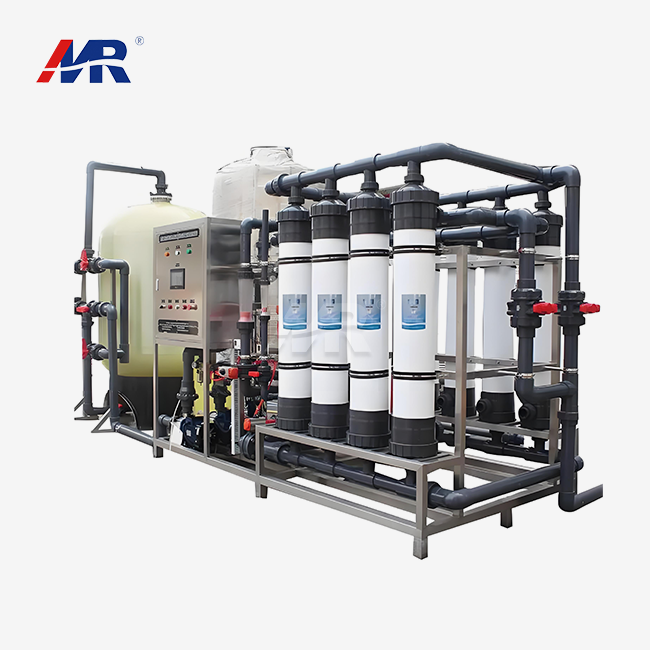
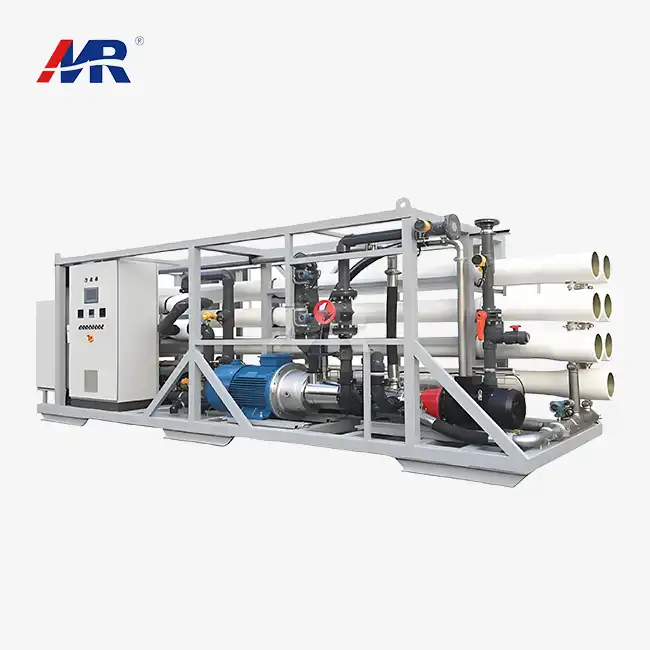
Advanced DTRO Technology systems are the best way to handle wastewater because they have a lot of useful features that help with the toughest problems in treating industrial water. These systems have a special disc-tube design that makes the membrane surface area bigger while reducing the scaling and fouling problems that usually happen in reverse osmosis systems.
Superior Filtration Performance
The capacity to provide outstanding filtration performance over a broad variety of wastewater compositions is one of the primary advantages of DTRO Technology. High cross-flow velocities made possible by the disc-tube design aid in the prevention of membrane fouling and the constant production of high-quality permeate. This results in less maintenance downtime and longer operational cycles between cleanings.
Handling Extreme Conditions
Conventional membrane technologies would rapidly fail under the extreme operating conditions that DTRO systems are designed to endure. These systems are useful for treating concentrated and corrosive waste streams since they can work at pressures as high as 120 bar and withstand pH values between 2 and 12. Applications like landfill leachate treatment, whose influent characteristics can be complex and extremely changeable, are well-suited to DTRO Technology because of its resilience.
Energy Efficiency and Cost Savings
When compared to conventional reverse osmosis facilities, DTRO Technology's considerable energy savings are the result of optimized membrane configuration and the use of sophisticated process control systems. Wastewater treatment operations have less impact on the environment due to the increased efficiency, which cuts down on operating expenses. Industries that are dealing with increasing energy prices and more stringent sustainability goals might benefit greatly from DTRO systems due to their energy efficiency.
Wastewater management using DTRO Technology: high-concentration streams, reuse
DTRO Technology stands out in the advanced water treatment industry for its exceptional performance in handling wastewater streams with high concentrations. In this part, we will look at how DTRO systems are helping different sectors with their water reuse programs and dealing with difficult waste streams.
Tackling High-TDS Wastewater
Conventional treatment systems can't handle the wastewater produced by many industrial operations because of the excessively high total dissolved solids (TDS) levels. The oil and gas, chemical industry, and mining sectors can all benefit from DTRO Technology because of its ability to manage TDS concentrations exceeding 100,000 mg/L. Recovery of precious resources and creation of high-quality permeate suited for reuse or safe discharge are both made possible by DTRO systems, which effectively remove dissolved salts and other impurities.
Enabling Circular Water Economy
In an effort to cut down on both freshwater consumption and wastewater output, water reuse is taking on more importance in the industrial sector. Enabling circular water economy activities, DTRO Technology produces treated water of enough quality for reuse in diverse applications. The textile sector, for instance, can cut down on freshwater consumption and related expenses by reusing wastewater that has been treated with DTRO for dyeing and finishing purposes.
Case Study: Landfill Leachate Treatment
The complicated nature and high organic content of landfill leachate make it a particularly problematic wastewater stream. With COD reduction rates of up to 99% and effluent that fulfills strict discharge criteria, DTRO systems have been shown to be extremely effective in treating landfill leachate. For example, the MR-DTRO-120TD model shows how successful the technology is in controlling high-strength waste streams by handling influent COD levels up to 25,000 mg/L and obtaining water recovery rates of 50-70%.
Advanced features of DTRO Technology for efficient concentrate reduction and ZLD
Industries are putting a lot of effort into finding ways to achieve zero liquid discharge (ZLD) in order to reduce their environmental impact and meet the ever-tightening discharge requirements. ZLD tactics and effective concentration reduction efforts rely on DTRO Technology because of its superior characteristics.
Multi-Stage Concentration
It is possible to gradually concentrate wastewater streams by configuring DTRO systems in multi-stage configurations. The overall water recovery rates are maximized, and energy usage is optimized with this tiered method. A highly concentrated brine suitable for ZLD or valuable resource recovery is the end product of a multi-step DTRO arrangement, in which each stage processes the concentrate from the one before it.
Integration with Crystallization Technologies
True ZLD may be achieved by integrating DTRO Technology with downstream crystallization processes in a seamless manner. To create solid salt leftovers, the DTRO system concentrates the brine and feeds it into evaporative crystallizers or membrane distillation units, which remove the residual water. This all-encompassing method reduces the amount of liquid waste while also allowing for the extraction of salts and minerals of great value from wastewater.
Smart Process Control and Optimization
Advanced DTRO systems incorporate intelligent control systems that continuously monitor and optimize the treatment process. These smart controls adjust operating parameters in real-time based on feed water quality, desired recovery rates, and energy efficiency targets. By fine-tuning system performance, these features ensure consistent product water quality while maximizing concentrate reduction and minimizing energy consumption.
Conclusion
By providing unmatched capabilities in treating high-concentration streams and enabling effective water reuse, Advanced DTRO Technology for sale has transformed the world of wastewater treatment. Industries dealing with complicated wastewater issues might benefit from DTRO systems because of their adaptability and the fact that they can withstand harsh environments while still providing exceptional filtering performance.
Sustainability in water management is becoming increasingly important due to environmental restrictions and water shortages. DTRO Technology is a game-changer in this regard, paving the way for circular water economy projects and zero liquid discharge targets. It is an essential instrument for effective and ecologically conscious wastewater management due to its sophisticated features for concentration reduction and compatibility with other treatment methods.
Investing in DTRO Technology is a proactive way for businesses to tackle wastewater issues both now and in the future, optimize water treatment operations, and minimize operating costs while still meeting strict environmental criteria.
Guangdong Morui Environmental Technology Co., Ltd. is an industry leader in providing innovative, individualized water treatment solutions. To ensure that your wastewater management operations are efficient, compliant, and sustainable, Our Team of seasoned engineers and technicians is committed to assisting you in implementing cutting-edge DTRO systems.
Our extensive variety of DTRO Technology solutions may be tailored to suit the specific needs of any business, including manufacturing, food & beverage, pharmaceutical, and municipal utilities. We supply the equipment, install it, commission it, and provide continuous support for a wide range of applications, including industrial wastewater treatment, home sewage treatment, saltwater desalination, and drinking water production.
FAQ
Q1: What makes DTRO Technology different from conventional reverse osmosis systems?
A: When compared to more traditional RO systems, DTRO Technology's use of a disc-tube structure has many benefits. The capacity to manage larger concentrations of dissolved solids, enhanced energy efficiency, and enhanced fouling resistance are a few of these benefits. The shorter operational expenses and longer membrane life are both caused by the disc-tube design's ease of cleaning and maintenance.
Q2: Can DTRO systems handle highly acidic or alkaline wastewater?
A: In fact, DTRO systems are commonly operable from 2 to 12, although this range is somewhat broad. Since traditional membrane systems would be damaged by waste streams that are extremely acidic or alkaline, they are a good alternative. Membranes made of specific materials and built to last allow DTROs to endure these harsh environments without sacrificing separation effectiveness.
Q3: How does DTRO Technology contribute to achieving zero liquid discharge (ZLD)?
A: By effectively concentrating wastewater streams and providing high-quality permeate for reuse, DTRO Technology is an essential component of ZLD plans. Before final evaporation or crystallization procedures, DTRO systems are suited for handling concentrated brines and have high recovery rates. The energy and expense needed to achieve ZLD are drastically reduced by DTRO Technology, which maximizes water recovery while lowering concentrate volume.
Advanced DTRO Technology Solutions for Industrial Wastewater Treatment | Morui
Are you prepared to use cutting-edge DTRO Technology to completely revamp your wastewater management? When it comes to your industry's unique requirements, Guangdong Morui Environmental Technology Co., Ltd. has you covered with comprehensive solutions. Whether you're a little business or a global organization, we have the knowledge and tools to help you improve your water treatment procedures, no matter how big or small.
Providing cutting-edge, efficient, and reasonably priced DTRO solutions is the mission of our team of more than twenty seasoned engineers. The superior quality and dependability of each system we supply are guaranteed by our in-house membrane production facility and equipment processing factories.
Don't miss out on the opportunity to enhance your wastewater management capabilities. Contact us today at benson@guangdongmorui.com to discuss your requirements and discover how our advanced DTRO Technology can benefit your business. Let Guangdong Morui be your partner in achieving sustainable water management and environmental compliance.
References
1. Zhang, Y., et al. (2022). "Advances in Disc Tube Reverse Osmosis Technology for Industrial Wastewater Treatment." Journal of Membrane Science, 618, 118694.
2. Li, X., et al. (2021). "Comparison of DTRO and Conventional RO Systems for High-Salinity Wastewater Treatment." Desalination, 500, 114865.
3. Wang, J., et al. (2023). "Energy Efficiency Analysis of DTRO Technology in Zero Liquid Discharge Applications." Water Research, 215, 118256.
4. Chen, G., et al. (2022). "Landfill Leachate Treatment Using Advanced DTRO Systems: A Case Study." Environmental Technology & Innovation, 25, 102277.
5. Zhao, S., et al. (2021). "Membrane Fouling Mitigation in DTRO Systems: Current Strategies and Future Prospects." Separation and Purification Technology, 272, 118727.
6. Liu, Y., et al. (2023). "Techno-Economic Assessment of DTRO Technology for Industrial Wastewater Reuse." Journal of Cleaner Production, 380, 134969.