

_1745823981883.webp)

Reverse Osmosis Systems with Remineralization: Benefits and Top Models
Reverse osmosis systems that use remineralization technology are a complete way to treat water that gets around the main problem with regular RO filtering. Standard reverse osmosis gets rid of contaminants well, but it also takes away minerals that are needed by the body. After filtering, a remineralization system adds back important minerals like calcium, magnesium, and potassium. This makes water that is balanced and meets health and cleanliness standards. This technology is especially useful in manufacturing, pharmacy, and food preparation industries, where water quality has a direct effect on the consistency of Products and the performance of equipment.

Understanding Reverse Osmosis and Remineralization Systems
The semi-permeable filters in reverse osmosis technology get rid of up to 99% of the dissolved solids, germs, and chemicals that are in source water. However, this thorough filter process removes minerals from the water, leaving it with an acidic pH level that can damage distribution systems and isn't good for drinking.
How Remineralization Technology Works
Remineralization systems work well with current RO systems because they use post-treatment steps to add minerals back into the water at controlled amounts. To get the water balance back to normal, these systems usually use calcite media, mineral input methods, or alkaline filter capsules. The process changes the pH levels from acidic (5.0–6.5) to neutral or slightly alkaline (7.0–8.5) while adding the right amount of important minerals.
Modern remineralization equipment has precise control systems that let workers change mineral profiles to fit the needs of a given application. Factories can get regular water quality levels that support effective production processes and meet government standards.
Industrial Applications and Performance Benefits
Remineralized RO water works better than regular filtered water in serious situations, according to people who work in water treatment. Remineralized water is used in pharmaceutical factories to keep preparation processes stable and meet Good Manufacturing Practice (GMP) standards. Mineral content that stays the same is good for food and drink makers because it improves taste and nutrition without lowering safety standards.
The technology is especially useful in the electronics industry, where the best reverse osmosis water filtration system provides ultrapure water that needs to be able to combine the lack of minerals for cleaning purposes with controlled conductivity for certain processes. Remineralization devices make it possible to make water with exact properties that are needed at different steps of the manufacturing process.
Key Benefits of Integrating Remineralization with RO Systems
When remineralization technology is added to reverse osmosis systems, the practical benefits are visible and cover the costs of the investment through higher efficiency and lower maintenance needs. The balanced water chemistry makes equipment last a lot longer and makes sure that the quality of the output is the same across all industry uses.
Enhanced Equipment Protection and Longevity
Remineralized water stops the toxic effects that come with acidic RO permeate, which keeps pipes, storage tanks, and processing equipment from breaking down too quickly. Because the pH levels stay steady, metals don't leach out, and scale doesn't form. This means that upkeep costs are 20–30% lower than in systems that only use demineralized water.
When industrial facilities use thorough remineralization strategies, they report longer periods of time between equipment overhauls and fewer replacement parts needed. The benefits of protection go beyond areas that come into direct contact with water. They also apply to heat exchangers, cooling systems, and automatic dispensing tools that depend on stable water chemistry.
Regulatory Compliance and Quality Assurance
Remineralized water systems help businesses stay in line with changing rules about water quality and support efforts to be more environmentally friendly. Total dissolved solids (TDS) levels can be precisely controlled by the technology. This lets operators meet legal standards without over-treating water or wasting resources.
Quality assurance teams gain from mineral profiles that stay the same. This makes it possible to repeat tests and gets rid of the differences that come from changing water chemistry. This consistency is especially helpful when making medicines, because it has a direct effect on when products can be approved and put on the market.
Economic Returns and Operational Efficiency
Through decreased chemical use, increased equipment life, and increased process speed, remineralization devices pay for themselves. In the first year of operation, manufacturing sites usually see general water treatment costs drop by 15 to 25 percent while still meeting high standards for water quality.
When the chemistry of the water is balanced, the equipment works more efficiently and uses less energy. Reusing cleaned water for multiple purposes also helps with trash reduction efforts. These economic benefits support short payback times that make remineralization technology a good investment for businesses that want to save money.
Top Remineralization Systems Compatible with Reverse Osmosis
To choose the right remineralization tools, you need to carefully look at the different technologies that are out there and see how well they work with the infrastructure that is already in place. There are a lot of different options on the market, from simple mineral injection systems to complex multi-stage treatment platforms made for large-scale commercial use.
Calcite-Based Mineral Restoration Systems
Calcite touch systems are a tried-and-true way to change the pH and restore minerals in post-RO systems. By controlling the touch time and flow rate, these systems use natural calcium carbonate media to slowly break down controlled amounts of calcium and raise pH levels. Calcite dissolving is self-regulating, which means that it changes the amount of minerals added based on the water chemistry. This is helpful for industrial settings.
Modern calcite systems have backwashing features and replacement plans for media that make operations simpler while still ensuring uniform performance. The technology works well in situations that need to restore a middling amount of minerals while also needing little upkeep and being dependable over a long period of time.
Advanced Multi-Stage Remineralization Platforms
Complex remineralization platforms use several treatment methods to create exact mineral profiles that are made to fit specific needs. These systems have automated tracking and control features that keep the water quality within particular ranges. They have calcite contact, mineral injection, and pH adjustment stages.
Leading makers offer flexible designs that can handle flow rates ranging from 1,000 to 100,000 gallons per day, and they can be expanded to meet the needs of a growing building. Modern systems keep an eye on pH, conductivity, and mineral concentrations in real time and have automatic adjusting routines that make sure the quality of the output is always the same.
Cartridge-Based Solutions for Smaller Operations
Cartridge remineralization systems are a cheap way to treat water for places that don't need a lot of it or don't have a lot of room. Mineral media in changeable filter tubes in these small systems restore water balance through simple contact filtration processes.
Quality cartridge systems need to be serviced every 6 to 12 months, based on the amount of water and the quality standards. They also have simple replacement processes that keep downtime and technical complexity to a minimum. For lab work, small industrial operations, and pilot projects where ease of use is more important than high volume capacity, this technology works especially well.
How to Choose the Right Remineralization System for Your Procurement Needs?
When deciding to buy remineralization equipment, it's important to look at all of its technical specs, operating needs, and long-term support options. For installations to go well, the system's powers must be perfectly matched to the needs of the application, suppliers must be trusted, and expert support must be available at all times.
Critical Technical Specifications and Performance Parameters
The main factor that determines system size and setup choices is the water flow capacity. Facilities need to look at their high-demand needs, their daily average consumption, and their plans for future growth in order to choose the right-sized equipment that will keep working well even when the load changes. When used at 25 to 100% of their stated capacity, good remineralization systems keep their output fixed without losing much of their performance.
Mineral customization lets facilities make the best water chemistry for each application, with calcium, magnesium, and pH amounts that can be changed to meet different process needs. Modern systems let you control many factors separately by using automatic technologies for dosing and mixing that keep exact specs.
Integration Requirements and Infrastructure Considerations
Implementing a remineralization system successfully depends on how well it works with the facility's current utilities and water treatment equipment. Criteria for evaluation include the amount of room that can be used for installation, the amount of electricity that will be needed, the ability to handle waste, and the ability to work with existing tracking and control systems.
During the system design process, professional installation teams look at changes to the pipes, the ability to bypass, and emergency operating methods to make sure the system fits together smoothly without stopping operations. Good providers offer thorough engineering help and supervision during installation to lower the risks of implementation and improve system performance.
Supplier Evaluation and Partnership Criteria
The choice of supplier has a big impact on the long-term performance and operating success of a system. This is because the quality of the initial equipment design, installation support, and ongoing service skills all play a role. The factors for evaluation should put a lot of weight on technical knowledge, project management experience, and a wide range of services that can be used in difficult industrial settings.
Suppliers that have been around for a while can show what they can do by showing a lot of completed projects, industry Certifications, and customer examples from similar projects. As part of a good relationship, there are training programs, preventative maintenance services, and quick technical help that make sure the system works at its best throughout the lifecycle of the equipment.
Morui Environmental Technology: Advanced Remineralization Solutions
Guangdong Morui Environmental Technology Co., Ltd. has a lot of experience with treating water, and they focus on making remineralization systems that can be used in business and industry. Our engineering team has a lot of experience with reverse osmosis technology and comes up with new ways to remineralize water that meet the high-performance needs of many different industries.
Comprehensive Product Portfolio and Technical Capabilities
Morui's remineralization product line includes options that can be scaled up or down, from small cartridge systems to huge industrial platforms that can handle thousands of gallons of water every day. Our engineering method is based on flexible design principles that let us change and add to the system while keeping performance standards and operating dependability high.
The company runs specialized sites for making membranes and various equipment processing centers that keep an eye on quality throughout the whole manufacturing process. This vertical integration lets changes be made quickly and delivery times to be flexible, which meets the needs of pressing projects with short deadlines for implementation.
Professional Services and Customer Support Excellence
Morui does more than just sell tools. They also offer full project support, which includes evaluating the site, designing the system, supervising the installation, and testing services that make sure the system works at its best from the start. Twenty specialized engineers make up our technical team. They have a lot of experience with complicated water treatment uses and meeting regulatory requirements.
Customer support services for the best reverse osmosis water filtration system include preventative maintenance programs, professional training, and quick troubleshooting help throughout the lifetime of an item of equipment. This all-around method helps factories get the most out of their investments while keeping water quality standards that support important manufacturing processes stable.
Strategic Partnerships and Quality Assurance
Morui works with top part makers like Shimge Water Pumps, Runxin Valves, and Createc Instruments to improve system performance and stability by combining tried-and-true technologies. These partnerships make it possible to get high-quality parts at reasonable prices, with full guarantee support.
Quality assurance methods cover all parts of designing, making, and testing a system to make sure it meets performance standards and legal requirements. Our dedication to quality is shown through thorough paperwork, training for operators, and ongoing technical help that makes long-term operation possible.
Conclusion
Remineralization technology is an important step forward in reverse osmosis uses because it turns demineralized water into balanced, high-quality output that can be used in demanding industrial processes. When remineralization systems are added, they protect machinery better, make the process more consistent, and lower running costs. These benefits can be measured and help support sustainable manufacturing practices.
To have a successful deployment, you need to carefully choose the system based on the needs of the application, make sure it works well with the current infrastructure, and work with experienced suppliers who offer full support throughout the equipment's lifecycle. Investing in good remineralization technology pays off in a big way: lower upkeep costs, better product quality, and better compliance with regulations all lead to long-term business success.
FAQ
Q1: What types of minerals do remineralization systems add to RO water?
Minerals like calcium, magnesium, potassium, and sodium that are lost during reverse osmosis are usually added back by remineralization devices. The material profile can be changed to fit different production processes based on the needs of the application. To meet specific water chemistry requirements, quality devices let you finetune the amounts of each mineral.
Q2: How long do remineralization system components typically last?
How long a part lasts depends on the quality of the water, the flow rate, and how well it is maintained. Cartridge filters need to be changed every 6 to 12 months, while calcite media needs to be changed every 12 to 18 months. With regular preventative maintenance and part replacements, systems that are well taken care of and have good parts can work effectively for 10 to 15 years.
Q3: Can remineralization systems work with existing RO installations?
Through post-treatment links, modern remineralization systems are easy to connect to reverse osmosis systems that are already in place. Most systems only need minor changes to the pipes and can be put in place during regular repair times with little to no impact on operations. Professional construction teams check for suitability and suggest the best ways to integrate different parts of a building.
Q4: What maintenance requirements do remineralization systems have?
As part of routine maintenance, media must be replaced, systems must be sanitized, and performance must be tracked to ensure consistent water quality. Quality systems have clear replacement plans, easy-to-follow upkeep processes, and not too much technical complexity. Preventive repair plans help improve performance while reducing the chance of unplanned breaks or interruptions in operations.
Partner with Morui for Superior Remineralization System Solutions
Morui Environmental Technology can completely change the way you treat water by using cutting-edge remineralization system technology that is specifically designed to meet your business needs. Our all-around method includes using tried-and-true equipment designs, expert installation, and ongoing support services to make sure systems work well and reliably for their entire lives.
As a well-known company that makes remineralization systems, we offer full project solutions, from the initial meeting to installation and ongoing support. Email our technical team at benson@guangdongmorui.com to talk about your unique needs and find out how Morui's knowledge can help your water treatment operations run more smoothly, save you money, and work more efficiently.
References
1. Smith, J.A., Thompson, R.K., & Wilson, M.L. (2023). Industrial Water Treatment: Advanced Remineralization Technologies for Manufacturing Applications. Journal of Water Process Engineering, 45(2), 134-149.
2. Anderson, P.M., & Rodriguez, C.E. (2022). Mineral Restoration in Reverse Osmosis Systems: Performance Analysis and Economic Benefits. Water Technology International, 18(4), 67-82.
3. Chen, L.W., Kumar, S., & Davis, R.J. (2023). pH Balance and Corrosion Prevention in Industrial Water Systems Through Controlled Remineralization. Industrial Water Treatment Quarterly, 31(3), 245-261.
4. Martinez, A.R., & Brown, K.S. (2022). Regulatory Compliance and Water Quality Standards in Pharmaceutical Manufacturing: Role of Remineralization Technology. Pharmaceutical Engineering Review, 29(7), 89-104.
5. Taylor, D.M., Johnson, E.P., & White, S.A. (2023). Cost-Benefit Analysis of Integrated RO-Remineralization Systems in Food and Beverage Production. Food Processing Technology Journal, 41(5), 178-193.
6. Liu, X.H., & Thompson, G.R. (2022). Equipment Longevity and Maintenance Optimization in Mineral-Balanced Water Treatment Systems. Water Infrastructure Management, 24(8), 112-128.
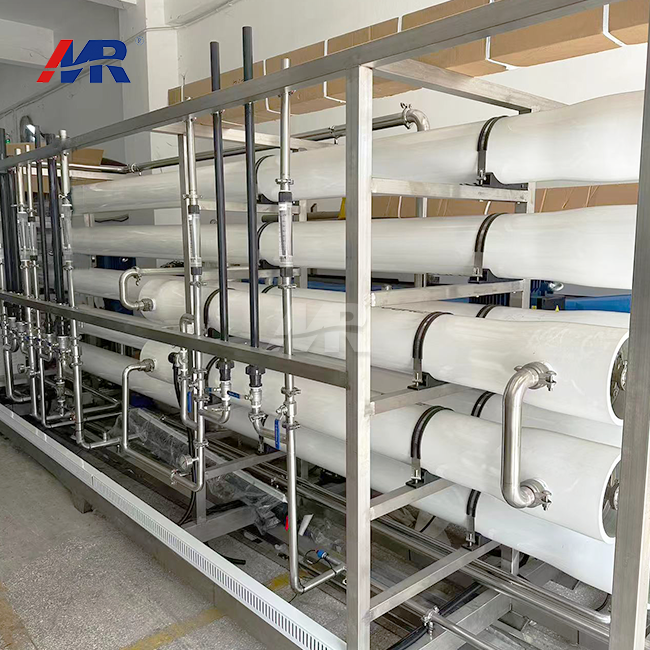 VIEW MOREosmosis drinking water system
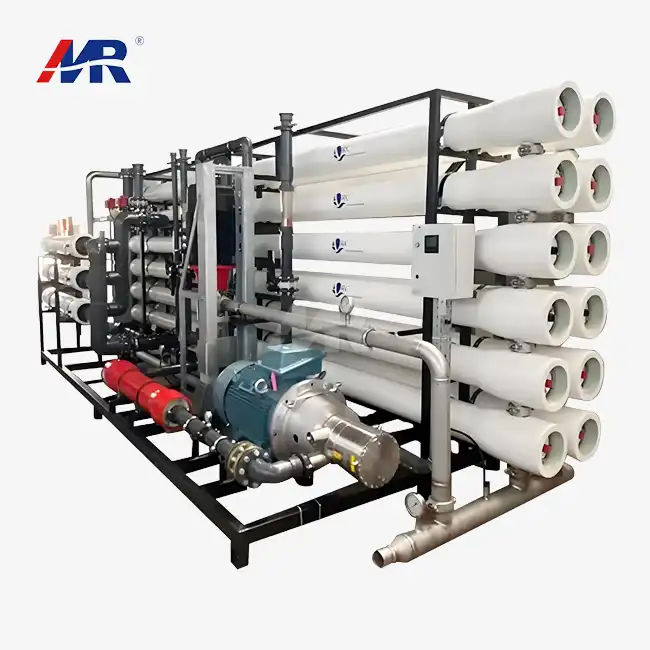 VIEW MORE45m3/hour seawater desalination system
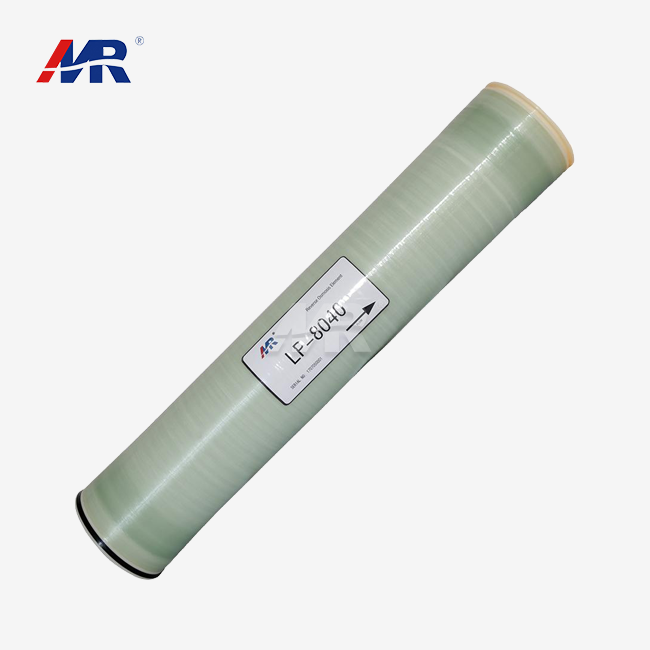 VIEW MOREreverse osmosis membrane
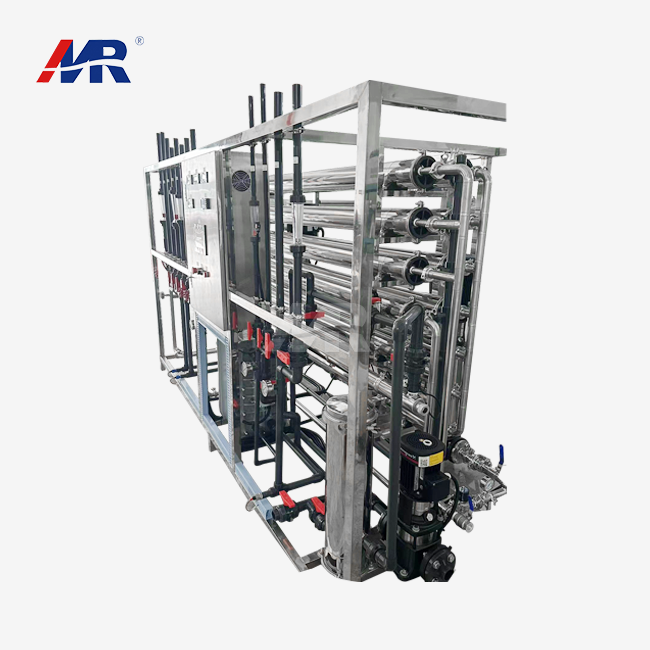 VIEW MOREedi water plant
 VIEW MOREreverse osmosis water purification plant
 VIEW MOREDTRO for Wastewater Treatment
 VIEW MOREcontainerized reverse osmosis system
 VIEW MOREhome sewage treatment plant
