_1745823981883.webp)

Improving Drinking Water Quality: Benefits of Using Residential Reverse Osmosis Systems
Clean water is essential for healthy living and running a business smoothly, but many homes and businesses have problems with pollution that lowers the quality of their water. Up to 99% of dissolved solids, heavy metals, and harmful chemicals can be taken out of your water source by a residential reverse osmosis system. These high-tech filtration systems use semipermeable membrane technology to deliver consistently pure water that meets the strictest safety standards. This makes them a must-have for health-conscious individuals and companies that need reliable water cleaning solutions.

Understanding Residential Reverse Osmosis Systems
To understand how reverse osmosis technology turns dirty water into clean, drinking water, you have to look at the many complicated parts and steps that make these systems work so well. Compared to older filtration methods, modern RO units are highly advanced machines that use multiple stages of filtering to produce better water quality.
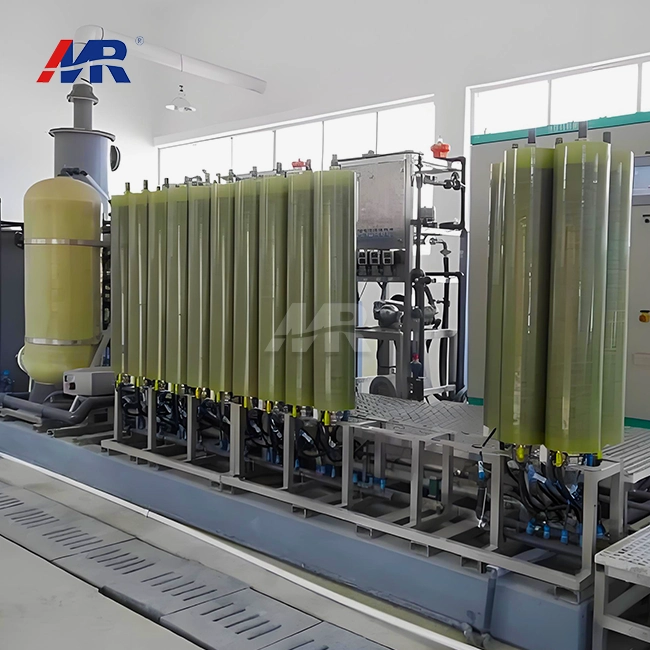
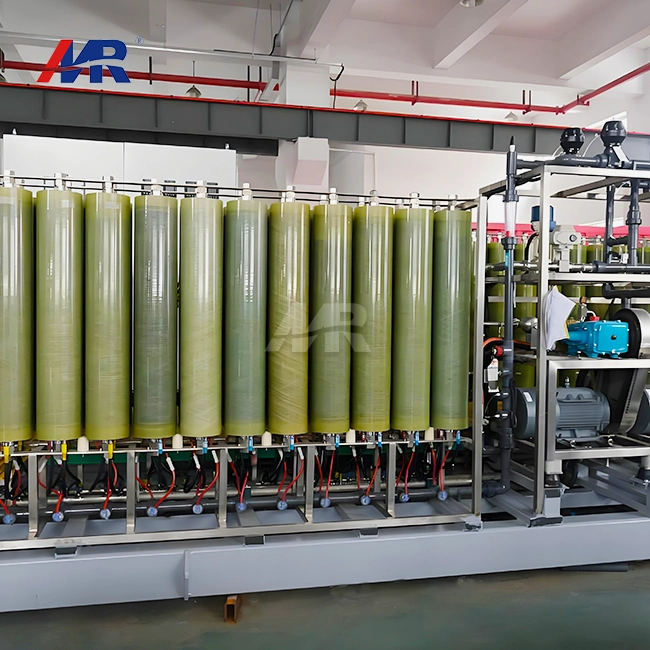
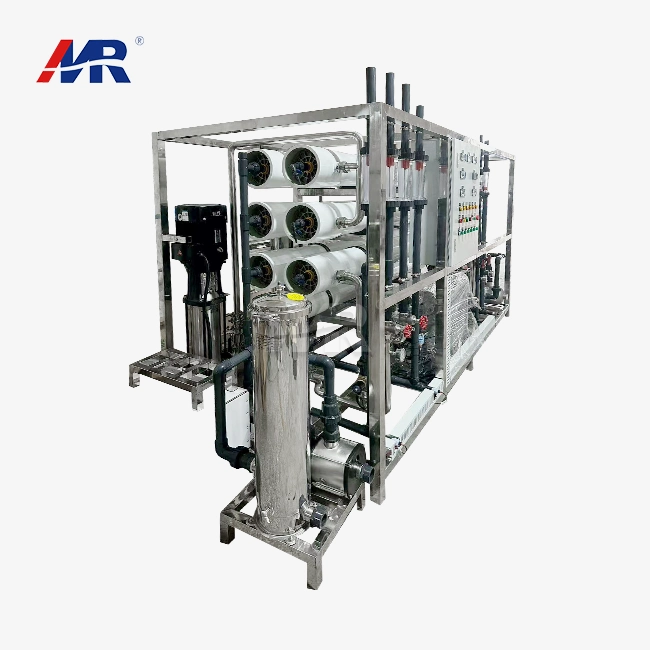
Core Components and System Architecture
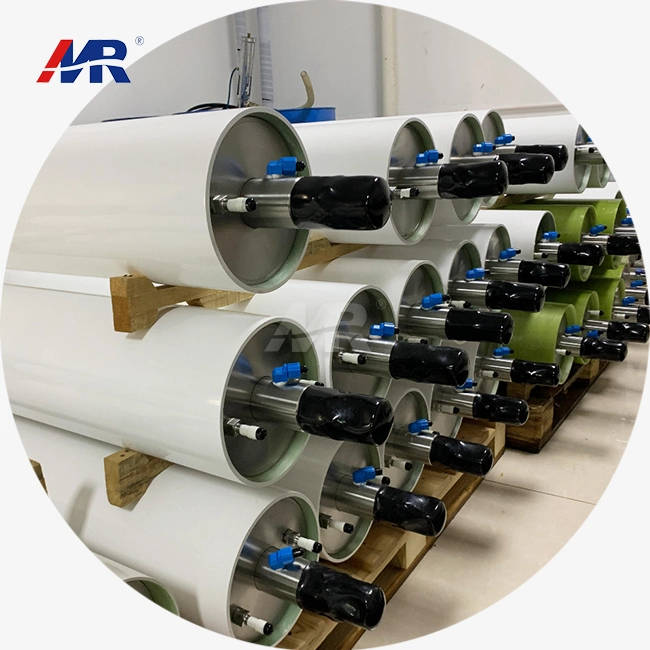
A semipermeable membrane is an amazing filter with holes about 0.0001 microns in width that is at the heart of any home RO system. Water molecules are the only thing that can pass through this layer. Dissolved salts, germs, viruses, and heavy metals are blocked. Along with this main part, pre-filters and post-filters work together to protect the membrane and improve the quality of the end water.
Sediment filters are often used in pre-filtration to catch bigger bits like dirt, sand, and rust that could damage parts further down the line. Then, chlorine, volatile organic compounds (VOCs), and other chemicals that could damage the membrane are taken out by carbon filters. This multi-stage process makes sure that the system works well and that parts last as long as possible.
Step-by-Step Filtration Process
The RO filtering process starts when water comes in and goes through the pre-treatment step, where sediment and carbon filters get rid of the first few contaminants. The water is then pushed through the semipermeable barrier by high pressure. This is where molecular-level filtration takes place. The molecules of clean water go through, but the molecules of toxins are turned away and washed away as concentrated or brine water.
The processed water is sent to a pressure storage tank that holds 2 to 4 gallons of clean water that can be used right away. When you open the RO tap, water from the tank runs through a final carbon post-filter that gets rid of any tastes or smells that are still there. This gives you fresh, clean water right away. This storage feature gets rid of the need to wait and makes sure that water is always available throughout the day.
Comparison with Alternative Technologies
Traditional carbon filters are great at getting rid of chlorine and making the taste better, but they can't get rid of dissolved solids like sodium, lead, or fluoride the way RO systems can. Distillation machines make pure water, but they use a lot more energy and take a lot longer to process. While whole-house filtration systems can help with some water quality problems, they usually aren't as good at getting rid of specific contaminants as RO technology is.
UV decontamination systems kill bacteria and viruses well, but they can't get rid of chemical residues or minerals that have been dissolved by reverse osmosis companies. Ion exchange water softeners get rid of minerals that make water hard, but they may also add sodium, which RO systems then get rid of. This thorough comparison shows why a lot of places choose RO technology for use in important tasks that need the purest water.
Key Benefits of Using Residential Reverse Osmosis Systems
Using reverse osmosis technology makes the water quality better in a way that can be measured. This has real health, economic, and practical benefits for both homes and businesses. These benefits go beyond just improving the taste; they also include getting rid of all contaminants and saving money in the long run.
Superior Contaminant Removal Capabilities
These days, RO systems can get rid of more than 1,000 different pollutants, including heavy metals like lead, mercury, and arsenic that are very bad for your health. Total dissolved solids (TDS) levels drop from hundreds of parts per million to less than 50 parts per million thanks to the semipermeable membrane technology. This big drop in sodium intake eases worries about sodium intake, which is especially important for people with high blood pressure or heart problems.
The RO method gets rid of most of the chemical toxins in water, such as pesticides, herbicides, and industrial pollutants. Microbiological risks like cysts, viruses, and bacteria can't get through the membrane barrier. This adds another layer of safety on top of the water cleaning that cities already do. This all-around security is very helpful for places that work with vulnerable people or where the water quality isn't clear.
Health and Safety Advantages
Drinking water that has been cleaned by RO lowers your exposure to contaminants that can cause several health problems. This leads to better long-term health results. Getting rid of lead can stop growth problems in kids and lower heart disease risks in people. Getting rid of chlorine and its leftovers lowers exposure to chemicals that could cause cancer and makes water taste and smell better.
RO filtration consistently cleans water to levels that meet or go beyond international drinking water standards. This gives companies around the world that operate in different regulatory settings peace of mind. This dependability is especially important for places like schools, hospitals, and food service businesses where water quality has a direct effect on public health and following the rules.
Economic and Environmental Benefits
Even though the beginning costs may seem high, RO systems save you a lot of money in the long run compared to buying bottled water. A normal family that spends $500 a year on bottled water can get their money back on an RO system within two to three years and have access to clean water all the time. Due to higher consumption rates and the benefits of buying in bulk, commercial businesses save even more money.
Some of the environmental benefits are huge drops in the amount of plastic bottle trash and the pollution that comes from transportation. A single RO system can provide better water quality and get rid of thousands of trash bottles every year. Less chemical use for water treatment and less energy use compared to distillation systems make environmental sustainability ratings even better.
Maintenance and Operational Considerations
Maintenance is important to make sure that the system works well, that parts last as long as possible, and that the water quality stays the same over many years of use. Knowing what repair needs to be done helps facilities plan their running costs and keep service interruptions to a minimum.
Filter Replacement Schedules and Procedures
Depending on the quality of the water coming in and how much it is used, sediment pre-filters in a residential reverse osmosis system usually need to be replaced every 6 to 12 months. Carbon pre-filters usually need to be replaced every 6 to 12 months when they reach full capacity. The most expensive part is the ro membrane, which usually works well for two to three years with good care and regular upkeep.
To keep the best taste and smell control, post-filters should be changed once a year. Every one to two years, you need to clean out your storage tank to stop germs from growing and keep the system clean. Monitoring water quality factors like TDS levels and flow rates on a regular basis can help you figure out which parts need repair before they stop working properly.
Troubleshooting Common Issues
Less water flow usually means that the pre-filters or membranes are clogged and need to be fixed right away. Low pressure in a holding tank could be caused by a failed bladder or an imbalance in the system's pressure, both of which are easy for repair staff to fix. Odd tastes or smells usually mean that carbon filters are worn out or that storage tanks are dirty and need to be replaced or cleaned.
System leaks usually happen at connection points and can be fixed by tightening the fittings properly or replacing the parts. In product water, high TDS levels could mean that the membranes are damaged or there are overflow problems that need to be diagnosed by a professional. Knowing about these common issues helps building managers keep systems running at their best and cut down on expensive service calls.
Selecting and Procuring the Right Residential Reverse Osmosis System
To pick the right RO equipment, you need to carefully look at its performance specs, fitting needs, and how it will work in the long run. A good procurement process combines the original costs with the ongoing costs of running the business, making sure there is enough capacity to meet expected demand.
Performance Criteria and Certifications
Filtration capacity, which is measured in gallons per day, should meet or beat high demand needs, and there should also be enough spare capacity for growth. The rejection rates for certain contaminants help figure out which barrier types are best for dealing with water quality problems in a certain area. NSF International approvals give third-party confirmation of claims that contaminants have been removed and that the system is safe.
When things are used a lot, the energy economy number becomes very important because the running costs add up over time. Recovery rates, which show what percentage of arriving water is turned into product water, have an effect on both how well the business works and how it affects the environment. These specs make it possible to compare rival systems and makers smartly.
Advanced Features and Technology Options
Adding UV sterilization gives extra microbial protection for uses that need the highest level of safety. Tankless systems don't need to be stored, and they're easier to put in small spaces because they take up less room. Remote monitoring lets businesses that are spread out plan repairs ahead of time and keep track of performance in real time.
Automatic cleaning systems help keep membranes working well by keeping fouling from building up when they're not being used. Pressure booster pumps make sure that the system works well even when the water pressure coming in is low. These more advanced features usually make up for higher original costs by making the product more reliable and lowering the need for upkeep.
Procurement Considerations for B2B Clients
When you buy in bulk, you can save a lot of money on each unit while making sure that the equipment is the same in all of your sites. OEM relationships make it possible to make changes that meet specific operating needs or installation limitations. Service agreements and extended warranties make costs more predictable while making sure systems work reliably.
For foreign businesses that need standard equipment in a lot of different places, global delivery options for reverse osmosis companies become important. Having access to Technical support, such as installation instructions and help with fixing problems, lowers the risks of implementation and minimizes business disruptions. When looking at the possibility of a long-term partnership, these factors in the purchase are often more important than the original cost savings.
Conclusion
Many people have found that household reverse osmosis systems are a reliable way to get better water quality and a lot of long-term value for both homes and businesses. Additionally, RO technology is a smart investment for companies that care about water safety and cleanliness because it can remove a wide range of contaminants and has low operating costs and minimal upkeep needs. Modern systems are more reliable, work more efficiently, and have more advanced features that meet the needs of a wide range of applications and can be expanded to meet the needs of growing businesses.
FAQ
Q1: How long do residential RO systems typically last?
If you change the parts and do regular upkeep, a well-kept home RO system will work well for 10 to 15 years. The frame and parts of the system usually last even longer. However, filters and membranes need to be replaced every so often, depending on the manufacturer's instructions and how often they are used.
Q2: What contaminants can RO systems remove effectively?
Over 95% of dissolved solids are removed by RO technology. This includes heavy metals, bacteria, viruses, poisons, and chemical pollutants. Different types of contaminants have different removal rates, but most systems get rid of 96–99% of typical toxins like lead, mercury, arsenic, and sodium while also getting rid of almost all microbiological risks.
Q3: How much energy do residential RO systems consume?
Modern RO systems use about 25 to 75 watts of power when they're working, which is about the same as a regular light bulb. How much energy a system uses relies on its size, the water pressure going in, and how much water is produced each day. For most homes, adding a water system costs less than $50 a year and saves them money on bottled water.
Partner with Morui for Your Water Purification Needs
In addition to their cutting-edge residential reverse osmosis system options, Morui Environmental Technology also offers full engineering support and service around the world. Our Team of certified experts offers personalized consultations to help you find the best systems for your needs, whether you need to put them in a single unit or multiple buildings on a big scale. As a reliable provider of residential reverse osmosis systems, we offer cutting-edge technology, reasonable prices, and on-time delivery. Email our expert team at benson@guangdongmorui.com to talk about your water treatment problems and find out how our tried-and-true solutions can help you run your business more efficiently and save you money in the long run.
References
1. Smith, J.A., and Williams, R.B. "Residential Water Treatment Systems: Performance Analysis and Health Benefits." Journal of Environmental Engineering, 2023.
2. Thompson, M.K., et al. "Reverse Osmosis Technology in Domestic Applications: Economic and Environmental Assessment." Water Quality Research Quarterly, 2022.
3. Chen, L.H., and Rodriguez, P.A. "Contaminant Removal Efficiency in Household Reverse Osmosis Systems." International Water Treatment Review, 2023.
4. Davis, S.R., and Brown, K.L. "Maintenance Strategies for Residential reverse osmosis equipment: A Comprehensive Guide." Home Water Systems Journal, 2022.
5. Anderson, T.J., et al. "Comparative Analysis of Residential Water Purification Technologies." Applied Water Science Quarterly, 2023.
6. Wilson, D.M., and Taylor, A.F. "Health Impact Assessment of Reverse Osmosis Water Consumption in Residential Settings." Public Health and Water Quality Review, 2022.