

_1745823981883.webp)

Top 5 Reasons to Choose a Commercial RO System for Your Business
Choosing the right water purification technology is a very important choice for buying managers because it has a direct effect on many types of businesses. A Commercial RO System can filter water in a way that gets rid of up to 99% of suspended solids, toxins, and other impurities. These systems are made for industrial use and are effective and able to treat large amounts of water. They are meant to work in business settings where water purity standards must be met. Figuring out the strong benefits of industrial reverse osmosis technology helps people make choices about how to best use it to save money and make the business grow in the long run.

Superior Water Purification for Business Needs
Commercial reverse osmosis systems clean water better than any other method because they use advanced multi-stage filter processes that get rid of a wide range of contaminants. The technology gets rid of dissolved salts, heavy metals, germs, viruses, and organic molecules very effectively, making water quality that always meets or beats industry standards.
Before the filtration process starts, sand filters catch particles and other waste. Next come activated carbon filters, which get rid of chlorine, smells, and organic contaminants. High-performance reverse osmosis membranes, usually Thin-Film Composite (TFC) membranes, which are known for their high rejection rates and longevity, make up the heart of the system. These polyamide-based membranes are very good at getting rid of contaminants while keeping the right water flow rates that are needed for business purposes.
After cleaning, choices like UV sterilization kill even more pathogens, making sure the water is completely safe. When these technologies are put together, they make a strong cleaning system that can turn low-quality source water into high-quality process water that can be used in tough situations.
Different industries need different amounts of clean water, and industrial RO systems can be set up to meet these needs. Pharmaceutical and science businesses can use systems that make water that meets USP Purified Water guidelines. This helps them follow good manufacturing practices (GMP) and make sure their Products are safe. Food and drink companies depend on stable water quality to keep the taste, look, and shelf life of their products while also following FDA rules.
For precise manufacturing processes, electronics and chip factories need ultrapure water with very low conductivity levels when installing ro system. Commercial RO technology is flexible enough that cleaning levels can be changed by choosing the right membranes, setting up the system in the right way, and adding extra treatment parts to meet the specific needs of the industry.
High Capacity and Scalability for Diverse Business Sizes
Commercial water treatment systems are great because they can be scaled up or down to meet the needs of different businesses. They also use energy efficiently and work consistently at all levels. The flexible design method makes it possible to precisely match capacity and add on in the future.
Small units that can make hundreds of gallons of water per day for businesses are available, as well as large systems that can make millions of gallons of water per day for factories. This wide range of capacities makes sure that businesses can choose the right-sized tools without spending too much on capacity they don't need or sacrificing operational needs.
A new way to treat water that can be scaled up is with containerized RO systems, which offer movable and modular solutions that can be quickly set up and moved as needed by the business. These systems have all the parts they need, like RO processing, clean-in-place (CIP) systems, and multimedia filtering, in a single container. This makes the best use of the room and makes placement easier.
Commercial systems are easy to expand by installing more than one system at the same time or increasing their capacity because they are flexible. Businesses that are growing can gradually increase the amount of water they produce without having to replace whole systems. This protects their initial investments and lets them handle their growing operations. In the same way, companies can change the amount of cleaning or add special treatment parts as product needs change or government rules do.
Automatic control systems make it possible for multiple units to work together without any problems, so the water quality and working efficiency stay the same across larger sites. Remote tracking lets one person keep an eye on many separate systems, which makes it easier to run complicated water treatment networks.
Cost-Effectiveness and Value Over Time
Commercial RO systems take a big initial investment, but a full cost study shows that they are much cheaper in the long run than other ways of getting water and treating it. When procurement managers know the total cost of ownership, they can make smart choices based on accurate financial estimates.
Energy use is a high cost of doing business, but current industrial RO systems have energy recovery devices and high-efficiency pumps that cut down on power needs. When compared to older systems, new membrane technologies use less energy because they can work at lower pressures while still having high rejection rates.
Maintenance costs can be predicted because filters are replaced on time and the system is inspected regularly. Under normal working conditions, a membrane will usually last between two and three years. Pre-treatment methods can make membranes last longer and reduce the number of times they need to be replaced. Automated tracking systems can spot early signs of performance degradation, which allows for preventative maintenance that stops expensive emergency fixes.
Less reliance on bought water leads to instant cost savings, especially for businesses that use a lot of water. Quality changes lower the number of rejected products, keep tools from rusting, and make processes that use treated water last longer. These operational changes help many business tasks be more productive and require less upkeep.
Environmental benefits, such as less plastic trash from buying bottled water and less chemical use, help companies reach their sustainability goals and may even qualify them for green business rewards. For most business uses, the return on investment (ROI) is positive within 18 to 36 months when direct cost savings are added to operational improvements.
Reliability, Maintenance, and System Longevity
Because they are so important to business operations, industrial water treatment equipment needs to have consistent system performance and a long operating life. The total cost of ownership and how reliable a system is are directly affected by the repair plans that are followed and the parts that are chosen.
To keep the system running at its best, regular care plans include replacing filters, cleaning membranes, and keeping an eye on system performance. Depending on the quality of the source water, pre-filters are usually changed every three to six months. ro membrane cleaning processes keep water quality standards and extend the life of the membrane.
Key success factors, such as water quality, pressure differences, and flow rates, are tracked by automated monitoring systems. This lets people know about problems early on. These systems send out repair alerts and performance reports that help with planning services ahead of time and finding ways to make things better.
High-quality parts, like approved membranes, corrosion-resistant pumps, and stainless steel housings, make sure that the system lasts longer and works consistently. The right system design, with the right pre-treatment, the right-sized parts, and enough tracking options, keeps the guarantee valid and stops the system from breaking down too soon.
Professional installation and testing set the right working settings and make sure that all safety systems work properly. Full paperwork and training for operators help with ongoing upkeep and troubleshooting, which cuts down on downtime and makes equipment last longer.
Trusted Brands and Supplier Selection for Seamless Procurement
Choosing suppliers with a history of success in treating industrial water is the best way to make sure that the system is set up correctly and that you get ongoing help. The skills, quality, and equipment of the service provider have a direct effect on the success of the project and the customer's long-term happiness.
Products from well-known companies with a lot of business experience have been through a lot of testing and have been proven to work in the field when installing ro system. Following certification rules like NSF, FDA, and ISO shows a dedication to quality and following the rules. Local service networks and easy access to parts make it possible to respond quickly to repair needs and keep operations running as smoothly as possible.
Technical support services like system design help, fixing advice, and performance improvement services make working with suppliers much more valuable. By teaching operating staff the right way to use and maintain equipment, training programs improve system performance and make equipment last longer.
Guangdong Morui Environmental Technology has been in the water treatment business for over 14 years and has 500 committed employees. They offer complete options for treating water. Our engineering team creates unique industrial RO systems that meet the needs of the industry while also being the most cost-effective and efficient.
We can make things using both in-house membrane production and processing sites with various pieces of equipment. This lets us keep an eye on quality and keep our prices low. Strategic relationships with top component providers like Shimge Water Pumps, Runxin Valves, and Createc Instruments give you access to high-quality parts and system designs that work together.
Our full range of services includes designing and installing systems, putting them into service, and providing ongoing upkeep support through our network of regional service centers. As part of our dedication to making sure our customers are happy, we offer services like operator training, performance tracking, and system improvement that get the most out of your money.
Conclusion
Commercial RO systems are an investment in operational efficiency because they provide better water quality, scalable capability, and long-term cost benefits that are necessary for businesses to succeed in today's world. Flexible design choices, modern filtration technology, and reliable performance all work together to make strong value propositions for businesses in a wide range of industries. Working with seasoned providers like Morui guarantees access to high-quality gear, full support services, and the technical know-how needed for a smooth start-up and ongoing use.
Contact Morui for Commercial RO System Solutions
Morui offers tried-and-true business commercial RO system options backed by a wide range of engineering knowledge and service support across the country. Our skilled professionals make unique designs for water cleaning systems that work best and stay within clients' budgets and industry standards. Get in touch with our experts at benson@guangdongmorui.com to talk about your water treatment needs and look at all of our options for business RO system manufacturers.
References
1. Smith, J.A., and Johnson, R.B. "Commercial Reverse Osmosis Systems: Performance Evaluation and Cost Analysis." Industrial Water Treatment Journal, vol. 45, no. 3, 2023, pp. 78-95.
2. Chen, L., et al. "Membrane Technology in Commercial Water Treatment Applications." Water Technology Review, vol. 28, no. 7, 2023, pp. 112-128.
3. Thompson, K.M. "Energy Efficiency in Large-Scale Reverse Osmosis Systems." Environmental Engineering Quarterly, vol. 39, no. 2, 2023, pp. 203-218.
4. Rodriguez, P.E., and Williams, S.T. "Maintenance Strategies for Commercial Water Treatment Equipment." Facility Management Today, vol. 52, no. 4, 2023, pp. 67-81.
5. Anderson, M.J. "Economic Analysis of Commercial Water Purification Technologies." Business Equipment Review, vol. 31, no. 6, 2023, pp. 145-162.
6. Lee, H.K., and Brown, C.L. "Quality Assurance in Commercial Reverse Osmosis Applications." Water Quality Standards Handbook, 3rd ed., Technical Publications, 2023, pp. 234-251.
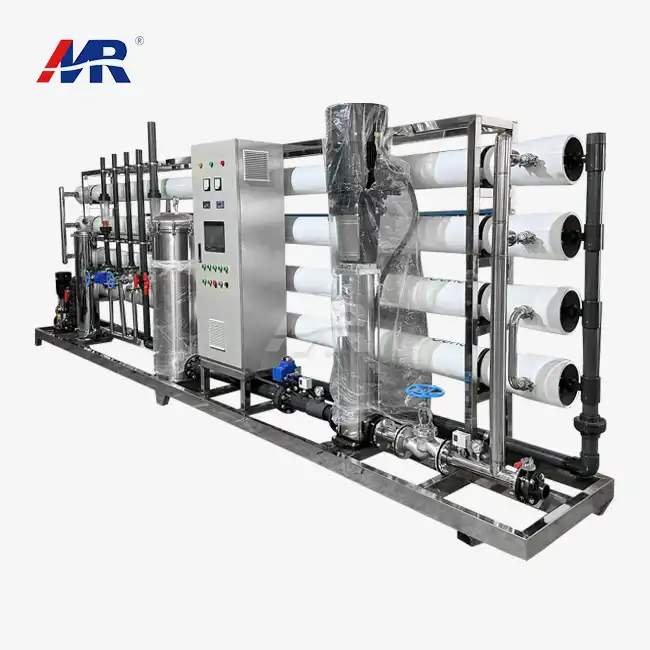 VIEW MORE500m3/day reverse osmosis RO plant
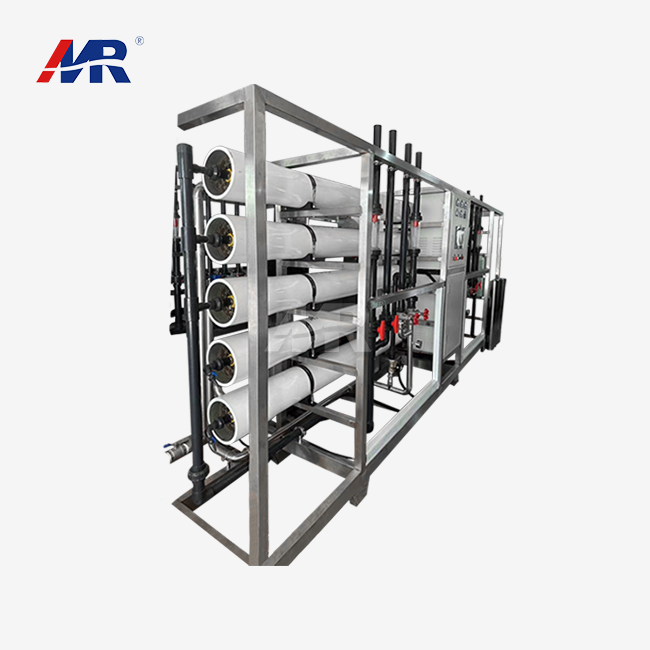 VIEW MOREhighest rated reverse osmosis system
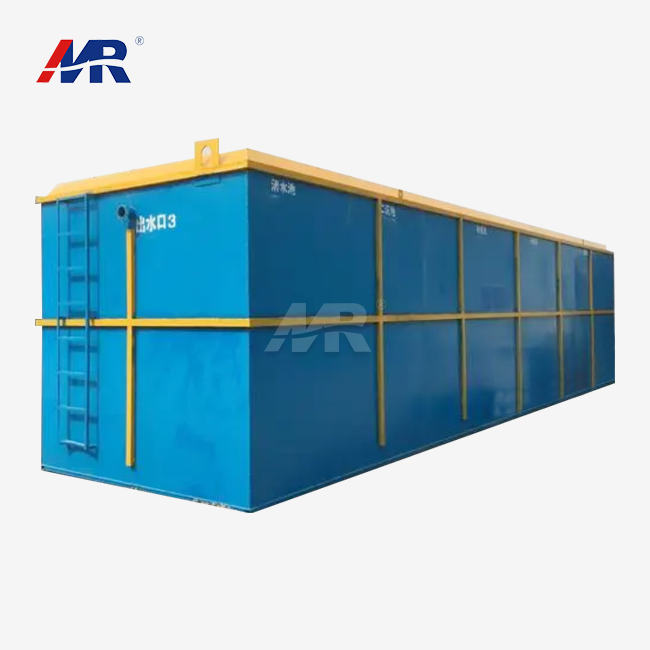 VIEW MOREwaste water treatment plant
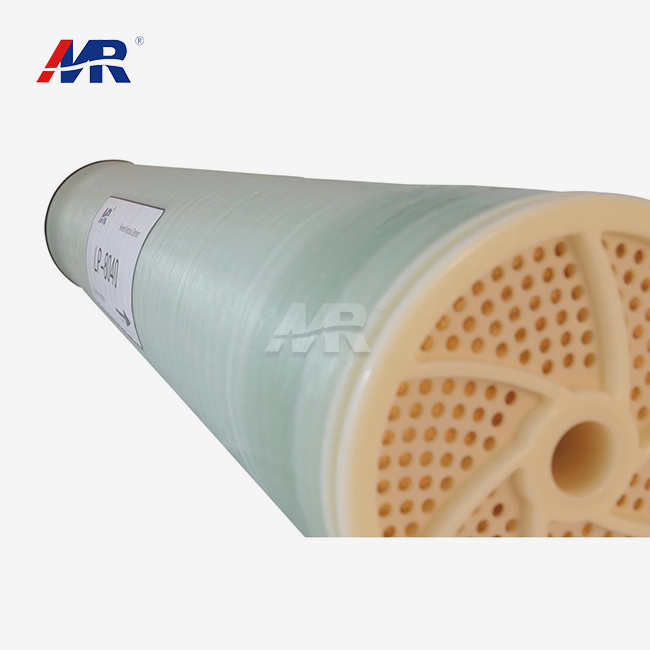 VIEW MOREmembrane used for reverse osmosis
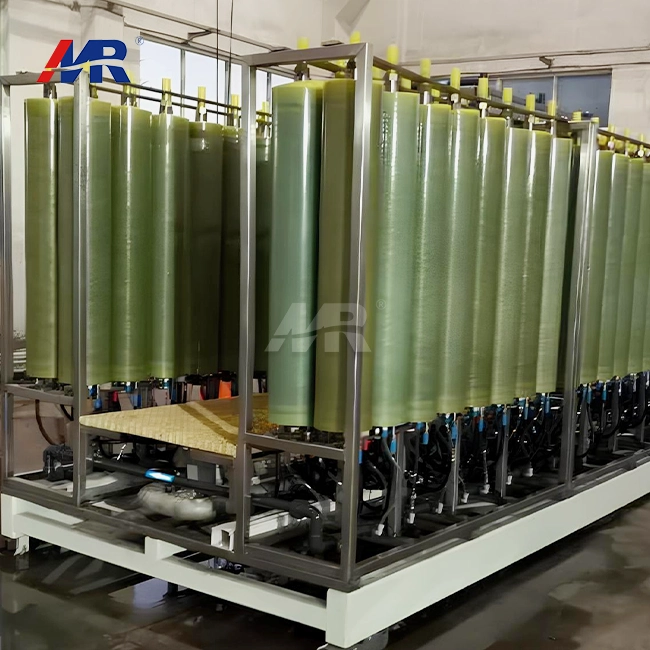 VIEW MOREDTRO for Wastewater Treatment
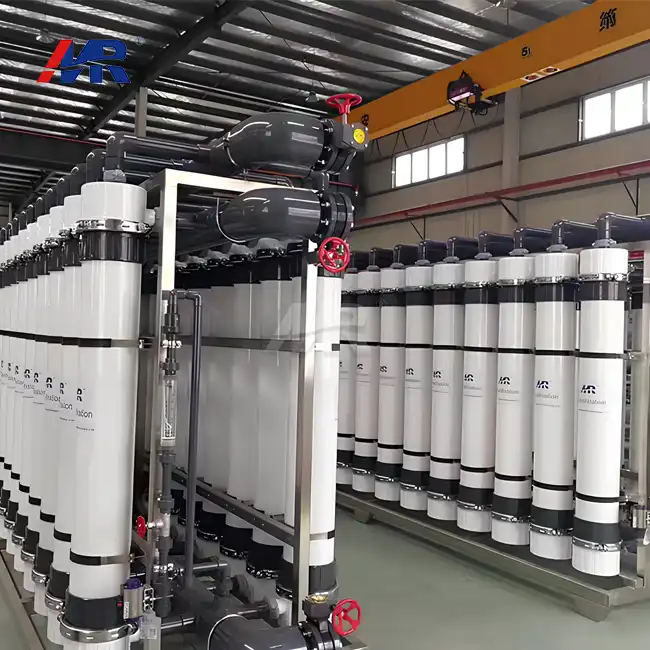 VIEW MORE200m3/hour UF plant
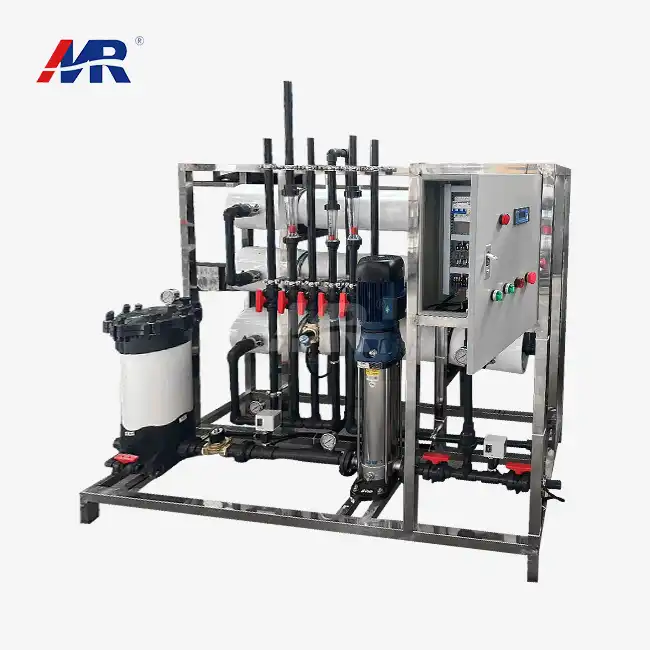 VIEW MORE3T/H reverse osmosis equipment
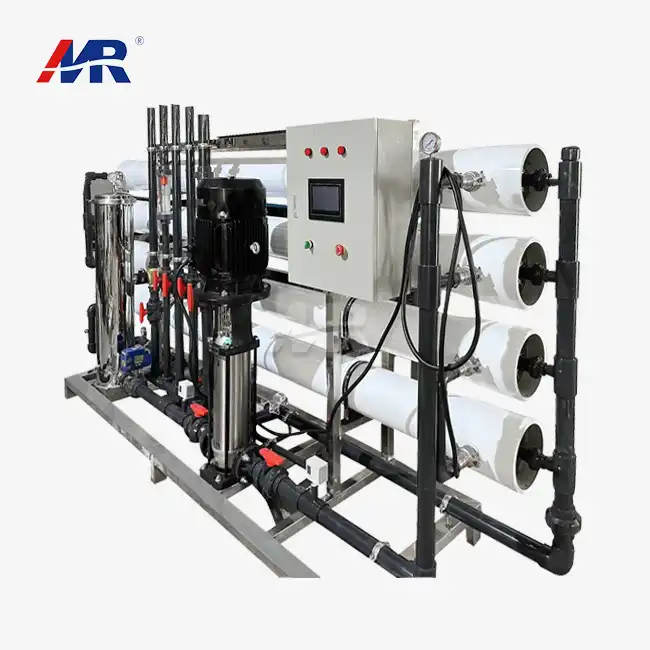 VIEW MORE12m3/hour reverse osmosis BWRO system
