

_1745823981883.webp)

Reverse Osmosis with Remineralization for Office Use: Enhancing Water Quality at Work
Businesses today are becoming more and more aware that the health of their workers affects how happy and productive they are. One of the best ways to make water better for drinking in offices is to use a reverse osmosis system with remineralization. By using both advanced filter technology and mineral restoration, these systems give you clean, tasty water that is good for you and makes your business run more smoothly. Also, they get rid of the need for pricey water treatments in bottles.

Understanding Reverse Osmosis and Remineralization in Office Water Systems
With reverse osmosis technology, dirty tap water is turned into very clean drinking water through a complicated process with many steps. The most important part of any reverse osmosis machine is the semi-permeable membrane. It has very small holes, about 0.0001 microns wide, that keep out dirt and dust but let water molecules pass through.
How Reverse Osmosis Filtration Works?
There are steps called pre-treatment that are done before the filter process starts to make sure the ro membrane is safe. Some chemicals that could damage the membrane are chlorine, harmful organic compounds, and others. Carbon filters get rid of these chemicals. Filters that remove sediment get rid of dirt, sand, and other things that might get in the way of the membrane. It then goes through the RO membrane, which gets rid of the salts, chemicals, and germs that are mixed in with the high-pressure water.
There is a tank that can hold between 2 and 4 gallons of clean water. In this way, it can be used right away without having to be cleaned each time. A certain drain line is used to take away water or salt that has a lot of dirt in it.
The Remineralization Process
Normal reverse osmosis in reverse osmosis with remineralization gets rid of both good and bad minerals, which could make water taste boring and not be as good for you. Putting minerals like calcium, magnesium, and potassium back into the water through special post-filters can fix this issue. The right mix of minerals is returned by this process. This makes the taste better while keeping the cleanliness that RO filtration gives you.
Remineralization devices that are more advanced can be set up to get certain mineral amounts. In a business setting, this keeps the water quality stable and meets standards for both taste and health.
Key Benefits of Reverse Osmosis with Remineralization for Office Environments
Worker health, happiness, and productivity are all affected by the quality of the water in the office. Having a full RO system that includes remineralization is very helpful in many real-life situations.
Superior Contaminant Removal
Chemicals that are bad for you are often found in public water sources. These systems are great at getting rid of them. Heavy metal pollution is also taken care of, as well as salt, fluoride, and lead pollution. Getting lead in your body can hurt your brain and heart. It has been found that drinking water with a lot of salt can make your blood pressure go up and hurt your kidneys. People who drink a lot of water at work have a lot of trouble with this.
Toxins that are dissolved and those that are solid are both removed by the multi-barrier method. This makes the water quality often better than filtered water. It is especially helpful to clean this much when the quality of the public water changes or when older buildings may bring in more dirt.
Environmental and Economic Benefits
Less single-use plastic use is becoming a bigger part of green efforts at work. If you have the right-sized RO system, you won't have to pay to have bottled water brought to you. It's better for the earth and saves money. Companies usually get their money back in 12 to 18 months, and they also throw away a lot less plastic.
Another good thing about modern RO systems is that they use less electricity than many other ways to treat water. Most of the time, these systems are better for medium to large offices because they make more clean water for less money.
Enhanced Employee Wellness
Your body needs minerals to stay healthy, and remineralized water gives you those nutrients. People who work there often say that the food tastes better, which makes them drink more water and start drinking better. It smells and tastes bad, which could make people not drink enough water. Getting rid of chlorine and other chemicals does that.
Installing and Maintaining Reverse Osmosis Systems with Remineralization at the Workplace
For completion to go well, it needs to be carefully planned and kept up to date. Facility managers and buying teams should know what needs to be done to set up the equipment and what needs to be done to keep it in good shape over time.
Installation Planning and Implementation
First, as part of the site review, the amount of space that is available, the ease of getting water, and the power needs must be looked at. You can put point-of-use units in cabinets or under sinks. For bigger businesses, you might need point-of-sale systems or more than one place to put them. The right water pressure is typically between 40 and 80 PSI. There may be times when you need extra pumps.
Well water generally needs more pre-treatment than city water because it might contain iron, hardness minerals, or other impurities that can harm RO filters. The right pre-treatment needs and system size can be found by having a professional test the water.
To get rid of wastewater, you need to be able to get to drains, and installers must follow the plumbing rules in your area. If you hire a professional to install the water system, you can be sure that it will connect properly and that the warranty will still be good.
Maintenance Requirements and Best Practices
System repairs keep them going at their best and make them last longer. Depending on how much and what kind of water is used, filters need to be changed every 6 to 12 months. If you take good care of your RO membranes, they can last for 2 to 3 years.
Some important maintenance tasks in reverse osmosis with remineralization are checking the water flow, looking for leaks, and changing the filters when the manufacturer tells you to. A lot of new systems have tracking tools that tell users when they need to be fixed. This makes it less likely that the system will stop working properly.
Regular maintenance checks can be a part of professional service contracts. These checks make sure that health rules are followed and that the water quality stays high. Most of the time, these deals include terms for emergency service that keep downtime to a minimum when problems do happen.
Choosing the Right Reverse Osmosis System with Remineralization for Your Office
When picking a system, you need to think about its price, features, space, and how much it can hold. Every office is different, so each plan works best for that company.
System Configuration Options
Under-sink systems work well in break rooms or smaller offices because they can fit in small areas and serve 10 to 20 people. Countertop units are movable, but they can only hold a certain number of things. Because of this, they work best for small groups or short-term installations.
There are a lot of infrastructure changes that need to be made for whole-building systems to work well in bigger buildings. These things can serve a lot of people and make sure that the water quality is the same everywhere in the building. Storage bins and transport systems in the middle make sure that there are enough flow rates when demand is high.
Technology Comparison and Selection
Carbon filters are less expensive at first, but they don't get rid of as many contaminants as RO technology does. Hard water can be fixed with a water softener, but it doesn't get rid of dangerous contaminants like chemicals or lead. UV cleaning tools kill germs and viruses, but they don't get rid of contaminants that have already been broken down.
If you care about health, reverse osmosis is the best choice because it gets rid of the most contaminants. When these ways are mixed with remineralization, they give a pure and tasty product that meets the needs of many people.
Microbes can be harmful, but extra features like UV cleaning can help protect against this. This is especially useful in places where the water quality isn't clear. Smart tracking features let you keep an eye on your system from away and plan for repairs that won't need to be done.
About Our Reverse Osmosis Solutions for Offices
Guangdong Morui Environmental Technology Co., Ltd. is an expert at giving businesses a wide range of water cleaning choices. Because we've worked in a lot of different fields, like health, food and drink processing, industry, and more, we have a unique understanding of the different needs for water quality.
Our Technology and Product Portfolio
The membranes in our reverse osmosis systems are made by us and are the most advanced technology on the market. We can keep an eye on the quality the whole time the product is being made this way. We have a range of full system choices, from small under-sink units for offices with few workers to large installations that can serve huge business parks.
You can exactly control the mineral content with advanced remineralization technology. This means that the taste and health benefits stay the same. When you connect to smart tracking systems, you can see how things are doing in real time and plan for repairs, which helps your business run as easily as possible.
Comprehensive Service Offerings
Twenty highly skilled engineers work on Our Team and do professional setup, testing, and ongoing support. We can offer local service with the tools and knowledge of a big company, thanks to our 14 area offices and more than 500 employees.
Shimge Water Pumps, Runxin Valves, and Createc Instruments are some of the best part suppliers we work with to make sure our goods work well and that it's easy to find new parts. We offer maintenance plans, emergency repair services, and changes to the system as needed.
Long-term relationships with clients in a wide range of businesses show how committed we are to being reliable and making sure our customers are happy. Customized solutions meet the unique water needs of companies and give them options that can be added to as the business grows.
Conclusion
A big step forward in making office water cleaner is reverse osmosis with remineralization technology. These methods work well to meet health concerns, and they also help the economy and the environment in ways that are in line with modern business values. Businesses that want to stay ahead of the curve are becoming more and more interested in these systems because they work better, get rid of pollution, and restore minerals. You show that you care about your workers' health by investing in good water systems. This also helps with cost management and sustainability efforts in the long run. Professional installation and maintenance will give you the best productivity and return on your investment.
FAQ
Q1: Can reverse osmosis systems remove fluoride from office water supplies?
As long as the toxins are broken down, reverse osmosis screens can get rid of them. RO screens have very small holes that let water molecules pass through but not fluoride ions. This makes RO systems very useful in places where the tap water has more fluoride than is good for office buildings.
Q2: How often do RO system filters need replacement in office settings?
It depends on how often you use the water and how good the water is that you drink. In general, pre-filters need to be changed every 6 to 12 months. However, RO membranes can last for 2 to 3 years if they are well taken care of. Pre-filters may need to be changed more often in offices with a lot of traffic, but most new systems have tracking tools that can tell you when to change them based on how well they're working, not how long it's been since the last change.
Q3: What's the difference between RO systems and water softeners for office use?
Ion exchange is how water softeners deal with minerals like calcium and magnesium that make water hard. This keeps scale from building up and makes the water taste better. Pollutants like lead, chemicals, and germs are still there, but they are not gone. Reverse osmosis gets rid of all contaminants, while water softeners only remove certain minerals. RO systems are helpful for many offices because they do more than just get rid of grit from the water.
Partner with Morui for Superior Office Water Solutions
Morui's high-tech reverse osmosis systems work great in businesses and can make your place of work better. When you buy one of our all-in-one systems, you get both RO technology and exact remineralization tools. You can be sure that your team always has clean, tasty water this way, and you can also reach your green goals. Send an email to benson@guangdongmorui.com to talk to our expert team about how to clean your water in a way that fits your needs. We are the best company that makes reverse osmosis systems, and we offer full installation, maintenance, and support services. Our many years of experience in the field back this up.
References
1. World Health Organization. "Guidelines for Drinking-water Quality: Fourth Edition." Geneva: WHO Press, 2017.
2. Environmental Protection Agency. "National Primary Drinking Water Regulations." Washington, DC: EPA Office of Water, 2018.
3. American Water Works Association. "Reverse Osmosis and Nanofiltration: Manual of Water Supply Practices." Denver: AWWA, 2016.
4. Water Quality Association. "Point-of-Use and Point-of-Entry Water Treatment Systems Guidelines." Lisle: WQA Technical Publications, 2019.
5. International Bottled Water Association. "Model Code for Bottled Water Quality Standards." Alexandria: IBWA Technical Standards, 2020.
6. National Science Foundation. "Drinking Water Treatment Units - Reverse Osmosis Systems: NSF/ANSI 58." Ann Arbor: NSF International, 2018.
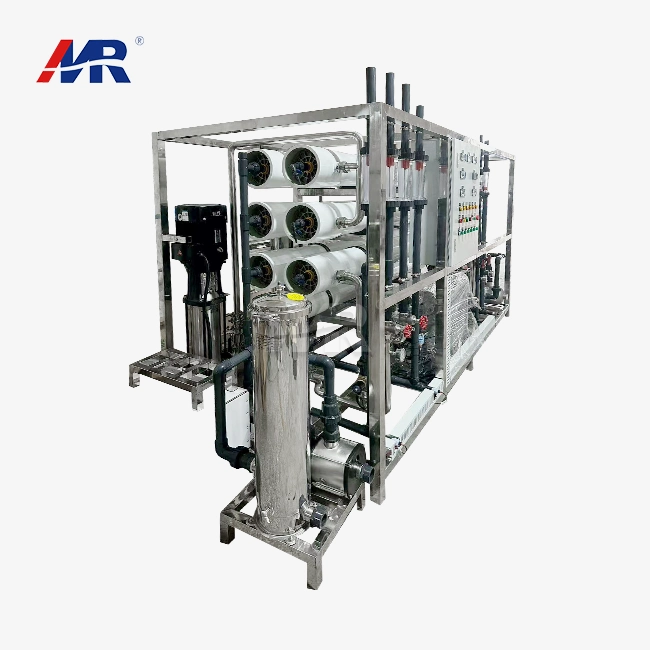
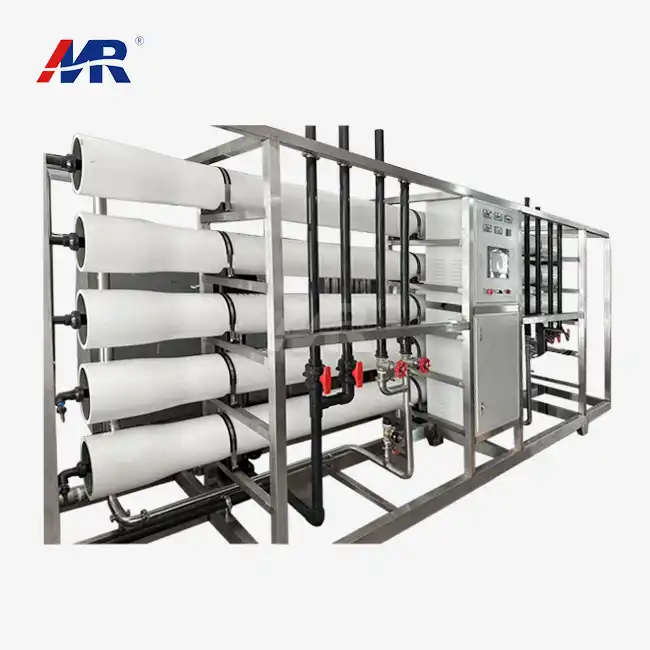 VIEW MORE25m3/hour reverse osmosis equipment
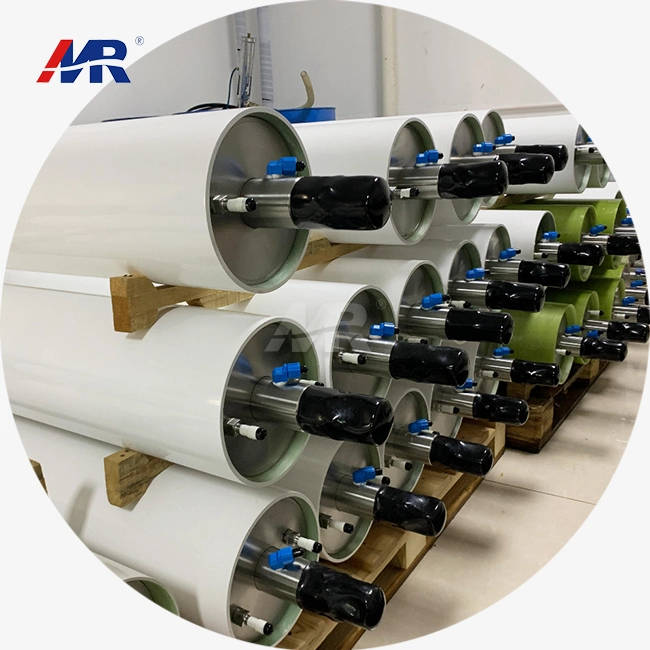 VIEW MORELandfill Leachate Treatment Plant
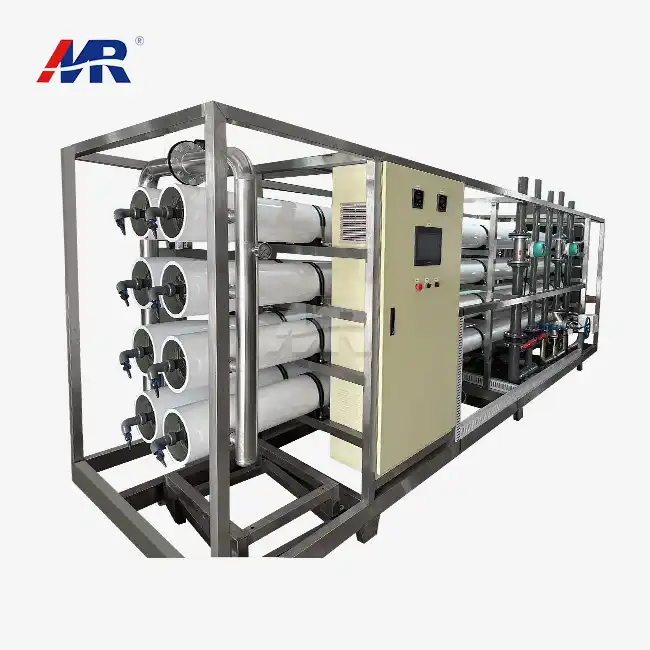 VIEW MORE8m3/hour two pass reverse osmosis system
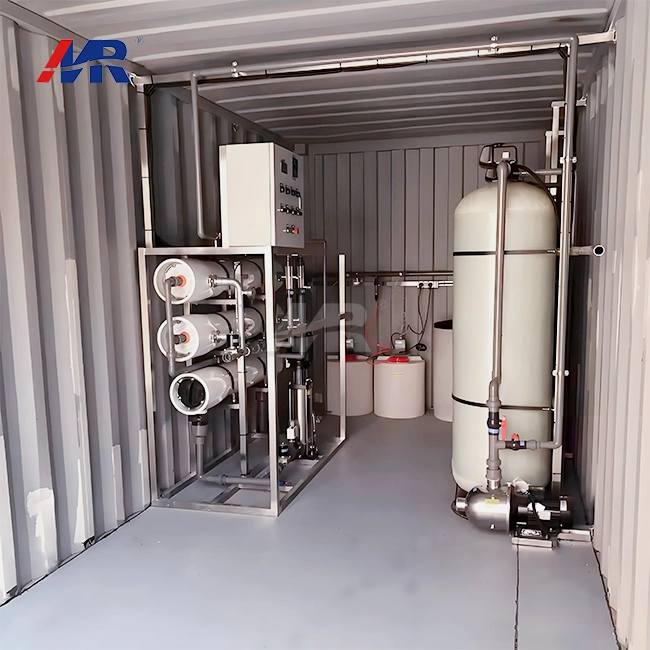 VIEW MOREcontainerized water treatment systems
 VIEW MOREedi module
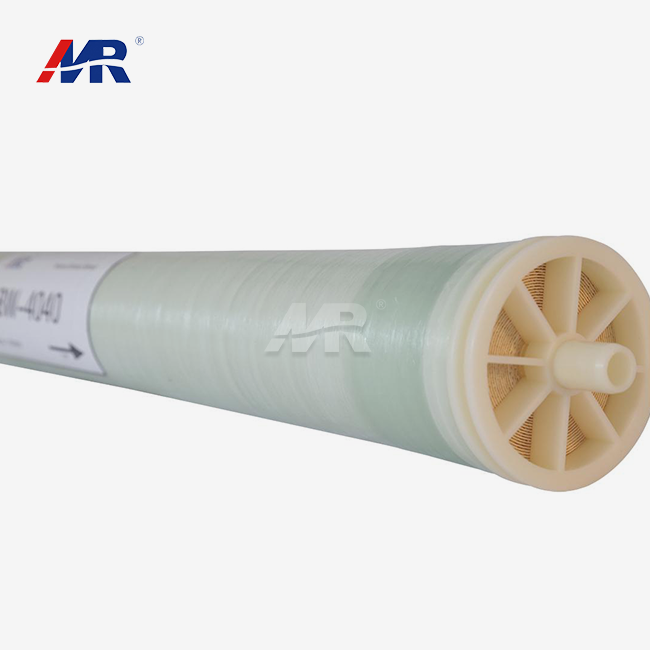 VIEW MOREindustrial reverse osmosis membrane
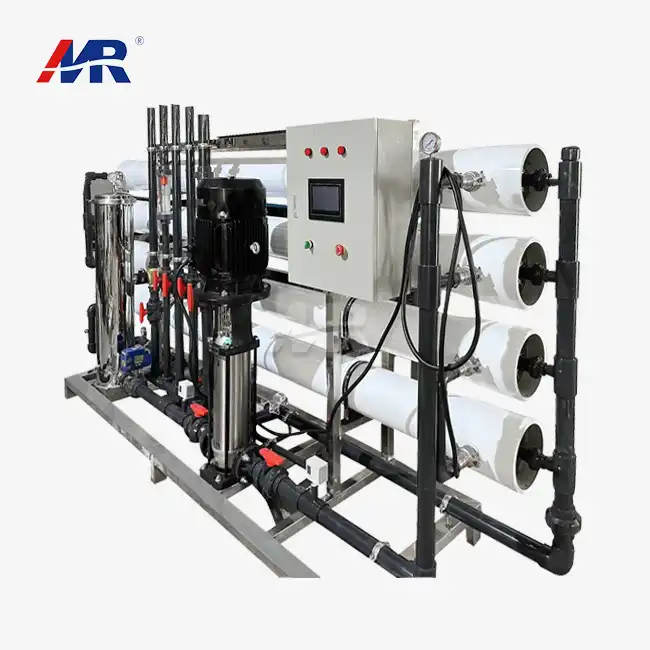 VIEW MORE12m3/hour reverse osmosis BWRO system
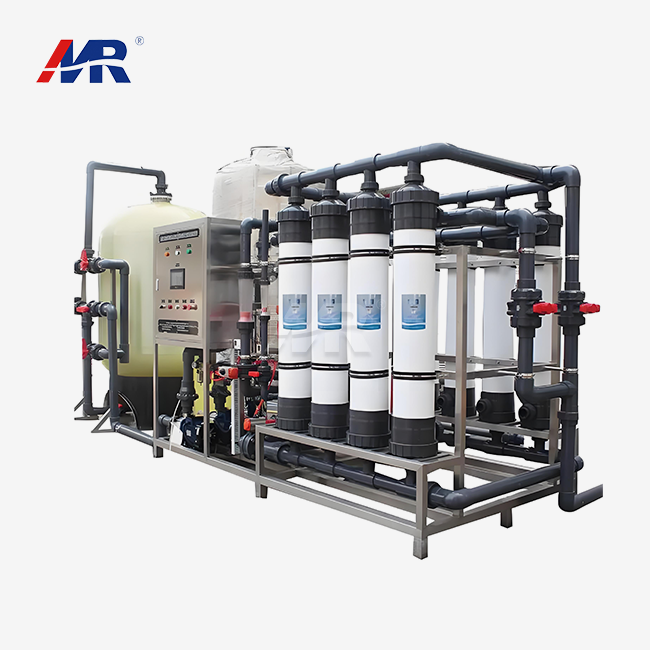 VIEW MOREuf ultrafiltration
